
Reviewed · COFFEE EXPERIENCES
Hanoi Egg Coffee Class
Hanoi’s egg coffee class turns a famous local drink into a practical little workshop. At Cafe Minh, just off Ta Hien Beer Street, you learn to brew with a traditional phin filter, whip the egg topping, and make several Vietnamese coffee styles for about $12 per person.
I like the hands-on format and the easy Old Town location. I also like the teachers, including Hai, Ha, Lena, Ashley, and Ruby, who explain coffee culture alongside the recipes. The main thing to watch is that the exact drinks and level of hands-on work can vary, and some people wanted more time to whip the egg or coffee themselves.
Key points to know before booking

- A central Old Town setting: Cafe Minh is at 53 Lương Ngọc Quyến Street, a few meters from Ta Hien Beer Street, but set away from the worst traffic.
- Three or four coffee styles: Depending on the class option, you may prepare egg, salt, coconut, black, white, or condensed-milk coffee.
- Teachers make the class: Hai, Ha, Lena, Ashley, Paul, Ruby, Chloe, and others are praised for clear English, humor, patience, and useful local advice.
- Small groups can become private lessons: If nobody else books your time slot, you may receive one-on-one instruction.
- You leave with repeatable recipes: A digital recipe book is provided in some sessions, and a small gift may be included.
- A strong caffeine warning: Several drinks in one sitting can leave you happily over-caffeinated, but your heart may notice the difference.
Why egg coffee is worth learning in Hanoi
Egg coffee is not simply coffee with a raw egg dropped on top. The appeal comes from the smooth, sweet topping, which sits above strong Vietnamese coffee like a soft custard. It is one of Hanoi’s most recognizable drinks, and learning to make it gives you more than a photograph of a pretty cup.
The class explains how coffee became part of daily life in Vietnam and why Hanoi developed such a distinctive coffee culture. You also learn a few Vietnamese coffee terms and get a sense of the difference between northern and southern styles.
That context matters. In Hanoi, coffee is often slow and concentrated, with a phin filter placed directly over the cup. Condensed milk adds sweetness and body. The drink is not built around speed, and the class gives you a better idea of why sitting over coffee can be a proper part of the day.
I especially like that the experience connects the recipe to ordinary café life. You are not just following instructions in a kitchen. You are sitting in a working café near one of Hanoi’s best-known streets, then comparing the drinks you made while planning your next stop.
More Coffee Tours in Hanoi
- Hanoi Coffee Experience: 6 Brews, 9 Recipes & 3 Liquor Tastings
★ 5.0 · 2,945 reviews - Hanoi Coffee Workshop: Taste Salt, Coconut and Egg Coffee
★ 5.0 · 1,286 reviews - Hanoi: Salt Coffee Workshop Awake Your Senses With 6 Brews
★ 5.0 · 792 reviews
Arriving at Cafe Minh near Ta Hien Beer Street
The meeting point is Cafe Minh, at 53 Lương Ngọc Quyến Street. It is only a few meters from Ta Hien Beer Street, making it easy to combine with a walk through the Old Quarter.
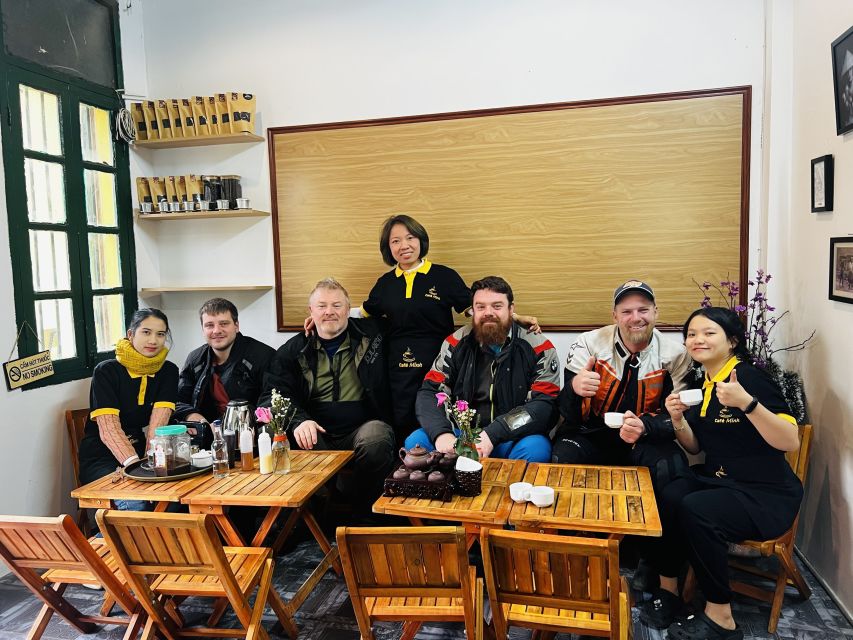
The useful detail is that the class takes place in a quieter central spot away from the heaviest traffic. You can meet your teacher inside, prepare the ingredients, and later sit on the balcony or in the open-front sidewalk area with your drinks.
This location works well on a rainy morning or during a hot afternoon when you want a break from walking. One person specifically found the class a good rainy-day activity, and that is a fair description. You get shelter, a seat, conversation, and several drinks without giving up half a day.
The café is also a practical place to buy coffee ingredients or equipment for home. Coffee beans and other making materials are available, and one participant received a phin filter as a gift. Check what is included in your chosen option, since the small gift is not always clearly described.
What happens during the coffee class
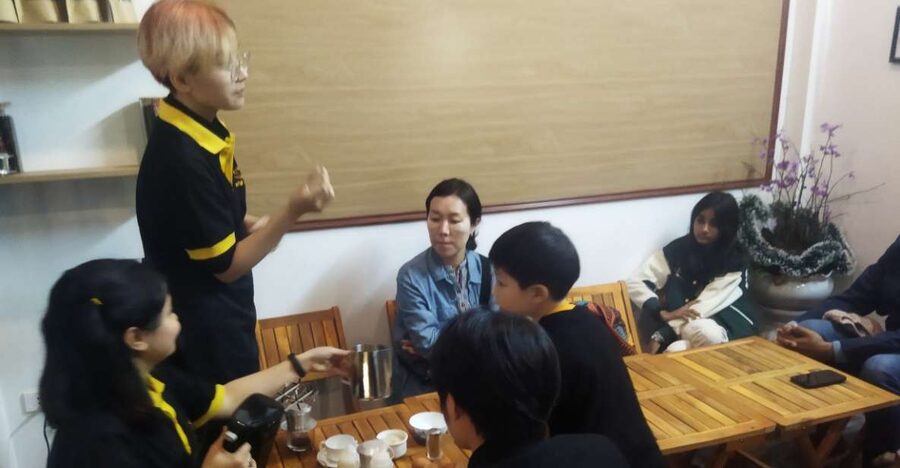
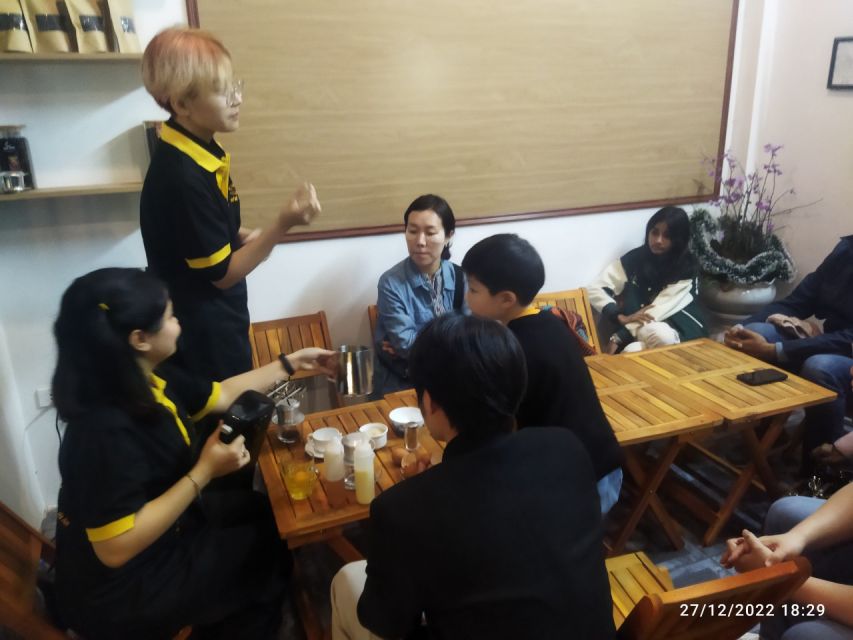
The class begins with an introduction to Vietnamese coffee, its place in local culture, and the basic equipment. The teacher then lays out the ingredients and takes you through each drink step by step.
The traditional phin filter is central to the lesson. This small metal brewer sits over the cup and lets the coffee drip slowly. You learn how to prepare the coffee and how the condensed milk changes the final taste in different recipes.
The exact timetable is flexible. The activity is advertised as lasting from one to four hours, with starting times depending on availability. Actual sessions described by participants range from a short one-hour class to about two and a half hours.
That variation matters when you plan your day. If you want a quick introduction before sightseeing, the shorter format can work well. If you want a relaxed conversation and several recipes, allow closer to two or three hours.
The teacher demonstrates the method, then you prepare your own drinks. Most people find the instructions easy to follow, and the small-group setup gives you room to ask questions. If you are alone at your chosen time, you may get a private class at no extra effort.
One useful point is that the class is not always equally hands-on at every stage. Some participants wanted to whip the egg and coffee mixture themselves rather than watch part of that process. If practice matters more to you than simply tasting the result, ask your teacher to let you handle each step.
The coffee menu: egg, milk, salt, and coconut

The famous egg coffee is the main event. You work with the egg mixture, combine it with strong coffee, and taste the balance between bitterness and sweetness. It is labor-intensive compared with ordering one at a café, but that is also what makes it satisfying when the texture comes together.
The Hanoi-style milk coffee is described as espresso-strength coffee with several small details that make it work. It is a good lesson in proportion. Vietnamese coffee can taste intense, so the amount and type of condensed milk matter.
You may also prepare a Saigon-style milk coffee. This version is sweeter than the Hanoi style and includes three small additions that the class treats as a secret. The contrast gives you a simple way to understand the difference between northern and southern coffee habits.
Many recent sessions include salt coffee and coconut coffee as well. Salt coffee sounds odd until you taste it. The salt is not meant to make the drink salty. It changes the balance and can soften the bitter edge of strong coffee.
Coconut coffee is sweeter and more dessert-like. It has been a favorite for several people, while others preferred the egg coffee. You may also encounter black, white, and brown coffee, depending on the class format.
The key point is to check the option before you book if one particular recipe matters to you. One person expected salt and coconut coffee but received instructions for making them later through WhatsApp. Other sessions included all three, or four, drinks in person.
Same trip, a completely different kind of day:
- Hanoi Jeep Tour: Food, Culture and Fun by Vietnam Army Jeep
★ 5.0 · 15,222 reviews - Hanoi: Water Puppet Show Tickets
★ 4.6 · 7,029 reviews - Hanoi Motorbike Tour: Food, Culture and Fun by Vintage Motorbike
★ 5.0 · 6,699 reviews - Hanoi: Guided Food Tour with Train Street Visit
★ 4.9 · 6,239 reviews
Teachers, language, and the social side of the class

The teaching is one of the strongest parts of this experience. The instructors use English and Vietnamese, and the most praised teachers are described as patient, funny, clear, and generous with local tips.
Hai is repeatedly singled out for his English, coffee knowledge, and lively explanations of Hanoi. Ha is praised for explaining four coffee styles carefully and for helping people feel comfortable with the process. Lena brings humor and stories about Vietnam, language, and coffee.
Ashley has taught the class to several people and is praised for her clear explanations. Ruby, Chloe, Paul, Bo, Lilith, Lucy, and others are also mentioned as friendly and helpful teachers.
You may get restaurant suggestions, café recommendations, and ideas for places to visit after the class. That extra conversation is useful because it gives the experience a local, personal feel rather than making it a fixed demonstration.
The group size is private or small. That is a real advantage for beginners. You can ask why a particular coffee tastes bitter, how to adjust the sweetness, or what equipment to buy at home without waiting behind a large group.
The one limitation is consistency. Different teachers may emphasize different recipes, and the advertised lesson can cover three or four drinks. The experience depends partly on the person leading your session and how busy the class is.
How much coffee will you drink?

You should take the caffeine seriously. Vietnamese coffee is strong, and tasting three or four drinks in one sitting can add up quickly. One person described feeling their heart race after trying the egg, salt, and coconut coffees.
If you are sensitive to caffeine, ask about smaller portions or plan the class earlier in the day. The information provided does not promise decaffeinated coffee or substitutions, so do not assume those are available.
The sweetness also varies. Egg, condensed-milk, coconut, and salt coffee are not plain black coffee experiences. You are tasting a set of distinctive preparations, and the class works best if you enjoy sweet drinks as well as strong coffee.
Still, tasting several versions is valuable. You learn how the same basic brewed coffee can become a breakfast drink, a dessert, or a slow afternoon treat with only a few added ingredients.
Is the $12 price good value?

At $12 per person, this is one of the easier Old Quarter activities to justify. You get an English-speaking teacher, ingredients, equipment, several drinks, cultural background, and a small gift. Some sessions also provide a digital recipe book.
The strongest value comes from the skill you take home. A café visit gives you one egg coffee. This class can show you how to make egg coffee, milk coffee, salt coffee, and coconut coffee for friends later.
The price is especially fair if you receive a private session because nobody else books your time slot. You still need to remember that extra food, extra drinks, personal purchases, and take-home materials are not included.
The gift should also be treated as a bonus, not a guarantee of a particular item. One person expected a gift and did not notice receiving one, while another received a phin filter. If that detail matters to you, ask at the start.
Who will enjoy this experience most?
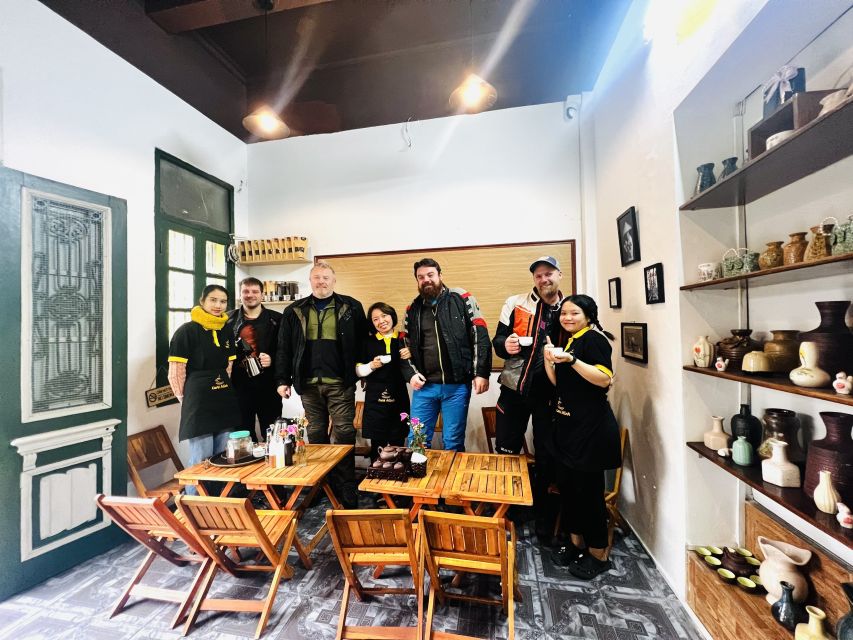
I would recommend the class to coffee drinkers who want a cultural activity with a useful result. It suits first-time visitors who want an easy introduction to Hanoi’s café traditions, as well as people who already enjoy Vietnamese coffee and want to reproduce it at home.
It is also a good choice for couples, families with older children, and small groups of friends. The instructions are simple enough for beginners, and the social format makes it less formal than a cooking school.
The class can be a smart rainy-day plan or a gentle first activity after arriving in Hanoi. It does not require a full-day commitment, and the Old Town location makes it easy to continue on foot afterward.
It is less suitable if you dislike sweet drinks, cannot tolerate strong caffeine, or want a fast tasting with no preparation. People with mobility impairments should also note that the activity is not considered suitable for them. Pets are not allowed.
Practical details that affect your decision

Choose your time carefully. The class can take about an hour, but some sessions run for two and a half hours or longer. If you are booking another activity soon after, allow extra time for conversation and tasting.
The meeting point may vary by the option you select, so check your booking details rather than relying only on the café address. The main location is Cafe Minh, but the supplied information notes that meeting points can differ.
Cancellation is flexible: you can cancel up to 24 hours in advance for a full refund. You can also reserve now and pay later, which helps if your Hanoi schedule is still shifting.
The class is offered in English and Vietnamese. If you want a particular teacher, such as Hai, Ha, Lena, or Ashley, no guarantee is given that person will lead your session. The teaching quality is generally a strength, but instructor assignments can change.
Should you book the Hanoi Egg Coffee Class?
Book it if you want to do more than order egg coffee once. For $12, you get an approachable lesson in Vietnamese coffee culture, several tastings, and recipes you can use at home.
I would choose a longer time slot if you want the full social experience and several recipes. Choose a shorter slot if your main goal is to learn egg coffee quickly before exploring the Old Quarter.
Check the selected option for the exact drinks, confirm the meeting point, and tell the teacher if you want to perform every step yourself. With those expectations set, this is a small, useful, good-value Hanoi activity that leaves you with both a caffeine boost and a new party trick.
FAQ
Where is the Hanoi Egg Coffee Class held?
The main location is Cafe Minh at 53 Lương Ngọc Quyến Street, only a few meters from Ta Hien Beer Street in Hanoi’s Old Quarter. The meeting point can vary depending on the option booked.
How much does the class cost?
The listed price is $12 per person.
How long does the class last?
The activity is listed as lasting from one to four hours. Specific sessions described in the activity information range from about one hour to two and a half hours.
Which coffees can I learn to make?
Depending on the option, you may prepare egg coffee, Hanoi-style milk coffee, Saigon-style milk coffee, salt coffee, coconut coffee, black coffee, white coffee, or brown coffee. The exact selection can vary.
Is the class taught in English?
Yes. Instruction is available in English and Vietnamese, and an English-speaking teacher leads the class.
Will I get a private class?
Private and small-group options are available. If nobody else books your time slot, you may receive a one-on-one class.
Are ingredients and equipment included?
Yes. Ingredients and equipment for the class are included. Additional food, drinks, personal expenses, and optional take-home purchases are not included.
Do I receive recipes or a gift?
A small gift is included in the activity information, and some sessions provide a digital recipe book. The exact gift may vary.
Can I cancel the booking?
Yes. You can cancel up to 24 hours in advance for a full refund. Reserve now and pay later is also available.
More Workshops in Hanoi
- Hanoi: Handcrafted Wood Carving Workshop with Local Artisan
★ 5.0 · 733 reviews - Bat trang Pottery Ceramics Class in Hanoi’s Old Quarter | VN
★ 4.9 · 240 reviews - Ha Noi Egg Coffee Class
★ 5.0 · 227 reviews - Hanoi Coffee Class learning 5 famous coffee in Hanoi
★ 5.0 · 161 reviews
Just added around Hanoi
- Private Crowd Free Hanoi: Morning Highlights of the City Experience★ 4.5 · 124 reviews
- Hoa Lo Prison and Little Paris Tour in Hanoi (French Quarter)★ 5.0 · 20 reviews
- Hanoi’s Old Quarter Street Food Experience and Train Street★ 5.0 · 22 reviews
- Old Quarter Food Tour in Hanoi★ 5.0 · 104 reviews
- Retro Hop-on-hop-off Bonbon City Tour: Classic Package★ 4.0 · 32 reviews
- [Hi-end] Private Hanoi Street Food Tour With Real Foodie★ 5.0 · 154 reviews
- Hanoi Street Food Tour★ 5.0 · 27 reviews
- Hanoi Street Food Tour with egg coffee making★ 5.0 · 22 reviews
Coffee Experiences, compared.

Vietnamese Coffee Culture and Coffee Making Class
Read our review →
Hanoi Coffee Experience: 6 Brews, 9 Recipes & 3 Liquor Tastings
Read our review →
Early Morning My Son Sanctuary Trip w. Champa Food & Coffee
Read our review →
Da Nang Cooking Class with Coffee Tasting and Market Visit
Read our review →
Fun & Easy Vietnamese Coffee Workshop in Hồ Chí Minh City
Read our review →
Hanoi Cooking Class: Pho/Bun Cha/Banh Xeo…+Free Egg/Salt Coffee
Read our review →
Coffee Farm Tour with Roasting & Tasting Workshop – Da Lat
Read our review →
Experience specialty coffee with sustainable coffee farmers
Read our review →Browse the lists this tour appears in