
Reviewed · COFFEE EXPERIENCES
Hanoi Cooking Class: Pho/Bun Cha/Banh Xeo…+Free Egg/Salt Coffee
Hanoi’s Rose Kitchen turns a simple cooking lesson into a small cultural outing. You choose one Vietnamese dish, prepare it with hands-on help, and finish with a Hanoi-style coffee in a quiet villa away from the city’s noise. The menu covers phở, bún chả, bánh xèo, chả cá, spring rolls, and vegetarian versions.
I like the choice built into the class. You can tackle a famous bowl of phở, learn the art of grilled pork for bún chả, or make bánh xèo, a crisp pancake that brings a little drama to the stove. I also like the warm personal touch: guides such as Simon, whose Vietnamese name is Tín, bring cooking skill, language practice, and stories to the table.
The main consideration is time. Two hours is enough to cook one dish well, but not enough to make a full Vietnamese feast. The meeting point is also in Ba Đình rather than Hanoi’s Old Quarter, so allow time to reach 7/32, lane 173/75 Hoàng Hoa Thám.
Key points to know before booking
- One dish, not a full menu: Choose phở, bún chả, bánh xèo, spring rolls, or chả cá, with vegetarian choices available.
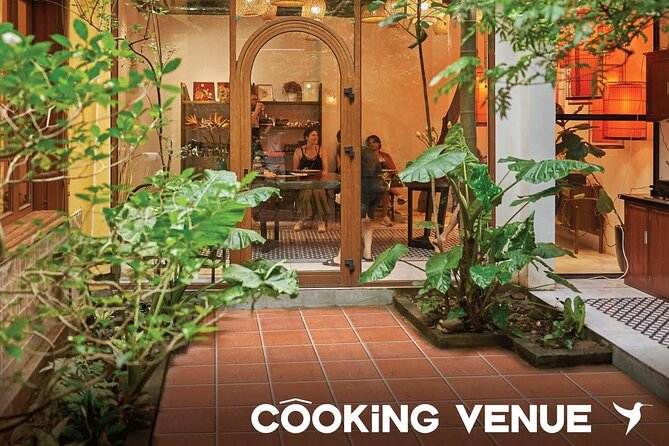
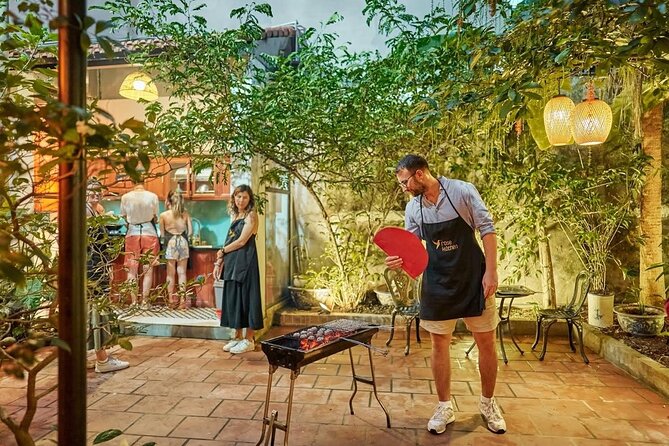
- A villa setting: The class takes place at Rose Kitchen Cooking Class in a peaceful local home with air conditioning.
- Coffee is part of the lesson: Finish with one complimentary egg, coconut, salt, brown drip, or black coffee.
- Simon may lead the class: His Vietnamese name is Tín, and he has culinary training in Paris and some French-language ability.
- Practical extras add value: Herbal tea, a digital food guide, luggage storage for up to three days, and a digital certificate on request are included.
- A socially minded class: The initiative offers stable, respectful roles to elder women from small rural towns.
A quiet villa start in Ba Đình

Rose Kitchen Cooking Class is at 7/32, lane 173/75 Hoàng Hoa Thám, in Hanoi’s Ba Đình district. The class ends at the same place, and mobile tickets make the arrival process simple.
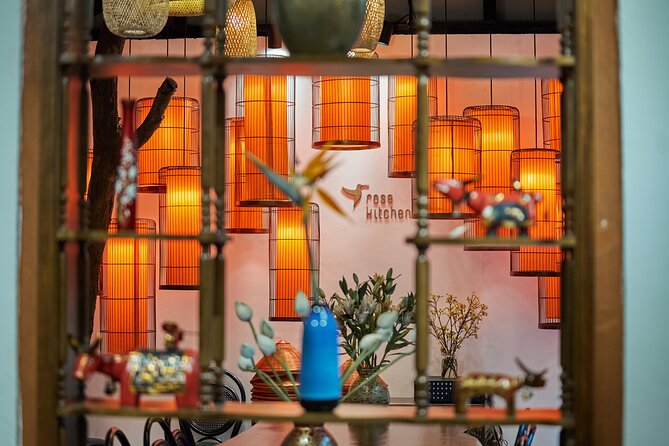
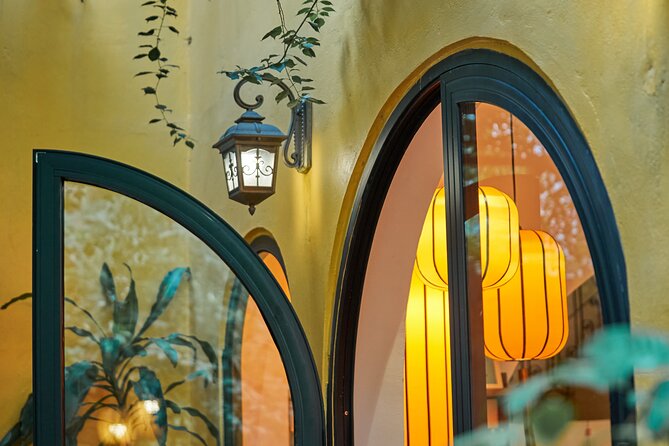
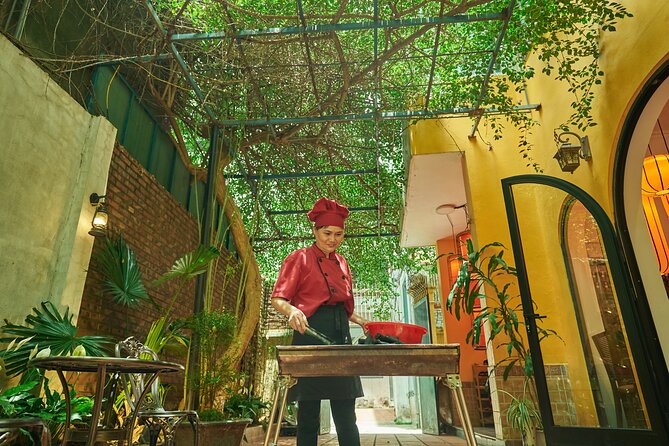
This is not a grand restaurant or a polished hotel kitchen. That is part of the appeal. The setting is described as a family-run villa, with a homey feel and a calmer pace than you may find in central Hanoi. Air conditioning matters here, especially if you are cooking over heat during a warm afternoon.
You begin with complimentary herbal tea before moving into the cooking activity. The tea gives the class a gentle start, while the guide introduces the dish and the ingredients. The focus is not only on following measurements. You also learn why certain herbs, sauces, spices, and cooking methods matter in Vietnamese food.
The location brings one practical tradeoff. If you are staying around Hoàn Kiếm Lake, this is not necessarily a walk around the corner. You can reach the area by public transportation, and the meeting point is near transit, but you should check your route before the start time. The activity lasts about two hours, so arriving late could cut into the part you came to learn.
More Coffee Tours in Hanoi
- Hanoi Coffee Experience: 6 Brews, 9 Recipes & 3 Liquor Tastings
★ 5.0 · 2,945 reviews - Hanoi Coffee Workshop: Taste Salt, Coconut and Egg Coffee
★ 5.0 · 1,286 reviews - Hanoi: Salt Coffee Workshop Awake Your Senses With 6 Brews
★ 5.0 · 792 reviews
Picking the right dish for your appetite
The best choice depends on what you want to take home from the class. Since you prepare only one main dish, choose carefully rather than picking the most famous name automatically.
Phở bò or phở gà
Phở is the obvious choice if you want to understand Vietnam’s most famous noodle soup. You can choose beef or chicken, then work through the ingredients and techniques behind the broth, noodles, herbs, and seasonings.
This option suits you if you want a dish that connects clearly with Hanoi food culture. It may also be the most useful lesson for recreating a Vietnamese meal later. The one limitation is that a truly developed broth can take far longer than a two-hour class, so the workshop focuses on preparation and technique rather than a long restaurant-style stock process.
Bún chả
Bún chả gives you a closer look at one of Hanoi’s signature meals. The dish brings together grilled pork, rice noodles, herbs, and dipping sauce, with the balance between sweet, salty, sour, and savory flavors doing much of the work.
I would pick bún chả if you want an active class with several parts to assemble. One participant had a one-on-one session making bún chả with Simon, who was described as engaging and able to discuss his culinary training in Paris. A private session is not guaranteed, but the class can apparently be personal when attendance is small.
More Cooking Classes in Hanoi
- Hanoi Cooking Class: Culture, Local Market & Meaning CSR Impact
★ 5.0 · 5,147 reviews - 5 Traditional Dishes Hanoi Cooking Class with Market Trip
★ 5.0 · 4,890 reviews - Vietnamese Food Cooking Class in Hanoi with Market Experience
★ 5.0 · 778 reviews - Hanoi: 5 Local Dishes Cooking Class with Meal & Market Visit
★ 5.0 · 420 reviews
Bánh xèo
Bánh xèo is the most playful option. This crisp, sizzling pancake of southern Vietnam requires attention at the pan, and making it gives you a clear sense of texture and timing.
Pick this dish if you enjoy the hands-on part more than the soup-making side. It is also a good choice for a group with mixed cooking confidence because the process is easy to see and the final result is immediate. You should still expect guidance, since getting the pancake crisp without making it too heavy takes some care.
Nem rán and gỏi cuốn
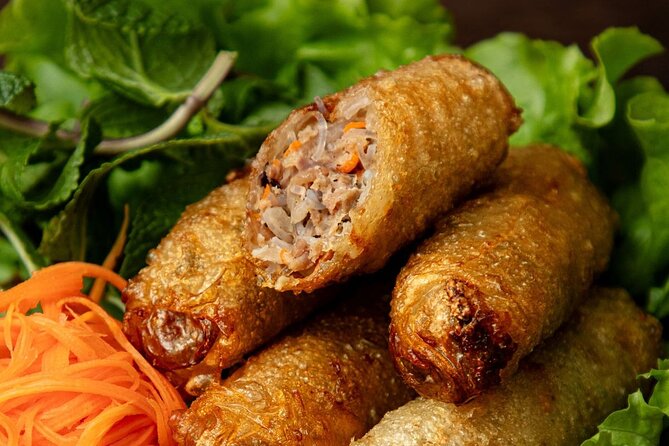
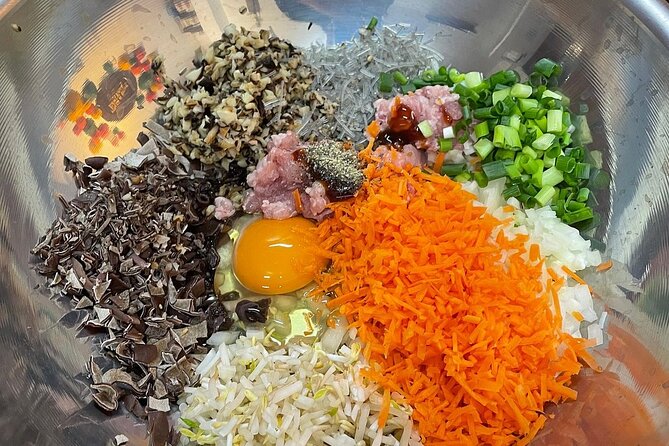
Nem rán is Hanoi-style fried spring rolls. You work with a filling, wrappers, and the frying process, then serve the rolls with the appropriate accompaniment.
Gỏi cuốn, or fresh spring rolls, offer a lighter route. Herbs, fillings, wrapping, and dipping sauce all matter, so this is less about high heat and more about neat preparation. Vegetarian versions are available for these dishes as well as the rest of the menu.
These choices suit you if you prefer small bites or want to focus on Vietnamese herbs and sauces. They may feel less substantial than phở or bún chả if you arrive very hungry, although the class includes a meal as part of the activity.
Chả cá Lã Vọng
Chả cá Lã Vọng features Vietnamese grilled fish with dill. It offers something different from the better-known noodle soups and spring rolls, especially if you want to learn about Hanoi’s fish dishes.
The menu description does not specify the fish used or every side served, so ask your guide about the day’s ingredients if that matters to you. Vegetarian options are available across the menu, but you should still confirm the most suitable version when choosing.
How the two hours unfold
The class is built around preparing one main dish from start to finish. You receive instruction from an English-speaking local Culture Storyteller, a useful title because the teaching includes food customs, memories, and the meaning behind ingredients.
You should expect to handle the food rather than watch a chef perform everything. The point is to prepare the dish step by step, with help on chopping, mixing, seasoning, cooking, and assembly as needed. That hands-on format makes the class more useful than a simple demonstration if you hope to repeat the dish at home.
A notable detail from Simon’s sessions is that he has taken the group to a market to buy ingredients after the menu was chosen. He also used the walk to teach basic Vietnamese greetings and how to ask for prices. This market visit is not listed as a guaranteed part of every two-hour booking, so treat it as a possible extra rather than a promise. If it is offered, it adds a valuable piece of everyday Hanoi life to the cooking lesson.
The pace can change with attendance. The activity allows up to 100 people, but a maximum is not the same as a typical class size. One session was one-on-one, while another account describes a family-style setting. Ask about the expected group size if personal instruction is important to you.
Stories behind the herbs and sauces
Vietnamese food can look simple on the plate, but its balance depends on small choices. The guide explains the role of herbs, spices, noodles, dipping sauces, and cooking methods rather than treating the recipe as a fixed list of steps.
That cultural context is one of the strongest reasons to book this class. You learn not only what to add, but why the dish tastes the way it does. A spring roll becomes a lesson in texture and wrapping. Bún chả becomes a study in grilled meat, noodles, herbs, and sauce. Phở shows how a few familiar ingredients depend on careful balance.
Simon’s background adds another useful layer. He is described as having culinary training in Paris and speaking some French, which may be a pleasant bonus if you speak French or enjoy comparing cooking traditions. Other instructors may lead the class, so do not book on the assumption that Simon will always be present.
The community side also gives the class a wider purpose. The initiative offers stable, dignified work to elder women from small rural towns. Their participation brings lived food knowledge and a personal connection to Vietnamese home cooking. You are still paying for a practical class, but your booking also supports that employment effort.
Coffee choices that finish the lesson
After cooking, you choose one complimentary Vietnamese coffee. This is not just a free drink added to the booking. It gives you a short introduction to a distinctive part of Hanoi’s café culture.
Egg coffee is creamy and sweet, with a dessert-like character. Choose it if you want the city’s best-known specialty. Coconut coffee is softer and tropical, while salt coffee brings a salty creaminess and a modern Hue influence. For a more direct taste of Vietnamese coffee, choose café nâu or café đen, made with a strong drip.
The coffee choice is a nice way to end the session because it lets you compare the cooking experience with another everyday food tradition. You can also use the time to ask final questions or note the recipe details before leaving.
What the $19 price really covers
At $19 per person, this is a strong-value activity if you want more than a meal. The price includes the lesson, the food you prepare, an experienced English-speaking guide, welcome herbal tea, one complimentary coffee, and use of the air-conditioned setting.
You also receive access to a digital guidebook covering local foods and favorite hangouts. That can be useful after class, especially if you want to keep exploring Hanoi’s food scene without joining another organized activity. A digital certificate is available on request, though its value depends on whether you enjoy collecting travel mementos.
Luggage storage for up to three days is another practical benefit. It may help if you are changing accommodation or leaving Hanoi soon after the class. The provider also offers 20 percent off other hands-on cultural experiences, which matters mainly if you plan to book more than one activity.
The meal itself is part of the experience, but the exact serving details are not spelled out. Personal souvenir costs and other fees not clearly stated are excluded. At this price, you are paying primarily for instruction, food, cultural explanation, and the setting, not for a long market tour or a multi-course banquet.
Who will enjoy this class most
I would recommend Rose Kitchen to you if you want direct contact with Vietnamese food and do not need a long restaurant meal. It suits first-time cooks, couples, families, solo participants, and anyone who likes learning by doing.
It is also a good fit for people with a specific food goal. Choose phở if you want soup, bánh xèo if you want a lively pan-based dish, bún chả if you want a classic Hanoi meal, or gỏi cuốn if you prefer something lighter and herb-focused.
Vegetarian participants have options across the menu, which makes it easier for a mixed group to book together. The air conditioning and indoor villa setting are useful for anyone who wants a break from Hanoi’s heat and traffic.
I would be more cautious if you want to cook several dishes, spend hours in a market, or receive a full professional culinary course. The session is short and focused. Its strength is the personal introduction to one dish, not the range of a full-day workshop.
The cancellation terms are fair but firm. You receive a full refund if you cancel at least 24 hours before the start time. Changes or cancellations inside that window are not refunded, and poor weather or failure to meet the minimum number of participants may lead to another date, another activity, or a full refund.
Should you book Rose Kitchen?

Book this class if you want a reasonably priced, hands-on introduction to Vietnamese cooking in a calmer home setting. The strongest reasons are the choice of one iconic dish, the cultural stories behind the ingredients, and the coffee finish.
Choose your dish before you arrive, allow time to reach Ba Đình, and ask about the expected group size if you want close instruction. If you value a personal guide, Simon’s style, culinary background, and possible market outing make him a particularly appealing instructor, though he is not guaranteed.
Skip it if your priority is a broad cooking tour with many recipes or a long market expedition. For most people seeking an authentic taste of Hanoi food culture without spending half a day or much money, Rose Kitchen offers a focused and worthwhile class.
FAQ
How long does the Hanoi cooking class last?
The class lasts approximately two hours.
Where does the cooking class meet?
It meets at Rose Kitchen Cooking Class, 7/32, lane 173/75 Đ. Hoàng Hoa Thám, Ngọc Hồ, Ba Đình, Hanoi 10000, Vietnam.
Where does the activity end?
The activity ends back at the meeting point.
How much does the class cost?
The listed price is $19 per person.
Which dishes can I choose to cook?
You can choose bánh xèo, nem rán, gỏi cuốn, bún chả, chả cá Lã Vọng, phở bò, or phở gà.
Are vegetarian options available?
Yes. Vegetarian options are available for all listed dishes.
Which coffee is included?
You can choose one complimentary coffee: egg coffee, coconut coffee, salt coffee, café nâu, or café đen.
Is a guide included?
Yes. An experienced English-speaking local Culture Storyteller is included.
Is luggage storage available?
Yes. Complimentary luggage storage is available for up to three days.
Can I cancel for a full refund?
Yes, if you cancel at least 24 hours before the experience start time. Cancellations within 24 hours are not refunded.
Just added around Hanoi
- Private Crowd Free Hanoi: Morning Highlights of the City Experience★ 4.5 · 124 reviews
- Hoa Lo Prison and Little Paris Tour in Hanoi (French Quarter)★ 5.0 · 20 reviews
- Hanoi’s Old Quarter Street Food Experience and Train Street★ 5.0 · 22 reviews
- Old Quarter Food Tour in Hanoi★ 5.0 · 104 reviews
- Retro Hop-on-hop-off Bonbon City Tour: Classic Package★ 4.0 · 32 reviews
- [Hi-end] Private Hanoi Street Food Tour With Real Foodie★ 5.0 · 154 reviews
- Hanoi Street Food Tour★ 5.0 · 27 reviews
- Private Tour: Hanoi Street Foods – Train Street – Hidden Gems★ 5.0 · 24 reviews
Coffee Experiences, compared.

Vietnamese Coffee Culture and Coffee Making Class
Read our review →
Hanoi Coffee Experience: 6 Brews, 9 Recipes & 3 Liquor Tastings
Read our review →
Early Morning My Son Sanctuary Trip w. Champa Food & Coffee
Read our review →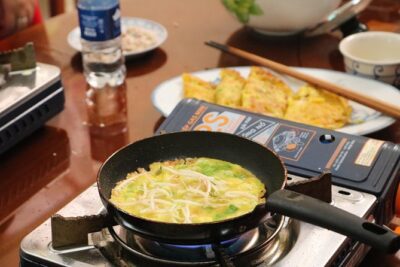
Da Nang Cooking Class with Coffee Tasting and Market Visit
Read our review →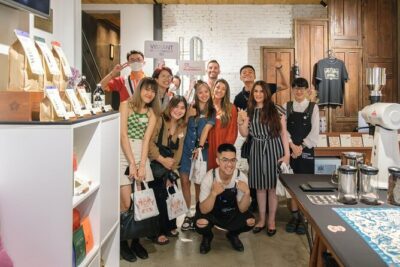
Fun & Easy Vietnamese Coffee Workshop in Hồ Chí Minh City
Read our review →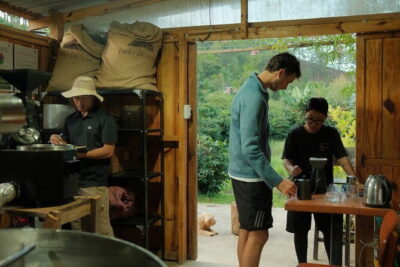
Coffee Farm Tour with Roasting & Tasting Workshop – Da Lat
Read our review →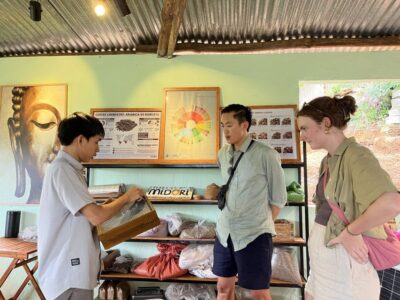
Experience specialty coffee with sustainable coffee farmers
Read our review →Dalat Countryside Motorbike Day Tour–Coffee Farms & Pagodas
Read our review →Browse the lists this tour appears in