
Reviewed · COFFEE EXPERIENCES
Hoi An: Vietnamese Coffee Culture and Coffee Making Class
Vietnamese coffee is not just strong coffee poured over condensed milk. In this lively Hoi An workshop, you learn why the little metal Phin filter matters, how dark roasting shapes the flavor, and why egg coffee takes more care than its dessert-like finish suggests. I like the hands-on format and the clear link between coffee, family business, and Vietnamese culture.
I also like the price: $14 for two hours includes the ingredients, tools, tea, cookies, guide, and several drinks. Tan and Le bring plenty of humor to the class, which helps the history and techniques stick. The one thing to consider is the caffeine. Five small coffees can add up quickly, so eat first and choose an earlier session if coffee keeps you awake.
Key points to know before booking
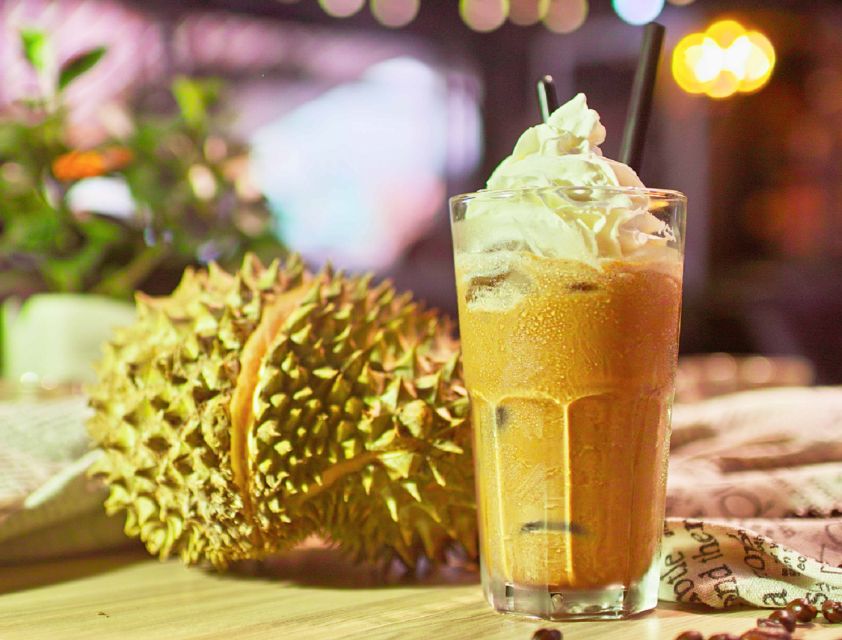
- Five coffee styles are prepared in practice: black, white, Hue Imperial salt, coconut, and Hanoi egg coffee.
- The Phin filter is the star tool: you learn the slow drip method and how it creates a heavy, concentrated cup.
- Tan and Le keep the class playful: expect jokes, music, simple demonstrations, and a relaxed family-run setting.
- You get useful take-home material: recipes, brewing skills, and, according to class participants, a small Phin filter or gift.
- The group is limited to 10 people: that gives you a better chance to follow each step and ask questions.
- The workshop is in a lantern-decorated venue: look for the board marked COFFEE MAKING WORKSHOP.
A two-hour introduction to Hoi An coffee culture
This class makes sense because coffee in Vietnam is both a drink and a social habit. Cafés are part of daily life, and the preparation tells you something about local tastes: strong beans, slow brewing, sweet condensed milk, and creative additions such as coconut, salt, and whipped egg.
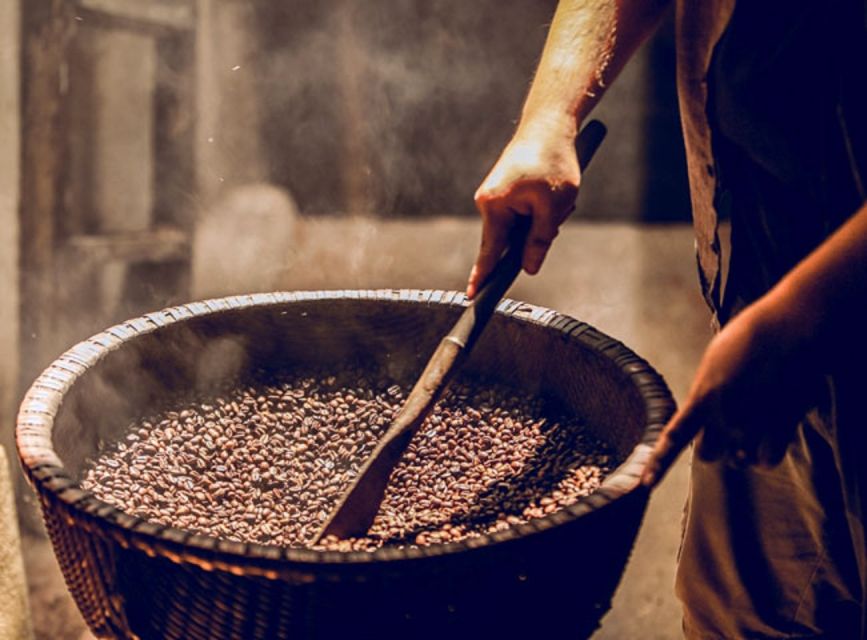
You begin with a cup of herbal tea while the instructor sets the scene. The introduction covers how coffee reached Vietnam, how local café culture developed, and how the drink moved from crop to cup. This is not a farm visit, so you will not see coffee growing or roasting in the field. Instead, you get a practical explanation of the process and then work with the finished ingredients yourself.
I appreciate that order. Without the background, the recipes could feel like a string of sweet drinks. With it, the class gives you a reason to notice the beans, the filter, the roast, and the balance between bitterness and sweetness.
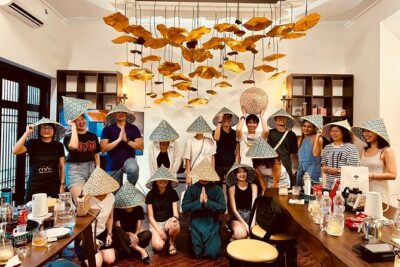
The setting also helps. The venue is decorated with silk lanterns, and the music and casual atmosphere keep the session from feeling like a formal lecture. The family connection adds another personal layer, since the coffee used in the workshop is described as coming from the family business and, in some accounts, from their grandfather’s farm.
More Coffee Tours in Hoi An
- Vietnamese Culture and Coffee Making Class
★ 5.0 · 497 reviews - Hoi An: Vietnamese Coffee Making Workshop at Local Roastery
★ 4.8 · 174 reviews - Hoi An: Lantern and Coffee Making Class
★ 5.0 · 154 reviews
Learning the Phin filter from crop to cup
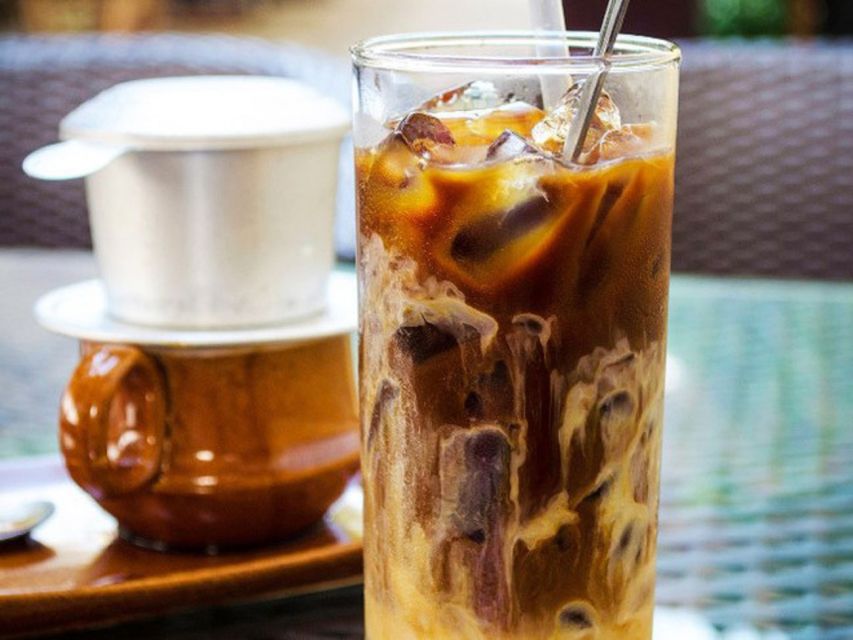
The Phin is a small metal filter that sits directly over your cup. It is simple, compact, and slower than a standard espresso machine. You add coffee, fit the filter pieces, pour in water, and wait as the brew drips through.
That wait matters. Vietnamese coffee is often intense because the brew is concentrated and the beans are roasted dark. The Phin gives you control over the pace and amount of water, and the instructor explains how the method creates the full flavor used in the recipes.
You also hear about roasting. Dark beans are prepared to work with sweetened condensed milk, which is why Vietnamese coffee can taste both bitter and almost caramel-like. The class does not treat condensed milk as a random topping. It is part of the drink’s basic structure.
The useful lesson is that you can repeat the method at home. You are not simply watching a barista make a drink. You handle the tools, see how the drip works, and learn proportions that can be used again. A few class participants also received or took home a small Phin filter, and recipes are provided or available to photograph, giving you a practical way to recreate the drinks.
The five coffees you prepare

The supplied activity description refers in one place to four styles, but the detailed recipe list and repeated class descriptions point to five coffees. That is the number you should expect: black coffee, white coffee, Hue Imperial salt coffee, coconut coffee, and Hanoi egg coffee.
Black Vietnamese coffee
This is the clearest way to understand the base brew. Without milk or other additions, you taste the dark roast and the strength of the Phin coffee directly.
For anyone who usually drinks mild coffee, this may be the most useful comparison. It shows why the later recipes need sweet, creamy, salty, or coconut elements. You learn the foundation before adding the extras.
Same trip, a completely different kind of day:
- Hoi An: Basket Boat Ride in the Coconut Forest
★ 4.9 · 4,956 reviews - Hoi An: Vietnamese Foldable Lantern Making Class
★ 4.9 · 3,742 reviews - Cooking Class Hoi An:Local Market, Basket Boat, Fishing & Cooking
★ 5.0 · 3,660 reviews - Hoi An Cooking Class(Market,BasketBoat Crabfishing&Cooking Class)
★ 5.0 · 3,386 reviews
Happy white coffee
White coffee uses the familiar combination of strong Phin coffee and sweet condensed milk. It is one of the drinks most closely associated with Vietnamese café culture, and it shows how condensed milk softens the bitterness without hiding the coffee completely.
The class explains how to mix the two, and you taste the result as part of the sequence. The recipe is easy to remember, which makes it a good first drink to prepare at home.
Hue Imperial salt coffee
Salt coffee may sound odd until you taste what a small amount of salt does to bitterness. The Hue style uses salt with coffee and a creamy element, creating a drink that is less about saltiness than balance.
This is one of the more interesting recipes because it gives you a simple flavor lesson. Too much salt would dominate, but the right amount rounds the coffee. The workshop gives you a chance to see that adjustment rather than just ordering the finished drink in a café.
Coconut coffee
Coconut coffee adds a cooler, sweeter, more dessert-like direction. The coconut changes the texture as well as the flavor, making this a good contrast with the black and white versions.
You should expect the drinks to be small tasting portions rather than five full café servings, but the total is still a lot of coffee. If you are sensitive to caffeine, take small sips and do not feel obliged to finish every cup quickly.
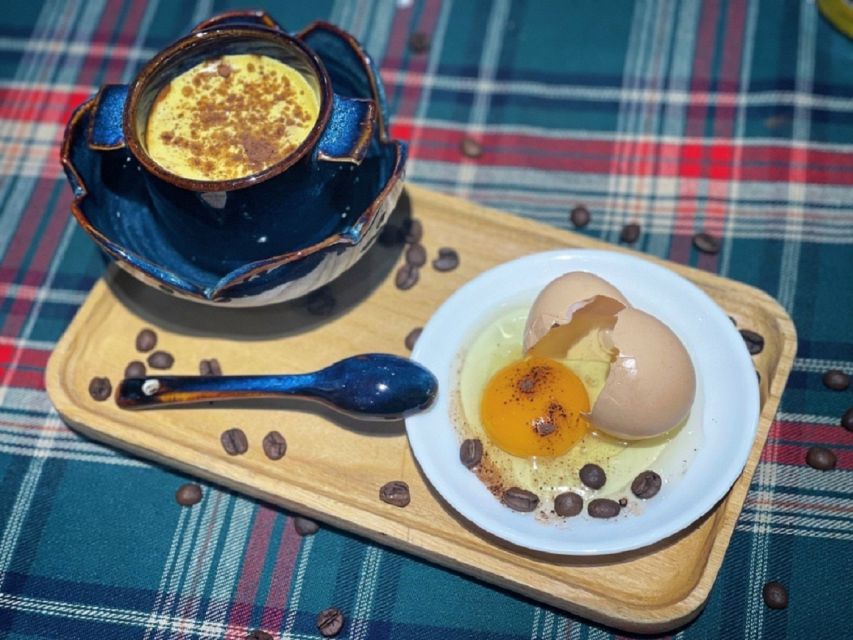
Hanoi egg coffee
Egg coffee is the class finale for many people. Its creamy topping can look more like a dessert than a drink, but it still rests on the same concentrated coffee base.
The instructor explains why preparation takes time. The egg mixture needs to be whipped into a smooth, light cream before it sits over the coffee. That background makes the final texture more meaningful, and it helps explain why ordering egg coffee in a café may involve a wait.
For a vegan booking, check the details carefully. One participant specifically noted that there is no vegan substitute for the egg, although non-dairy milk is used. That means the vegan option may work for someone avoiding dairy, but not for someone who wants a fully egg-free version.
Why Tan and Le make the class work
The guides, including Tan and Le, are a big part of the experience. Their role is not limited to measuring ingredients. They explain the coffee history, demonstrate the techniques, keep the group moving, and create the easy banter that makes strangers talk to one another.
That humor is useful, not just entertaining. A two-hour class with several recipes could become repetitive if every step were delivered in the same serious tone. The playful teaching style keeps the pace lively, while the small-group format lets you follow along rather than sit at the back watching someone else do everything.
The guides also explain the family side of the business and the source of the coffee. That gives the session a local face. You are not simply attending a generic cooking lesson with Vietnamese labels attached.
English and Vietnamese are spoken, and an English audio guide is included. The descriptions indicate that the instruction is designed for English-speaking participants, while the bilingual format reflects the local setting.
What the atmosphere and group size are like
The workshop holds up to 10 people, which is a useful limit for a practical class. You need room to handle the filter, mix the ingredients, and see the demonstrations. A larger group could make the class feel like a show rather than a lesson.
The silk lantern decoration gives the venue a distinctly Hoi An look. You find the place by looking for the board marked COFFEE MAKING WORKSHOP, rather than relying on hotel pickup.
There is no hotel transfer included, so you need to make your own way to the meeting point. That is a small consideration, but it matters if you are staying outside central Hoi An or planning a tightly packed day.
The music, cookies, and herbal tea make the room feel informal. At the end, you sit with the coffee you made and a cookie while the class winds down. This is a social activity, so it suits you best if you enjoy talking with other people and learning through demonstration.
Is $14 good value?

Yes, the price is strong for what is included. At $14 per person, you receive two hours of instruction, ingredients, use of the brewing tools, tea, cookies, a local guide, and five different coffee preparations in practice.
You also leave with something more useful than a single tasting. The Phin method can be repeated at home, and the recipes give you a way to make the drinks again. Some participants also received a small take-home gift or filter, though you should confirm exactly what is included when booking because the formal inclusions list does not specify the gift.
The value is especially good for coffee drinkers who would otherwise spend several café visits sampling the same styles. You get the drinks plus the explanation behind them. If you are not interested in coffee, the price is still reasonable for a cultural workshop, but the caffeine load may make the experience less appealing.
Do not judge the value by expecting a full meal. Cookies are included, but this is a tasting class, not a food tour. Eat beforehand if you know caffeine affects you, and treat the drinks as samples rather than refreshments to gulp down.
Timing, comfort, and practical details
The activity lasts two hours, with start times depending on availability. An earlier session may suit you better if you want to enjoy the coffee without affecting your sleep. A morning class also leaves the rest of the day open for Hoi An’s other activities.
Bring a camera if you want pictures of the lantern-filled room, the brewing process, or your finished drinks. The class is wheelchair accessible, which makes it an option for many people who need step-free access, although the supplied information does not give further details about restroom access or transport arrangements.
Free cancellation is available up to 24 hours before the activity for a full refund. You can also reserve now and pay later, which helps if your Hoi An schedule is still changing.
The stated age restriction is unusual: the activity is not suitable for people over 95. No other age restriction is given. Children and younger participants are not specifically discussed, so confirm suitability if you are booking for a child.
Who should book this coffee class?
I would choose this for anyone who wants more than a quick cup at a café. It suits coffee lovers, curious cooks, first-time visitors to Vietnam, and anyone looking for a short cultural activity that does not require a full day.
It is also a good rainy-day choice. The class takes place indoors, gives you something active to do with your hands, and connects a familiar drink with local traditions. Solo visitors can easily meet other people in the small group, while couples and friends get recipes they can try together later.
You should think twice if you avoid caffeine, dislike sweet drinks, or want a serious barista qualification. This is an informal introduction, not professional coffee training. The humor and social atmosphere are central to the experience, so it may not suit someone seeking a quiet, technical tasting.
Should you book it?
Book it if you want a practical introduction to Vietnamese coffee and like the idea of making five distinct drinks rather than simply ordering one. The combination of Phin brewing, egg coffee, salt coffee, family stories, and recipes makes the $14 fee easy to justify.
My main advice is simple: eat first, choose your timing with care, and confirm the vegan details if that matters to you. If you can handle the caffeine and enjoy a little group banter, this is one of the better short activities to add to a Hoi An stay.
FAQ
How long does the Hoi An coffee class last?
The class lasts two hours.
How much does the coffee-making workshop cost?
The stated price is $14 per person.
How many coffee styles will I make?
The detailed activity information and class descriptions indicate five styles: black coffee, white coffee, Hue Imperial salt coffee, coconut coffee, and Hanoi egg coffee.
What is a Phin filter?
A Phin is a small Vietnamese metal coffee filter. You use it to make a slow, concentrated brew directly over your cup.
Are ingredients and equipment included?
Yes. The coffee-making class includes the ingredients and tools needed during the workshop.
Is tea or food included?
Vietnamese tea, herbal tea at the beginning, and cookies are included.
Is hotel pickup provided?
No. Hotel pickup and drop-off are not included, so you need to reach the lantern-decorated workshop yourself.
Can I cancel the booking?
You can cancel up to 24 hours in advance for a full refund. The activity also offers a reserve-now-and-pay-later option.
More Workshops in Hoi An
- Hoi An Full Lantern Making Class- A special Foldable lantern
★ 5.0 · 2,007 reviews - The Lantern Lady: Traditional Lantern Class in Old Town
★ 4.9 · 444 reviews - Hoi An: Local Foldable Lantern-Making Class with Locals
★ 4.9 · 410 reviews - Thanh Ha Village: Pottery Workshop with Locals
★ 4.4 · 223 reviews
Just added around Hoi An
- Private car from Danang to Hoi An★ 5.0 · 20 reviews
- Da Nang to Hoi An ancient town by private transfer★ 5.0 · 36 reviews
- Cu Lao Cham Island Tour from Da Nang/ Hoi An★ 4.0 · 24 reviews
- Da Nang Airport Arrival Private transfer to Hoi An★ 5.0 · 46 reviews
- Hoi An Night Market with Hoi an walking Tour , Colourful Lanterns, Boat Ride★ 5.0 · 142 reviews
- Marble Mountain-AM Phu Cave & Hoi AN -Colourful Lantern Boat Ride★ 5.0 · 27 reviews
- Private Transfer from Danang to Hoi An by Private Car★ 5.0 · 37 reviews
- Guided Tour to Marble Mountain &HoiAn City-BoatRide-Night Market★ 5.0 · 23 reviews
Coffee Experiences, compared.
Hanoi Coffee Experience: 6 Brews, 9 Recipes & 3 Liquor Tastings
Read our review →
Early Morning My Son Sanctuary Trip w. Champa Food & Coffee
Read our review →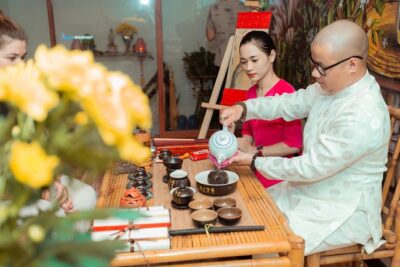
Da Nang Cooking Class with Coffee Tasting and Market Visit
Read our review →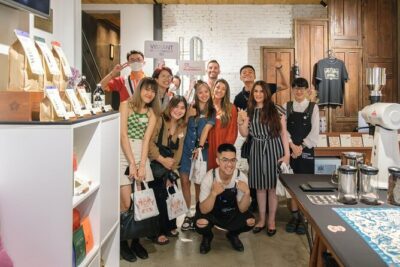
Fun & Easy Vietnamese Coffee Workshop in Hồ Chí Minh City
Read our review →
Hanoi Cooking Class: Pho/Bun Cha/Banh Xeo…+Free Egg/Salt Coffee
Read our review →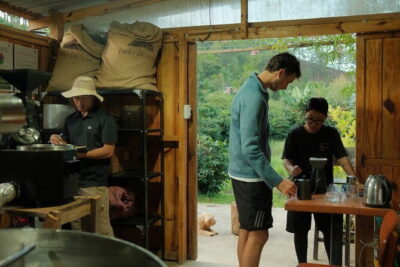
Coffee Farm Tour with Roasting & Tasting Workshop – Da Lat
Read our review →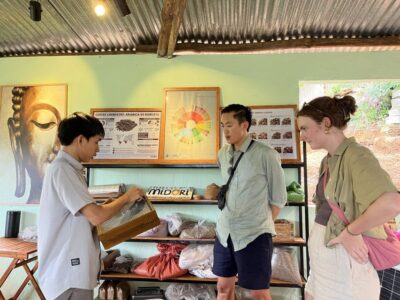
Experience specialty coffee with sustainable coffee farmers
Read our review →Browse the lists this tour appears in