
Reviewed · COFFEE EXPERIENCES
Vietnamese Culture and Coffee Making Class
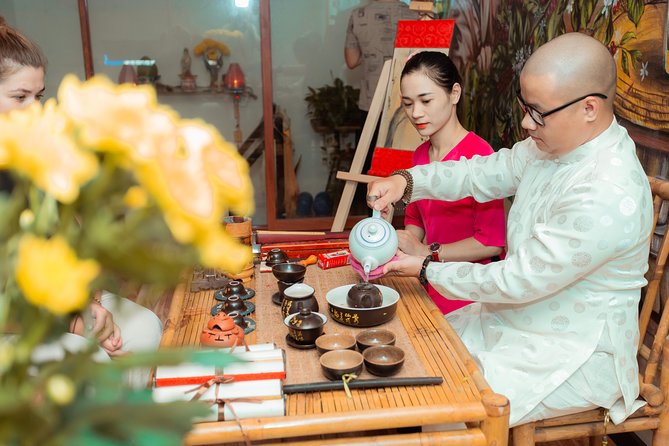
Vietnamese coffee is not just a morning drink. It is slow, sweet, strong, social, and shaped by the country’s past. In this Hoi An class, you prepare five different coffees, including egg coffee, salt coffee, coconut coffee, and the classic phin-brewed cup.
I like the hands-on format and the family-run feel. You make the drinks yourself, receive the recipes, and take home a Vietnamese phin filter, so the class continues after your holiday. The instructors also bring plenty of humor and explain how French colonization helped shape Vietnam’s coffee habits.
The main caution is caffeine. Five coffees in two hours is a serious dose, and one of the drinks can be enough to keep you awake. The session may also feel long if you want only a quick demonstration, while some of the joking style may not suit every visitor.
Key points to know before booking
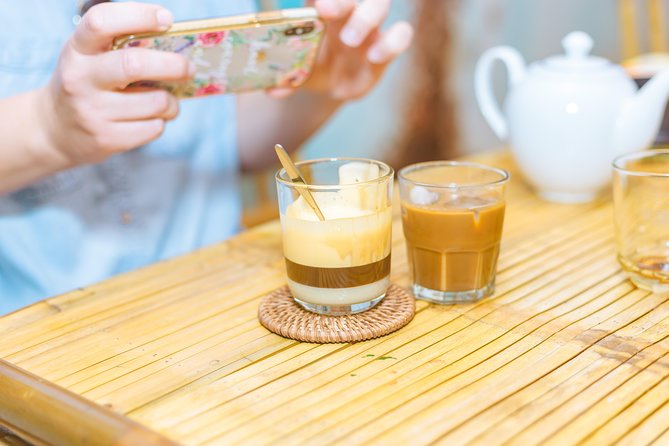
- Five coffee styles in about two hours: You prepare traditional black coffee, white coffee, Hue salt coffee, Hoi An coconut coffee, and Hanoi egg coffee.
- The phin is part of the lesson: You learn to use the small Vietnamese metal filter and take one home.
- Coffee comes with culture: The class covers Vietnamese coffee customs and the effect of French colonization.
- Small groups help: The maximum group size is 10, and solo visitors may receive extra attention if the class is quiet.
- Good value at $15.39: You get instruction, ingredients, coffee tools, several drinks, recipes, and a take-home filter.
- Plan your caffeine intake: You can taste everything without necessarily finishing every cup.
Five Vietnamese coffees, one lively Hoi An class
The appeal here is simple: instead of ordering one iced coffee at a café, you learn how several famous Vietnamese drinks are made. The class takes place at 10C Bà Triệu in Hoi An and lasts about two hours.
The format is practical. Ingredients and tools are prepared before you begin, so you are not left waiting while someone measures every item. You follow the instructor through each recipe, prepare the coffee yourself, and taste the result along the way.
That makes the experience useful for more than coffee fans. You get a short lesson in local food culture, a social activity, and a souvenir you can use at home. It also fills an easy two-hour gap between sightseeing in Hoi An’s old town and an evening meal.
The class is capped at 10 people. That is small enough for questions and personal help, but large enough to meet other people from around the world. If you book a quiet time, you might even find yourself in a one-to-one session. One solo participant described receiving individual attention when nobody else had booked that time.
More Coffee Tours in Hoi An
- Hoi An: Vietnamese Coffee Culture and Coffee Making Class
★ 4.9 · 4,006 reviews - Hoi An: Vietnamese Coffee Making Workshop at Local Roastery
★ 4.8 · 174 reviews - Hoi An: Lantern and Coffee Making Class
★ 5.0 · 154 reviews
The phin filter explains the Vietnamese coffee ritual

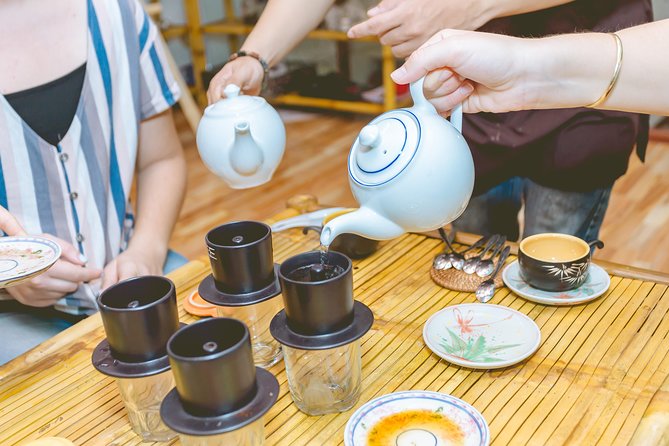
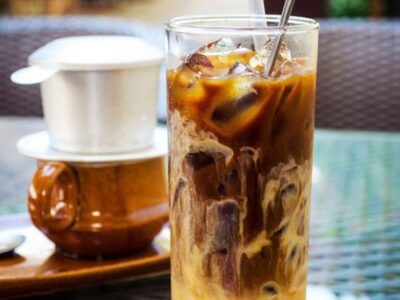
The first important tool is the phin, a small metal filter that sits directly on top of your cup. Coffee grounds go inside, hot water is added, and the drink drips slowly through the filter.
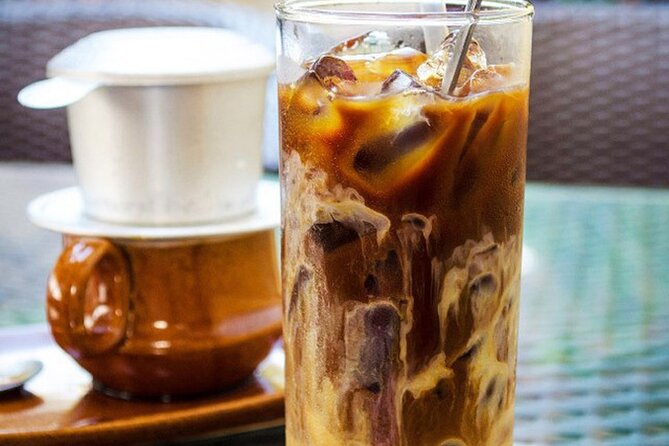
This is a very different rhythm from a quick machine-made espresso. The phin makes you wait a little, which suits the style of coffee and the social habit around it. The result is concentrated and powerful, often served with ice, condensed milk, or other local ingredients.
You make traditional black coffee with this method before moving into more decorated versions. The class also gives you a Vietnamese filter to take home, a thoughtful inclusion at this price. Recipes are provided too, so you do not have to rely on memory when you try the drinks again.
If you buy the class partly for the souvenir, the phin is more useful than a generic gift. It is small, light, and directly connected to what you learned.
How French influence changed the cup
Coffee became part of Vietnamese life through French colonial rule. The class uses that story to explain why coffee is now such a strong part of daily culture in Vietnam.
Local habits developed around the ingredients and conditions available in Vietnam. Condensed milk became an important partner to strong coffee, especially when fresh milk was harder to obtain. Over time, Vietnamese coffee developed its own styles rather than simply copying French café customs.
That background gives the drinks more meaning. You are not only learning how to mix coffee with milk or coconut. You are seeing how history, trade, local taste, and everyday life combine in a familiar drink.
The cultural section is not presented as a formal lecture. It is worked into the preparation of each cup, which keeps the information connected to what you are doing with your hands.
The five drinks you prepare

Same trip, a completely different kind of day:
- Hoi An: Basket Boat Ride in the Coconut Forest
★ 4.9 · 4,956 reviews - Hoi An: Vietnamese Foldable Lantern Making Class
★ 4.9 · 3,742 reviews - Cooking Class Hoi An:Local Market, Basket Boat, Fishing & Cooking
★ 5.0 · 3,660 reviews - Hoi An Cooking Class(Market,BasketBoat Crabfishing&Cooking Class)
★ 5.0 · 3,386 reviews
Traditional black coffee
The black coffee introduces the phin and the basic Vietnamese brewing method. It is the most direct expression of the beans, with no sweetener or extra flavor to soften the taste.
Expect a strong cup. If you normally drink mild coffee, take your time. This first drink gives you a useful base for comparing the later versions.
Vietnamese white coffee
The white coffee adds sweetness and creaminess to the strong brewed coffee. In practice, this style shows why Vietnamese coffee is often served with condensed milk rather than treated like a simple black filter brew.
It is a familiar choice for people who enjoy sweet coffee, but it can be intense when combined with the strength of the beans. You will quickly understand why Vietnamese iced coffee is such a popular order.
Hue Imperial salt coffee
Salt coffee may sound unusual, but the small salty note changes the balance of the drink. It can soften bitterness and make the sweetness feel more pronounced.
This version connects the class to Hue, Vietnam’s former imperial capital. You are not just adding salt for novelty. You are trying a regional style with a different flavor profile from the Hoi An and Hanoi drinks.
Hoi An fresh coconut coffee
Coconut coffee is often the favorite in the class, and it is easy to see why. The coconut brings a cool, creamy texture and a gentle tropical flavor to the strong coffee.
It also feels especially suited to Hoi An’s warm climate. If you want the drink most likely to appeal to someone who usually prefers dessert-style coffee, this is a good candidate.
The exact preparation is part of the lesson, so you leave with more than a café recommendation. You learn the steps needed to recreate the style at home.
Hanoi capital egg coffee
Egg coffee is the most distinctive drink on the menu. A whipped egg mixture creates a smooth, dessert-like topping over the coffee.
The style is associated with Hanoi, where egg coffee became a well-known local specialty. The class gives you a chance to prepare it rather than simply ordering a finished glass.
This is also the point where the hands-on nature matters most. The texture depends on how the ingredients are mixed, and the instructor can show you what to look for. If you enjoy sweet desserts, egg coffee may be the highlight. If you prefer plain black coffee, it may feel heavy.
What the instructors add to the experience
The class is led by English-speaking instructors, and the teaching style is informal and friendly. Linh is named in the feedback as a warm, funny instructor who helped make solo participation comfortable.
The team uses humor throughout the session. Much of that is part of the appeal, especially if you like a relaxed class rather than a quiet demonstration. One account describes a team member known by the playful nickname Taylor Swift, suggesting that the entertainment is a real part of the experience rather than an afterthought.
Still, humor is personal. One participant found some of the jokes disrespectful. I would not book this class expecting a polished, formal culinary workshop. It is better suited to you if you enjoy banter, group interaction, and instructors who keep the room lively.
The teaching itself is clear. Tools and ingredients are arranged in advance, and the steps are explained patiently. That matters because five drinks could otherwise become confusing. You can ask questions as you go and compare each recipe as the session progresses.
Is five coffees in two hours too much?
The class schedule gives you enough time to prepare and taste each drink without rushing. It also gives the cultural explanation room to breathe.
The drawback is that two hours can feel long if you only want to learn the phin method. One participant felt the activity could have been finished in an hour. That criticism is fair for a visitor with limited time or little interest in sweet coffee variations.
For most people, the length makes sense because you are making several drinks rather than watching one demonstration. You handle the tools, listen to the background, taste the results, and receive the recipes. The session is less about speed and more about trying the full range of Vietnamese coffee styles.
The bigger issue is caffeine. The coffee is described repeatedly as strong, and making five cups does not mean you need to finish five cups. Sip slowly, share when appropriate, and avoid treating the lesson like a coffee-drinking contest.
If you are sensitive to caffeine, this is worth considering before booking. The class is much more enjoyable when you can taste the differences without feeling overstimulated.
Why the $15.39 price is good value
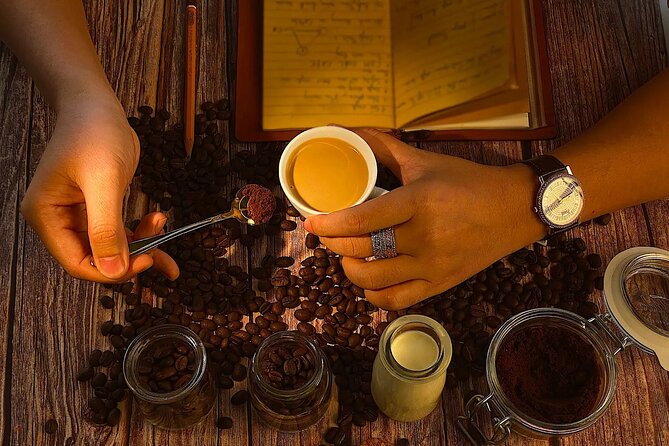
At $15.39 per person, the class is inexpensive for a two-hour activity. The value comes from the combination of instruction, ingredients, multiple drinks, recipes, coffee tools, and the take-home phin.
You are effectively getting a tasting session and a practical workshop in one. A single café visit might let you try one or two styles, but it would not normally teach you how to prepare five versions or give you the equipment to repeat them.
The take-home filter adds lasting value. So do the recipes, especially if you enjoy cooking and want to recreate the drinks for friends and family. Some participants also buy the family’s own coffee blend to use at home, though buying beans is optional and not part of the listed price.
The class is not a full barista course. You will not be trained in espresso machines, roasting, latte art, or professional café work. But that is not its purpose. This is an accessible introduction to Vietnamese coffee culture and home preparation.
Location, timing, and practical details

You meet at 10C Bà Triệu, in Cẩm Phổ, Hoi An. The activity ends at the same place, and hotel pickup and drop-off are not included.
Because the meeting point is near public transportation, you can make your own way there. A mobile ticket is accepted, and confirmation is sent within 48 hours, subject to availability.
The class allows service animals, and most people can participate. The maximum group size is 10, which keeps the session more personal than a large food tour.
Free cancellation is available up to 24 hours before the start time for a full refund. Changes or cancellations inside that window are not accepted for a refund. The activity requires good weather, and poor conditions may lead to another date or a full refund.
Who should book this coffee experience?
I would recommend it most strongly to:
- Coffee drinkers who want to understand Vietnamese brewing styles
- Couples looking for a relaxed shared activity
- Solo visitors who enjoy meeting people in a small class
- Visitors who like sweet, creamy, or dessert-style drinks
- Anyone who wants a practical souvenir rather than a decorative one
- People with a free morning or afternoon in Hoi An
You may want to skip it if you dislike strong coffee, avoid caffeine, or prefer a quick one-hour activity. It is also not the right choice if you expect a formal professional course with quiet instruction and little joking.
For families, the service allows most participants, but the supplied information does not set a specific child age policy. If you are booking with children, confirm suitability before paying.
Final verdict: book it if you want coffee you can repeat at home
I would book this class if I had two free hours in Hoi An and wanted something more useful than another café stop. The best parts are the five contrasting drinks, the clear phin lesson, the cultural context, and the filter and recipes you take home.
The experience works because it keeps the history tied to real food. You learn about French influence, regional styles, and Vietnamese coffee habits while actually preparing the drinks.
Go slowly with the caffeine, and expect a relaxed family-run class rather than a polished culinary school. If that sounds like your kind of afternoon, $15.39 buys a lot: five recipes, several tastings, a local perspective, and a small tool you can use long after you leave Hoi An.
FAQ
Where does the Vietnamese coffee class meet?
The class begins at 10C Bà Triệu, Phường Cẩm Phổ, Hội An, Quảng Nam 560000, Vietnam.
Where does the activity finish?
The experience ends back at the meeting point.
How long does the coffee class last?
The activity lasts approximately two hours.
How many people can join the class?
The maximum group size is 10 participants.
Which coffees will I make?
You will make traditional black coffee with a Vietnamese phin, Vietnamese white coffee, Hue Imperial salt coffee, Hoi An fresh coconut coffee, and Hanoi capital egg coffee.
Is a coffee filter included?
Yes. You receive a Vietnamese phin filter to take home.
Are recipes provided?
Yes. The class provides recipes so you can make the coffees at home.
Is hotel transportation included?
No. Hotel pickup and drop-off are not included.
What is the cancellation policy?
You can cancel at least 24 hours before the start time for a full refund. Cancellations or changes made less than 24 hours before the activity are not refunded. If poor weather causes the provider to cancel, you can receive a different date or a full refund.
More Workshops in Hoi An
- Hoi An Full Lantern Making Class- A special Foldable lantern
★ 5.0 · 2,007 reviews - The Lantern Lady: Traditional Lantern Class in Old Town
★ 4.9 · 444 reviews - Hoi An: Local Foldable Lantern-Making Class with Locals
★ 4.9 · 410 reviews - Thanh Ha Village: Pottery Workshop with Locals
★ 4.4 · 223 reviews
Just added around Hoi An
- Private car from Danang to Hoi An★ 5.0 · 20 reviews
- Da Nang to Hoi An ancient town by private transfer★ 5.0 · 36 reviews
- Cu Lao Cham Island Tour from Da Nang/ Hoi An★ 4.0 · 24 reviews
- Da Nang Airport Arrival Private transfer to Hoi An★ 5.0 · 46 reviews
- Hoi An Night Market with Hoi an walking Tour , Colourful Lanterns, Boat Ride★ 5.0 · 142 reviews
- Marble Mountain-AM Phu Cave & Hoi AN -Colourful Lantern Boat Ride★ 5.0 · 27 reviews
- Private Transfer from Danang to Hoi An by Private Car★ 5.0 · 37 reviews
- Guided Tour to Marble Mountain &HoiAn City-BoatRide-Night Market★ 5.0 · 23 reviews
Coffee Experiences, compared.
Vietnamese Coffee Culture and Coffee Making Class
Read our review →
Hanoi Coffee Experience: 6 Brews, 9 Recipes & 3 Liquor Tastings
Read our review →
Early Morning My Son Sanctuary Trip w. Champa Food & Coffee
Read our review →
Da Nang Cooking Class with Coffee Tasting and Market Visit
Read our review →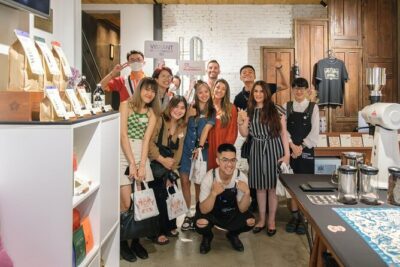
Fun & Easy Vietnamese Coffee Workshop in Hồ Chí Minh City
Read our review →
Hanoi Cooking Class: Pho/Bun Cha/Banh Xeo…+Free Egg/Salt Coffee
Read our review →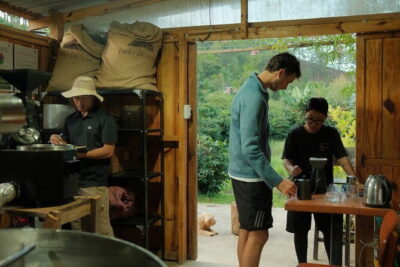
Coffee Farm Tour with Roasting & Tasting Workshop – Da Lat
Read our review →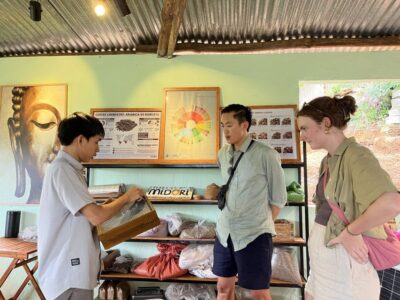
Experience specialty coffee with sustainable coffee farmers
Read our review →Browse the lists this tour appears in