
Reviewed · CRAFT VILLAGE TOURS
Bat trang Pottery Ceramics Class in Hanoi’s Old Quarter | VN
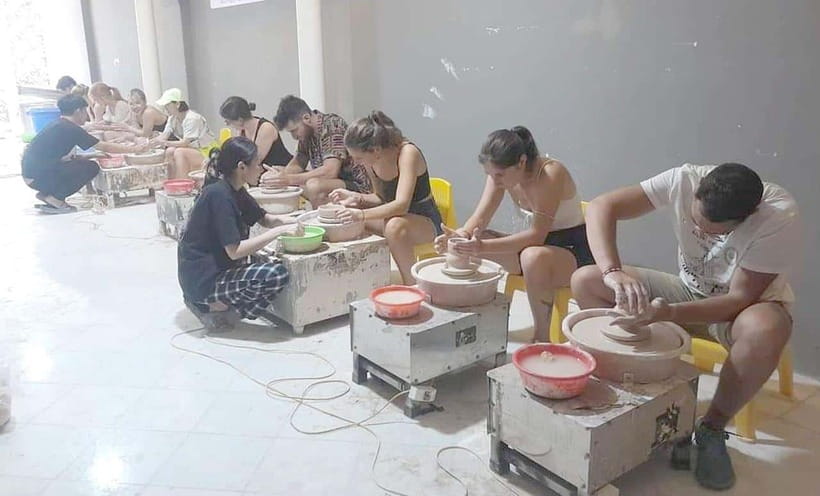
The best thing about this Hanoi activity is its mix of hands-on craft and local tradition. You sit at an electric wheel, work real clay, and learn techniques linked to Bat Trang village without leaving the Old Quarter.
I like the freedom to make as many pieces as time allows, and I like that one item includes glazing and firing. The patient instruction also matters, especially when your first few bowls collapse. The main catch is timing: colored glazing takes two to three days, and finished pottery may shrink by about 20 percent.
Quick takeaways
- Make several pieces in three hours: Try bowls, plates, cups, vases, or your own designs without a strict piece limit.
- Learn on an electric wheel: It is easier for first-timers than working on a traditional wheel.
- One finished item is included: Choose one piece to glaze, fire, and take home.
- Plan around the firing time: Colored pieces usually need two to three days, while white glaze may take one to two days.
- Expect kind, patient teaching: Instructors such as Hang, Han, and Tuan Vu have helped beginners through plenty of failed attempts.
- Stay near Hanoi’s sights: The class takes place at 115 Hàng Gai in Hoàn Kiếm, right in the Old Quarter.
Clay and culture at 115 Hàng Gai

Bat Trang pottery comes from the famous ceramics village outside Hanoi, where craft skills have passed through generations. The workshop brings that tradition into a shop and studio at 115 Hàng Gai, Hoàn Kiếm, so you can make pottery without arranging transport to the village.
That location is a real advantage. You can fit the class between Old Quarter sightseeing, shopping, and meals. It also makes this a useful rainy-day or hot-afternoon plan. The morning session runs from 8:30 to 11:30, and the afternoon session runs from 14:00 to 17:00.
You begin with an explanation of Bat Trang pottery and the basics of working with clay. Then the useful part starts: you sit at an electric wheel and try to center, open, shape, and refine the clay with help from the instructor.
The setting is above a pottery shop, with a cooling room and fan available. You can browse finished ceramics before or after the class, which gives you a clearer idea of what a simple lump of clay can become.
More Craft Village Tours in Hanoi
- Incense Village, Hat Making & Lacquer Artisan Small Group Hanoi
★ 5.0 · 1,266 reviews - Incense Village, Conical Hat, Lacquer Art, Small Group From Hanoi
★ 5.0 · 1,170 reviews - Hanoi: Incense Village, Hat, and Lacquer Artisanal Tour
★ 4.6 · 1,005 reviews
Your first turn at the electric wheel
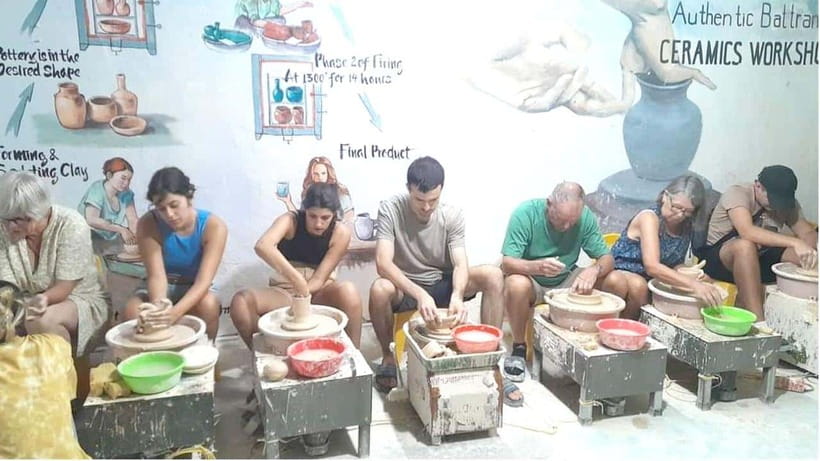
You do not need previous pottery experience. That is important because wheel throwing looks easy until the clay starts wobbling under your hands. The electric wheel gives you steady rotation, and the instructor can correct your hand position before a small problem ruins the whole piece.
Past sessions have included instructors named Hang, Han, and Tuan Vu, though the person teaching you may vary. The strongest part of the teaching is the close help at the wheel. You get a demonstration, try it yourself, and receive assistance when the clay leans, spreads, or collapses.
Do not expect every first attempt to survive. That is part of the fun. Several beginners needed a few tries before producing something they wanted to keep. The instructors can also reshape or remove failed work so you can start again instead of wasting the whole session.
You may make bowls, cups, plates, vases, or less tidy experimental forms. The class does not limit you to one carefully planned object. You can test a shape, scrap it, and try another. That freedom gives the session a relaxed feel and lets you learn by doing.
Three hours of practice, not a quick demonstration
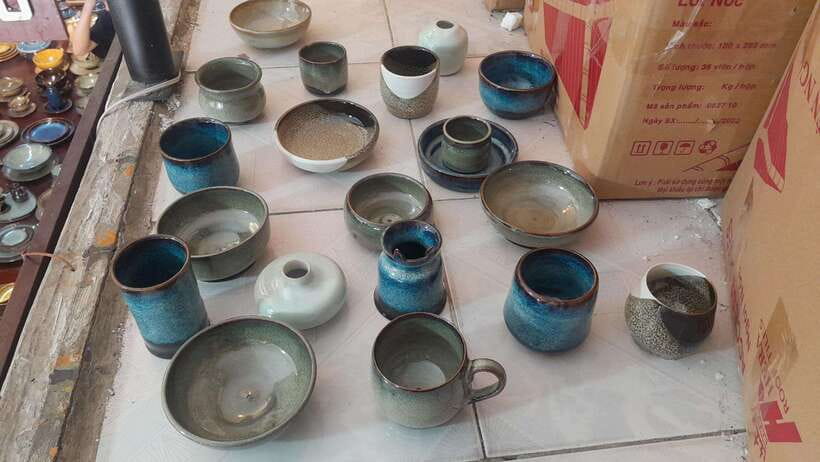
The full three-hour slot gives you enough time to improve. A short demonstration class might leave you with one rough object and little understanding of what happened. Here, you can make several pieces and begin to notice how pressure, moisture, and speed affect the clay.
Some people finish two or three objects. Others manage four, five, or six pieces. Your result depends on how quickly you learn and how much time you spend refining each shape. The instructors encourage you to try different forms, but they also help you finish pieces that need correction.
This is a good choice for a couple, family, or small group because you work side by side while still getting individual help. Children have taken part successfully, including a group with four children. Younger participants will need patience and supervision, but the activity offers a clear, tactile way to spend an afternoon.
The class can also work well as a date activity. You and your companion can compare crooked bowls, help each other choose colors, and leave with small objects made during the same afternoon. It is more engaging than simply buying a souvenir because you see the work behind the finished product.
Choosing pieces and colors
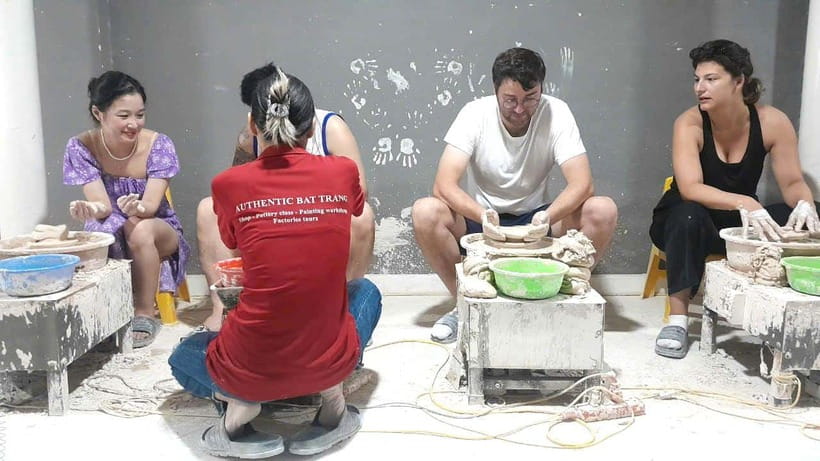
At the end of the hands-on portion, you decide which pieces you want to save. One product is included for glazing, firing, and collection. You can choose the color for that piece, giving you a say in how the final souvenir looks.
Extra pieces can be fired and glazed for an additional fee. The exact charge should be confirmed at the studio, but one recent session reported a cost of about $5 per extra piece. If you make four pieces and want all of them finished, the add-on cost can become noticeable, though it remains modest compared with the price of many handmade souvenirs.
The shop displays finished pottery, which can help you choose a practical shape and color. You might decide on a small bowl, a cup, a plate, or a vase. Remember that clay shrinks during firing. One participant reported that dinner-plate-sized pieces returned closer to side-plate size, while another noted shrinkage of about 20 percent.
That change is normal, but it is worth knowing before you plan a large serving dish. Your finished object may be smaller and slightly different from the wet clay version you leave behind.
Same trip, a completely different kind of day:
- Hanoi Jeep Tour: Food, Culture and Fun by Vietnam Army Jeep
★ 5.0 · 15,222 reviews - Hanoi: Water Puppet Show Tickets
★ 4.6 · 7,029 reviews - Hanoi Motorbike Tour: Food, Culture and Fun by Vintage Motorbike
★ 5.0 · 6,699 reviews - Hanoi: Guided Food Tour with Train Street Visit
★ 4.9 · 6,239 reviews
The firing timetable matters more than you think
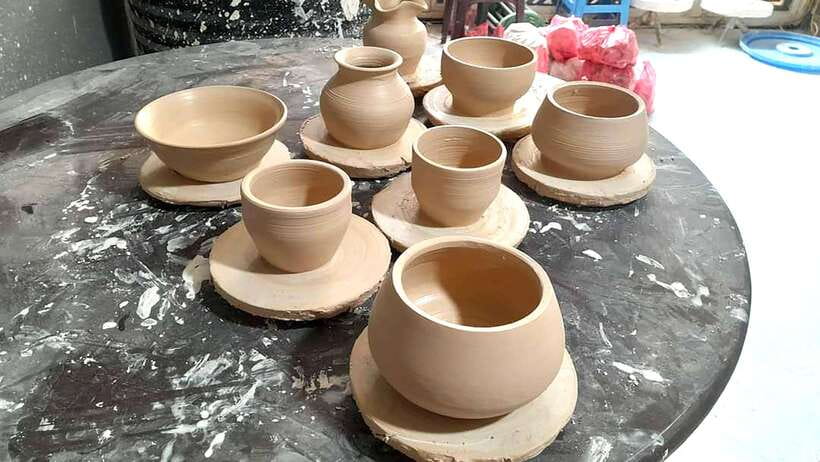
The biggest practical issue is collection. Colored glazing and firing usually take two to three days. If you want to pick up your pottery in Hanoi, book this class early in your stay rather than the day before departure.
White glaze can sometimes be completed in one to two days. That option is useful if your schedule is tight, but it gives you fewer color choices. If you cannot return, the shop may offer a finished item from the store or arrange shipping later. Shipping is extra, and one example to the United States cost around $30.
You should tell the staff your departure plans at the start of the class. A holiday such as Tết can affect production times, so build in some flexibility around public holidays. A small misunderstanding about firing time was resolved successfully in one case, but it is still better to confirm the collection plan before you leave the studio.
Pack your expectations as carefully as your pottery. Fired ceramics are fragile and take up room. If you are moving through Vietnam with a small bag, shipping may be easier than carrying a bowl or vase through several bus, train, or flight connections.
What the $33 price really covers
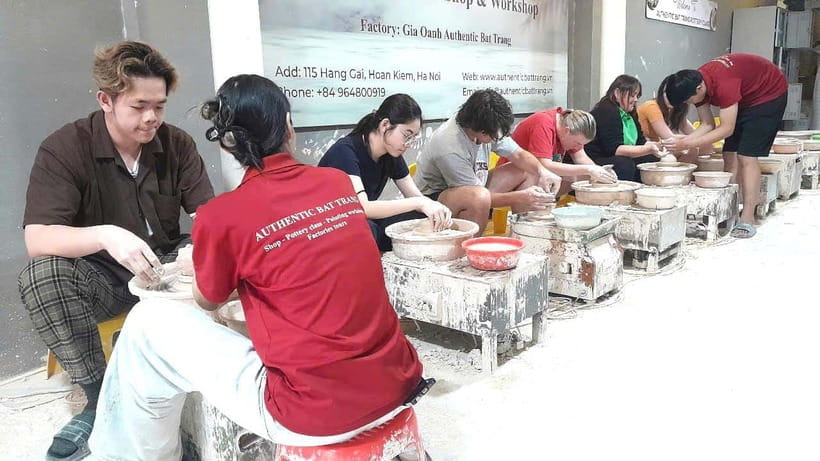
The price is $33 per person. That includes the three-hour class, electric wheel, clay and other materials, an English or Vietnamese-speaking instructor, unlimited practice during the session, and one item to glaze and fire.
For a hands-on activity in central Hanoi, that is fair value. You are paying for instruction and materials, not just a short demonstration or a painted souvenir. The ability to make multiple pieces also improves the value for anyone who wants time to learn instead of rushing through one attempt.
The price does not cover every finished item. Extra glazing and firing cost more, and shipping is not included. If you want several pieces completed, set aside a little more money. The base price is best understood as including one finished souvenir, with the chance to pay for extras if your results are too good to leave behind.
I would also compare this with the cost of buying a ready-made Bat Trang piece. The workshop may not be the cheapest way to obtain a bowl, but it gives you the making process, the instruction, and a personal story attached to the object.
Comfort, clothing, and small practical details
Clay work can get messy. Wear clothes and shoes that you do not mind spotting with damp clay, especially if you plan to spend the rest of the day sightseeing. The studio has a fan-cooled room, which helps in Hanoi’s heat, but you are still working with wet material for several hours.
The seating is one point to watch. A few people found the small chairs uncomfortable during a three-hour session and wished for higher seating. If you have back or knee concerns, ask about the available chair before settling in.
The starting point can be slightly unclear if you arrive early and the person at the shop is not fluent in English. Go to 115 Hàng Gai and allow a little time to find the correct studio area. Bring your booking details so you can identify the class easily.
The class is taught in English and Vietnamese. Instruction appears to focus on demonstration and direct help at the wheel, so you do not need advanced English to follow the basic steps. If you want detailed cultural background, ask questions during the introduction or while the instructor is helping you.
Who will get the most from this class
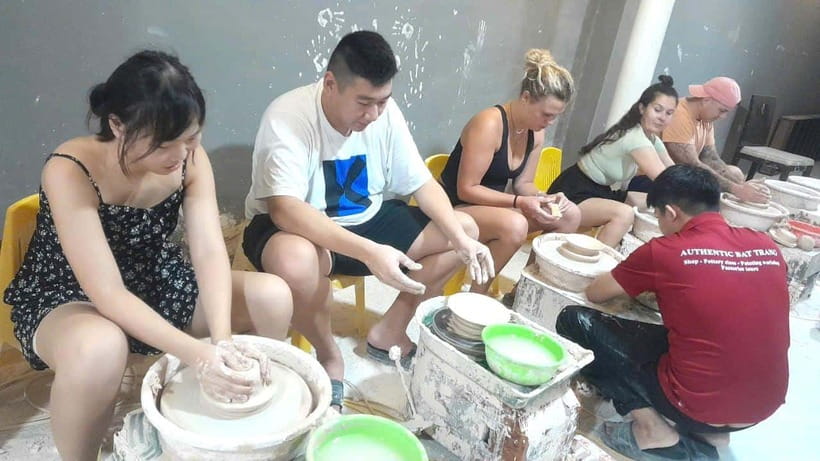
This suits first-time potters best. You do not need to know how to center clay or shape a vessel. The instructor will guide your hands, explain why a form needs support, and help you recover from mistakes.
It also suits people who prefer making something to looking at something. If you want a fast sightseeing stop with no mess and no waiting, this may feel too slow. The three-hour length is a benefit for learners, but it is a real time commitment.
Families can enjoy it, provided children are comfortable sitting and concentrating for a while. Couples and friends get a playful shared activity. Solo participants can also work at their own pace, and a quieter morning class may offer more space than a fuller afternoon session.
I would especially recommend it if you are in Hanoi for several days. The class works best near the start of your visit, when you still have time to collect your pottery. It is less suitable at the end of a trip unless you are willing to use white glaze, accept a shop item, or pay for shipping.
Cancellation and booking flexibility
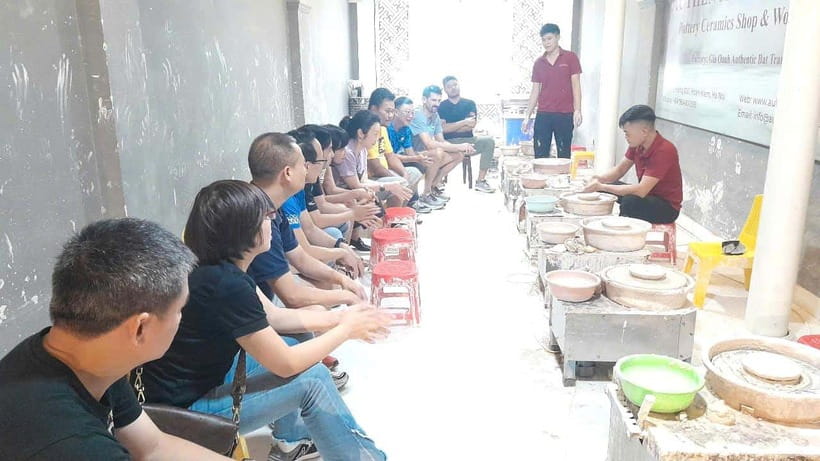
You can cancel up to 24 hours in advance for a full refund. The reserve-now, pay-later option lets you hold a place without paying immediately, which is useful when your Hanoi schedule is still changing.
Choose either 8:30 to 11:30 or 14:00 to 17:00, subject to availability. The morning may be the calmer choice if you prefer a less crowded class, while the afternoon is handy after a slow breakfast or Old Quarter sightseeing.
Should you book this pottery class?
Book it if you want a creative Hanoi activity, like the idea of working with your hands, and have enough time for firing and collection. The patient instruction, unlimited attempts, central location, and included finished piece make the $33 price sensible.
Skip it if your schedule leaves no room for two or three days of processing and you do not want to arrange shipping. Also think twice if you dislike sitting for long periods or carrying a fragile souvenir.
For most people, I would place this among Hanoi’s better short activities. You get a real introduction to Bat Trang pottery, plenty of practice, and a handmade reminder of your time in Vietnam. Just book it early, confirm the firing date, and remember that the clay you leave behind will come back smaller.
FAQ
Where is the pottery class held?
The class is held at 115 Hàng Gai Street in Hoàn Kiếm, Hanoi’s Old Quarter.
How long does the pottery class last?
The class lasts three hours. Morning sessions run from 8:30 to 11:30, and afternoon sessions run from 14:00 to 17:00, subject to availability.
How much does the class cost?
The listed price is $33 per person.
Do I need pottery experience?
No. The class is designed for beginners, and the instructor guides you through the process step by step.
What language is the instruction in?
Instruction is available in English and Vietnamese.
How many pottery pieces can I make?
You can make as many pieces as you can during the three-hour session. Extra pieces can be glazed and fired for an additional fee.
How many finished pieces are included?
One product is included for glazing, firing, and taking home. Additional products require an extra charge.
How long does firing and glazing take?
Colored glazing and firing usually take two to three days. White glaze may be available within one to two days.
Can the pottery be shipped?
Shipping may be arranged if you cannot return to collect the pottery, but the shipping fee is not included.
More Workshops in Hanoi
- Hanoi Coffee Workshop: Taste Salt, Coconut and Egg Coffee
★ 5.0 · 1,286 reviews - Hanoi: Salt Coffee Workshop Awake Your Senses With 6 Brews
★ 5.0 · 792 reviews - Hanoi: Handcrafted Wood Carving Workshop with Local Artisan
★ 5.0 · 733 reviews - Ha Noi Egg Coffee Class
★ 5.0 · 227 reviews
Just added around Hanoi
- Hoa Lo Prison and Little Paris Tour in Hanoi (French Quarter)★ 5.0 · 20 reviews
- Private Crowd Free Hanoi: Morning Highlights of the City Experience★ 4.5 · 124 reviews
- Hanoi’s Old Quarter Street Food Experience and Train Street★ 5.0 · 22 reviews
- Old Quarter Food Tour in Hanoi★ 5.0 · 104 reviews
- Retro Hop-on-hop-off Bonbon City Tour: Classic Package★ 4.0 · 32 reviews
- [Hi-end] Private Hanoi Street Food Tour With Real Foodie★ 5.0 · 154 reviews
- Hanoi Street Food Tour★ 5.0 · 27 reviews
- Hanoi Street Food Tour with egg coffee making★ 5.0 · 22 reviews
Craft Village Tours, compared.

Cai Be Mekong Delta Tour: Cooking Class, Cycling & Craft Villages
Read our review →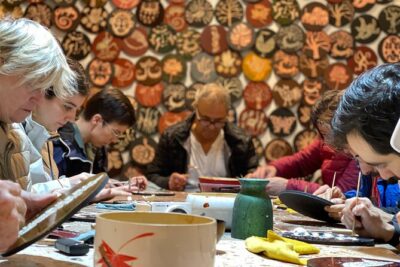
Incense Village, Hat Making & Lacquer Artisan Small Group Hanoi
Read our review →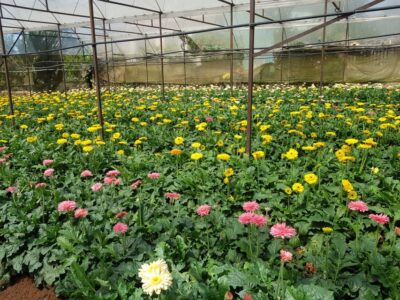
Countryside Tour with Silk Village & Elephant Falls
Read our review →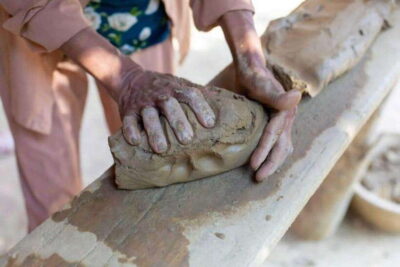

Incense Village Private Tour from Hanoi to Ninh Binh Old Capital
Read our review →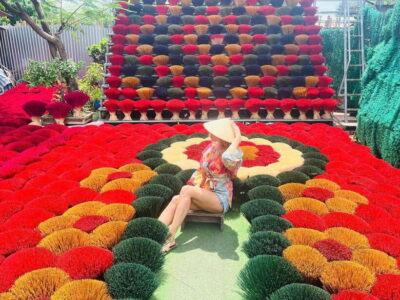
Incense + Hat Villages/ Temple of Literature, Hoa Lo Prison
Read our review →
Incense Village, Hat, Lacquer Tour & City Highlights
Read our review →Browse the lists this tour appears in