
Reviewed · COFFEE EXPERIENCES
Hanoi Coffee Workshop Crafting the Perfect Brew
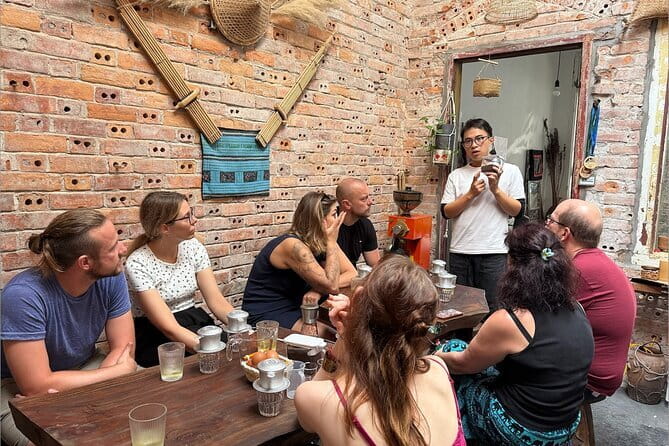
Vietnamese coffee is not just a strong drink served over ice. It is a small lesson in local taste, history, and improvisation. In this two-hour workshop, you use the traditional phin filter and make several Hanoi favorites, including egg, coconut, and salt coffee.
I like the hands-on format, and I like that instructors such as Dat, Claire, Devin, and Ashley explain the story behind each drink rather than treating the class as a simple tasting. The $17.73 price also gives you several drinks and recipes, not just one cup.
The main drawback is clear: six coffees in two hours can be a lot of caffeine and sweetness. The class is also held at one cafe, so it is a workshop rather than a walking tour of Hanoi’s coffee scene.
Key points at a glance
- Six Vietnamese styles: Depending on the session, you may make black, brown, white, egg, coconut, and salt coffee.
- Traditional phin brewing: You learn how Hanoi’s compact metal filter produces concentrated coffee.
- English-speaking instruction: Dat, Claire, Devin, David, or Ashley may lead the class.
- Recipes to take home: You receive instructions for recreating the drinks after your trip.
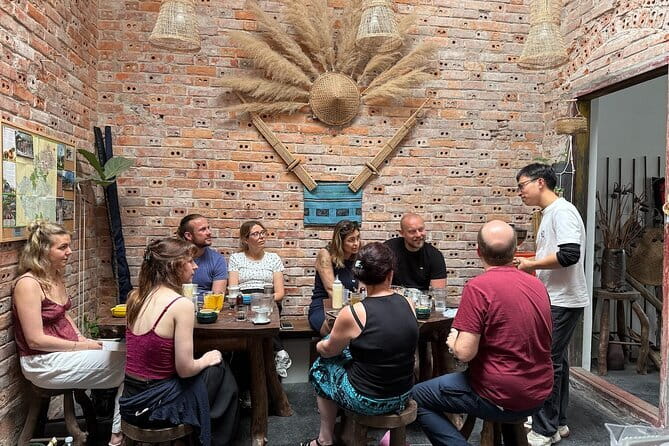
- Small group size: The class accepts a maximum of 15 people, which helps keep the activity manageable.
- Old Quarter location: The meeting point is GẠO CAFE at 10 P. Chợ Gạo in Hàng Buồm, near public transportation.
Starting at GẠO CAFE in Hanoi’s Old Quarter

The class begins at GẠO CAFE, at 10 P. Chợ Gạo in Hàng Buồm, Hoàn Kiếm. This puts you in the Old Quarter, a handy part of Hanoi for combining the workshop with food, shopping, or a walk around Hoàn Kiếm Lake.
You meet at the cafe and finish there, so no transfer time is built into the activity. That makes the workshop easy to fit into a morning or afternoon, especially if you are staying in or near the Old Quarter.
The activity uses a mobile ticket, and booking confirmation is provided at the time of booking. The meeting point is near public transportation, but the information does not specify a private pickup service. Plan to make your own way to the cafe.
The maximum group size is 15 people. That is not a private lesson, but it is small enough for the instructor to demonstrate the methods and help with adjustments. The class may feel more social than a one-to-one lesson, which suits couples, friends, and families.
More Coffee Tours in Hanoi
- Hanoi Coffee Experience: 6 Brews, 9 Recipes & 3 Liquor Tastings
★ 5.0 · 2,945 reviews - Hanoi Coffee Workshop: Taste Salt, Coconut and Egg Coffee
★ 5.0 · 1,286 reviews - Hanoi: Salt Coffee Workshop Awake Your Senses With 6 Brews
★ 5.0 · 792 reviews
Why the phin filter matters
The phin is the small metal filter at the center of Vietnamese coffee culture. It sits on top of a cup and lets coffee drip slowly into it. The result is concentrated and intense, especially when robusta beans are used.
You learn how Vietnamese coffee differs from more familiar Western preparations. The introduction covers robusta and arabica beans and explains their place in local coffee traditions. That context helps you understand why Vietnamese coffee often tastes stronger and more direct than a standard cafe coffee.
The process is simple, but small choices matter. The amount of coffee, the pressure from the filter insert, and the amount of water affect how quickly the drink flows and how strong it tastes. This is one of the useful parts of the class because you can repeat the method at home without buying complicated equipment.
You should expect a practical lesson rather than a technical barista certification course. The goal is to understand the basic method, taste the result, and learn recipes you can use later.
Six cups, six different ideas
The exact number can vary from four to six styles. The full selection includes black, brown, egg, white, coconut, and salt coffee. That range gives you a good sense of how one strong base can change with dairy, sweetness, foam, coconut, or salt.
Black coffee
Vietnamese black coffee is brewed through the phin without condensed milk. It is the clearest way to taste the coffee itself, and it can be strong and bitter.
This first cup gives you a useful reference point. After tasting the black coffee, you can better understand what condensed milk, egg foam, or coconut adds to the drink.
Same trip, a completely different kind of day:
- Hanoi Jeep Tour: Food, Culture and Fun by Vietnam Army Jeep
★ 5.0 · 15,222 reviews - Hanoi: Water Puppet Show Tickets
★ 4.6 · 7,029 reviews - Hanoi Motorbike Tour: Food, Culture and Fun by Vintage Motorbike
★ 5.0 · 6,699 reviews - Hanoi: Guided Food Tour with Train Street Visit
★ 4.9 · 6,239 reviews
Brown coffee
Brown coffee usually combines strong coffee with sweetened condensed milk. It is one of the most familiar Vietnamese styles and a good introduction if black coffee feels too sharp.
The sweetness softens the bitterness and gives the drink a thick, creamy quality. You can learn how to adjust the balance to your own taste, an especially useful tip if you prefer less sugar.
Egg coffee
Egg coffee is the Hanoi specialty many people most want to try. It uses a creamy egg mixture over coffee, creating a dessert-like drink with a custard texture.
This is not simply coffee with a raw egg dropped into it. The preparation turns the egg mixture into a smooth topping that works with the bitterness of the coffee below. The contrast is the point: sweet and creamy on top, dark and strong underneath.
Egg coffee is also one of the more memorable parts of the class for visitors who have never tried it. If you like coffee desserts, this may be your favorite cup.
White coffee
The name can cause confusion because Vietnamese white coffee is not the same as a Western white coffee. Here, the drink balances robusta coffee with condensed milk.
It overlaps with the idea of brown coffee, so do not expect a completely unrelated drink. The useful distinction is in the preparation and balance. Your instructor can explain how the styles are named and how the milk changes the flavor.
Coconut coffee
Coconut coffee brings a softer, tropical note to the strong coffee base. The combination of black coffee and creamy coconut milk gives you a cooler, smoother contrast to the phin-brewed cup.
This is a good choice if you find traditional Vietnamese coffee too bitter. It also shows how Hanoi cafes adapt coffee with ingredients beyond dairy and sugar.
Salt coffee
Salt coffee is less familiar than the other styles, but it has become a popular modern Vietnamese option. It combines coffee with milk foam and a small amount of sea salt.
The result is not simply salty coffee. The salt helps balance sweetness and bitterness, producing a surprisingly rounded flavor. Several class participants singled this style out as a favorite, so I would pay close attention when you make it.
Learning from Dat, Claire, Devin, David, and Ashley
The instructor can vary by date. Dat is described as especially good at explaining the history behind the drinks, while Devin is noted for clear, patient instruction and extra suggestions for places to visit in Vietnam.
Claire is associated with a friendly, helpful approach, photographs during the workshop, and guidance on adjusting drinks to suit personal taste. Ashley is described as organized, fluent in English, and attentive to the flow of the session. David is praised for enthusiasm and passion for coffee.
These details matter because the quality of a hands-on class depends heavily on the teacher. The consistent pattern here is practical instruction, historical context, and an approachable tone. You are not expected to arrive with coffee knowledge.
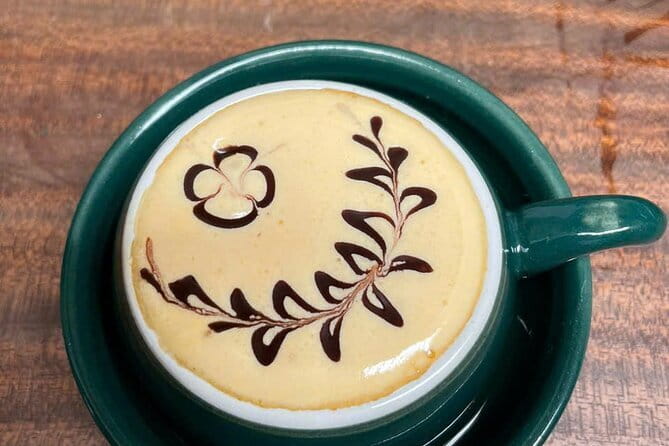
The class also includes simple coffee art. Do not book this expecting advanced latte-art training. Think of it as a fun extra that lets you finish a drink with a basic design and gives you a few photographs to remember the session.
A useful lesson in Vietnamese coffee culture
The workshop works best when it connects each cup to the way coffee is enjoyed in Vietnam. The instructor explains the origins and characteristics of the beans, then shows how local recipes use sweetness, foam, and texture to create different drinks.
This context keeps the class from becoming a series of random tastings. You learn why robusta is so important, why the phin produces such concentrated coffee, and how ingredients change the experience.
The history is presented during the making process, so you are not sitting through a long lecture. That is a good fit for a two-hour activity. You get enough background to understand the drinks, then return to the practical work.
The recipes are included, which adds value after your holiday. You can buy a phin filter later and try to recreate brown coffee, egg coffee, coconut coffee, or salt coffee at home. The workshop cannot guarantee that your home kitchen will produce the exact cafe result, but it gives you a useful starting point.
Is $17.73 good value?
At $17.73 per person, the price is fair for a two-hour activity that includes ingredients, several prepared drinks, an English-speaking instructor, recipes, and hands-on practice. You are getting more than a single coffee tasting.
The value is strongest if you plan to use the recipes later. A one-time tasting is pleasant, but learning the phin method and making six variations gives the class a longer life beyond Hanoi.
The price does not include extra food or drinks, personal expenses, or tips. The included coffee is the focus, so budget separately if you want a meal or other cafe items afterward.
There is also a practical caffeine issue. Four to six coffee styles can add up quickly, particularly when some contain condensed milk or sweet foam. Pace yourself, drink water when available, and do not schedule the class immediately before a long night if caffeine affects your sleep.
Who will enjoy this workshop most?
I would recommend it first to coffee lovers who want more than a cafe stop. It suits you if you enjoy learning a simple local skill and want recipes you can share with family and friends.
It is also a good choice for couples and friends. The process gives you something to do together, and the different flavors create an easy conversation point. The class is suitable for families as well, though younger children may not want to taste every coffee style.
You do not need prior brewing experience. The instructor guides you through the steps, and the activity is designed for people who are curious about Vietnamese coffee as well as serious coffee fans.
You may want to skip it if you dislike strong coffee, sweet drinks, dairy, egg-based desserts, coconut, or salt. You may also prefer a cafe-hopping tour if your main goal is to see several coffee shops around Hanoi rather than stay in one place.
Service animals are allowed, and the location is near public transportation. The supplied information does not give details about wheelchair access, seating arrangements, or the precise class start times, so contact the provider if those points are important to you.
Timing, cancellation, and weather
The class lasts about two hours and returns to the meeting point. That makes it easy to place between other Old Quarter plans.
Free cancellation is available if you cancel at least 24 hours before the start time. Cancellations within 24 hours are not refunded, and changes during that period are not accepted.
The activity requires good weather. If poor weather forces a cancellation, you are offered another date or a full refund. The same applies if the minimum number of participants is not met.
My verdict: book it for the recipes and the salt coffee
You should book this workshop if you want a hands-on introduction to Hanoi coffee culture and like the idea of making several drinks yourself. The strongest reasons are the phin lesson, the egg and salt coffee, the included recipes, and the chance to learn from an English-speaking instructor such as Dat, Claire, Devin, David, or Ashley.
I would not choose it as a substitute for exploring Hanoi’s cafes. It is a focused, indoor class at one location, and the four-to-six-cup format may be too much if you are sensitive to caffeine.
For $17.73, though, it is a useful and social way to understand one of Vietnam’s most distinctive food traditions. Come ready to taste, take notes, and decide which recipe deserves a place in your kitchen.
FAQ
Where does the Hanoi coffee workshop start?
The workshop starts at GẠO CAFE, 10 P. Chợ Gạo, Hàng Buồm, Hoàn Kiếm, Hanoi 100000, Vietnam.
Where does the activity finish?
The activity ends back at the meeting point, GẠO CAFE.
How long does the workshop last?
The workshop lasts approximately two hours.
How many coffee styles will I make?
You may make four to six coffee styles. The listed styles are black, brown, egg, white, coconut, and salt coffee.
Is an English-speaking instructor included?
Yes. An English-speaking instructor is included.
Are ingredients included?
Yes. All ingredients needed for making the coffees are included.
Do I receive the coffee recipes?
Yes. Recipes for each type of coffee are included.
What is the maximum group size?
The activity has a maximum of 15 participants.
Can I cancel for a full refund?
Yes, if you cancel at least 24 hours before the experience start time. Cancellations made less than 24 hours before the start time are not refunded.
More Workshops in Hanoi
- Hanoi: Handcrafted Wood Carving Workshop with Local Artisan
★ 5.0 · 733 reviews - Bat trang Pottery Ceramics Class in Hanoi’s Old Quarter | VN
★ 4.9 · 240 reviews - Ha Noi Egg Coffee Class
★ 5.0 · 227 reviews - Hanoi Coffee Class learning 5 famous coffee in Hanoi
★ 5.0 · 161 reviews
Just added around Hanoi
- Private Crowd Free Hanoi: Morning Highlights of the City Experience★ 4.5 · 124 reviews
- Hoa Lo Prison and Little Paris Tour in Hanoi (French Quarter)★ 5.0 · 20 reviews
- Hanoi’s Old Quarter Street Food Experience and Train Street★ 5.0 · 22 reviews
- Old Quarter Food Tour in Hanoi★ 5.0 · 104 reviews
- [Hi-end] Private Hanoi Street Food Tour With Real Foodie★ 5.0 · 154 reviews
- Retro Hop-on-hop-off Bonbon City Tour: Classic Package★ 4.0 · 32 reviews
- Hanoi Street Food Tour★ 5.0 · 27 reviews
- Hanoi Street Food Tour with egg coffee making★ 5.0 · 22 reviews
Coffee Experiences, compared.

Vietnamese Coffee Culture and Coffee Making Class
Read our review →
Hanoi Coffee Experience: 6 Brews, 9 Recipes & 3 Liquor Tastings
Read our review →
Early Morning My Son Sanctuary Trip w. Champa Food & Coffee
Read our review →
Da Nang Cooking Class with Coffee Tasting and Market Visit
Read our review →
Fun & Easy Vietnamese Coffee Workshop in Hồ Chí Minh City
Read our review →
Hanoi Cooking Class: Pho/Bun Cha/Banh Xeo…+Free Egg/Salt Coffee
Read our review →
Coffee Farm Tour with Roasting & Tasting Workshop – Da Lat
Read our review →
Experience specialty coffee with sustainable coffee farmers
Read our review →Browse the lists this tour appears in