
Reviewed · COFFEE EXPERIENCES
Hanoi: Salt Coffee Workshop Awake Your Senses With 6 Brews
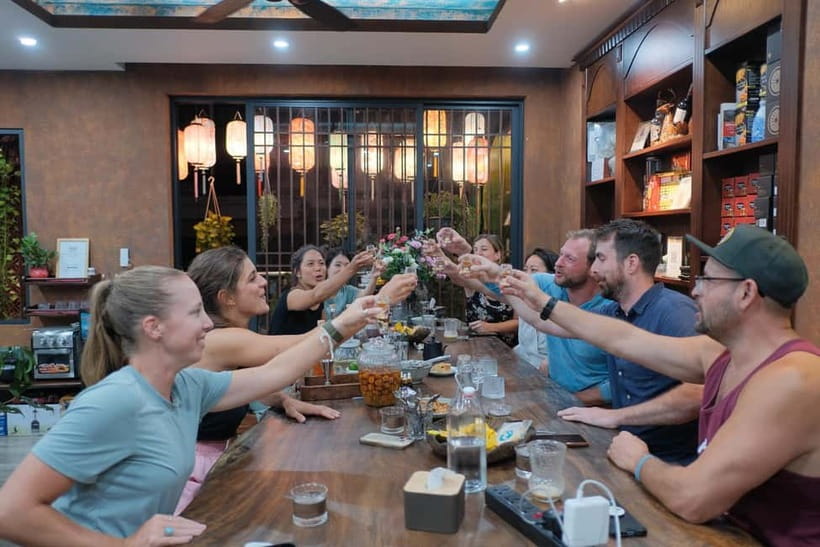
The clever part of this Hanoi workshop is that you do not just sip famous Vietnamese drinks. You make them yourself, starting with robusta beans and traditional filters, then work up to salt coffee, egg coffee, and coconut coffee. It turns a café stop into a useful lesson in how Vietnam drinks its coffee.
I like the hands-on format and the clear cultural setting. I also like that the workshop covers beans, roasting, equipment, and ways to spot poor-quality coffee, not just sweet toppings. The guides, including Lin, Val, Phil, Giang, Jessica, and Luka, are praised for clear English and an easy teaching style.
The one catch is the sheer amount of caffeine, sugar, and alcohol. Six drinks in three hours can be a lot, especially with the final coffee cocktail and local wine. Go easy on tasting portions if you have more sightseeing planned afterward.
Key points at a glance
- Six Vietnamese-style drinks: Make salt coffee, egg coffee, brown coffee, coconut coffee, pour-over coffee, and a signature coffee cocktail.
- A practical coffee lesson: Learn about cultivation, green beans, roasting, brewing tools, and signs of poor-quality coffee.
- Local tools in your hands: Use filters, grinders, and other equipment rather than watching a demonstration from the sidelines.
- Strong guide team: Lin, Val, Phil, Giang, Jessica, Luka, and other instructors are praised for fluent English, patience, humor, and coffee expertise.
- Useful take-home material: You receive recipes, digital coffee books, and a professional certificate if you request one.
- Good value at $23: Three hours of instruction, drinks, snacks, wine, and practical lessons make this more than a standard tasting.
Why this Hanoi coffee class is worth your morning
Vietnamese coffee is not simply strong coffee with condensed milk. It reflects French colonial influence, local robusta production, small metal filters, sweet desserts, and a modern café scene that keeps inventing new combinations.
This class gives you a way to understand those pieces in one sitting. You move from the bean itself to the finished drink, and the sequence matters. Once you know how dark-roasted robusta tastes on its own, you can better understand why egg foam, coconut, salt, or sweetened milk are used with it.
I particularly like the balance between explanation and action. You are not expected to sit quietly through a long lecture. The workshop is designed around making drinks, asking questions, and tasting the results. That makes it suitable for a serious coffee fan, but also for someone who usually orders coffee only when it comes covered in sugar.
At $23 per person, the price is reasonable for a three-hour activity. You are paying for a full lesson, several drinks, snacks, local wines, equipment use, and materials to help you repeat the recipes at home. It is also a useful indoor plan when Hanoi weather is wet or uncomfortably hot.
More Coffee Tours in Hanoi
- Hanoi Coffee Experience: 6 Brews, 9 Recipes & 3 Liquor Tastings
★ 5.0 · 2,945 reviews - Hanoi Coffee Workshop: Taste Salt, Coconut and Egg Coffee
★ 5.0 · 1,286 reviews - Hanoi: Vietnamese Street Food Tour with Egg Coffee
★ 4.9 · 315 reviews
Starting with beans, green coffee, and Vietnam’s coffee story
The first part covers how coffee developed in Vietnam and spread around the world. You will see different beans and coffee-making tools, then learn about the coffee tree, cultivation, green beans, and roasting.
The focus on green coffee is a good touch. Many café tastings jump straight to the cup, but the green bean stage helps explain how roasting changes flavor, aroma, body, and bitterness. You also get a clearer sense of why Vietnamese coffee is often bold and heavy rather than light and delicate.
The workshop also addresses authenticity and quality. You learn practical clues for telling genuine coffee from poor or counterfeit products, along with the basic requirements for making a good cup. This is useful beyond the class, especially if you plan to buy Vietnamese coffee to take home.
Do not expect a formal coffee-science qualification. This is a lively introduction rather than a technical barista course. Still, the guides bring substantial industry experience, and several instructors are described as working with coffee for more than ten years.
Handling the phin and other traditional equipment
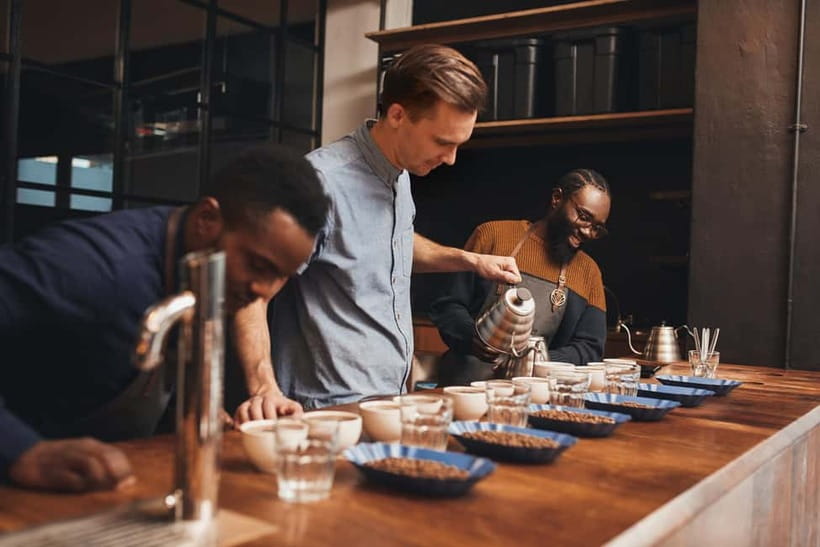
A major part of the class is learning to use local coffee tools. The Vietnamese phin, a small metal filter placed over a cup, is simple but requires patience. Add the coffee, set the press, pour in water, and wait as the brew drips slowly into the cup.
That slow drip is central to Vietnamese coffee culture. It gives you time to talk, watch the coffee form, and prepare the ingredients that will follow. The process is not built for rushing, which makes a useful contrast with a quick espresso machine.
You may also work with grinders, filters, and other equipment used in the workshop. The value here is practical: you leave with methods you can repeat in your own kitchen, even if your home setup is basic.
The guides help you adjust technique and explain why the details matter. Water, grind, pressure, roasting level, and ingredient balance all affect the final drink. You are not simply handed a finished cup and told what it contains.
Making salt coffee, Hanoi’s boldest surprise
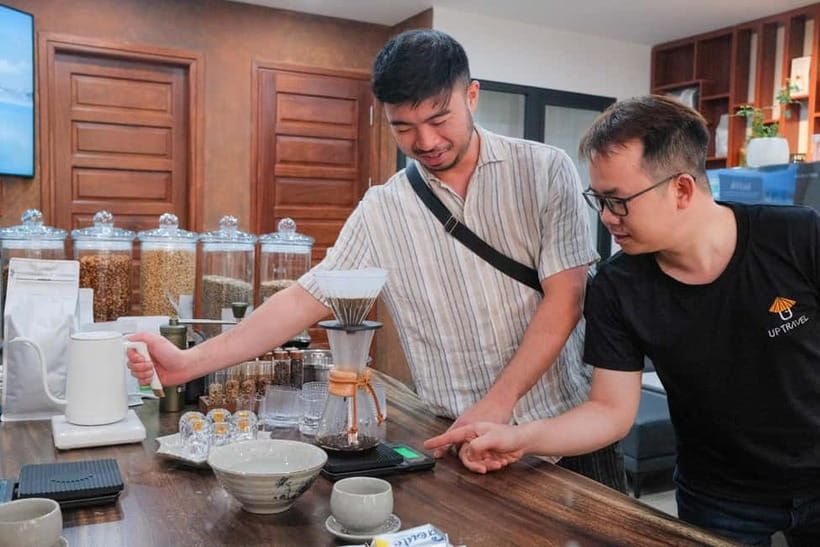
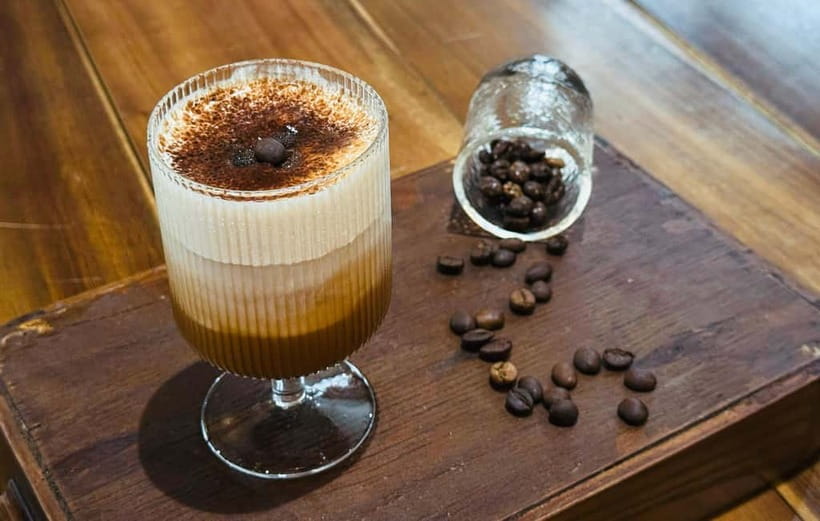
Salt coffee sounds odd until you taste the balance. The version taught here combines strong robusta coffee with a smooth salted cream foam. The salt is not meant to make the drink taste savory. Used carefully, it softens bitterness and makes the coffee taste fuller.
This is one of the most interesting drinks for first-time visitors because it shows how Vietnamese café culture keeps adapting. It is a newer favorite compared with older preparations, yet it works with the deep, dark roast that defines many local cups.
You will prepare the coffee and the foam yourself, then taste how the two parts work together. The lesson is especially useful if you find straight Vietnamese coffee too intense. The creamy topping rounds off the edges without hiding the coffee completely.
Keep in mind that the workshop includes several sweet drinks, so you may want to take small tasting portions. The activity is generous with samples, and the goal is comparison rather than finishing every cup quickly.
Same trip, a completely different kind of day:
- Hanoi Jeep Tour: Food, Culture and Fun by Vietnam Army Jeep
★ 5.0 · 15,222 reviews - Hanoi: Water Puppet Show Tickets
★ 4.6 · 7,029 reviews - Hanoi Motorbike Tour: Food, Culture and Fun by Vintage Motorbike
★ 5.0 · 6,699 reviews - Hanoi: Guided Food Tour with Train Street Visit
★ 4.9 · 6,239 reviews
Egg coffee and the dessert side of Hanoi
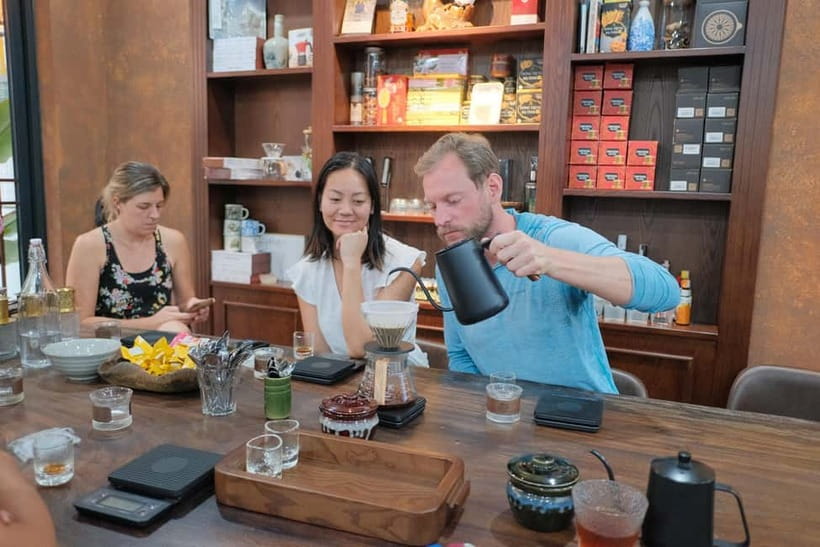
Vietnamese egg coffee is the class favorite for anyone who likes dessert. Strong dark coffee sits beneath a light egg-yolk foam with a soft, almost custard-like texture.
The result is less strange than the name suggests. The airy topping adds sweetness and richness, while the coffee below keeps the drink from becoming a simple pudding. It is a good example of local ingenuity and of how coffee can move into dessert territory.
You will learn how to create the froth and how to place it over the coffee. The process gives you a better appreciation of texture. A successful egg coffee needs a light foam rather than a heavy layer that overwhelms the brew.
This is also a drink that benefits from guidance. The ingredients are familiar, but the right texture takes care. The instructor-led format means you can ask questions as you work instead of trying to copy a recipe from a short video later.
Coconut coffee and the case for a softer cup

Coconut coffee offers a cooler, gentler contrast to salt and egg coffee. Strong Vietnamese coffee is paired with coconut milk, producing a smoother drink with a tropical flavor.
I like this part of the class because it shows that Vietnamese coffee does not have one fixed style. The robusta base remains present, but coconut changes the balance and makes the drink easier for people who prefer less bitterness.
The coconut recipe is also one of the most accessible to repeat at home. You do not need an elaborate coffee bar to experiment with it. The recipe book helps, and the guide can explain how to adjust the proportions to suit your taste.
Again, expect sweetness. If you prefer black coffee, you may like the pour-over section more than the coconut drink. If you enjoy iced or creamy café drinks, this will probably be one of your strongest picks.
Brown coffee and pour-over: two useful comparisons
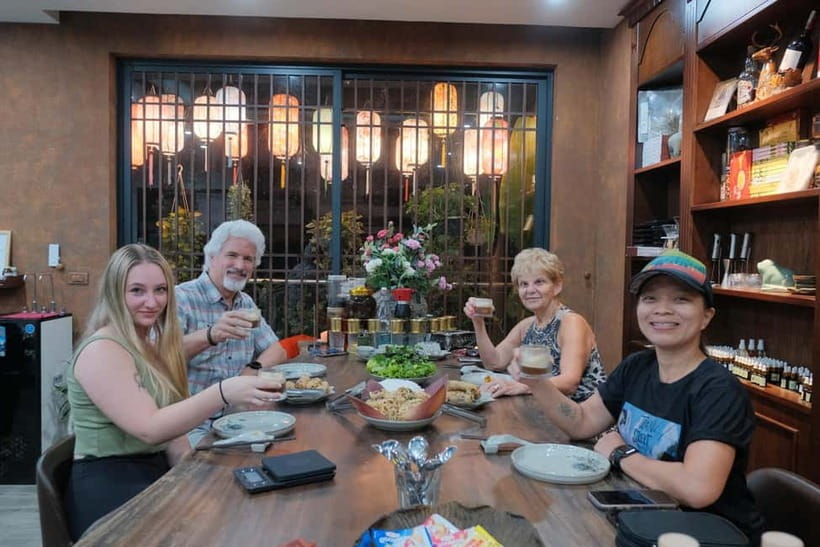
The original Vietnamese brown coffee is the most direct expression of the local style. Dark-roasted beans are brewed into a bold, intense cup, often balanced with sweetened milk in the familiar Vietnamese manner.
This drink gives you the reference point for the rest of the class. Taste it before the more decorated recipes if you can. You will notice how the salt, egg, coconut, and other additions change the same basic coffee experience.
The pour-over takes a different route. It aims to reduce harsh bitterness and show more of the bean’s natural sweetness and subtle fruit notes. That makes it a useful comparison with the darker Vietnamese roast.
I appreciate that both methods appear in the same session. You get a sense of brewing as a choice, not a matter of one method being right and another wrong. Some cups are built for strength and sweetness. Others allow the bean’s lighter details to come forward.
Finishing with a coffee cocktail and local wine
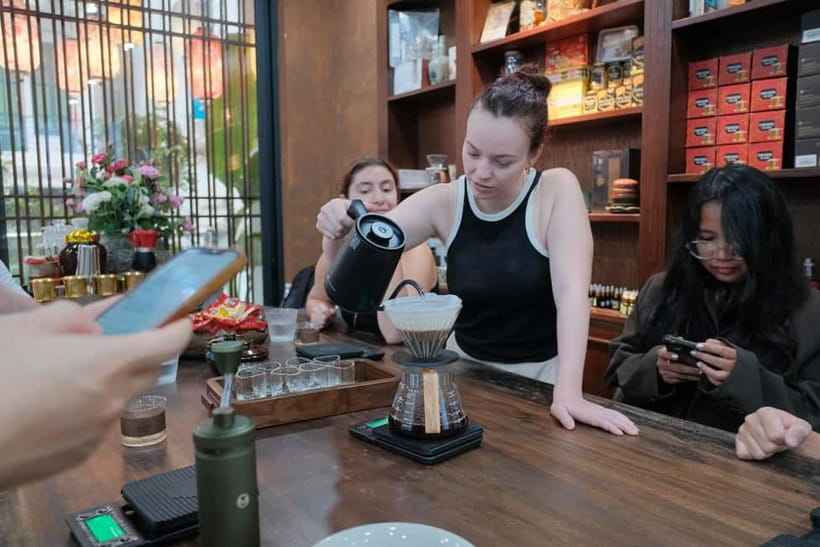
The final drink is a signature coffee cocktail, described as an espresso martini made with espresso, coffee liqueur, and vodka. The result is creamy, strong, and energizing, with a clear alcoholic kick.
The workshop also includes a selection of local Vietnamese wines. This gives the last part a more social feel, but it changes the practical advice for the day. You are no longer doing a caffeine tasting alone. You are combining several coffee drinks with sugar and alcohol.
If you do not drink alcohol, request a menu change in advance. Special dietary requirements can also be discussed, and the menu may be adjusted on request. The information provided does not specify every possible substitute, so ask before booking if you need a precise alternative.
For many people, the cocktail is a fun finish. For others, it may be too much after five coffee preparations. You can treat it as a tasting rather than a full drink, and you should plan to drink water during the session.
The café setting and three-hour pace
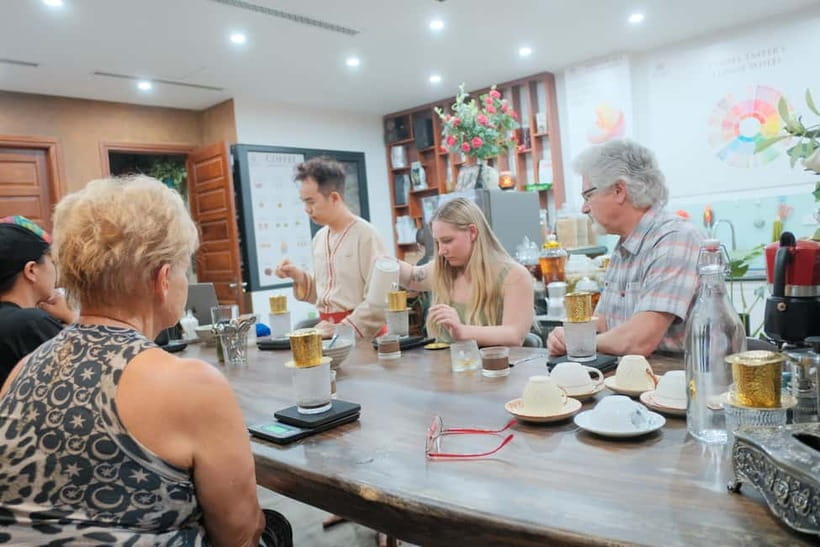
The experience lasts about three hours. It begins with welcome refreshments for roughly 15 minutes, followed by around two hours and 45 minutes of workshop time at a local café.
That length is useful because the subject needs room to breathe. A one-hour tasting could introduce the drinks, but it would not leave much time for grinding, filtering, whipping, tasting, and questions. Here, the pace allows you to make several recipes without turning every step into a hurried demonstration.
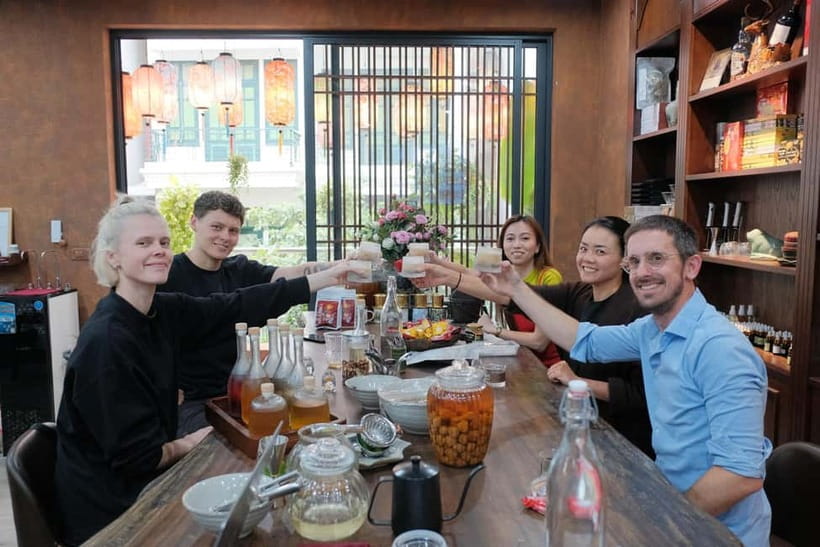
The setting is described as relaxed and classy rather than a large production venue. That suits the subject. Coffee is best learned at a worktable where you can see the tools and follow the guide closely.
The group format can also help solo visitors. You make drinks alongside other people, and the practical tasks give conversation a natural focus. A private group is available if you want a more personal pace or a customized menu.
Guides who make the difference
The strongest part of this activity is the teaching. Names appearing among the instructors include Lin, Val, Phil, Giang, Jessica, Luka, CeCe, Lyon, and Chiang.
The teaching style varies by guide, but the useful pattern is consistent: clear English, enthusiasm, practical demonstrations, and willingness to answer questions. Lin is praised for explaining origins and preparation in detail. Val is noted for careful pre-class communication as well as her coffee knowledge. Phil is described as especially strong with both coffee and Vietnam in general.
Giang is known for a cheerful approach and clear instruction. Jessica is praised as a warm host, while Luka brings humor and patience to the session. These details matter because a coffee workshop can quickly become dull if the instructor treats recipes as a script.
The guides also help bridge the gap between coffee fans and beginners. You do not need prior barista training. At the same time, people who already work with coffee can still find useful comparisons in Vietnamese beans, dark roasting, traditional tools, and local recipes.
Meeting point, pickup, and practical planning
The meeting point is at Alley 75, Lane 173, Hoang Hoa Tham Street. Look for the intersection with the large yellow Bia Hoi Mau Dich sign, where the team will meet you and lead you to the venue.
Hotel pickup and drop-off are available within Hanoi’s Old Quarter area. If you stay outside the French Old Quarter, pickup may cost extra. Private groups within 10 kilometers of the Hanoi Post Office receive complimentary pickup, and private bookings can adjust the start time, finish time, pickup point, and menu.
Pickup timing usually falls within a 15 to 20 minute window, but Hanoi traffic and weather can shift the schedule. I would avoid placing a tightly timed attraction immediately after the workshop.
The activity returns to Hoan Kiem. That makes it easy to continue sightseeing in the central area, but remember that you may be carrying a full load of caffeine and sugar. This is better scheduled before a flexible afternoon than before a long, demanding excursion.
Free cancellation is available up to 24 hours before the activity, and you can reserve now and pay later. Those terms are helpful if your Hanoi schedule is still moving around.
What you take home after the workshop
The recipe book is one of the most useful inclusions. It gives you a way to recreate the drinks rather than leaving with only a pleasant memory and a vague idea of what went into the cup.
You also receive digital copies of coffee books connected with the workshop. A professional certificate is available if requested, though most people will value the recipes more than the certificate.
The activity includes special coffee equipment for use during class, welcome refreshments, snacks, coffee ingredients, cocktails, and local wines. Personal expenses are not included, so allow for your own transport if you are not using the pickup option and for anything you buy separately.
At $23, the package makes sense if you want an activity rather than a quick tasting. If you only want to try egg coffee, you can do that much more cheaply at a Hanoi café. The workshop earns its price through instruction, equipment, variety, and the chance to make the drinks yourself.
Who should book this experience
I would recommend it most strongly to coffee lovers, curious food visitors, solo visitors who enjoy social activities, and anyone who wants a weather-proof Hanoi plan.
It also suits people who do not usually drink black coffee. The egg, coconut, and salt recipes show different ways to soften, sweeten, or reshape a strong brew. You can learn about Vietnamese culture without needing expert taste buds.
Families should consider the caffeine and alcohol content before booking. The supplied information does not set a child age limit, so ask the provider if children are part of your group. The same advice applies to anyone sensitive to caffeine, sugar, dairy, eggs, or alcohol.
The class is less suitable if you want a quiet, low-intake morning or a short stop between major sights. Three hours is a real commitment, and the full menu can leave you feeling over-caffeinated.
Should you book the Hanoi salt coffee workshop?
Yes, if you want to understand Vietnamese coffee through action rather than a quick cup at a café. The strongest reasons are the six-drink format, the traditional tools, the practical quality tips, and the guides’ clear enthusiasm for their subject.
Book it early in your Hanoi stay if you plan to buy beans or visit more cafés afterward. You will recognize brewing methods and ingredients more easily. Choose a flexible time of day, drink water, and treat the cocktail and wine as tastings.
At $23, this is good value for a three-hour cultural activity. It will not replace a professional barista course, and the caffeine, sugar, and alcohol may be too much for some people. For most visitors who enjoy food, coffee, and a friendly lesson, it is one of the more useful ways to spend a morning in Hanoi.
FAQ
How long does the Hanoi coffee workshop last?
The activity lasts three hours. It includes about 15 minutes of welcome refreshments followed by roughly 2 hours and 45 minutes of workshop time.
What drinks will I make?
The program includes Vietnamese salt coffee, egg coffee, original Vietnamese brown coffee, coconut coffee, pour-over coffee, and a signature coffee cocktail. The cocktail is described as an espresso martini made with espresso, coffee liqueur, and vodka.
Is the workshop taught in English?
Yes. English is the listed language for instruction. Guides named in the available information include Lin, Val, Phil, Giang, Jessica, Luka, CeCe, Lyon, and Chiang.
Where is the meeting point?
Meet at Alley 75, Lane 173, Hoang Hoa Tham Street. Stand at the intersection by the large yellow sign marked Bia Hoi Mau Dich, where the team will welcome you and guide you to the venue.
Is hotel pickup available?
Pickup and drop-off are available within Hanoi’s Old Quarter area. Locations outside the French Old Quarter may require an additional fee. Private groups receive complimentary pickup within 10 kilometers of the Hanoi Post Office.
Can the menu be changed for dietary needs?
Yes. The menu can be changed on request for special dietary requirements. Contact the provider before the workshop so the requested changes can be discussed.
What is included in the $23 price?
The price includes the coffee workshop, instructor guidance, equipment use, welcome refreshments and snacks, the listed coffee drinks, signature coffee cocktails, local Vietnamese wines, a recipe book, and digital coffee books. A professional certificate is available if requested. Personal expenses are not included.
More Workshops in Hanoi
- Hanoi: Handcrafted Wood Carving Workshop with Local Artisan
★ 5.0 · 733 reviews - Bat trang Pottery Ceramics Class in Hanoi’s Old Quarter | VN
★ 4.9 · 240 reviews - Ha Noi Egg Coffee Class
★ 5.0 · 227 reviews - Hanoi Coffee Class learning 5 famous coffee in Hanoi
★ 5.0 · 161 reviews
Just added around Hanoi
- Private Crowd Free Hanoi: Morning Highlights of the City Experience★ 4.5 · 124 reviews
- Hoa Lo Prison and Little Paris Tour in Hanoi (French Quarter)★ 5.0 · 20 reviews
- Hanoi’s Old Quarter Street Food Experience and Train Street★ 5.0 · 22 reviews
- Old Quarter Food Tour in Hanoi★ 5.0 · 104 reviews
- Retro Hop-on-hop-off Bonbon City Tour: Classic Package★ 4.0 · 32 reviews
- [Hi-end] Private Hanoi Street Food Tour With Real Foodie★ 5.0 · 154 reviews
- Hanoi Street Food Tour★ 5.0 · 27 reviews
- Private Tour: Hanoi Street Foods – Train Street – Hidden Gems★ 5.0 · 24 reviews
Coffee Experiences, compared.

Vietnamese Coffee Culture and Coffee Making Class
Read our review →
Hanoi Coffee Experience: 6 Brews, 9 Recipes & 3 Liquor Tastings
Read our review →
Early Morning My Son Sanctuary Trip w. Champa Food & Coffee
Read our review →
Da Nang Cooking Class with Coffee Tasting and Market Visit
Read our review →
Fun & Easy Vietnamese Coffee Workshop in Hồ Chí Minh City
Read our review →
Hanoi Cooking Class: Pho/Bun Cha/Banh Xeo…+Free Egg/Salt Coffee
Read our review →
Coffee Farm Tour with Roasting & Tasting Workshop – Da Lat
Read our review →
Experience specialty coffee with sustainable coffee farmers
Read our review →Browse the lists this tour appears in