
Reviewed · GUIDED
Sapa : Climb up to Fansipan mountain with Local Guide
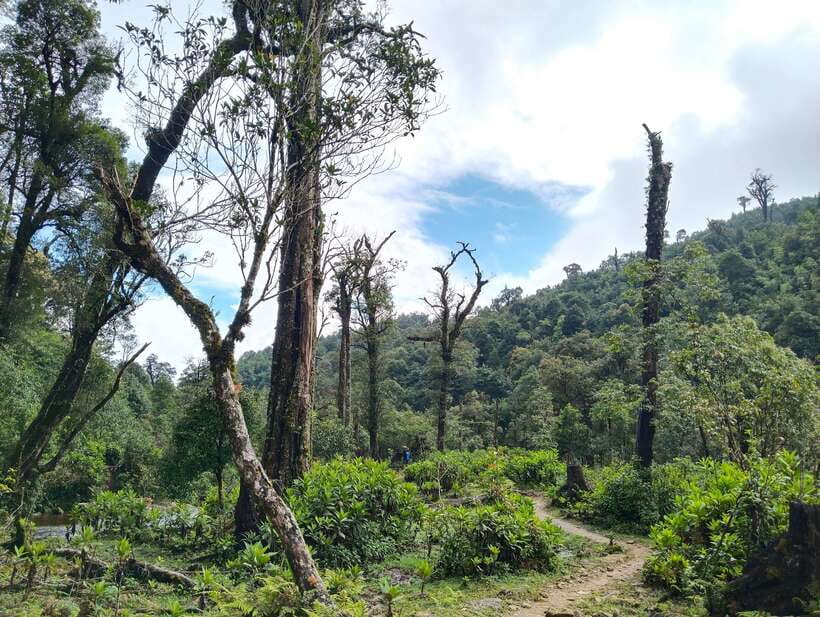
Fansipan is not a casual hill walk. You start near Tram Ton Pass at about 1,800 meters and work your way to the 3,143-meter summit through changing forest, mud, stone steps, and rougher sections near the top. The reward is a real mountain day, not just a quick cable-car photo.
I like the local Black Hmong guiding and the homemade lunch, often prepared by Za or another guide from his team. I also like the practical support: hotel pickup, transport, water, gloves, a certificate, and the option to take the cable car down if your legs have had enough. The main drawback is simple: this is a hard one-day climb, and cloud or rain can hide the summit views.
Key points before you book
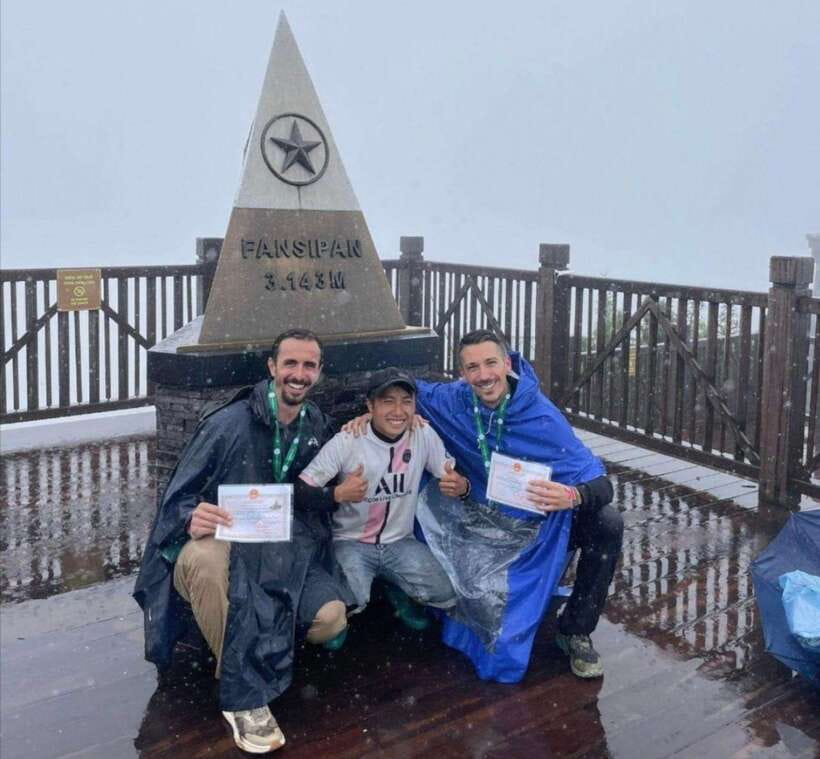
- A genuine summit day: You climb from Tram Ton Pass to 3,143 meters, then walk back down unless you choose the cable car.
- Local guides with personal care: Za, Zo, Khu, Mai, and other team members guide different departures, with English support and local knowledge.
- The descent is the real test: The climb can take 7 to 9 hours, and some people find the way down harder than the ascent.
- Lunch is part of the experience: Expect a filling picnic meal, often banh mi or food cooked by the guide at a mountain stop.
- Weather changes fast: Rain can turn the path muddy and extend the day. Clouds may cover the summit even when lower views are clear.
- Good value at $72: Transport, entrance fee, guide, lunch, water, gloves, and a certificate are included. A porter is included for groups of four or more.
Starting at Tram Ton Pass before sunrise
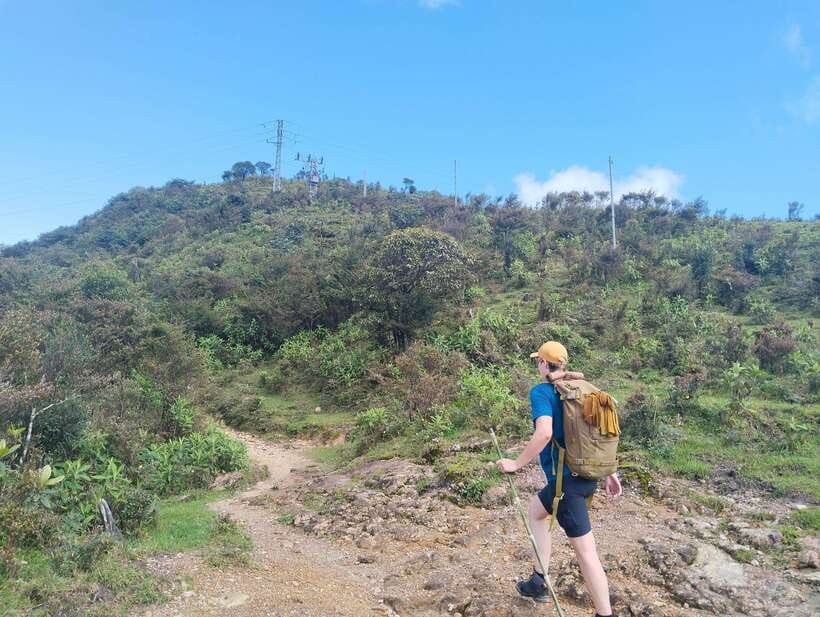
Your day begins around 5:30 AM, when the guide and driver collect you at the Stone Church in Sapa or at a hotel along the road to Tram Ton Pass. Depending on the group and arrangements, you travel by car or motorbike. The drive gets you out of town quickly and puts you at the trailhead near 1,800 meters by about 6:00 AM.
This early start matters. You have a long way to go, and the mountain weather is easier to manage when you are not trying to rush the final hours. Za is also known for sending clear instructions before the hike, including what shoes and clothing to bring. That sort of preparation is useful here because Sapa’s cool town air can be misleading. Higher up, the trail may be wet, cold, windy, or warm enough to make you sweat.
Tram Ton Pass is not the summit, but it is an excellent starting point for a serious day hike. From here, the route enters the Fansipan mountain area and begins climbing through forest. Your guide sets the pace, points out the route, and watches how the group is handling the effort.
A few more Sa Pa trips worth comparing
- Sa Pa: Muong Hoa Valley Trek and Local Ethnic Villages
★ 4.6 · 864 reviews - Sapa: Eco Adventure Terrace Fields and Local Villages Trek
★ 4.9 · 636 reviews - From Sapa: 1-Day Guided Trek to Lao Chai & Ta Van with Lunch
★ 4.9 · 416 reviews
Climbing through changing forest
The first part of the walk gives you a gradual introduction to the mountain. Forest types change as you gain height, and you may see cardamom, the spice plant grown in the region. The route also offers views toward Muong Hoa Valley, along with mountain scenery that changes as cloud moves through the ridges.
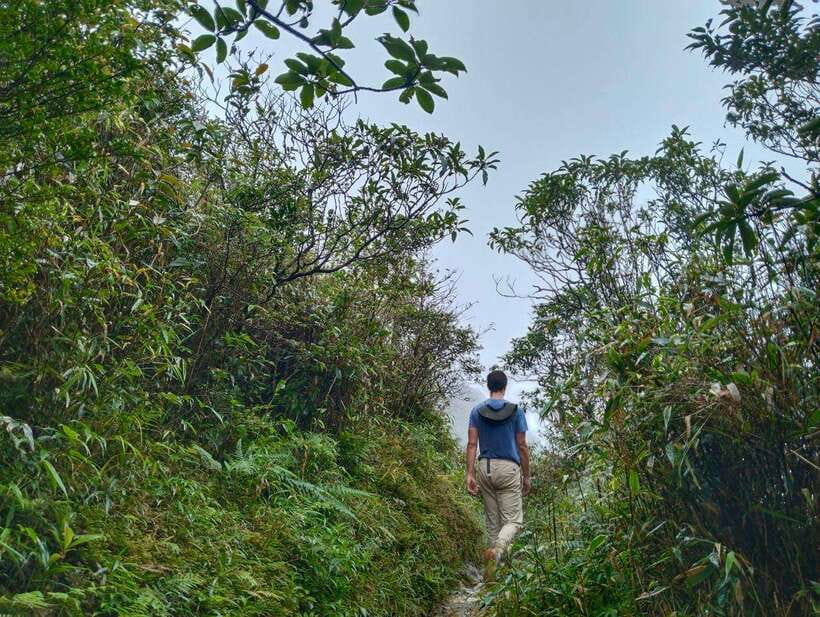
The trail is not described as highly technical, but you should expect rocky sections, many stairs, uneven ground, and some light scrambling. You use your hands at times, especially on steeper or rougher parts. This is not a climb requiring special mountaineering skills, but it does demand good balance, healthy joints, and enough stamina to keep moving for most of the day.
I would rate it moderate to challenging for a fit hiker, and harder if you are not used to long climbs. One useful personal benchmark from the experience is the ability to run a 5K at a reasonable pace, but that is only a rough guide. Trail fitness, steep-ground confidence, and comfort with long descents matter just as much.
Your guide’s job is more than showing the path. Za and the other guides adjust the pace, stop for breaks, help with footing, take photographs, and keep an eye on safety. Several departures have included guides who prepared snacks, tea, coffee, or a hot meal higher on the mountain. That support can make a real difference when your energy drops.
A local view of Fansipan and Sapa
A strong part of this trip is the chance to learn about the area from someone who lives here. Za is a member of the Black Hmong community in the Sapa region, and guides such as Zo, Khu, Mai, and other team members bring their own local perspective.
The cultural side is not a separate performance added to the hike. It comes through during breaks and while walking: stories about Black Hmong life, the mountain, nearby communities, plants, farming, and daily routines. If you like learning where you are while doing something active, this is more meaningful than a standard summit transfer.
Do not expect a nonstop talk. You are climbing, breathing hard, and stopping to drink water. The best conversations happen during easier sections and rest stops. English is provided, and Za is particularly comfortable explaining the area and chatting throughout the day.
Lunch on the mountain
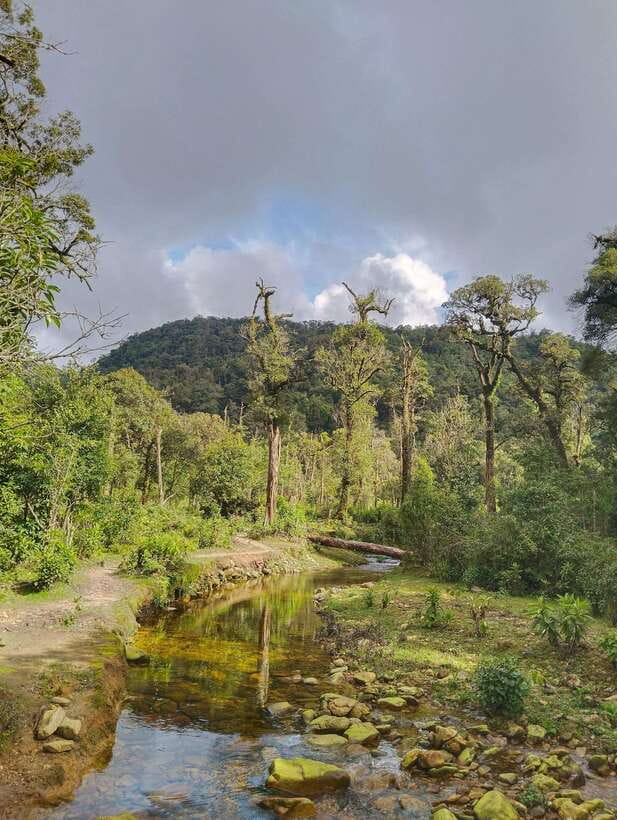
Lunch is one of the most praised parts of this outing, and it is worth understanding what that means. You are not simply handed a snack and sent on your way. Depending on the group and guide, lunch may be a substantial banh mi meal or food cooked at a mountain stop, sometimes with soup, drinks, and additional snacks.
Timing varies. One departure had lunch quite early, around 9:00 AM, while another included a meal near 2,800 meters. That is not a problem, but it means you should eat something before setting off or bring a little extra food if you normally eat lunch later.
The included 1.5 liters of water is useful, but I would still ask how much water you should carry for the full day. The information provided confirms the included amount, not the total amount available along the route. Gloves are also supplied, a small item that becomes welcome on cold, wet, or rocky sections.
A hot meal prepared by the guide can feel surprisingly good in the middle of a long climb. It also gives the day a local touch that a packaged tour usually misses.
More guided tours in Sa Pa:
- Sa Pa: 6-Hours Muong Hoa Valley Trek with Local Ethnic guide
★ 4.5 · 178 reviews - Sapa Trekking Bargains With Local Guide
★ 4.9 · 91 reviews - From Sapa: Guided Full-Day Trekking with Lunch and Drop-Off
★ 4.2 · 86 reviews - Sapa: Local Exploration on a Guided Motorbike Tour
★ 4.2 · 37 reviews
Reaching the 3,143-meter summit
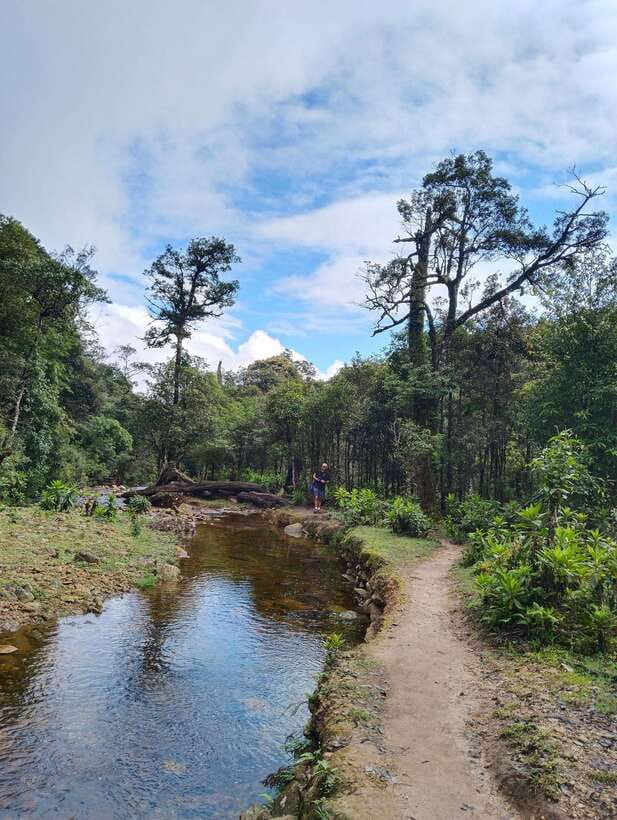
The final hours are the toughest. The path becomes steeper, your legs are tired, and the altitude adds another challenge. One useful warning is that the last two or three hours can feel much harder than the opening stretch.
At the summit, you reach 3,143 meters, the highest point in Indochina. If the weather is clear, you get broad mountain views and a fine setting for photographs. If clouds roll in, the summit may be gray and crowded with people who have arrived by cable car. That can be disappointing if you are hoping for a postcard view, but it does not erase the achievement of walking there from Tram Ton Pass.
Weather is completely outside the guide’s control. Rain, fog, and poor visibility have affected otherwise successful outings. On some days, hikers have had clear views during the ascent but cloud at the top. On others, the entire route has been wet and misty. Pack for the mountain itself, not for the forecast in Sapa town.
You receive a Fansipan climbing certificate, and some departures also include a medal. These are modest souvenirs, but after several hours on your feet, they feel deserved.
The descent and the cable-car decision
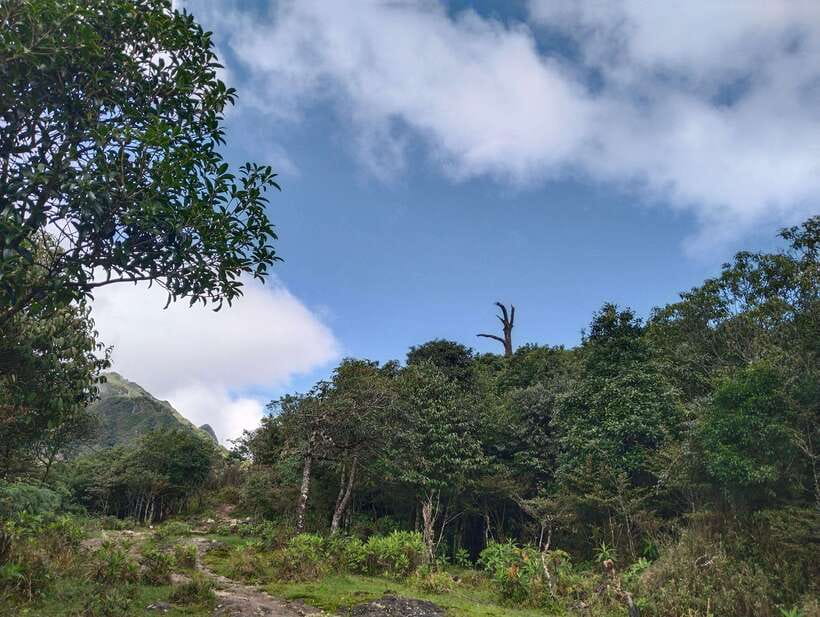
The advertised day runs about eight hours, but the climb and descent can take 7 to 9 hours, and some groups have taken about 10 hours with breaks and difficult conditions. The planned return is on foot to Tram Ton Pass, where the driver takes you back to Sapa between roughly 4:00 PM and 6:00 PM.
This is where you need to be honest with yourself. Walking down is not simply the easy part because gravity is helping. Tired knees, loose stones, wet ground, and steep steps can make the descent more demanding than the climb. One person found the descent more difficult, while another enjoyed it because it allowed more time with the scenery.
You can choose the cable car down from near the summit if you are too tired. The cable-car ride is not included, and the transfer from the cable-car station to your accommodation is also excluded. The additional ticket has been reported at about 800,000 Vietnamese dong per person, and you should carry cash because payment arrangements may vary.
The cable car is a sensible backup, not a failure. If you are unsure about completing the return walk, budget for it before you start. Your guide can stay with you and help arrange the change, but the extra cost is yours.
What the $72 price really covers
At $72 per person, this is a solid value if you use the included services. The price covers the guide, entrance fee, transport, picnic lunch, 1.5 liters of water, gloves, and the climbing certificate. For groups of four or more, a porter is included, which can reduce the load during a long day.
Transport to and from Sapa matters because the trailhead is outside town. You are not left to find your own way to Tram Ton Pass at dawn. The guide also handles the practical side of the climb, including route support and, according to the arrangements described, the permits needed for the hike.
The price does not include personal travel insurance or the optional cable-car return. Add that possible cable-car fare to your budget if you are not confident about walking down. At the summit, the cable-car area can also be busy because many people reach Fansipan without hiking from the pass.
The free cancellation policy allows cancellation up to 24 hours before departure for a full refund, and you can reserve now and pay later. Those terms are useful in Sapa, where rain and mountain conditions can change your plans.
Who should take this hike
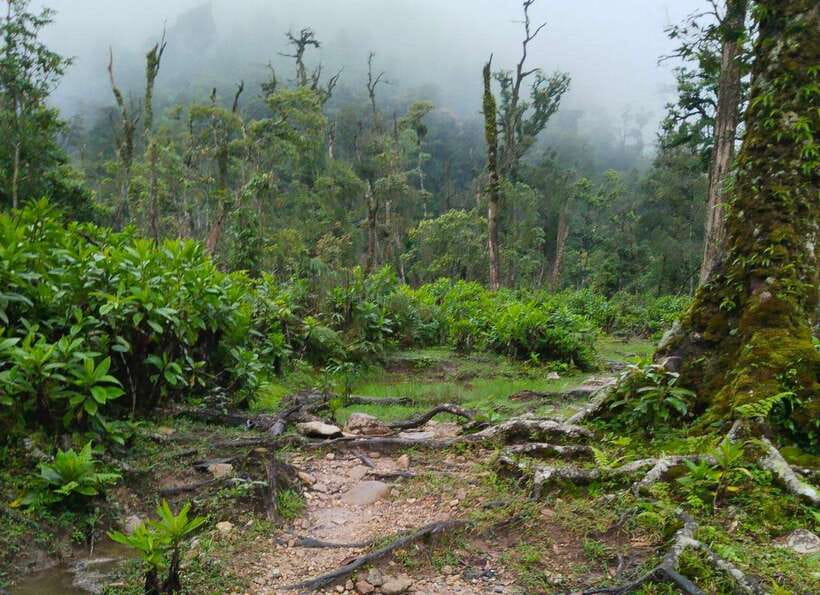
I would choose this outing if you want a demanding physical challenge, local company, and a full day in the mountains. It suits hikers who are comfortable with steep ground, long hours, light scrambling, and changing weather.
It is not suitable for children under 15 or people over 70 under the stated conditions. You also need to be in good physical condition. The route is not presented as a technical climb, but it is still a serious effort. If your idea of a mountain trip is a gentle walk followed by a restaurant lunch, choose the cable car instead.
Bring hiking shoes or sturdy closed-toe shoes, rain gear, a long-sleeved shirt, a T-shirt, and clothing you can adjust as conditions change. Comfortable shoes alone are not enough if the trail is muddy. You should also consider travel insurance that covers hiking.
Altitude can affect you even if you are fit. One participant experienced headache and tiredness and wished they had prepared for altitude symptoms. The tour information does not recommend a specific medication, so speak with a medical professional before your trip rather than treating the mountain casually.
Guide quality and group care
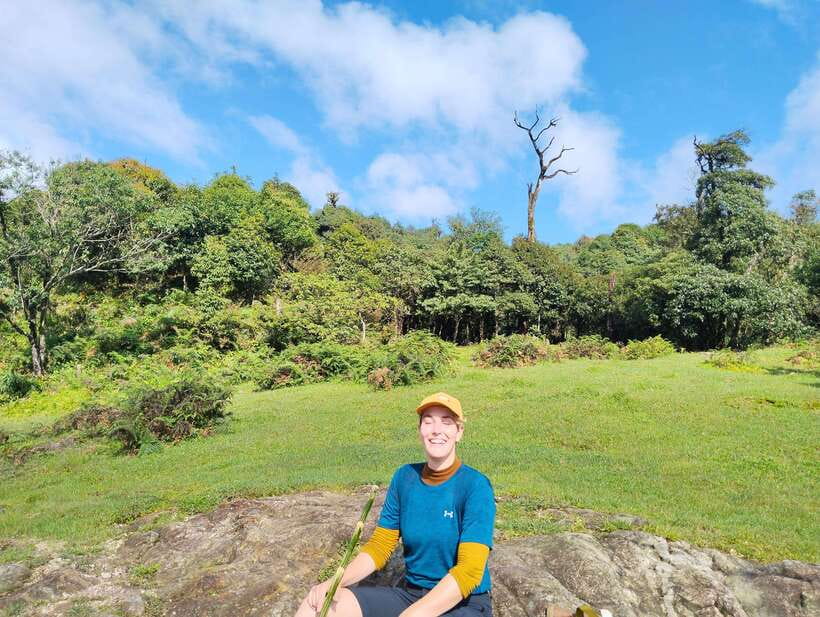
The guide makes a major difference on a climb like this. Za receives especially strong praise for clear communication before the hike, careful pacing, good English, local stories, photography, transport, and encouragement when the route becomes tiring.
That said, you may not always be guided by Za personally. The team also includes guides such as Zo, Khu, Mai, and others. The exact guide depends on the departure. Reports describe guides who are patient, safety-conscious, friendly, and able to prepare lunch, but you should confirm who will lead your group if having Za specifically matters to you.
Groups may be arranged according to fitness level. That is valuable because a fast hiker and a first-time mountain walker can have very different needs. Still, pace can feel brisk to some people, and the total day may run longer than the neat eight-hour description suggests.
Should you book the Fansipan climb?
Book it if you want to earn the summit on foot and you value a local guide more than a polished, large-scale tour operation. The combination of transport, food, cultural conversation, practical care, and a cable-car escape route gives you flexibility at a fair price.
Think twice if you dislike mud, steep stairs, fog, or long descents. Also think twice if your schedule cannot absorb a late return to Sapa. For the right person, this is a memorable mountain challenge, even when the summit disappears into cloud. For the wrong person, the cable car is the better choice from the start.
FAQ
Where does the Fansipan hike start?
The guide and driver meet you at Stone Church in Sapa or at hotels along the route from Sapa to Tram Ton Pass. The trek starts at Tram Ton Pass, about 1,800 meters above sea level.
Where does the activity finish?
The activity ends back at the meeting point in Sapa after transport from Tram Ton Pass.
How long does the hike take?
The activity is listed as eight hours, while the climb and descent may take about 7 to 9 hours. Some groups have taken around 10 hours with breaks and difficult weather.
What time does the tour start?
Pickup is scheduled for about 5:30 AM, with the trek beginning near 6:00 AM. Exact starting times should be checked when booking.
How high is Fansipan?
The summit is 3,143 meters above sea level. Fansipan is the highest mountain in Indochina.
Is the cable car included?
No. The optional cable-car return is not included. The transfer from the cable-car station to your accommodation is also not included.
How much does the cable car cost?
The additional fare has been reported at about 800,000 Vietnamese dong per person. You should carry cash for this possible expense.
What is included in the $72 price?
The price includes a guide, entrance fee, picnic lunch, transport, 1.5 liters of water, gloves, and a Fansipan climbing certificate. A porter is included for groups of four or more.
Is the hike suitable for children?
The activity is not suitable for children under 15. It is also not suitable for people over 70 under the stated conditions.
What should I bring?
Bring comfortable hiking shoes, closed-toe shoes, rain gear, a long-sleeved shirt, and a T-shirt. Prepare for mud, rain, cold conditions, and unpredictable weather at altitude.
Just added around Sa Pa
- Sapa3D2N TrekkingAdventures,Valleys,Bambooforest,Waterfall★ 4.8 · 24 reviews
- Sapa: Y Linh Ho – Lao Chai, and Ta Van Trekking Day Tour★ 5.0 · 25 reviews
- Sapa: Ta Phin Village Trek & Red Dao Herbal Bath★ 5.0 · 22 reviews
- Sapa Trekking Bargains With Local Guide★ 4.9 · 91 reviews
- Sapa: Private Highlights Day Tour with Lunch★ 4.8 · 61 reviews
- From Sapa: Guided Full-Day Trekking with Lunch and Drop-Off★ 4.2 · 86 reviews
- Sapa: Love Silver Waterfall, LonelyTree in Heaven-Rice Field★ 4.9 · 28 reviews
- Sapa: Muong Hoa Mountain Views and Villages Trek with Lunch★ 4.3 · 28 reviews
Guided, compared.

Mekong Delta Guided Tour from Ho Chi Minh City
Read our review →
Ninh Binh Full-Day Small Group of 9 Guided Tour from Hanoi
Read our review →


Ha Giang Tour 3-Day-2-Night, English Speaking Guide, Small Group
Read our review →
Cu Chi Tunnels Half-Day History Tour with Guide
Read our review →
Half-Day Cu Chi Tunnels Guided Exclusive Experience with Pick Up
Read our review →Browse the lists this tour appears in