
Reviewed · HIKING & TREKKING
Sapa: Eco Adventure Terrace Fields and Local Villages Trek
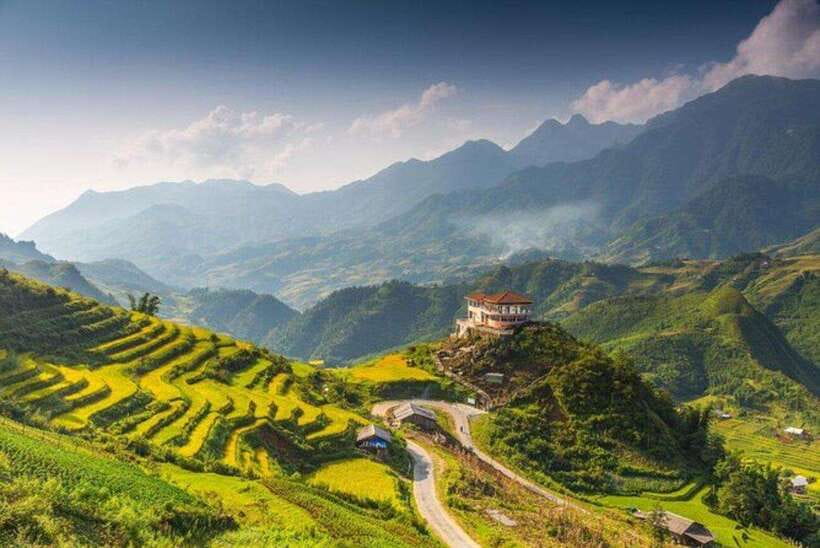
Sapa’s best day walks lead away from town and into the Muong Hoa Valley, where rice terraces, streams, wooden homes, and working farms replace the souvenir shops. This trek gives you a close look at Hmong and Dzay life, not just a quick photo stop.
I like the personal touch of guides such as Chai and Vu, who explain family life, customs, clothing, and village history in clear English. I also like the included lunch with a local family, which turns a pretty walk into a fuller cultural outing.
The main catch is the trail itself. This is a real 10 to 12 kilometer hike, with slippery and muddy sections, especially after rain. If you want a gentle stroll or have weak knees, this is not the right Sapa excursion.
Key points to know before you go

- A full valley trek: Walk for roughly 10 to 12 kilometers through rice terraces and several villages.
- Local guides matter: Guides including Chai, Vu, Chay, Wu, and Rou are praised for clear English and warm, personal explanations.
- Mud is part of the deal: Rent or bring suitable boots after wet weather, since the opening section can be slick.
- Three village areas: Visit Y Linh Ho, Lao Chai Sang, Lao Chai, and Ta Van, with the route passing through Hmong and Dzay communities.
- Lunch is included: Stop for a traditional meal in or near Lao Chai Sang, with vegetarian and vegan choices available according to recent experiences.
- Good value at $27: The price covers an English-speaking ethnic guide, entrance tickets, and lunch, but not drinks or hotel transfers.
Why this Sapa trek is worth your day

Sapa is famous for its mountain views, but the town itself can feel busy and tourist-focused. This walk takes you down into the valley, where the pace is slower and the scenery has a practical purpose. Rice terraces are not planted as decoration. They are working fields, shaped over generations to grow crops on steep hillsides.
That makes the walk more interesting than a simple viewpoint tour. You may see farmers planting or harvesting, depending on the season. Along the way, the route passes water buffalo, pigs, ducks, chickens, dogs, streams, and homes made in traditional styles. The guide helps connect those details to daily life.
The cultural side is the main reason I would choose this outing. Guides explain how Hmong families live, the work done by local women, traditional clothing, and the customs of the villages. Several guides, especially Chai and Vu, are praised for using personal stories rather than delivering a dry speech.
At the same time, you should keep your expectations realistic. This is not a wilderness hike. Parts of the route use village roads or paved paths, and there are other walking groups in the valley. It is a working rural area, not a private nature reserve. That is part of its value, but it also means the experience includes local commerce and the normal activity of village life.
More Trekking Tours in Sapa
- Sa Pa: Muong Hoa Valley Trek and Local Ethnic Villages
★ 4.6 · 864 reviews - From Sapa: 1-Day Guided Trek to Lao Chai & Ta Van with Lunch
★ 4.9 · 416 reviews - Sapa 1 Day Long Trek: Trek to Hau Thao and Sa Seng Villages
★ 4.6 · 344 reviews
Starting at Sapa Church at 9:00 AM
Your meeting point is in front of Sapa Church in the town center. The group is limited to 10 people, which is a useful size for a walk that includes narrow paths and uneven ground. A small group also makes it easier to ask questions and stay near the guide.
Bring the WhatsApp number requested at booking so the guide can contact you if needed. Hotel transfers are not included, so you need to reach the church yourself. If you are staying outside central Sapa, allow time for that walk or arrange your own local ride.
The day begins with a short climb to a hill viewpoint. On a clear morning, you can look toward Fansipan Peak and see the mountains opening beyond town. Do not count on a perfect view. Sapa is often cloudy or misty, particularly in cooler or wet weather. One useful feature of this route is that even when the morning is foggy, conditions can clear later in the day.
The first section also sets the tone for the physical effort. The trek soon heads down toward the valley, and the descent can be steep in places. After rain, mud may cover the trail for the first hour or two. Some people choose an easier road option when available, but the rougher trail offers the more rewarding walk through the fields.
Muong Hoa Valley and the first muddy miles

The Muong Hoa Valley is the visual heart of the day. Terraces fold across the hillsides, while high mountains frame the route. Streams and narrow bridges break up the walking, and the valley gives you long views when the clouds lift.
The trail can change greatly with the weather. In dry conditions, it is a manageable medium-difficulty walk. After rain, the same path becomes slippery, with deep mud and tricky downhill sections. Several participants have found rented gumboots useful, and local women sometimes help walkers across the worst patches.
That help is worth treating with respect. Women from nearby villages may walk part of the route with you, steadying you on muddy ground and selling handmade clothing or bags later. They are part of the local economy, and a small purchase can be a thoughtful way to support village households. You are not required to buy anything, but carrying some cash gives you the choice.
Wear clothes that can get dirty. This is not the place for your best trousers or delicate shoes. Hiking shoes work in dry weather, but waterproof boots or rented gumboots make better sense after rain. Insect repellent is also listed as something to bring, and a warm layer is useful because Sapa weather can shift quickly.
Y Linh Ho and the Hmong valley route

Around 11:00 AM, the trek reaches Y Linh Ho Village, a Hmong community set beside a river. Crossing the small bridge gives you a clear sense of how closely village life is tied to the valley’s water and farmland.
The route from here continues toward Lao Chai Sang. This is where the views begin to open across long rows of rice fields, with mountains rising above them. The path moves between terraces, streams, homes, and farm plots. You are not simply looking at scenery from a bus window. You are walking through the places where people work and live.
Your guide is especially useful here. A local English-speaking guide can explain details that would otherwise pass unnoticed, such as clothing, farming routines, household life, and the differences between ethnic communities. The guides most often praised for this kind of conversation include Chai, Vu, Chay, Wu, and Rou. Names can be spelled in different ways, but the important point is to expect a local guide who leads the group and interprets the setting.
The walk is also a good chance to ask direct questions. If you are curious about village schooling, farming, local work, or clothing production, this is the time to ask. The guides are not only there to point out a mountain. They help you understand the people who make this valley their home.
More Trekking Tours in Sa Pa:
- Explore Sapa: 2D1N Trekking & Hmong Culture With Dinh
★ 4.9 · 191 reviews - Sa Pa: 6-Hours Muong Hoa Valley Trek with Local Ethnic guide
★ 4.5 · 178 reviews - Sa Pa: 2-Day Trekking Trip with Ethnic Minority Homestay
★ 4.7 · 145 reviews - Half Day Sapa Trekking to Visit Lao Chai – Ta Van
★ 4.7 · 126 reviews
Lunch near Lao Chai Sang

At about 12:30 PM, you stop for lunch with a local Hmong family in Lao Chai Sang, or at a small local restaurant in the village area. The exact setting can vary, but the meal is intended to be traditional and local rather than a standard city restaurant stop.
Lunch is important on this tour for two reasons. First, you need the break. By midday, you have already covered a demanding opening section, often including steep and muddy ground. Second, food gives you another way to connect with the region. A shared meal slows the day down and lets you talk with the guide outside the rhythm of walking.
Vegetarian choices are available, and recent experiences also report vegan options. Still, if you have a serious allergy or strict dietary need, explain it before the trek begins. Drinks are not included, so bring money for water or other refreshments.
The meal is one of the better value points in the $27 price. You are paying for a guide, entrance tickets, and lunch, rather than only a marked walking route. Prices in Sapa vary widely, and a low-cost tour can sometimes feel thin once extra fees are added. Here, the main inclusions cover the parts you are most likely to need during a full day outside town.
Lao Chai Village and Hmong daily life

After lunch, the trail continues to Lao Chai Village. The scenery remains the draw, but the human details become more noticeable. Depending on the season, you may see planting, harvesting, or other farm work taking place in the terraces.
The guide also introduces you to Hmong daily life and traditional clothing-making. This is a useful part of the experience because it moves beyond the usual Sapa postcard. Clothing is not just a colorful display for photographs. It carries links to identity, skill, family work, and local custom.
You may have a chance to look inside a local home, depending on the day and the people you meet. Treat that as an invitation, not an entitlement. Ask before taking photographs, and let the guide explain what is appropriate.
The route can feel more comfortable after the muddy opening. Some sections use firmer paths, village roads, or paved surfaces. That creates a mix of adventure and easier walking, though people looking for a nonstop mountain hike may find parts of it less rugged than expected.
Ta Van and the Dzay community

The final village stop is Ta Van, associated with the Dzay minority. Reaching Ta Van gives the day a useful cultural contrast. You have spent much of the route learning about Hmong communities, then encounter another ethnic group with its own customs and local identity.
The guide can help you notice differences without turning the villages into a checklist. Listen for explanations about clothing, homes, work, and traditions. The value is in the comparison, not in rushing from one photo stop to the next.
By late afternoon, the trek returns to Sapa, usually around 3:30 PM. Some departures finish closer to 4:00 PM, particularly when mud, group pace, or the return road causes delays. Transport back to town is part of the end-of-day arrangement, but hotel pickup at the beginning is not included.
Do not plan a tight connection immediately after the walk. Sapa traffic can slow the final ride, and weather affects walking speed. Give yourself some breathing room for dinner or any evening train and bus plans.
What the guides add to the day

The most praised part of this experience is the guiding. Chai appears repeatedly as a warm, funny, patient, and clear English-speaking guide. She is described as taking care of people on slippery descents, explaining Hmong customs, and keeping a mixed group together.
Vu is also frequently praised for sharing personal stories and answering questions. Other named guides include Shou, Si, Le, Lien, Pai, Chan, Rou, Rose, and Wu. You cannot necessarily request a particular person, so book this for the route and format rather than one promised guide.
The guide’s role matters more here than on a simple city walk. Weather can hide the mountains, and mud can slow the group. A good guide keeps the day worthwhile by explaining the villages and helping people through difficult parts. The repeated praise for care, humor, and local information suggests that this is where much of the experience’s value lies.
Fitness, weather, and what to pack
The official walking distance is about 10 to 12 kilometers. That is manageable for someone with average walking fitness, but it is not a casual town outing. Expect uneven ground, hills, steps, muddy descents, and long stretches on foot.
The activity is not suitable for children under five, pregnant women, people with mobility impairments, wheelchair users, or people over 75. Those limits are practical rather than fussy. The route does not provide a smooth, accessible surface, and there is no vehicle support during the main trek.
Pack:
- Hiking shoes or waterproof boots
- Warm clothing, including a light layer for changing weather
- Insect repellent
- Water and some cash for drinks or local crafts
- Clothing that can handle mud
- A rain layer if the forecast looks unsettled
The route is most pleasant when the weather is dry and clear, but do not assume rain ruins it. Mist can soften the mountain views, and wet weather makes the trail harder. The tradeoff is simple: clear days give you better terraces and peaks, while wet days provide more mud and less visibility.
Is $27 good value?
At $27 per person, this is a strong value for a full day in Sapa. The package includes a local English-speaking guide, entrance tickets, and lunch. You are also getting a small group rather than a large coach excursion.
The price does not cover hotel transfers, drinks, or personal purchases. That is easy to manage, but budget for water and perhaps a handmade item from the village. You should also account for boot rental if the ground is wet.
The value is highest for people who want both scenery and cultural context. If you only want a viewpoint and a short walk, this is more time and effort than necessary. If you want a full valley route with a meal and village visits, the inclusions make the cost reasonable.
Free cancellation up to 24 hours before departure and reserve-now, pay-later booking also make it easier to fit around uncertain mountain weather. Still, flexibility does not change the trail conditions, so check the forecast and pack for the ground you may encounter.
Who should book this trek?
Book it if you enjoy active days, can walk 10 to 12 kilometers, and want to understand Sapa beyond the town center. It suits couples, solo visitors, families with older teenagers, and small groups that like asking questions and moving at a steady pace.
It is especially good for a first visit to Sapa when you want one full day that combines mountain views, farming areas, village life, and local food. It can also work well as an alternative to the more familiar Cat Cat route if you have several days in town.
Think twice if you dislike mud, need a flat trail, or want guaranteed views of Fansipan. The weather is outside anyone’s control, and the first part can be genuinely slippery. You may still enjoy the cultural side on a misty day, but the mountain scenery will be less certain.
Should you book the Sapa terrace fields trek?
I would book this tour if your idea of a good Sapa day includes muddy shoes, a long walk, a local lunch, and real conversation with a guide. The route gives you far more than a quick photo at a rice terrace, and the small group keeps the day personal.
I would skip it if you are looking for a relaxed scenic drive or have mobility concerns. For everyone else, $27 buys a well-filled day through Muong Hoa Valley, with strong local guiding and a useful look at Hmong and Dzay communities. Pack for rain, bring sturdy footwear, and leave room in your schedule for the trail to set the pace.
FAQ
Where does the trek start?
The guide meets you in front of Sapa Church in the town center at 9:00 AM. Hotel transfer service is not included.
How far do you walk?
The trek involves approximately 10 to 12 kilometers of walking and hiking.
Which villages does the route visit?
The route includes Y Linh Ho, Lao Chai Sang, Lao Chai, and Ta Van. Y Linh Ho and Lao Chai areas are associated with the Hmong community, while Ta Van is home to the Dzay minority.
Is lunch included?
Yes. A local lunch is included, usually around 12:30 PM near Lao Chai Sang. Vegetarian and vegan choices are available according to recent tour experiences.
What should I bring?
Bring warm clothing, hiking shoes, and insect repellent. You should also wear clothes that can get muddy and carry cash for drinks or local purchases.
Who should not take this trek?
The activity is not suitable for children under five, pregnant women, people with mobility impairments, wheelchair users, or people over 75. It is also a poor match for anyone seeking a very easy walk because the route can be steep, muddy, and slippery.
Just added around Sa Pa
- Sapa3D2N TrekkingAdventures,Valleys,Bambooforest,Waterfall★ 4.8 · 24 reviews
- Sapa: Y Linh Ho – Lao Chai, and Ta Van Trekking Day Tour★ 5.0 · 25 reviews
- Sapa: Ta Phin Village Trek & Red Dao Herbal Bath★ 5.0 · 22 reviews
- From Sapa: Guided Full-Day Trekking with Lunch and Drop-Off★ 4.2 · 86 reviews
- Sapa Trekking Bargains With Local Guide★ 4.9 · 91 reviews
- Sapa: Private Highlights Day Tour with Lunch★ 4.8 · 61 reviews
- Sapa: Love Silver Waterfall, LonelyTree in Heaven-Rice Field★ 4.9 · 28 reviews
- Sapa: Muong Hoa Mountain Views and Villages Trek with Lunch★ 4.3 · 28 reviews
Hiking & Trekking, compared.

Halong Bay Full Day with Kayaking, Hiking viewpoint, Cave – Deluxe To Luxury
Read our review →
Sa Pa: Muong Hoa Valley Trek and Local Ethnic Villages
Read our review →
Sapa 3 Days 2 Nights Trekking Tour (1 Night In Ta Van Village, 1 Night In Hotel)
Read our review →
2-Day Sa Pa Ethnic Homestay Tour & Trek with Limousine Bus
Read our review →
1-Day Guided Trek to Lao Chai & Ta Van with Lunch
Read our review →
Browse the lists this tour appears in