
Reviewed · COOKING CLASSES
Hoi An Authentic Cooking Class with Pro Chef in Small group
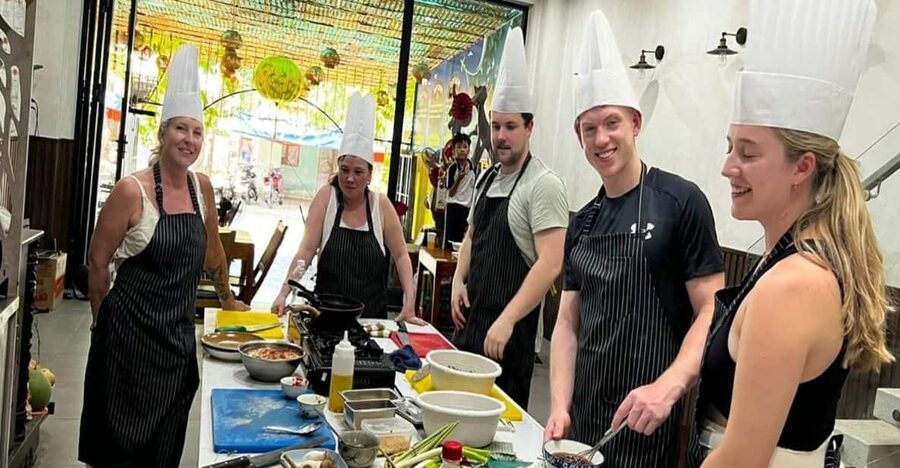
The best part of this Hoi An cooking class is its personal scale. Chef Thanh teaches in a home or small restaurant kitchen, where you can make your own spring rolls, salad, sauce, and noodle soup instead of simply watching a demonstration. I like the hands-on format and the chance to learn how Vietnamese ingredients work together, especially the balance of sweet, sour, salty, and spicy flavors. I also like that the class includes a real meal made by you.
The main consideration is that the menu can change with ingredient availability, and the optional market visit requires more walking and is not suitable for wheelchair users. The class itself is open to all cooking levels, but you should tell the operator in advance if you need a vegetarian or vegan menu.
Key points to know

- Chef Thanh teaches each person directly: Small groups, limited to 10, mean you get more than a seat at a demonstration.
- The market visit adds local context: You can shop for ingredients with the chef and learn how to deal with local sellers.
- You make several dishes: The usual menu includes sweet and sour sauce, green mango and prawn salad, Hoi An crispy spring rolls, and chicken or beef noodle soup.
- The noodle soup is a highlight: The broth is prepared with care, and the chef explains useful tricks for getting the flavor right.
- You eat what you prepare: Your three-hour class ends with a full traditional meal, not just a taste.
- The setting feels personal: The class takes place in a home or small restaurant kitchen, sometimes with Chef Thanh’s wife joining the welcome and meal.
A small Hoi An class with real kitchen time

Many cooking classes are really cooking demonstrations with a little chopping added for show. This one is designed differently. Each person gets a cooking station and takes part in the preparation, with Chef Thanh explaining the process step by step.
That matters if you want to repeat the recipes at home. You are not just collecting photos or sampling a finished dish. You learn how the food is built, why an ingredient is used, and what to watch for as you cook.
The class lasts three hours, or 210 minutes. That is enough time to prepare several dishes without turning the afternoon into a rushed race through a recipe sheet. The group is limited to 10 people, though the warmest, most personal sessions may have only four or fewer participants.
The English-language instruction is practical and friendly. Chef Thanh has many years of experience with Vietnamese food and has worked at the Four Seasons, according to the experience details shared during the class. He is described as patient and happy to answer questions, which is useful when you want to understand a technique rather than simply copy a movement.
More Cooking Classes in Hoi An
- Cooking Class Hoi An:Local Market, Basket Boat, Fishing & Cooking
★ 5.0 · 3,660 reviews - Hoi An Cooking Class(Market,BasketBoat Crabfishing&Cooking Class)
★ 5.0 · 3,386 reviews - From Hoi An: Market Tour, Basket Boat Ride and Cooking Class
★ 4.8 · 2,208 reviews
Optional market visit before cooking
If you choose the market option, the class begins with pickup from your Hoi An hotel by car or scooter. The chef takes you to a local market, where you learn about the ingredients used later in the kitchen.
This is more useful than a quick photo stop. You see the raw materials before they become a dish, and you get help dealing with local sellers. It gives you a better sense of how Vietnamese cooks select produce, herbs, seafood, noodles, and other daily ingredients.
The market visit also helps explain why Vietnamese food tastes fresh and layered. Green mango, prawns, herbs, chilies, and aromatics each have a clear job. You begin to see that a salad or dipping sauce is not just a list of items. It is a careful balance of texture and flavor.
The market trip is optional, so you can choose the cooking-only format if you have limited time or prefer to avoid extra walking. Pickup and drop-off are included when the pickup option is selected. You need to provide your hotel details, and the operator asks for a WhatsApp number, KakaoTalk ID, or Line ID to confirm the meeting location.
Making sweet and sour chili sauce

The first preparation often involves sweet and sour chili sauce. This may sound like a small side dish, but it is one of the most useful things to learn.
Vietnamese meals often rely on a sauce to bring separate flavors together. Sweetness softens the sharp edge of vinegar or lime, chili adds heat, and fish sauce or another salty element gives the mixture depth. Chef Thanh explains how the proportions work, so you can adjust the sauce to your own taste later.
This is a good lesson for beginners because it does not require complicated equipment. It also gives experienced cooks a clearer idea of how Vietnamese flavor balance differs from many Western sauces.
You may use the sauce with the spring rolls or other dishes. The point is not only to make one dipping bowl during class. You leave with a method you can use for noodles, vegetables, seafood, or fried food at home.
Green mango and prawn salad

The green mango salad combines crisp fruit, prawns, herbs, and dressing. It is a useful introduction to the contrast that makes Vietnamese food so appealing: crunchy and soft, sweet and sour, fresh and savory.
You prepare the mango and combine it with the prawns and other ingredients. The dish is light, but it is not bland. The dressing gives it enough punch to work as an appetizer or a side dish.
I like this part of the menu because it shows how much Vietnamese cooking can achieve without a heavy sauce or long cooking time. It also gives you something easy to recreate after your trip, provided you can find green mango or a suitable substitute.
The menu can change depending on what is available. That is worth accepting as part of the local cooking experience. You should not expect a fixed restaurant menu with every ingredient guaranteed year-round.
Same trip, a completely different kind of day:
- Hoi An: Basket Boat Ride in the Coconut Forest
★ 4.9 · 4,956 reviews - Hoi An: Vietnamese Coffee Culture and Coffee Making Class
★ 4.9 · 4,006 reviews - Hoi An: Vietnamese Foldable Lantern Making Class
★ 4.9 · 3,742 reviews - Hoi An Full Lantern Making Class- A special Foldable lantern
★ 5.0 · 2,007 reviews
Folding and frying Hoi An spring rolls

The crispy spring rolls are one of the most hands-on parts of the class. You learn how to fill, fold, and fry the rolls, rather than receiving them ready-made.
Folding takes a little practice. The filling must be secure, and the wrapper needs to be handled carefully so the roll does not split in the oil. This is exactly the kind of small technique that becomes much easier after watching an experienced cook demonstrate it.
You also get a useful lesson in texture. A good fried spring roll should be crisp outside while holding a flavorful filling inside. Chef Thanh’s calm, step-by-step approach helps prevent this from becoming a frustrating task for first-time cooks.
The finished rolls are eaten with the sauce you make. That connection makes the lesson more memorable. You understand how the wrapper, filling, frying method, and dip work as one dish.
The long lesson of the noodle soup

The noodle soup is the most substantial part of the menu. You may prepare a Hanoi-style beef or chicken noodle soup, depending on the selected ingredients and the class menu.
The broth takes more attention than the other dishes. It needs time to develop, so Chef Thanh may begin it early while you work on the salad, sauce, and spring rolls. The class gives you a chance to see how the broth is built and how small adjustments affect the final flavor.
One of the most useful lessons is the difference between a broth that merely tastes salty and one that has depth. The chef explains practical tricks for making the soup taste more complete. The chicken broth has received particular praise from people who took the class, but the beef option offers another route into Vietnamese noodle cooking.
This is the dish most likely to require patience at home. You can recreate the steps, but a proper broth may take more planning than the salad or spring rolls. Still, the class helps you understand the process, which is more valuable than being handed a simplified recipe.
A home kitchen, a small restaurant, and a shared meal

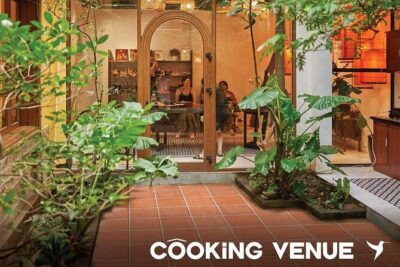
The cooking may take place in a local home, a home restaurant, or the Lantern Eatery Hoi An kitchen, depending on the current setup. The setting is part of the appeal. You are not in a large production kitchen with several dozen people following a presenter at the front.
Chef Thanh and his wife have been described as warm hosts who make the cooking space feel relaxed. Some evening classes begin with a drink and conversation before the cooking starts. Beer and other drinks have appeared during some sessions, but drinks are not included in the listed price, so you should not assume they are part of every booking.
The atmosphere is social without requiring you to perform. You can ask questions, cook beside new friends, and take short breaks while the food is prepared. The pace appears flexible rather than rigid, which helps families and beginners keep up.
At the end, you eat the dishes you made. Fresh fruit is listed for dessert, and the meal includes the prepared starters and noodle soup. This gives the class a clear payoff. You are not paying only for instruction. You are also receiving a traditional meal made with the group.
Why the small group matters

The small group is one of the strongest reasons to choose this class over a cheaper, larger session. With a limit of 10 people, Chef Thanh can watch how you fold a spring roll, correct your technique, and answer questions without leaving you waiting for a turn.
Several details make this especially useful. You may prepare your own dishes rather than sharing one large station. Families can include children, and one 12-year-old was specifically welcomed and given attention during the class. Beginners should feel comfortable asking basic questions.
A small group does not guarantee complete privacy. You are still sharing the kitchen and meal with other people. But the format is far more personal than a class built around a single demonstration table.
The class also works well for couples, families, and solo visitors who want a social activity. The cooking gives you something to do together, while the meal creates an easy chance to talk.
Price, timing, and what you receive

At $27 per person, this is a strong value if you choose the cooking class with the meal. You receive all cooking ingredients, instruction from a professional chef, several prepared dishes, and a full meal at the end.
The optional market visit and hotel transportation can add to the appeal, especially if you are staying in Hoi An and want a simple pickup. Check which option you select when booking, since market access and pickup are not automatic parts of every version.
Three hours is a comfortable length for the menu. You get enough time to learn instead of rushing through a single recipe, but the session is short enough to fit into a busy Hoi An itinerary. Morning, afternoon, or evening start times may be available, depending on the date.
You should bring comfortable shoes and clothes. Cooking involves standing, preparation, and hot oil, so dress for practical movement rather than a formal dinner.
Who should book this class
I would recommend this class if you want to learn recipes you can make again, not just watch a chef cook. It is especially well suited to beginners, because the instruction is broken into clear steps and the group remains small.
It also suits experienced home cooks who want to ask about Vietnamese sauces, broth, herbs, and preparation methods. The menu offers enough variety to keep the session interesting, with fresh salad, fried food, sauce, soup, and fruit.
Families should consider it too. Children who can follow basic kitchen instructions may enjoy the practical work, though adults remain responsible around knives, hot oil, and cooking surfaces.
This may be less suitable if you want a formal culinary-school lesson, a fixed menu with no substitutions, or a quick activity lasting under two hours. The relaxed home setting is part of the appeal, but it may feel informal if you prefer a polished studio environment.
The operator states that wheelchair users can join the cooking class without the market trip, but the general accessibility information lists the activity as unsuitable for wheelchair users. Contact the operator before booking to confirm the current setup. Vegetarian and vegan menus are available by request, so ask in advance rather than waiting until the class begins.
Should you book the Hoi An cooking class?
Book it if your idea of a good food activity includes chopping, folding, tasting, asking questions, and sitting down to eat a meal you helped prepare. Chef Thanh’s personal teaching style, the small group, and the homemade setting give this class more substance than a standard demonstration.
The market option is worth adding if you want ingredient guidance and a closer look at daily food shopping in Hoi An. Choose the cooking-only format if you have mobility concerns or want to keep the schedule simple.
At $27, the class offers good value for three hours of instruction and food. The flexible menu and informal setting are minor tradeoffs, not reasons to avoid it. If you want practical Vietnamese cooking skills with a friendly chef and a meal at the end, this is an easy activity to add to a Hoi An stay.
FAQ
How long does the Hoi An cooking class last?
The class lasts three hours, or 210 minutes. Available starting times depend on the date you select.
What dishes are included?
The usual menu includes sweet and sour chili sauce, green mango and prawn salad, Hoi An crispy spring rolls, Hanoi-style beef or chicken noodle soup, and mixed fresh fruit. The menu can change based on ingredient availability.
Is the market visit included?
The local market visit is included only when you select that option. It includes pickup, a market visit, ingredient shopping, and drop-off within the Hoi An area.
Is hotel pickup available?
Free pickup and drop-off are available from hotels in the Hoi An area when the pickup option is selected. You may need to send your hotel details by WhatsApp or email.
How many people are in the class?
The activity is a small-group class limited to 10 participants.
Is the class suitable for beginners?
Yes. The class is designed for all cooking levels, from beginners to experienced cooks, and the chef demonstrates the dishes step by step.
Can I request a vegetarian or vegan menu?
Yes. Vegetarian and vegan menus are available by request. Make your dietary request before the class.
What should I bring?
Bring comfortable shoes and comfortable clothes. Drinks and personal expenses are not included in the price.
Just added around Hoi An
- Private car from Danang to Hoi An★ 5.0 · 20 reviews
- Da Nang to Hoi An ancient town by private transfer★ 5.0 · 36 reviews
- Cu Lao Cham Island Tour from Da Nang/ Hoi An★ 4.0 · 24 reviews
- Da Nang Airport Arrival Private transfer to Hoi An★ 5.0 · 46 reviews
- Hoi An Night Market with Hoi an walking Tour , Colourful Lanterns, Boat Ride★ 5.0 · 142 reviews
- Marble Mountain-AM Phu Cave & Hoi AN -Colourful Lantern Boat Ride★ 5.0 · 27 reviews
- Private Transfer from Danang to Hoi An by Private Car★ 5.0 · 37 reviews
- Guided Tour to Marble Mountain &HoiAn City-BoatRide-Night Market★ 5.0 · 23 reviews
Cooking Classes, compared.

Hanoi Cooking Class: Culture, Local Market & Meaning CSR Impact
Read our review →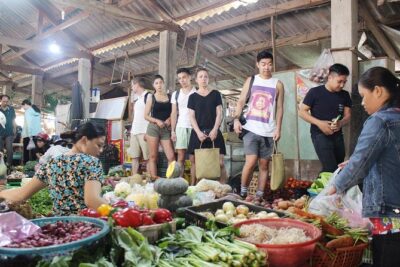
Cooking Class Hoi An:Local Market, Basket Boat, Fishing & Cooking
Read our review →
Mekong Delta Boat,Khotcake cooking Coconut Village,SmallGroup
Read our review →
Mekong Delta 4 Islands, TukTuk, Boat, Try Khot Cake Local Cooking
Read our review →
Chef Vu Cooking Class Plus Market Trip in Saigon Center (Pick up by Cyclo)
Read our review →
Hanoi Cooking Class: Pho/Bun Cha/Banh Xeo…+Free Egg/Salt Coffee
Read our review →Browse the lists this tour appears in