
Reviewed · COFFEE EXPERIENCES
Hanoi: Rose Kitchen: Pho/Bun Cha/Nem+ Free Egg/ Salt Coffee
Hanoi’s Rose Kitchen turns a simple cooking lesson into a small cultural visit. You meet at a yellow Bia Hoi Mau Dich sign, walk to a spacious garden villa, and spend two hours preparing one classic Vietnamese dish with an English-speaking cultural storyteller. The food is hands-on, and the stories explain why pho is commonly eaten for breakfast, how Hanoi-style bun cha differs from other dishes, and what gives each recipe its character.
I especially like the quiet villa setting, a welcome change from Hanoi’s traffic and tight restaurant kitchens. I also like the personal guidance, with teachers such as Simon, Kim, Maxie, Aroma, Colin, and Oanh praised for clear English, patience, and a warm manner. The main limitation is that you choose one dish, not a full menu, so this works best if you want to learn one recipe rather than sample everything listed.
Key details at a glance

- Choose one famous dish: Make pho bo, pho ga, bun cha, nem ran, banh xeo, goi cuon, or cha ca la vong.
- Cook in a garden villa: The two 250-square-meter villas offer more space and calm than a typical city cooking studio.
- Pick one coffee: Finish with egg coffee, coconut coffee, salt coffee, or classic Vietnamese drip coffee.
- Learn the story behind the food: Cultural storytellers explain customs, ingredients, and eating habits as you work.
- Good for dietary needs: Vegetarian versions are available, and one participant received careful gluten-free preparation.
- A useful local connection: The class provides steady work for elder women from rural communities.
Arriving at the garden villa near Hoang Hoa Tham Street
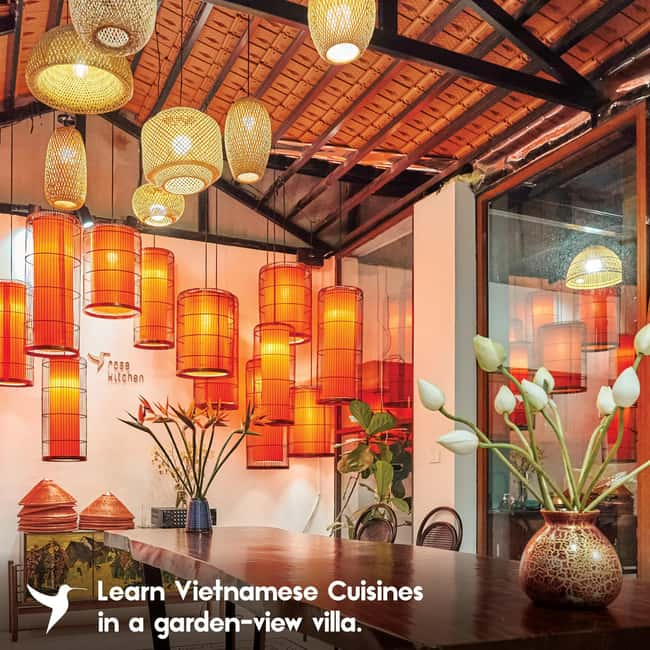
Rose Kitchen does not begin at a polished storefront. Your meeting point is at the crossroads near Alley 75, Lane 173, Hoang Hoa Tham Street. Look for the large yellow sign marked Bia Hoi Mau Dich, where a cultural storyteller meets you and walks you a short distance to the kitchen.
That escort matters. Hanoi’s lanes can be confusing, especially when you are watching traffic, checking a phone, and trying to match a vague address. Take a taxi or Grab to the stated meeting point, rather than trying to navigate directly to the villa.
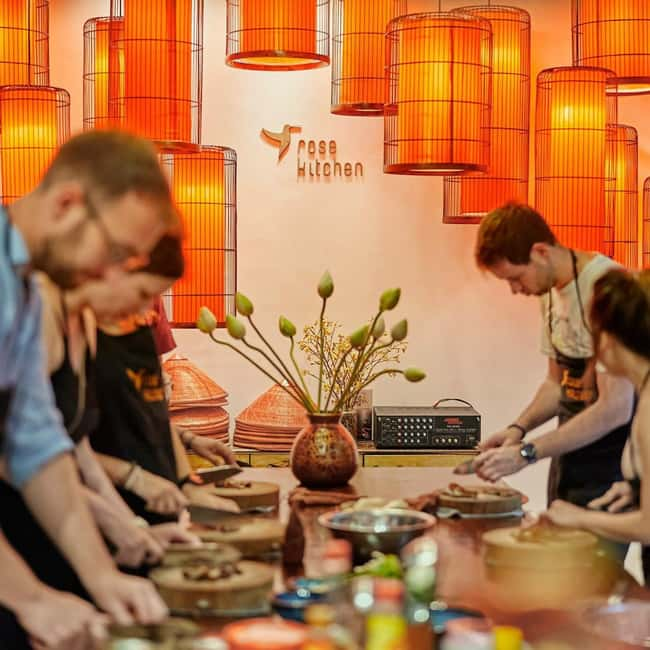
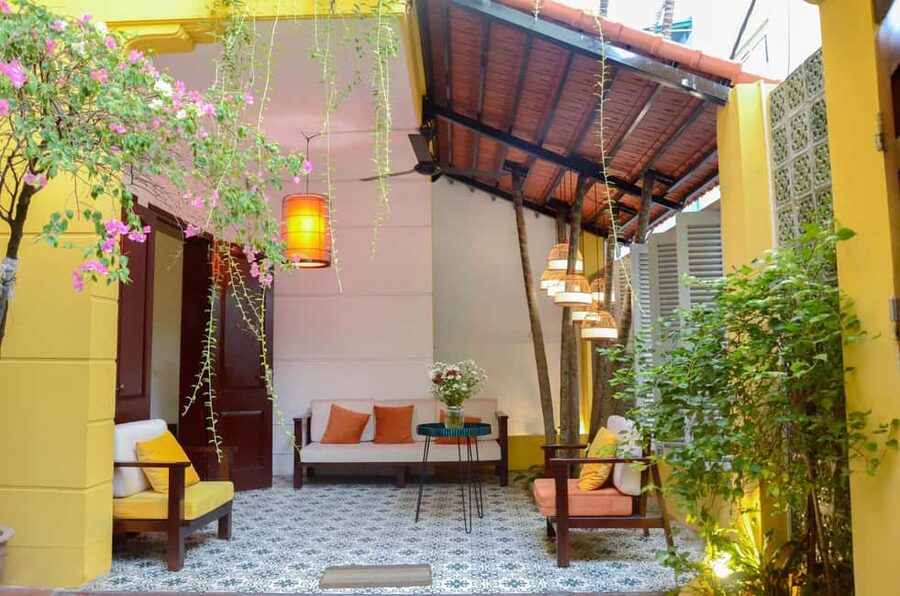
On arrival, you receive a complimentary herbal welcome drink. The cooking spaces are in two garden villas, each about 250 square meters, with air conditioning and room to work. This is not a cramped demonstration counter where you stand behind someone else and watch. The setting gives you enough space to handle ingredients, follow the steps, and sit down for the meal afterward.
The villa also makes this class a sensible choice during Hanoi’s hotter or wetter hours. You are still close to the city, but the garden setting gives the session a slower pace. Free luggage storage is available, which helps if you are between hotels or carrying bags after checking out.
More Coffee Tours in Hanoi
- Hanoi Coffee Experience: 6 Brews, 9 Recipes & 3 Liquor Tastings
★ 5.0 · 2,945 reviews - Hanoi Coffee Workshop: Taste Salt, Coconut and Egg Coffee
★ 5.0 · 1,286 reviews - Hanoi: Salt Coffee Workshop Awake Your Senses With 6 Brews
★ 5.0 · 792 reviews
Choosing one dish from Vietnam’s greatest hits
The central decision is your dish. You cook one recipe for your group, with vegetarian versions available for every option. The choices cover several cooking styles and regional traditions:
- Pho bo or pho ga: Choose beef or chicken noodle soup. This is the best pick if you want to understand Vietnam’s most famous breakfast dish and the balance of broth, noodles, meat, herbs, and seasoning.
- Bun cha: Learn Hanoi’s grilled pork specialty, served with noodles and the familiar sweet-sour dipping mixture. It is a strong choice if you want a local Hanoi classic rather than a national icon.
- Nem ran: Prepare Hanoi-style fried spring rolls. This gives you a more active kitchen task, with filling, wrapping, and frying all part of the meal.
- Banh xeo: Make the crisp, sizzling pancake associated with southern Vietnam. It offers a different texture and cooking method from the noodle dishes.
- Goi cuon: Prepare fresh spring rolls with herbs and dipping sauce. This suits you if you prefer a lighter meal and enjoy assembling food by hand.
- Cha ca la vong: Cook grilled fish with dill, a dish strongly associated with Hanoi.
You do not prepare every item. That point is worth keeping clear when you book. The class is designed around one dish, so choose based on what you most want to learn, not on trying to get a full survey of Vietnamese cooking.
The lesson is interactive. You cut vegetables, season ingredients, work through the preparation, and take part in the cooking rather than simply watching a chef perform. The pace also allows questions. Simon, for example, has guided families, couples, and solo participants through the process with clear English and a lively teaching style. Kim has been praised for explaining each step while participants handled vegetables and seasoned meat. Maxie has helped visitors through bun cha and vegetarian versions with patience and friendly instruction.
How the cultural storytelling adds value
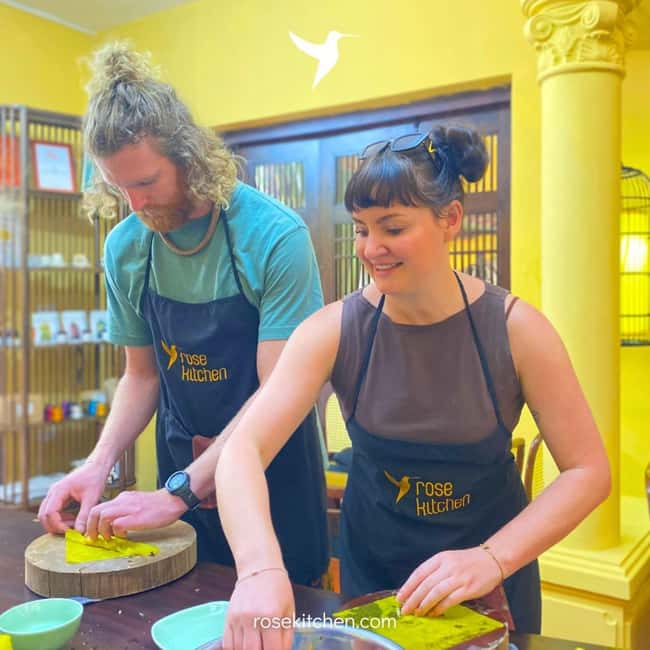
The best part of this experience is not just the final plate. The cultural storytellers explain why the dish is prepared in a certain way and how it fits into daily life.
A pho lesson, for example, can cover the familiar question of why pho is often eaten for breakfast. A bun cha session connects the grilled pork, noodles, herbs, and dipping sauce to Hanoi eating habits. With spring rolls, the steps give you a chance to ask about ingredients and preparation while your hands are busy.
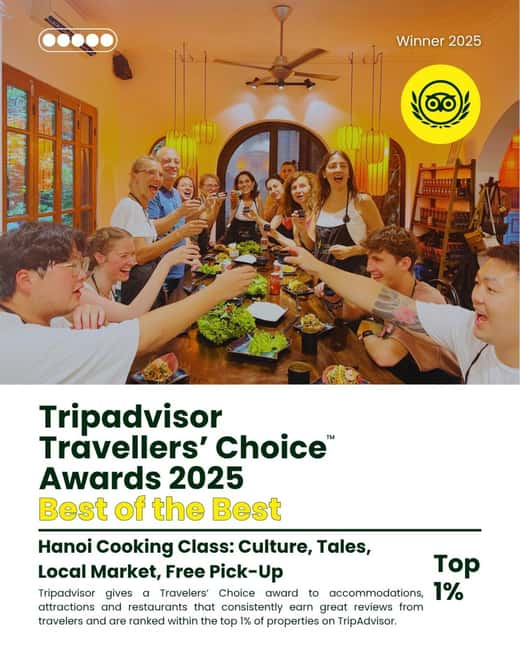
The storytellers were trained by the head chef of the Sofitel Metropole. That does not make the class formal or stiff. The teaching style described by participants is friendly and conversational, with names such as Simon, Aroma, Kim, Maxie, Colin, and Oanh appearing repeatedly in connection with patient instruction and strong English.
This is especially useful if you want context rather than a recipe card. You can learn how to chop or season an ingredient, but the story explains why it matters. That turns the meal into something you can recognize later at a Hanoi restaurant or market.
The class also has a modest social purpose. It offers respectful, steady work to elder women from rural communities, helping them support their families. You should not treat this as the main reason to book, but it adds weight to an experience that already gives you a direct connection with local food and people.
Cooking the meal, step by step
The exact order changes with your chosen dish, but expect a clear, guided lesson rather than a rushed demonstration. Tools and brewing equipment are supplied, and unlimited mineral water is available throughout the session.
Your storyteller leads you through the ingredients and preparation. You might chop herbs, prepare vegetables, season meat, assemble rolls, or work with the components of a noodle dish. The teacher then helps you cook the food and corrects your technique as needed.
This is where the private or small-group feel can make a difference. A last-minute booking resulted in a one-on-one lesson for Anna, who made vegetarian bun cha with Maxie. Emilia also had a one-on-one session with Simon focused on pho and egg coffee. A private class is not guaranteed, but the format can work well for solo visitors if the schedule happens to leave room.
Families are also well served. Joe’s family learned about pho, cooking, and Vietnamese food customs with Simon, and the teaching style was described as welcoming rather than intimidating. If your group includes people with different cooking skills, the dedicated butler and storyteller can give extra help without making beginners feel out of place.
Dietary needs deserve advance attention. Vegetarian cooking is available across the menu, and one participant with gluten intolerance received careful attention to clean equipment and safe ingredients. Still, you should state your needs clearly when booking and again at the start of the session. A cooking class involves shared spaces and sauces, so precision helps.
Same trip, a completely different kind of day:
- Hanoi Jeep Tour: Food, Culture and Fun by Vietnam Army Jeep
★ 5.0 · 15,222 reviews - Hanoi: Water Puppet Show Tickets
★ 4.6 · 7,029 reviews - Hanoi Motorbike Tour: Food, Culture and Fun by Vintage Motorbike
★ 5.0 · 6,699 reviews - Hanoi: Guided Food Tour with Train Street Visit
★ 4.9 · 6,239 reviews
Sitting down to eat what you made

After the cooking, you eat a full meal, with lunch or dinner depending on your time slot. This is more satisfying than leaving with a few samples. You have handled the ingredients, followed the method, and can judge the result yourself.
The food is likely to be the main reward for anyone who enjoys cooking. Bun cha and fried spring rolls have been especially popular choices, while pho bo has been described as a standout meal by participants who wanted a better understanding of the dish. Those comments are personal impressions, of course, and your result will depend partly on your own cooking ability and taste.
The teaching method helps. You are not expected to arrive with kitchen experience, and guides are used to correcting messy cutting, seasoning, or assembly without making a fuss. Kevin’s class, for instance, was remembered for a chef who had enough patience to help a disorganized beginner cook well.
The meal also gives you time to talk with your guide. That informal conversation can be as useful as the formal lesson. Ask about breakfast customs, local ingredients, or how the dish differs from versions served outside Vietnam. You are not simply being fed. You are learning how the food fits into ordinary life.
Ending with Hanoi egg coffee, salt coffee, or another cup
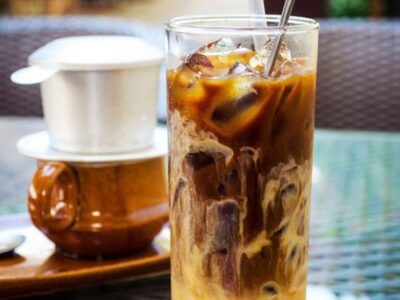
You choose one complimentary coffee for your group. The options are:
- Egg coffee
- Coconut coffee
- Salt coffee
- Ca phe nau or ca phe den, the classic milk coffee or black drip coffee
Egg coffee is the most obvious Hanoi choice. It is creamy and dessert-like, with a whipped egg topping over strong coffee. Several classes have ended with the guide preparing it, and Simon and Kim are both associated with memorable versions.
Salt coffee gives you a different experience. It is a Hue specialty, combining strong coffee with a salty creamy element. Coconut coffee is sweeter and softer, while ca phe nau or den is the straightforward choice if you want traditional Vietnamese drip coffee without extra toppings.
The coffee is included, but it is one cup per group choice rather than an open tasting of every style. If coffee is a major reason for booking, select your preferred option in advance or confirm it when you arrive.
What the $21 price really covers

At $21 per person, this is good value if you use the class as both a meal and a cultural activity. You receive a welcome drink, ingredients, equipment, instruction, a full lunch or dinner, coffee, water, and two hours in an air-conditioned villa. You also get luggage storage and help from a butler during the session.
The value is strongest when you want an active experience. A restaurant meal alone may cost less, but it will not teach you how the dish is prepared or give you the same chance to ask questions. A private culinary lesson can cost much more, so a one-on-one session, if available, makes the price particularly appealing.
There are limits. Personal expenses are not included, and you are paying for one dish, not a multi-course cooking tour. If you only want to eat pho or bun cha with no preparation, a local restaurant will be faster and probably cheaper. Rose Kitchen makes sense when the process matters to you.
Timing, access, and practical planning
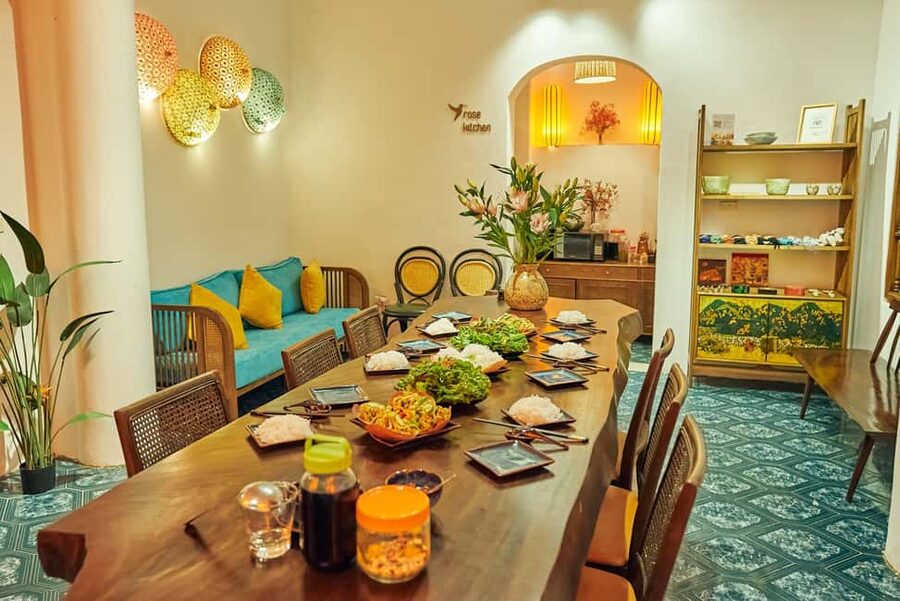
The session lasts two hours, with several possible starting times shown when you check availability. A two-hour block is easy to fit between Hanoi sightseeing plans, but allow extra time for the taxi and the walk from the meeting point.
The class is conducted in English. The guides named in the feedback, including Simon, Kim, Maxie, Aroma, Colin, and Oanh, have been praised for clear communication and a relaxed teaching manner. That makes the activity a good match for visitors who want instruction rather than a language-free demonstration.
The venue is wheelchair accessible. Free cancellation is available up to 24 hours before the start time for a full refund, and you can reserve now and pay later. These terms are useful if your Hanoi schedule is still changing.
You do not need to bring cooking equipment. Wear something comfortable that you do not mind working in, and tell the team about dietary restrictions before ingredients are prepared. If you are arriving with luggage, use the included storage rather than trying to balance bags in the kitchen.
Who should book Rose Kitchen
I would choose this class for you if you want to do more than take food photos. It suits solo visitors, couples, families, and small groups who enjoy a practical activity with a meal at the end.
It is also a strong option for first-time visitors to Hanoi. Pho, bun cha, spring rolls, and Vietnamese coffee are familiar names, but the class gives you a better sense of how they are made and eaten. The cultural explanations help turn restaurant dishes into recognizable parts of daily life.
Vegetarians have real options here, rather than being limited to a side dish. The careful handling described by a gluten-free participant is encouraging, although you should still communicate your needs clearly.
I would hesitate if you want to cook several dishes in one sitting, need a large market visit, or prefer a formal chef-led performance. The attraction is focused participation in one recipe, not a long culinary tour.
Should you book this Hanoi cooking class?
Book it if you want a calm setting, direct instruction, and a full meal built around one Vietnamese classic. The strongest reasons are the spacious villa, the patient English-speaking guides, the cultural explanations, and the chance to finish with a Hanoi coffee.
Choose your dish before you arrive. Pick pho for breakfast culture, bun cha for a distinctly Hanoi meal, nem ran for hands-on wrapping and frying, or a vegetarian option if that best fits your diet. For coffee, egg coffee is the natural Hanoi choice, while salt coffee gives you something less expected.
At $21, Rose Kitchen offers solid value for a two-hour activity, especially when the meal, drinks, equipment, and guidance are included. It is not the right pick for a rapid tasting stop, but it is a thoughtful choice for anyone who wants to understand Vietnamese food by making it.
FAQ
How long does the Rose Kitchen cooking class last?
The activity lasts two hours.
What dish can I cook?
You choose one dish for your group from banh xeo, nem ran, goi cuon, bun cha, cha ca la vong, pho bo, or pho ga.
Are vegetarian dishes available?
Yes. Vegetarian options are available for all the listed dishes.
Which coffee can I choose?
You can choose egg coffee, coconut coffee, salt coffee, ca phe nau, or ca phe den.
Is coffee included in the price?
Yes. One complimentary cup of Vietnamese coffee is included for your group.
Where do I meet the guide?
Meet at the crossroads by Alley 75, Lane 173, Hoang Hoa Tham Street. Look for the large yellow Bia Hoi Mau Dich sign. Your cultural storyteller will escort you to the villa.
Is the class conducted in English?
Yes. The cultural storytellers and instruction are in English.
Is the activity wheelchair accessible?
Yes. The activity is listed as wheelchair accessible.
Can I cancel the booking?
You can cancel up to 24 hours in advance for a full refund. You can also reserve now and pay later.
Just added around Hanoi
- Private Crowd Free Hanoi: Morning Highlights of the City Experience★ 4.5 · 124 reviews
- Hoa Lo Prison and Little Paris Tour in Hanoi (French Quarter)★ 5.0 · 20 reviews
- Hanoi’s Old Quarter Street Food Experience and Train Street★ 5.0 · 22 reviews
- Old Quarter Food Tour in Hanoi★ 5.0 · 104 reviews
- Retro Hop-on-hop-off Bonbon City Tour: Classic Package★ 4.0 · 32 reviews
- [Hi-end] Private Hanoi Street Food Tour With Real Foodie★ 5.0 · 154 reviews
- Hanoi Street Food Tour★ 5.0 · 27 reviews
- Hanoi Street Food Tour with egg coffee making★ 5.0 · 22 reviews
Coffee Experiences, compared.
Vietnamese Coffee Culture and Coffee Making Class
Read our review →
Hanoi Coffee Experience: 6 Brews, 9 Recipes & 3 Liquor Tastings
Read our review →
Early Morning My Son Sanctuary Trip w. Champa Food & Coffee
Read our review →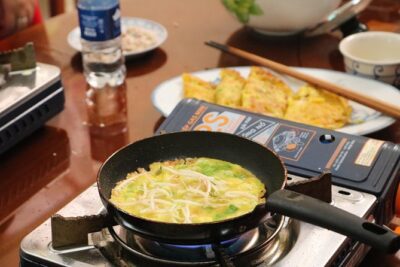
Da Nang Cooking Class with Coffee Tasting and Market Visit
Read our review →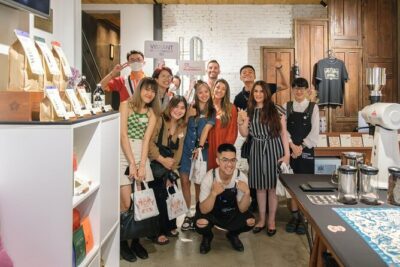
Fun & Easy Vietnamese Coffee Workshop in Hồ Chí Minh City
Read our review →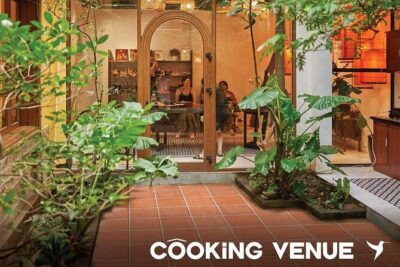
Hanoi Cooking Class: Pho/Bun Cha/Banh Xeo…+Free Egg/Salt Coffee
Read our review →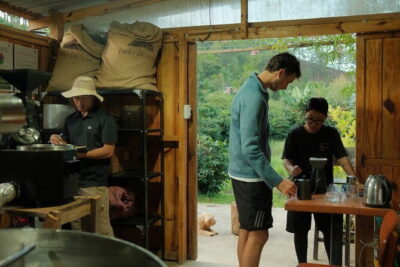
Coffee Farm Tour with Roasting & Tasting Workshop – Da Lat
Read our review →
Experience specialty coffee with sustainable coffee farmers
Read our review →Browse the lists this tour appears in