
Reviewed · COOKING CLASSES
From Hoi An: Cooking Class at Organic Farm
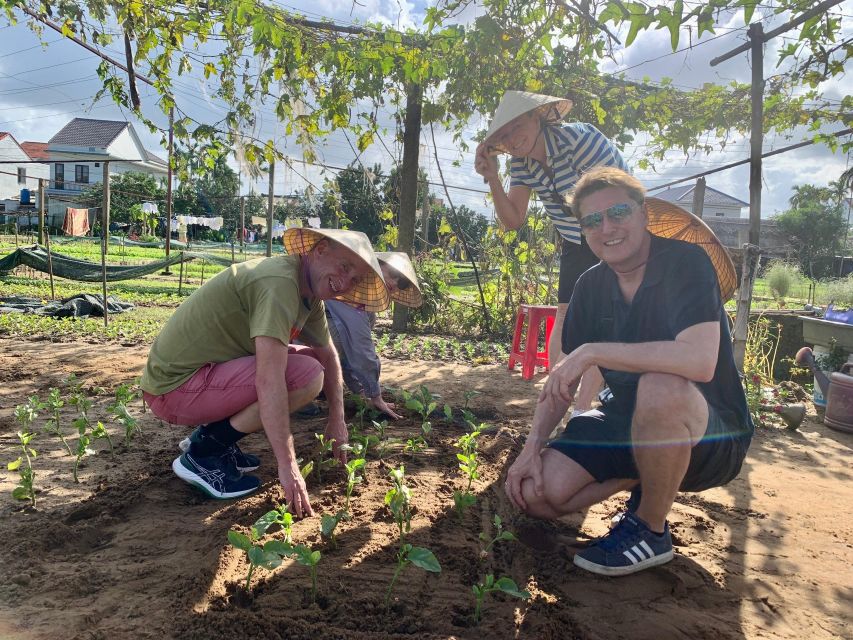
The best part of this three-hour cooking class is that it begins in the garden, not at a kitchen counter. At Lemon Basil Farm in Tra Que vegetable village, you walk among herbs and crops, learn how the family works the soil, and may help plant or water vegetables before cooking four Vietnamese dishes.
I like the family-run setting and the small groups, capped at 10 people. I also like the way the class balances useful cooking practice with plenty of laughs. Min is often praised for her clear teaching and jokes, while Jessica, Minh, and other family members have also led warmly hosted sessions. The one thing to consider is transport: you must reach the restaurant yourself.
Key points to know before booking
- Farm first, kitchen second: See the herbs and crops at Lemon Basil Farm, with the chance to take part in simple garden work.
- Four classic dishes: Prepare spring rolls, green papaya salad, fish in clay pot, and Vietnamese crispy pancakes.
- Small and social: Groups are limited to 10, with communal dining after the cooking.
- Friendly English instruction: Min and other family hosts explain each step in clear, relaxed English.
- Good for mixed diets: Tell the team about allergies or dietary restrictions in advance.
- Strong value at $27: The fee covers the farm tour, ingredients, cooking, meal, and a completion certificate.
Why the Tra Que farm setting matters
Hoi An is famous for food, but many cooking classes begin and end indoors. Lemon Basil Cookery & Restaurant takes you into Tra Que vegetable village, where the ingredients have a visible connection to the place where they are grown.
That changes the feel of the class. Before chopping or mixing, you get a look at the herbs and vegetables used in local cooking. You may taste fresh herbs, see how the soil is prepared, help plant greens, or water crops with a family member. One session included spinach planting, while another showed how the uncle prepared the soil.
I find this useful because Vietnamese food depends heavily on fresh herbs, texture, and balance. A farm visit gives you a better sense of why those ingredients matter. It also creates a quieter start than a busy market tour, with greenery around you and the family garden as your first lesson.
The farm portion is not a full agricultural tour. It is a short, hands-on introduction before the cooking begins. If you want a detailed farming lecture or a long walk through many fields, this may feel brief. If you prefer a practical visit tied directly to lunch, the format works well.
More Cooking Classes in Hoi An
- Cooking Class Hoi An:Local Market, Basket Boat, Fishing & Cooking
★ 5.0 · 3,660 reviews - Hoi An Cooking Class(Market,BasketBoat Crabfishing&Cooking Class)
★ 5.0 · 3,386 reviews - From Hoi An: Market Tour, Basket Boat Ride and Cooking Class
★ 4.8 · 2,208 reviews
Meeting Min and the Lemon Basil family
The human side of this class is a major part of its appeal. Min is frequently praised for being funny, patient, and easy to follow. She has also taken photos and videos during the class, giving you a few informal memories of the day. Other sessions have involved Jessica, Minh, and Min’s aunt and uncle.
You should expect a friendly family-business atmosphere rather than a polished demonstration in a large culinary school. The hosts welcome you into the farm and kitchen, answer questions, and keep the mood light with jokes and side comments. That informality helps beginners relax, especially when a spring roll refuses to hold its shape or a bánh xèo flip goes wrong.
English is the teaching language. Communication has been described as easy, and the instructors explain both the method and the food. They also ask about allergies and intolerances before cooking. Still, tell the team about dietary needs when booking or before the class, rather than waiting until ingredients are being prepared.
The small group limit of 10 is important. A group of six, for example, gives you enough room to work while still meeting other food lovers. Larger groups can make hands-on classes feel like demonstrations, but the limit here keeps the cooking more personal.
The four dishes you will prepare
The menu gives you a broad introduction to Vietnamese cooking. You work with fresh ingredients, practice several techniques, and then eat what you have made together.
Tra Que spring rolls
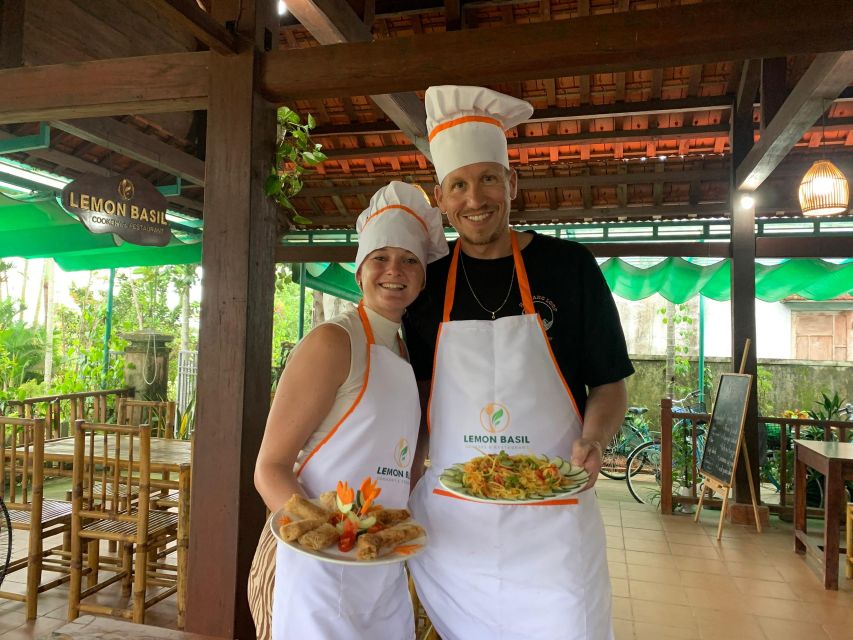
The class begins with ingredients gathered from the farm setting, then moves into preparation for the spring rolls. You learn how the fillings and wrappers come together, how to shape them, and how to handle the ingredients without making a mess of the roll.
Some sessions have featured crispy spring rolls, while the activity description calls them Tra Que Spring Rolls. The exact filling may vary, so ask your instructor about the day’s version. The important point is that this is a hands-on dish, not something prepared for you in advance.
Spring rolls are a good first recipe because you can see the result quickly. You also learn a useful Vietnamese food lesson: freshness matters, but so does texture. A good roll should have contrast rather than one soft, uniform filling.
Same trip, a completely different kind of day:
- Hoi An: Basket Boat Ride in the Coconut Forest
★ 4.9 · 4,956 reviews - Hoi An: Vietnamese Coffee Culture and Coffee Making Class
★ 4.9 · 4,006 reviews - Hoi An: Vietnamese Foldable Lantern Making Class
★ 4.9 · 3,742 reviews - Hoi An Full Lantern Making Class- A special Foldable lantern
★ 5.0 · 2,007 reviews
Green papaya salad
Green papaya salad brings crunch, herbs, and a sharp dressing into the meal. The class focuses on balancing flavors, one of the most useful ideas in Vietnamese cooking. You will work with the ingredients and learn how the dressing brings them together.
The recipe has some flexibility. One session included chicken papaya salad, while the standard menu lists green papaya salad without specifying a protein. Tell the team what you eat before the class so they can handle suitable substitutions where possible.
This dish also helps you understand why Vietnamese meals often feel light even when several dishes are served. Crunchy vegetables, herbs, and bright seasoning keep the plate from becoming heavy.
Fish in a clay pot
Fish cooked in a clay pot gives the menu a warmer, savory dish. You prepare the fish and learn how the ingredients build flavor during cooking. Some sessions have used basa fillet, but the exact fish is not specified as fixed for every class.
The clay pot is part of the charm, but the bigger lesson is the seasoning. The instructor explains how to bring salty, sweet, and savory notes into balance. This is one of the dishes where careful guidance helps, since a small change in seasoning can shift the whole result.
If you do not eat fish, tell the team before arrival. The class is described as flexible for dietary needs, but the supplied information does not promise a specific replacement for every restriction.
Vietnamese crispy pancake, or bánh xèo
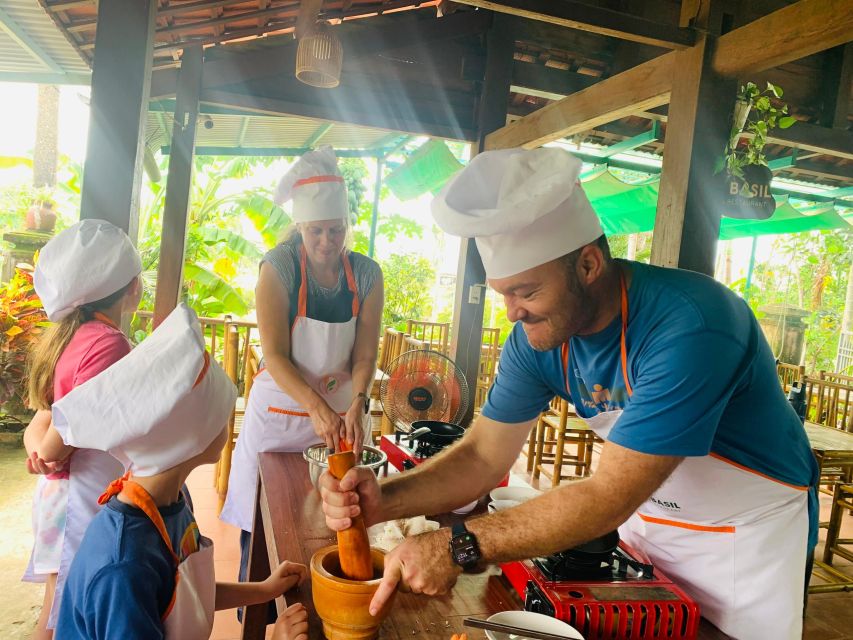
Bánh xèo is the most playful part of the menu. You make the batter, add the fillings, and learn how to produce the crisp edge that gives the pancake its name. Flipping it can take a little practice. One participant admitted that shaping and flipping were not easy, which is exactly why it is useful to have the instructor nearby.
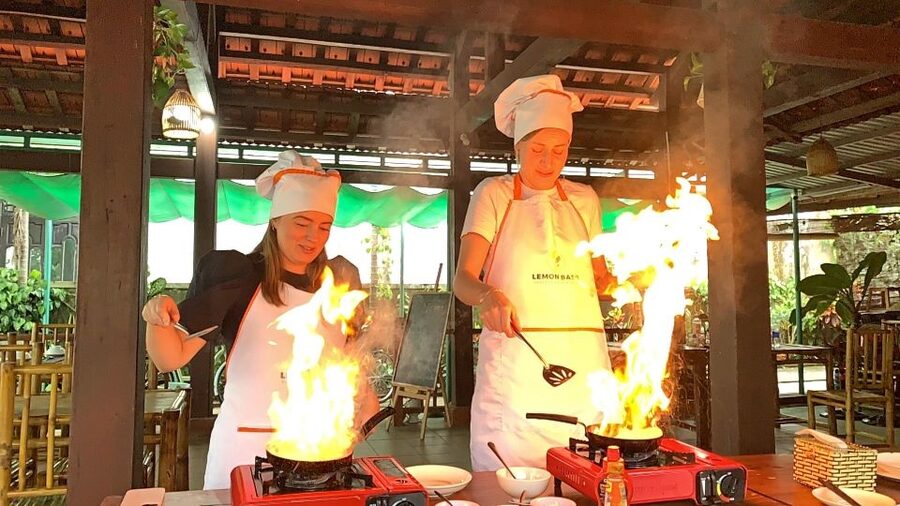
This dish brings sound and movement to the class. You will hear the batter hit the pan and learn how timing affects crispness. It also makes a satisfying final cooking task before everyone sits down to eat.
What the three hours feel like
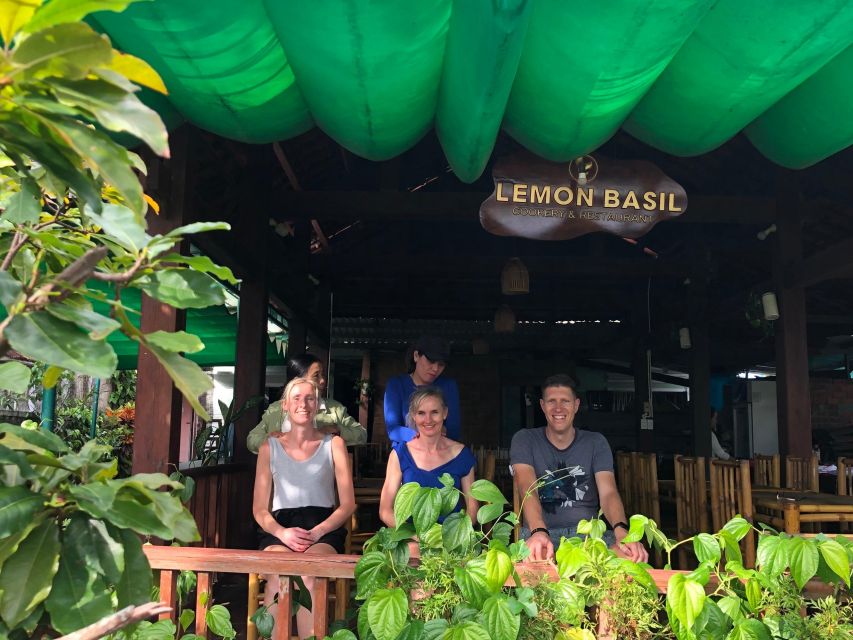
The class runs for about three to three and a half hours. Arrive 5 to 10 minutes early at Lemon Basil Cookery & Restaurant, located in the heart of Tra Que vegetable village. Look for the Lemon Basil sign and the restaurant’s welcoming entrance.
The first section is the farm visit. You see the herbs and crops, learn about the family’s growing methods, and may take part in planting or watering. This is the most relaxed part of the experience and gives you time to meet the hosts and other participants.
Next comes the cooking session. The instructors guide you through the four recipes rather than simply cooking in front of you. The class is suitable for beginners, so you do not need prior kitchen experience. Expect to chop, mix, shape, season, and cook under direction.
The order can vary. In some sessions, the group cooked two dishes, ate, then prepared two more. That pacing helps keep the meal manageable and gives you a chance to taste the first dishes while they are fresh.
The final stage is communal dining. You sit with the group and eat the dishes you prepared. This is more than a simple lunch break. It lets you compare results, ask last questions, and enjoy the social part of the class. Some sessions have ended with fresh fruit such as mango, pink jackfruit, and lychees, though extra fruit should not be treated as a guaranteed menu item.
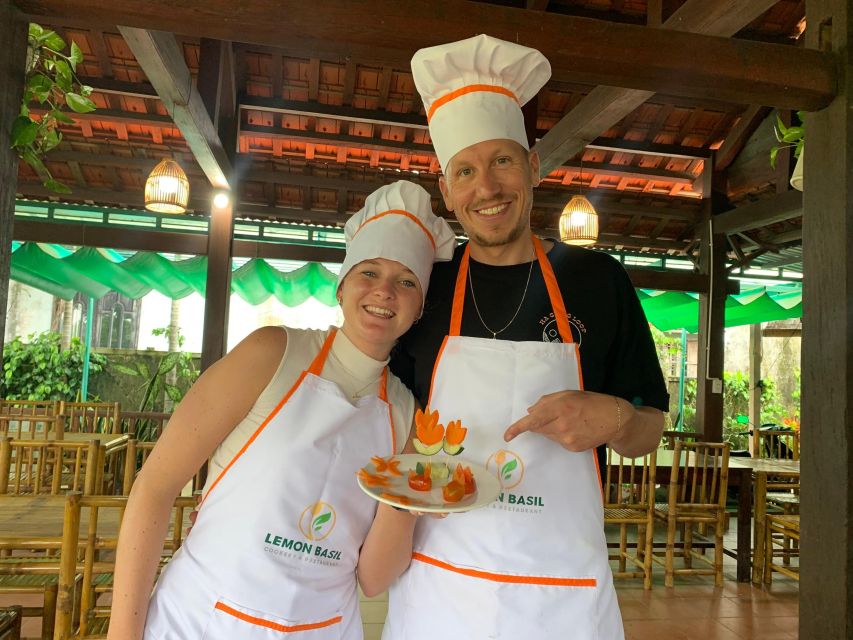
You receive a certificate of completion at the end. It is a small souvenir rather than a professional qualification, but it makes a nice reminder of the recipes and the day.
How much value do you get for $27?
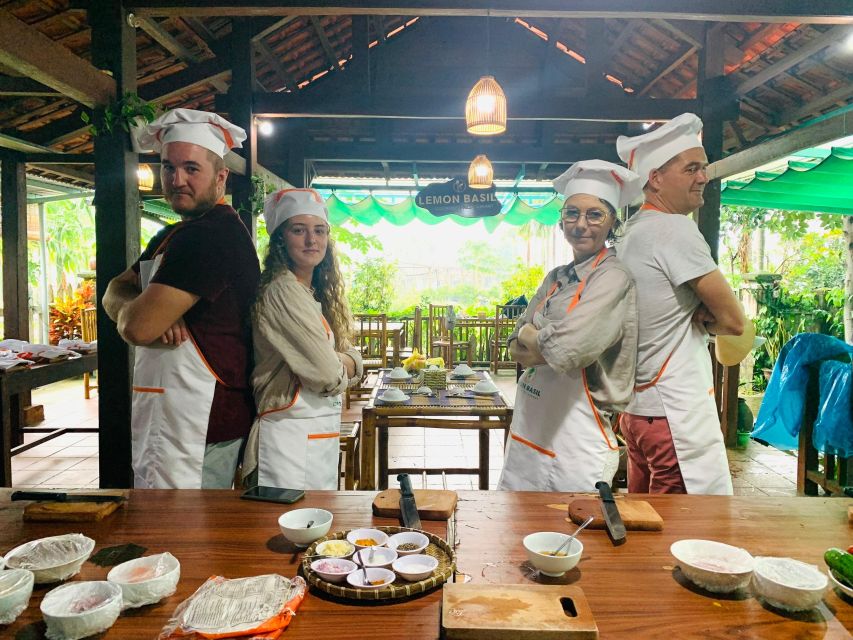
At $27 per person, the class offers good value if you want more than a meal. The price includes the farm tour, ingredients for four dishes, English instruction, hands-on cooking, communal dining, and the certificate.
The value comes from the combination. A restaurant meal would let you taste Vietnamese food, but not show you how to make it. A short cooking lesson might teach one or two recipes, but this class gives you four dishes plus a farm visit. The three-hour length also leaves you with time to enjoy the experience rather than rushing through a quick demonstration.
You should remember what the price does not cover. Transportation to and from Lemon Basil is excluded, as are extra food and drinks, insurance, and anything not specifically listed. Because there is no pickup service, add the cost and time of reaching Tra Que to your budget.
The location can work well with a wider Hoi An plan. After the class, you can explore more of the village, cycle around, or stop for coffee, according to the available time and your own plans. The activity itself does not provide transport or a guided village tour beyond the farm visit.
Who will enjoy this class most?
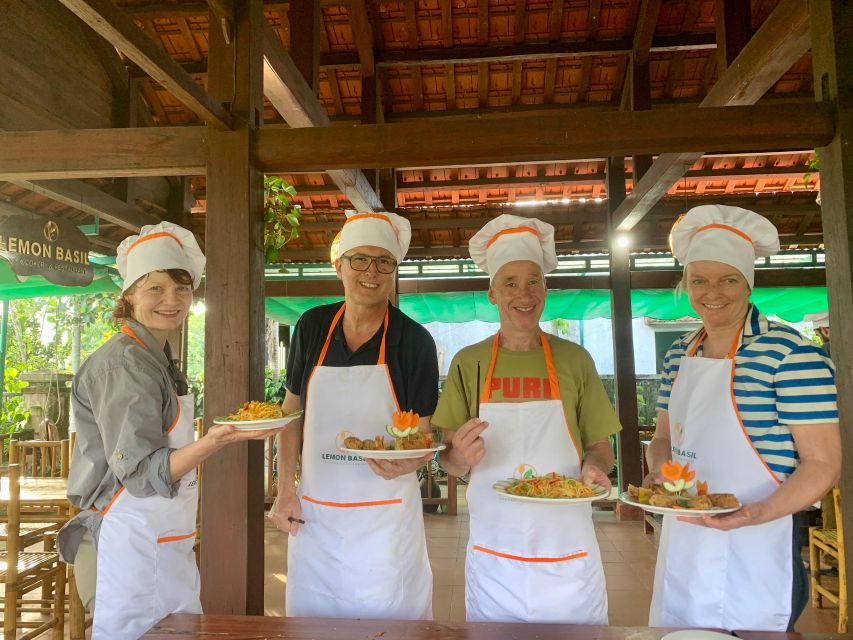
I would choose this for you if you want a relaxed introduction to Vietnamese food and enjoy meeting the people behind it. It suits couples, friends, solo visitors, and families who are happy to share a table with a small group.
Beginners should feel comfortable. The instructors guide each recipe, and the tone is friendly rather than formal. You do not need to know how to use Vietnamese kitchen equipment or prepare bánh xèo before arriving.
Food-focused visitors will appreciate the link between garden and plate. You can see the herbs, learn about the crops, then use those ideas in the recipes. The class is also a good fit if you want a break from Hoi An’s old-town streets and a quieter setting.
I would think twice if you want complete independence in the kitchen or a strictly timed professional lesson. The family style includes humor, conversation, and shared work. It is warm and personal, but not designed as a silent, precision-focused master class.
Dietary flexibility is another strength, though you must communicate clearly. Pork-free meals have been handled without trouble, and allergies and intolerances are discussed before cooking. Since the exact substitutions are not listed, ask in advance about your particular diet.
Practical details that make the day easier
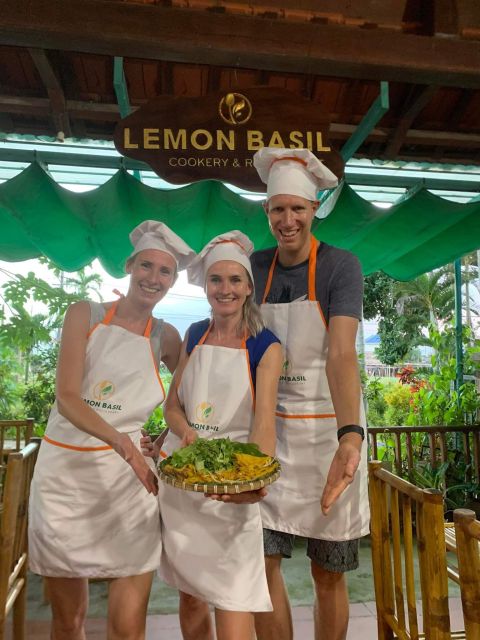
Book a start time that leaves room for the full three to three and a half hours. Arriving late could cut into the farm visit or force the group to wait, so aim for 5 to 10 minutes early.
Use the meeting point exactly as provided: Lemon Basil Cookery & Restaurant in Tra Que vegetable village. Pickup is not included. You are responsible for getting there independently.
Wear something comfortable for cooking and walking around the garden. The supplied information does not specify a required dress code, but you will be moving between the farm and kitchen, so practical clothing makes sense.
Ask about dietary arrangements before the class. The team has accommodated guests who did not eat pork and has asked about allergies and intolerances before the cooking began.
Free cancellation is available up to 24 hours before the activity for a full refund. You can also reserve now and pay later, which helps if you are still arranging your Hoi An schedule.
Should you book Lemon Basil Farm?
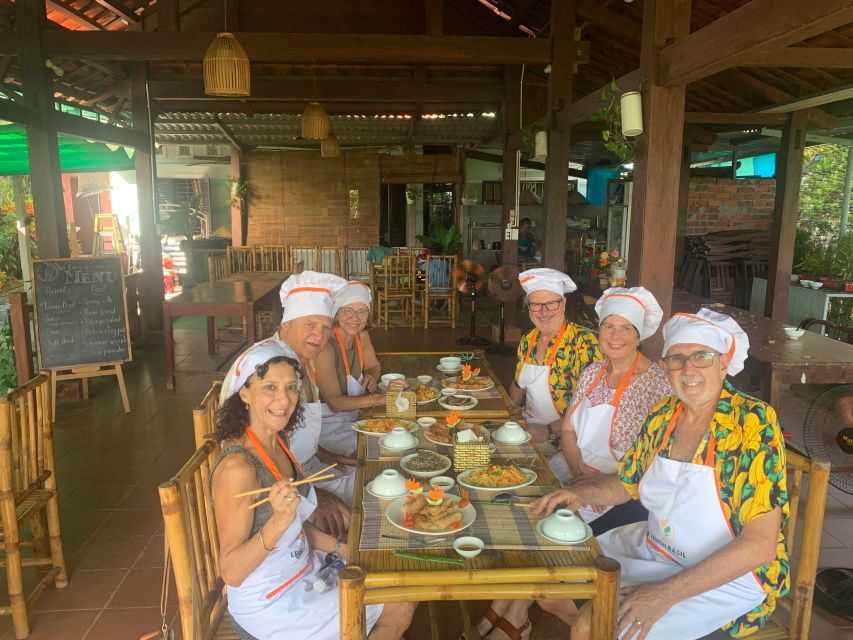
I would book this class if you value personal teaching, fresh ingredients, and a family setting more than a polished culinary production. The farm visit adds real context, the four-dish menu gives you plenty to do, and the small group keeps the class involved.
The main caution is simple: arrange your own transport and do not expect a fixed restaurant meal prepared for you. You will be working, sharing tools, and learning at the family’s pace.
At $27, the mix of farm time, cooking instruction, four dishes, communal dining, and a certificate is fair value. For an easygoing taste of Vietnamese food culture in Tra Que, this is a strong choice.
FAQ
How long does the Lemon Basil cooking class last?
The class lasts about three hours, with the full experience sometimes taking three to three and a half hours.
Where does the cooking class meet?
It meets at Lemon Basil Cookery & Restaurant in the heart of Tra Que vegetable village.
Is transportation included?
No. Pickup and drop-off are not included, so you must reach the restaurant independently.
What dishes will I cook?
You will prepare Tra Que spring rolls, green papaya salad, fish in a clay pot, and Vietnamese crispy pancakes, also called bánh xèo.
Is the class suitable for beginners?
Yes. No previous cooking experience is needed, and the English-speaking instructors guide you through each recipe.
Can dietary restrictions be accommodated?
The class is flexible for dietary needs, and the team asks about allergies and intolerances. Tell them about your requirements in advance.
How large is the group?
The class is limited to 10 participants. Some sessions have had smaller groups, including six people.
Is cancellation available?
Yes. You can cancel up to 24 hours before the activity for a full refund. Reserve now and pay later is also available.
More Farm Visits in Hoi An
- Cooking Class Hoi An – Organic Garden – Farming Tour-Handicrafts
★ 5.0 · 56 reviews - From Ho Chi Minh: Can Gio Trek – Monkey Island & Crocodile Farm
★ 5.0 · 353 reviews - DaNang Farm-to-Table Cooking Class with Market and Coffee Tasting
★ 5.0 · 131 reviews - Coffee Farm Tour with Roasting & Tasting Workshop – Da Lat
★ 5.0 · 126 reviews
Just added around Hoi An
- Private car from Danang to Hoi An★ 5.0 · 20 reviews
- Da Nang to Hoi An ancient town by private transfer★ 5.0 · 36 reviews
- Cu Lao Cham Island Tour from Da Nang/ Hoi An★ 4.0 · 24 reviews
- Da Nang Airport Arrival Private transfer to Hoi An★ 5.0 · 46 reviews
- Hoi An Night Market with Hoi an walking Tour , Colourful Lanterns, Boat Ride★ 5.0 · 142 reviews
- Marble Mountain-AM Phu Cave & Hoi AN -Colourful Lantern Boat Ride★ 5.0 · 27 reviews
- Private Transfer from Danang to Hoi An by Private Car★ 5.0 · 37 reviews
- Guided Tour to Marble Mountain &HoiAn City-BoatRide-Night Market★ 5.0 · 23 reviews
Cooking Classes, compared.

Hanoi Cooking Class: Culture, Local Market & Meaning CSR Impact
Read our review →
Cooking Class Hoi An:Local Market, Basket Boat, Fishing & Cooking
Read our review →
Mekong Delta Boat,Khotcake cooking Coconut Village,SmallGroup
Read our review →
Mekong Delta 4 Islands, TukTuk, Boat, Try Khot Cake Local Cooking
Read our review →
Chef Vu Cooking Class Plus Market Trip in Saigon Center (Pick up by Cyclo)
Read our review →
Hanoi Cooking Class: Pho/Bun Cha/Banh Xeo…+Free Egg/Salt Coffee
Read our review →Browse the lists this tour appears in