
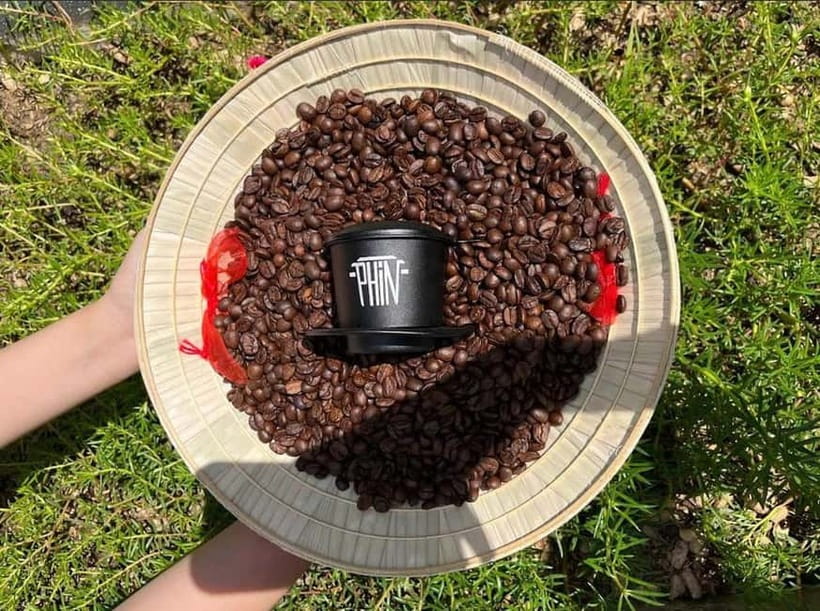
Reviewed · COFFEE EXPERIENCES
Hue: Brew Egg, Salt & Coconut Coffee
Vietnamese coffee is not just strong coffee poured over ice. In this 90-minute Hue workshop, you learn how a simple phin filter becomes the base for four very different drinks: classic phin, egg, salt, and coconut coffee. The best part is that you make each one yourself, then taste the results as you go.
I like the hands-on format and the small groups, capped at eight people. I also like the practical takeaway: you receive the recipes, and you can buy or use a phin filter at home. The main consideration is the amount of coffee. You prepare four drinks, and one solo participant found there was more than they could finish.
The mood is relaxed and social, with local hosts such as Duck, Uyen, Daisy, and Annie leading sessions. Duck is especially noted for her humor and clear teaching, while Uyen has also hosted warm, friendly classes. The exact host may vary, but the focus stays on coffee, conversation, and local culture.
Key points at a glance

- Four drinks in one class: Brew and taste classic phin, egg, salt, and coconut coffee.
- Traditional phin brewing: Learn how Vietnam’s metal drip filter produces its bold, slow-made cup.
- Robusta at the center: Understand why these strong beans work so well with condensed milk, egg, salt, and coconut.
- Small, personal groups: The class is limited to eight, with some sessions becoming one-on-one lessons.
- Useful souvenir: Take home the recipes, and use them later with a phin filter and ingredients you can find outside Vietnam.
- Good rainy-day choice: The indoor workshop works well when Hue’s weather is wet or you want a break from sightseeing.
Four Vietnamese coffees in 90 minutes
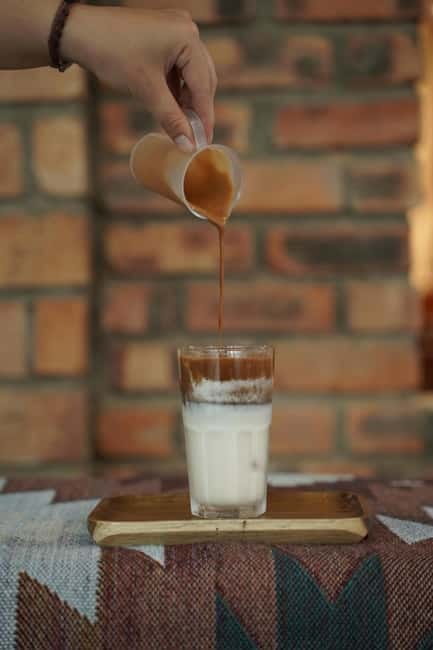
This experience gives you a compact lesson in Vietnam’s coffee culture rather than a quick tasting at a café. You work through four recipes, and each one shows a different way to soften, enrich, or reshape strong Robusta coffee.
The class begins with an introduction to the beans. That matters because Vietnamese coffee often has a fuller, more forceful taste than the lighter coffees many people drink at home. Robusta provides the punch, while the other ingredients add sweetness, creaminess, saltiness, or a cool tropical note.
You then use the traditional phin filter, a small metal brewer that sits on top of your glass or cup. It works slowly, allowing hot water to drip through the coffee grounds. This is not a rushed espresso-style process. The waiting is part of the ritual, and it gives your host time to explain the drink, answer questions, and talk about coffee in Vietnam.
The recipes are simple enough for beginners. You do not need barista training, and you do not have to be a serious coffee drinker to take part. One participant who does not usually drink coffee still enjoyed the class and liked the drinks. That makes this a good choice for couples or groups where only one person is a coffee fan.
More Coffee Tours in Hue Vietnam:
- Hoi An: My Son Early Morning Tour with Banhmi and Coffee
★ 5.0 · 29 reviews - Hoi An: Vietnamese Coffee Culture and Coffee Making Class
★ 4.9 · 4,006 reviews - Hanoi Coffee Experience: 6 Brews, 9 Recipes & 3 Liquor Tastings
★ 5.0 · 2,945 reviews
Phin coffee: the base for everything else
Classic phin coffee is the clearest place to start. You learn how the filter works and how the coffee slowly collects beneath it. The drink gives you a direct taste of the Robusta beans before the class adds other ingredients.
I like this first step because it gives the rest of the workshop a point of comparison. After tasting the plain coffee, you can better understand what the egg, salt, and coconut contribute. The phin also makes the experience easy to repeat at home. It is a small, low-tech tool, and the recipe handout gives you a practical guide for doing so.
The coffee is strong, so pace yourself. Four preparations can add up quickly, especially if you normally drink mild coffee or avoid caffeine. You can taste everything without treating every cup as a full serving.
This part of the class also gives you a useful bit of cultural context. Vietnamese coffee is not only about the beans. It is about the method, the slow drip, the add-ins, and the habit of turning coffee into a social pause.
Egg coffee: dessert in a cup
Egg coffee is the most surprising recipe for many people. It combines coffee with a sweet, creamy egg mixture, producing a drink that feels closer to a dessert than a standard morning brew.
Your host explains how to prepare it and how the topping changes the balance of the coffee. The result is rich and sweet, with the powerful coffee underneath keeping it from becoming plain custard. This is one of the drinks where the bold Robusta base earns its place. A delicate coffee could disappear under the creamy topping.
The recipe also shows how Vietnamese coffee culture adapts familiar ingredients in a creative way. You are not simply adding sugar or milk. You are changing the texture and turning the cup into something more substantial.
If you do not usually drink coffee, egg coffee may be the easiest starting point. It has a softer, more dessert-like character than the plain phin. Still, it remains coffee, so the caffeine can sneak up on you when combined with three other tastings.
Salt coffee: Hue’s distinctive contribution
Salt coffee is especially relevant in Hue. The small addition of salt does not make the drink taste like seawater. Instead, it changes the balance, reducing some of the bitterness and bringing out the sweetness and body of the coffee.
This is a good example of why a workshop is more useful than simply ordering a drink. In a café, you can taste the result, but you may not notice how the recipe works. Here, you add the ingredients yourself and see how a small adjustment changes a strong brew.
The salt coffee also has a clear sense of place. Of the four drinks, this is the one most closely tied to Hue in the supplied experience. It gives the class a local angle rather than presenting only famous Vietnamese coffee recipes from elsewhere.
For me, it is worth paying attention to the proportions. The exact balance is part of what you take home in the recipe handout. If salt coffee becomes a favorite, you can try it again without guessing.
A few more Hue Vietnam trips worth comparing
- Hue Customizable Tour with Imperial Citadel & Forbidden City
★ 4.9 · 937 reviews - Hue :Exploring Royal City with Multi Options and Dragon Boat
★ 5.0 · 675 reviews - Hue City Tour Full Day – Group Tour
★ 4.7 · 518 reviews - From Hue: DMZ Tour with Vinh Moc Tunnels and Khe Sanh Base
★ 4.9 · 503 reviews
Coconut coffee: cool, creamy, and easy to like
Coconut coffee brings a different mood to the tasting. Coconut adds a creamy texture and tropical flavor, often making the strong coffee feel smoother and more approachable.
The workshop includes both hot and cold drinks, according to the class details and participant descriptions. That gives you a useful contrast, especially in Hue’s warm weather. A cold coconut coffee can feel refreshing, while the hot versions let you notice the aroma and texture more clearly.
This is likely to be one of the safest choices for people who prefer sweet, blended, or milk-based drinks. It is also a good reminder that Vietnamese coffee does not have one fixed taste. The same strong base can become sharp and direct, creamy and sweet, salty and rounded, or cool and tropical.
By the time you reach this recipe, you have a good sense of how flexible the phin brew can be. The class is less about memorizing four drinks than learning a basic method and several ways to build on it.
What the host adds to the experience
The coffee matters, but the host makes the class work. You receive instructions in English or Vietnamese, and the class is designed around conversation as much as preparation.
Hosts named in the supplied information include Duck, Uyen, Daisy, and Annie. Duck appears most often in the session details, and her style is described as funny, welcoming, and clear. Uyen is also noted for being friendly and good at explaining the coffee and its background. You should expect the host to vary by date, so do not book solely for a particular person unless the booking page confirms who is teaching your session.
The strongest part of the teaching is its practical tone. You are shown each step, then given a chance to do it yourself. Questions are welcome, and the small group makes it easier to ask about ingredients, brewing, and Vietnamese coffee habits.
Some sessions have only two people, or even one participant. That can make the workshop feel more like a private lesson. Other sessions may include a family or a small group of friends. The maximum is eight, which keeps the format personal without making it expensive like a private tour.
The social side is worth noting. This is not a silent demonstration. You will have time for conversation and laughs, and the coffee gives strangers an easy subject to discuss. Solo visitors can join without needing to arrange a larger group.
A useful indoor break in Hue

Hue sightseeing can involve temples, tombs, courtyards, and plenty of time outdoors. This class gives you a change of pace without sending you far from the city.
A participant specifically found it rewarding on a rainy day. That is practical advice for planning. If the weather turns wet, you can spend 90 minutes indoors learning something connected to Vietnam rather than simply waiting for the rain to stop.
The meeting point is on Hoàng Quốc Việt Street. Enter alley number 1, walk about 50 meters, and look for the Huế Experience signboard. Since the meeting point is in an alley, allow enough time to find the entrance instead of arriving at the last minute.
The activity is listed as wheelchair accessible. It is also a small-group experience, with a limit of eight participants. Those details make it easier to fit into a day when you want a low-impact activity with a clear start and finish.
Is $18 a fair price?
At $18 per person, the class offers more than four drinks. The price includes the host, ingredients, tools, coffee tasting, water, the traditional phin filters, and the recipe handout.
I would judge the value by what you want from the activity. If you only want to drink Vietnamese coffee, cafés will cost less. If you want to understand how the drinks are made, compare four styles, and leave with instructions you can use again, the workshop makes better sense.
You also avoid the trial-and-error cost of buying ingredients without knowing the method. The class gives you a starting point for making the drinks at home, and one participant liked the filter enough to buy one for future use.
The value is strongest for couples, solo visitors, families, and small groups who enjoy food and drink activities. A family of five has taken part successfully, and the class can accommodate that size while remaining within the eight-person limit.
The main cost is not financial. It is caffeine. You will prepare and taste four coffees, and you may not want to finish every serving. Come ready to sample rather than consume everything.
Who should book this workshop?
I would recommend it to coffee fans who want more than a café stop. The class gives you a clear look at Robusta beans, the phin method, and the ingredients that shape each drink.
It is also a strong choice for people who enjoy local food traditions but do not consider themselves coffee experts. The instructions are accessible, and you can learn at your own pace. The egg and coconut recipes may appeal to people who usually prefer sweet drinks, while salt coffee offers something more unusual.
Couples can expect a relaxed shared activity. Solo visitors can benefit from the small groups and conversation. Families can take part together, although young children may not want to taste four caffeinated drinks. The supplied information does not set a minimum age, so check the booking details if age matters to your group.
I would think twice if you dislike coffee, avoid caffeine completely, or want a fast tasting with no preparation. The point is to make the drinks, not just receive them. The 90 minutes will feel worthwhile only if you enjoy the process.
You can cancel up to 24 hours before the activity for a full refund, and the reserve-now, pay-later option keeps the booking flexible. Those terms are useful if your Hue schedule is still changing.
Final call: book it for the recipes, not just the coffee
You should book this Hue workshop if you want a friendly, hands-on look at Vietnamese coffee and like the idea of making four drinks yourself. The strongest reasons are the small groups, the local teaching, the Hue connection through salt coffee, and the recipe handout you can actually use later.
I especially like it for a rainy afternoon, a relaxed morning, or a day when you want to meet local people without committing to a long tour. At $18, it is a sensible buy for anyone who values a skill and a story along with the tasting.
Skip it if you only want a single cup, since four recipes can be a lot. For everyone else, bring curiosity, arrive with room for samples, and let the phin drip at its own pace.
FAQ
Where does the coffee workshop meet?
Enter alley number 1 on Hoàng Quốc Việt Street and walk about 50 meters. Look for the Huế Experience signboard, which marks the meeting point.
How long does the activity last?
The workshop lasts 90 minutes.
How much does the experience cost?
The price is $18 per person.
Which coffees will I make?
You will make classic phin coffee, egg coffee, salt coffee, and coconut coffee.
What type of coffee beans are used?
The workshop uses bold Robusta beans, which are central to Vietnamese coffee.
Is the class taught in English?
Yes. The instructors speak English and Vietnamese.
How many people can join?
The class is limited to eight participants.
What is included in the price?
The price includes the guided workshop, ingredients and tools for four recipes, traditional phin filters, coffee tasting, drinking water, and a recipe handout.
Do I receive the recipes afterward?
Yes. You receive the recipes to take home.
Is the activity wheelchair accessible?
Yes, the activity is listed as wheelchair accessible.
Can I cancel my booking?
You can cancel up to 24 hours in advance for a full refund. You can also reserve now and pay later.
Just added around Hue Vietnam
- Phong Nha National Park: Paradise Cave Half-Day Tour★ 5.0 · 23 reviews
- Official Hue: Dragon Boat, Imperial Citadel, & Market tour★ 4.7 · 32 reviews
- Hue to Hoi An/Da Nang: Private Scenic Motorbike Tour★ 4.9 · 63 reviews
- Hue Royal Tombs Tour: Visit Best Pagodas & Mausoleums★ 4.9 · 19 reviews
- Hue to Hoi An by bus: Hai Van Pass, Lang Co, Marble mountain★ 4.6 · 27 reviews
- Hue: Private Transfer to/from Hoi An via Sightseeing Stops★ 4.9 · 111 reviews
- Hue Private Tour with Local Guide – Customize Your Itinerary★ 4.8 · 28 reviews
- Hue : Private Day Trip to DMZ : Vinh Moc tunnel & Khe Sanh★ 5.0 · 26 reviews
Coffee Experiences, compared.
Vietnamese Coffee Culture and Coffee Making Class
Read our review →
Hanoi Coffee Experience: 6 Brews, 9 Recipes & 3 Liquor Tastings
Read our review →
Early Morning My Son Sanctuary Trip w. Champa Food & Coffee
Read our review →
Da Nang Cooking Class with Coffee Tasting and Market Visit
Read our review →
Fun & Easy Vietnamese Coffee Workshop in Hồ Chí Minh City
Read our review →
Hanoi Cooking Class: Pho/Bun Cha/Banh Xeo…+Free Egg/Salt Coffee
Read our review →
Coffee Farm Tour with Roasting & Tasting Workshop – Da Lat
Read our review →
Experience specialty coffee with sustainable coffee farmers
Read our review →Browse the lists this tour appears in