
Reviewed · HIKING & TREKKING
Authenic 2D1N Trek & Bungalow Retreat with Dinh Hmong Family
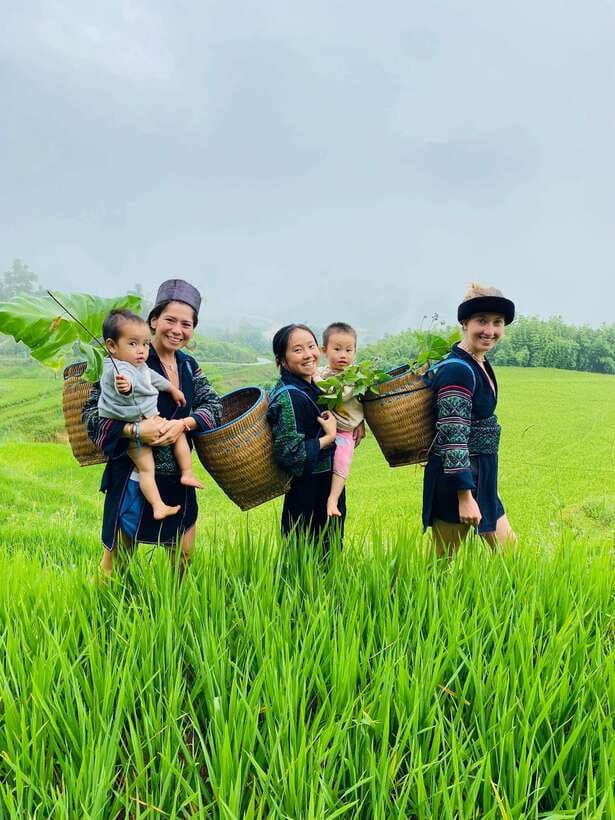
The best part of this Sapa trek is the human connection. Dinh, a local Hmong guide, leads you through Muong Hoa Valley, rice terraces, and mountain villages before welcoming you into her family home for dinner, cooking, and an evening with local children.
I like the balance of scenery and culture, especially the chance to learn about Hmong marriage traditions and daily life from someone who grew up here. I also like that the $48 price includes two lunches, dinner, breakfast, village fees, lodging, drinking water, and the ride back to Sapa.
The catch is the walking. You cover about 18 kilometers over two days on steep, uneven paths, with some exposure to heights. This is not a gentle village stroll, and the simple homestay may not suit anyone seeking hotel-style comfort.
Key points to know before booking

- Dinh and her sister guide you through Hmong country, with cultural explanations drawn from local life.
- The 18-kilometer route links rice terraces, bamboo forest, waterfalls, and villages around Muong Hoa Valley.
- The family homestay includes a traditional dinner, an informal cooking lesson, and time with local children.
- You visit several ethnic communities, including Hmong, Giay, and Red Dao villages.
- The $48 cost covers the main tour essentials, including four meals, lodging, entry fees, water, and return transport.
- Moderate fitness is required, and the tour is not suitable for people with mobility limits, vertigo, serious back problems, pregnancy, or those over 70.
Why this Sapa trek feels different

Sapa has no shortage of rice terrace walks. Many follow the same well-used routes, pause for photos, and return to town before dinner. This trip gives you a reason to stay out overnight.
Dinh is not simply taking you from one viewpoint to another. She is from the Hmong community and uses the walk to explain farming, village life, differences between ethnic groups, and Hmong marriage customs. That local perspective gives the scenery more meaning. A terrace is not just a pretty slope. It is working farmland, shaped by planting seasons, water, weather, and family labor.
The evening matters just as much as the walking. At Dinh’s family home, you can help prepare a traditional meal, hear about her work supporting the education of 10 local children, and watch her students perform a traditional dance. You may also join local drinking games with Happy Water, the regional name for rice wine.
This is a social experience, not a private retreat. You trek with other people, and the family evening may be lively. If you want a quiet room, a private guide, and a carefully controlled schedule, choose a different kind of Sapa trip. If you want a personal introduction to Hmong life, this format works well.
More Trekking Tours in Sapa
- Sa Pa: Muong Hoa Valley Trek and Local Ethnic Villages
★ 4.6 · 864 reviews - Sapa: Eco Adventure Terrace Fields and Local Villages Trek
★ 4.9 · 636 reviews - From Sapa: 1-Day Guided Trek to Lao Chai & Ta Van with Lunch
★ 4.9 · 416 reviews
Day one: from Sapa down into Muong Hoa Valley
The tour starts at 9:00 AM with pickup at your Sapa hotel or a meeting point near the town’s main church. That start time gives you a calm morning, though you need to book before 1:00 PM on the first day to receive the full itinerary. The day includes around 9 to 12 kilometers of walking and takes roughly five and a half hours.
You leave Sapa and trek toward Y Linh Ho village. The route drops away from town and opens to mountain scenery and terraced fields. The descent is part of the appeal, but it can also be hard on your knees, especially if the ground is wet. Wear shoes with a firm grip, not smooth city trainers.
Lunch comes at a small restaurant operated by a local Hmong family. This is a useful pause rather than a rushed roadside snack. Two lunches, one on each day, are included, along with dinner and breakfast at the homestay. The food is described as homemade and based on fresh ingredients, but the exact menu can change.
After lunch, you continue to Lao Chai, one of the area’s older and larger Hmong villages. Here, the walk becomes a lesson in how the valley is organized. You see homes, farm plots, terraces, and paths used by residents rather than only scenic lookouts. Depending on the season, you may see people planting or harvesting rice.
From Lao Chai, the route continues toward Ta Van Village. Ta Van is associated with both Giay and Hmong communities, and Dinh explains some of the cultural differences between them. This is one of the strongest parts of the trip for anyone who wants context instead of just photographs.
The route is not a single polished trail. Expect uneven ground, slopes, and sections where you need to watch your feet. The official difficulty is moderate, but that word means different things to different people. Someone who regularly walks hills should manage it well with breaks. If you spend most days on flat pavement, the descent and the total distance may feel demanding.
Ta Van homestay: a family evening, not a hotel stay

Once you reach Ta Van, you have time to rest, take a hot shower, and settle into the family homestay. The accommodation is described as simple, cozy, and equipped with basic amenities. Some descriptions refer to a bungalow, and the stay may include views across the rice fields, but you should think of it as family lodging rather than a polished resort.
That distinction is important. The appeal is the setting and welcome, not a long list of hotel services. You may find bamboo details, valley views, and a peaceful atmosphere, but the available facilities are basic. Tell Dinh your lodging preference when booking.
The evening cooking session gives you a practical way to take part. Rather than sitting apart while dinner appears, you can help prepare a traditional Hmong dish with Dinh and her family. This is a small activity, but it turns the homestay into a shared experience.
Dinner is the main cultural moment. Dinh talks about her family and her effort to support the education of 10 local children. Her students perform a traditional dance, and you can spend time with the children before or after the meal. The evening may also include rice wine and local games.
I like this part because it avoids treating the family home as a stage set. Still, you should arrive with the right attitude. You are entering someone’s home, so politeness, patience, and a willingness to join the group matter. The experience is less about watching a formal show and more about sharing an evening.
Day two: bamboo forest, Giang Ta Chai waterfall, and Red Dao country

Your second morning begins with hot coffee or tea and breakfast at the homestay. The quiet morning setting is one of the rewards of staying overnight. Instead of racing back to Sapa after a short walk, you wake among the hills and start the day at a slower pace.
The morning trek covers about 7 to 8 kilometers and takes around four to five hours. You pass through bamboo forest and more terraced fields on the way to Giang Ta Chai waterfall. The route brings a different mood from day one. The first day focuses more on villages and valley views, while the second adds trees, water, and narrower paths.
You may swim at the waterfall if conditions suit you and you feel comfortable. Bring suitable clothing if you want that option, but do not count on a long swimming stop. The activity is weather and water dependent, and the path around a waterfall can be slippery.
After the waterfall, you enter an area associated with the Red Dao ethnic group. This gives you another chance to compare local customs and community life with what you learned about Hmong and Giay villages. Dinh’s explanations are central here, since the value comes from understanding the people and places rather than simply passing through them.
The trek finishes near the main road, where you have a final lunch with a local family. After eating, a taxi takes you back to Sapa. The tour ends between 2:00 and 3:30 PM, so you still have part of the afternoon, though the exact end time depends on the walking pace and route conditions.
More Hill Tribe Tours in Sa Pa:
- Explore Sapa: 2D1N Trekking & Hmong Culture With Dinh
★ 4.9 · 191 reviews - Sa Pa: 6-Hours Muong Hoa Valley Trek with Local Ethnic guide
★ 4.5 · 178 reviews - Sa Pa: 2-Day Trekking Trip with Ethnic Minority Homestay
★ 4.7 · 145 reviews - From Sapa: Waterfalls, Trekking and Tribal Villages Tour
★ 4.6 · 91 reviews
What the $48 price really covers

At $48 per person, this is a strong value if you use most of the inclusions. You receive two days of English-speaking local guiding, entry fees for four villages, one night of accommodation, two lunches, one dinner, one breakfast, drinking water, and return transportation to Sapa.
The water allowance is one large bottle per person per day. That is helpful, but it may not be enough for everyone on a warm day or during a hard walk. Bring extra water or plan to buy drinks along the way. Snacks are also your responsibility.
The price does not include personal purchases, extra drinks, snacks, or souvenirs. You may also want cash for small expenses, though the supplied details do not specify exact amounts or payment arrangements.
The group format keeps the price low and gives the evening a social feel. It also means you do not control every stop. If someone walks slowly, the group may take longer. If you want to set your own pace, ask about private arrangements before booking, since the standard experience is a group tour.
A free T-shirt is provided at the end of the Sapa journey. That is a pleasant extra, though the real value is the guiding, meals, lodging, and family contact packed into two days.
Who should book this experience

I would recommend this trek to people who want more than a day trip from Sapa. It suits you if you enjoy walking, local food, informal cultural exchange, and simple accommodation. It is especially good for anyone interested in Hmong traditions, farming, village life, and the relationships between different ethnic communities in the valley.
It also suits families with older children who can manage a moderate mountain walk, though children under three can join free if you tell the provider in advance. The tour is not suitable for pregnant people, anyone with mobility impairments or back problems, people afraid of heights or with vertigo, or anyone over 70 according to the stated restrictions.
You need comfortable shoes, sun protection, a hat, snacks, a camera, and enough water. Pack light for the overnight stay. A swimsuit may be useful if you want to swim at Giang Ta Chai waterfall.
The tour is not a good choice if your priority is a private bathroom, predictable hotel service, or a short and easy walk. The homestay has basic amenities, and the paths can be steep and uneven. Rain or seasonal conditions may also affect the walking experience, even though the core route remains the same.
Cultural value and responsible expectations

A local guide can help you see more than scenery, but cultural contact works best when you treat it as an exchange. Listen when Dinh explains customs, ask before taking close-up photographs, and respect the family’s home. The visit to the children and the traditional dance should be approached as part of the evening, not as a performance you are entitled to demand.
Dinh’s support for local children’s education gives the stay a wider purpose. You are not simply paying for transport and a room. Your booking supports women in her family and helps connect the tour with local community work. The supplied information does not give a detailed breakdown of where the money goes, so I would not claim that all revenue goes to education, but this is still a useful part of the experience to understand.
The tour also brings you into villages where people live and work. Keep your voice low near homes, avoid blocking paths, and remember that rice terraces are farmland. These small choices help keep the visit respectful.
Should you book Dinh’s 2-day Sapa trek?

Book it if you want rice terraces plus real family contact, and if you are comfortable with a moderate hike and simple lodging. Dinh’s local background, the cooking session, the evening with her family, and the mix of Hmong, Giay, and Red Dao communities give this trip more substance than a quick scenic walk.
Think twice if you need soft beds, private space, or an easy route. The 18 kilometers, steep sections, uneven ground, and group format are real considerations.
For the price, I think this is a well-rounded choice for an active visitor who wants to spend a night in the Muong Hoa Valley rather than merely look at it from a viewpoint. Bring good shoes, extra snacks, and an open mind. That is the best way to get the most from Dinh’s welcome.
FAQ

How long is the trek?
The total distance is about 18 kilometers over two days. Day one covers roughly 9 to 12 kilometers and takes around five and a half hours. Day two covers about 7 to 8 kilometers and takes around four to five hours.
What time does the tour begin?
The tour starts at 9:00 AM. Pickup is available from your hotel in Sapa Town, or you can meet Dinh near the local main church.
Where do you stay overnight?
You stay one night at Dinh’s family homestay in Ta Van. The accommodation is simple, cozy, and equipped with basic amenities. Some descriptions refer to the accommodation as a bungalow.
Are meals included?
Yes. The price includes two lunches, one dinner, and one breakfast. Personal snacks and drinks other than the provided water are not included.
Is drinking water provided?
Yes. You receive one large bottle of drinking water per person per day. You should also bring extra water if you expect to need more.
Is the tour private or shared?
It is a group tour, so you trek with other travelers.
What languages does the guide speak?
The experience is offered in English and Vietnamese. Dinh is a local Hmong guide, and her sister also helps with the tour.
Is the trek suitable for beginners?
The stated fitness level is moderate. The route includes steep and uneven terrain, so it is not suitable for people with mobility impairments, back problems, vertigo, or a fear of heights.
When does the tour finish?
The tour ends between 2:00 and 3:30 PM on the second day. A taxi takes you back to Sapa after the final lunch.
More 2-Day Trips in Sa Pa
- From Hanoi: 2-Day 2-Night Sapa Tour by Overnight Train
★ 4.4 · 96 reviews - 2-Day Fansipan Mountain Trek – Indochina’s Highest Peak
★ 4.3 · 42 reviews - From Sapa Homestay Hideaway 2-Day Local Life Adventure
★ 4.7 · 26 reviews - From Hanoi: Explore Sapa 2-Day Tour
★ 4.3 · 22 reviews
More Trekking Tours in Sa Pa
- Sapa 1 Day Long Trek: Trek to Hau Thao and Sa Seng Villages
★ 4.6 · 344 reviews - Half Day Sapa Trekking to Visit Lao Chai – Ta Van
★ 4.7 · 126 reviews - Sapa Trekking Bargains With Local Guide
★ 4.9 · 91 reviews - From Sapa: Guided Full-Day Trekking with Lunch and Drop-Off
★ 4.2 · 86 reviews
Just added around Sa Pa
- Sapa3D2N TrekkingAdventures,Valleys,Bambooforest,Waterfall★ 4.8 · 24 reviews
- Sapa: Y Linh Ho – Lao Chai, and Ta Van Trekking Day Tour★ 5.0 · 25 reviews
- Sapa: Ta Phin Village Trek & Red Dao Herbal Bath★ 5.0 · 22 reviews
- Sapa: Private Highlights Day Tour with Lunch★ 4.8 · 61 reviews
- From Sapa: Guided Full-Day Trekking with Lunch and Drop-Off★ 4.2 · 86 reviews
- Sapa Trekking Bargains With Local Guide★ 4.9 · 91 reviews
- Sapa: Love Silver Waterfall, LonelyTree in Heaven-Rice Field★ 4.9 · 28 reviews
- Sapa: Muong Hoa Mountain Views and Villages Trek with Lunch★ 4.3 · 28 reviews
Hiking & Trekking, compared.

Halong Bay Full Day with Kayaking, Hiking viewpoint, Cave – Deluxe To Luxury
Read our review →
Sa Pa: Muong Hoa Valley Trek and Local Ethnic Villages
Read our review →
Sapa 3 Days 2 Nights Trekking Tour (1 Night In Ta Van Village, 1 Night In Hotel)
Read our review →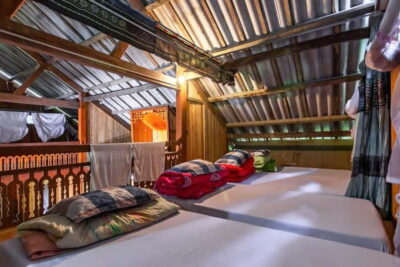
2-Day Sa Pa Ethnic Homestay Tour & Trek with Limousine Bus
Read our review →
1-Day Guided Trek to Lao Chai & Ta Van with Lunch
Read our review →
Browse the lists this tour appears in