
Reviewed · HIKING & TREKKING
From Hanoi: Sapa 3-Day Medium Trek and Limousine Trip
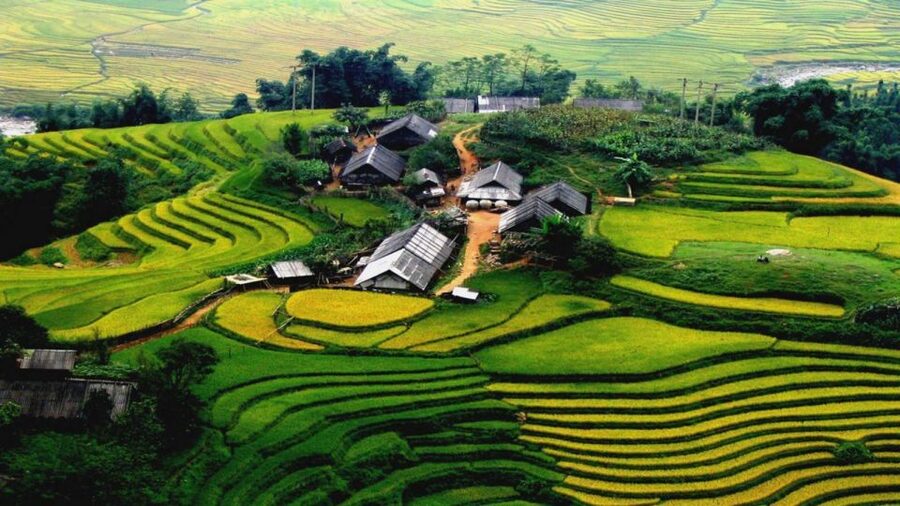
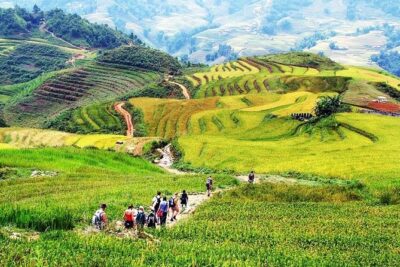
The heart of this trip is not Sapa town. It is the walk through Muong Hoa Valley, where rice terraces climb the hills and footpaths link Hmong, Zay, and Red Zao villages. You get mountain scenery, local homes, and a night in a village homestay instead of only looking at Sapa from a hotel window.
I like the way the trip combines a comfortable limousine ride with real walking, and I like the local guides who explain village life while adjusting the pace. Guides called Jo, Ai, May, and Ay have been especially good at sharing local knowledge and helping people over rough sections. The main drawback is the long road journey from Hanoi, plus simple homestay facilities and some persistent sellers along the trail.
Key points to know before booking
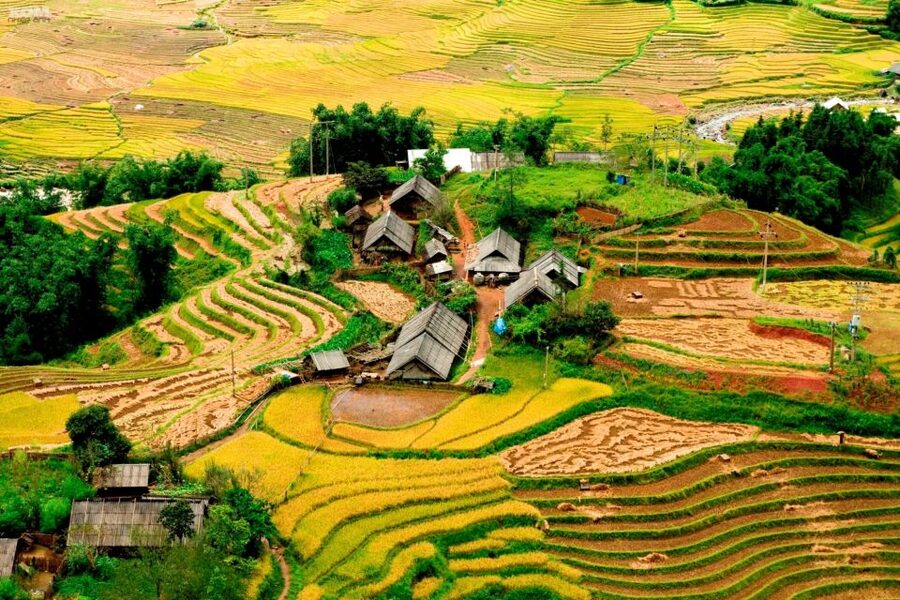
- A 9-kilometer mountain trek: The route includes steep paths, uneven ground, rice-field trails, a suspension bridge, and an uphill section through bamboo forest.
- Three ethnic minority areas: You visit Black Hmong, Hmong, Zay, and Red Zao communities around Sin Chai, Y Linh Ho, Lao Chai, Ta Van, and Giang Ta Chai.
- One or two homestay nights: The overnight arrangement can change, and facilities are much simpler than a Sapa hotel.
- Six to twelve hours on the road: The limousine takes roughly six hours each way, with the return often arriving in Hanoi around 8:30 to 9:30 PM.
- Meals are covered: The package includes two dinners, three lunches, and two breakfasts, but drinks and personal spending are extra.
- Weather can change fast: Bring warm layers, rain protection, proper shoes, sun cream, insect repellent, and medicine.
Why the valley walk is the real attraction
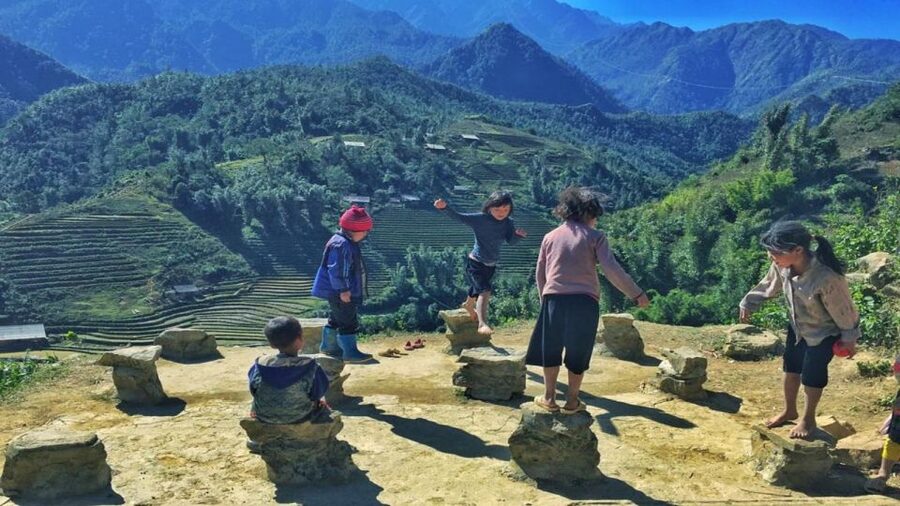
Sapa is famous for its mountain views, but the town itself can feel busy and built up. This trip moves quickly into the countryside, where the walking becomes the main event. You follow paths between fields, cross small bridges, and pass homes where farming and household work continue at a steady local pace.
The Muong Hoa Valley section is the strongest part of the itinerary. You see the Hoang Lien Son mountain range from below, with terraces spreading across the slopes. Weather matters here. In rain or mist, the views can fade, but the villages and paths still have character. In clear conditions, the terraces and mountain ridges make the walking memorable.
The route is described as a medium trek, not a gentle stroll. The listed distance is around nine kilometers, but the difficulty comes from mud, slopes, slippery stones, and uneven footpaths rather than distance alone. You should be comfortable walking for several hours and handling hills without regular paved surfaces.
More Trekking Tours in Sapa
- Sa Pa: Muong Hoa Valley Trek and Local Ethnic Villages
★ 4.6 · 864 reviews - Sapa: Eco Adventure Terrace Fields and Local Villages Trek
★ 4.9 · 636 reviews - From Sapa: 1-Day Guided Trek to Lao Chai & Ta Van with Lunch
★ 4.9 · 416 reviews
Day one: Hanoi to Sapa and Sin Chai
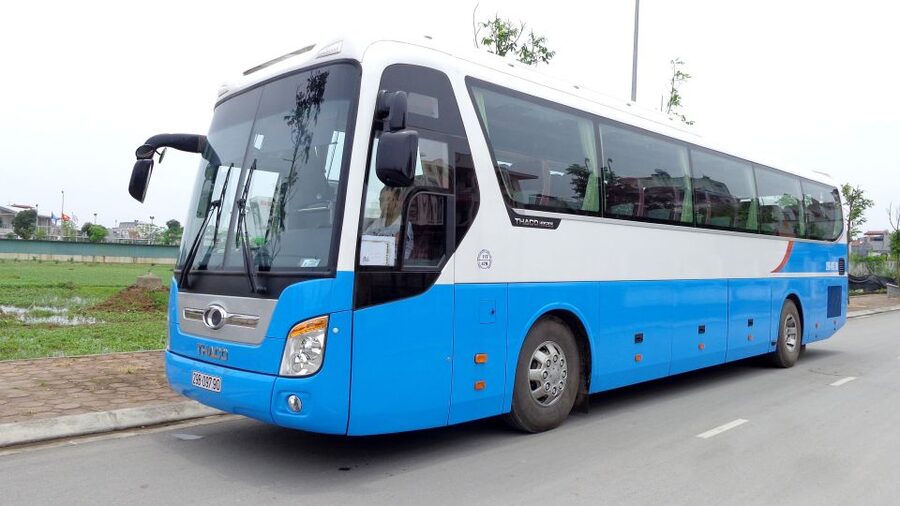
Pickup from hotels in Hanoi’s Old Quarter is scheduled around 6:30 to 7:00 AM. The air-conditioned limousine takes about six hours, with two stops planned for snacks and restrooms. That sounds simple, but allow plenty of patience. One ride arrived about an hour late, and stop times have not always matched the promised schedule.
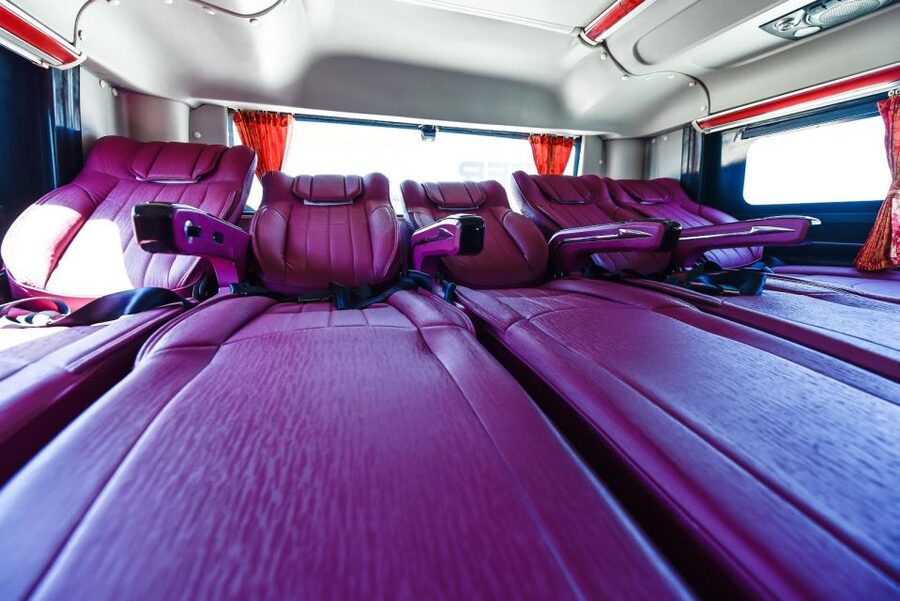
The limousine is a useful improvement over a basic bus for such a long journey. Still, comfort depends on the vehicle and your height. One account describes a sleeper-style bus with cocoon seats that felt comfortable for shorter passengers, while taller passengers found the space tight. Communication at stops can also be unclear, so keep your phone, water, and valuables with you and confirm when you need to return to the vehicle.
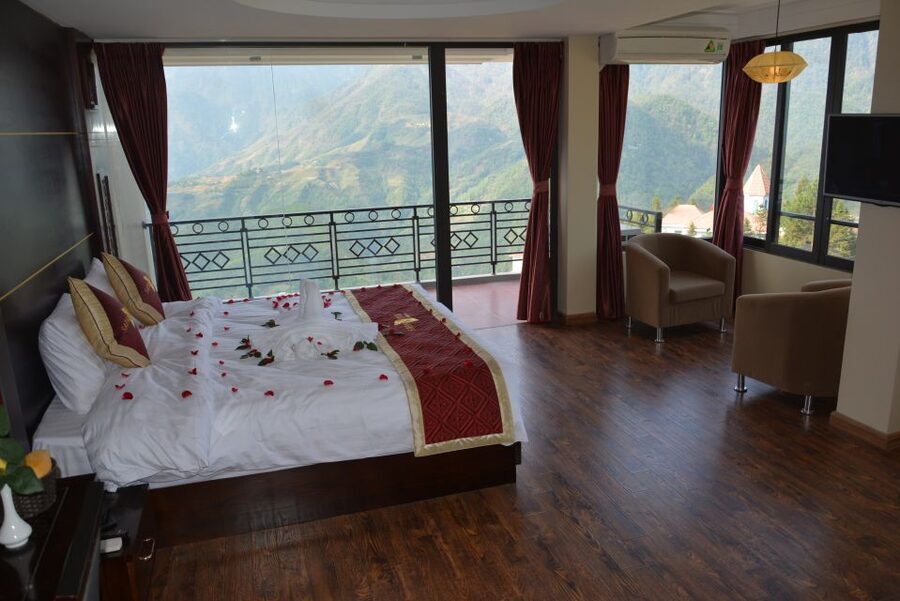
After arriving in Sapa, you have lunch at a local restaurant, check in, and rest before the afternoon walk. That pause matters after the long ride. You are not expected to leave Hanoi at dawn and immediately tackle the full trek.
The first walk heads southwest from Sapa to Sin Chai village, about four kilometers away. It is associated with the Black Hmong and offers a quieter introduction to the area. The village is described as simple and rustic, with a way of life that feels less shaped by the town center.
This first outing is shorter than the main valley trek, but it gives you a useful warm-up. You get your first look at mountain paths and local homes without spending the entire afternoon on the trail. Afterward, you return to your hotel to freshen up before dinner.
The evening is free for Sapa town. You can walk around, shop, or try roasted corn and baked eggs cooked beside a charcoal fire. These small food stops are part of Sapa’s evening character, but keep spending modest if you want to avoid buying local goods at inflated prices.
Day two: Y Linh Ho, Lao Chai, and Ta Van
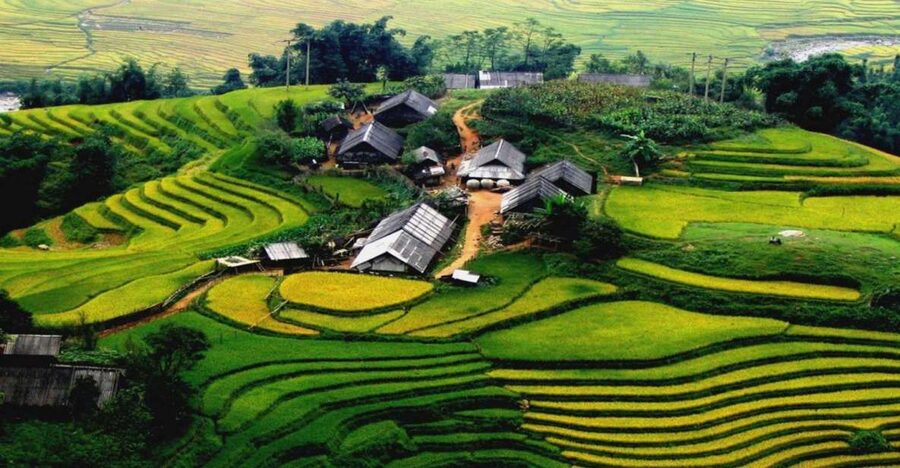
After breakfast, you check out and begin the longest and most scenic walking day. The route first follows the main road for about an hour before turning onto a downhill path toward Muong Hoa Valley.
That change from road to footpath is important. The road gives you a broad view and an easier start, while the trail brings you closer to terraces, streams, and village life. You cross a suspension bridge to reach Y Linh Ho, where you can visit Hmong families and see everyday work taking place.
The value here is the contact with ordinary village life. You are not only stopping for a photograph. The guide helps explain what you are seeing, and the pace gives you time to notice homes, fields, clothing, tools, and the shape of the settlement.
Lunch comes during the route, followed by roughly two hours through hills toward Lao Chai, a Hmong village. This is where good guiding makes a clear difference. Guides such as Jo and Ai have been praised for explaining the area, keeping groups informed about timing, and changing the pace or path when a section proves too demanding.
You then follow the riverbank to Ta Van, home to the Zay people. The river, terraces, and mountain walls make this one of the most attractive sections of the trip. You visit local homes before spending the evening in a homestay.
The homestay is the cultural center of the trip, but you need to understand what you are booking. Facilities are not hotel standard. One arrangement had mattresses laid out in a shared barn-like dormitory, little privacy, and limited bathroom capacity. Other homestays were described as clean, comfortable, and welcoming, so conditions can vary.
You may sleep at a homestay on the first night or the second night, depending on local arrangements. Ask the operator before departure if the accommodation setup matters to you. If you need a private room, do not assume one is included.
A shared meal is one of the best reasons to accept the simple conditions. You may be able to help prepare food, eat with the host family, and see how an evening works in the village. The package includes dinner, but drinks and personal purchases are not included. Carry Vietnamese dong, since banking services in Sapa can be unreliable.
Day three: bamboo forest, waterfall, and Giang Ta Chai
After breakfast, you leave Ta Van on an uphill trail. The morning passes through terraced fields and small Hmong hamlets before entering a bamboo forest. This section feels different from the open valley views. The path becomes greener and more enclosed, and the shade is welcome in hot weather.
The route reaches a waterfall where you can rest. It is a useful break before the final walking section, especially if the ground is wet. After the stop, you continue for about 30 minutes to Giang Ta Chai, associated with the Red Zao people.
Lunch is served near the village center. The afternoon is less about seeing more sights and more about slowing down, drying clothes, repacking, and preparing for the return journey. The limousine pickup is scheduled for 2:00 PM.
The trip back to Hanoi takes five or six hours, depending on traffic. Arrival is usually around 8:30 to 9:30 PM, which makes this a full final day. If you have an early flight the next morning, give yourself plenty of margin rather than relying on the earliest possible arrival.
More Trekking Tours in Sa Pa:
- Sapa 1 Day Long Trek: Trek to Hau Thao and Sa Seng Villages
★ 4.6 · 344 reviews - Explore Sapa: 2D1N Trekking & Hmong Culture With Dinh
★ 4.9 · 191 reviews - Sa Pa: 6-Hours Muong Hoa Valley Trek with Local Ethnic guide
★ 4.5 · 178 reviews - Sa Pa: 2-Day Trekking Trip with Ethnic Minority Homestay
★ 4.7 · 145 reviews
How the guides shape the experience
The guide can make or break a Sapa trek. This route uses an English-speaking local guide, and that local connection is important because the best parts of the trip involve village customs, family homes, and daily work rather than formal attractions.
Jo has been praised for knowing the region from childhood, explaining timing clearly, and keeping the walking pace manageable. Ai has been described as attentive and willing to adapt the route to the group’s abilities. May continued guiding with energy in heavy rain, while Ay was praised for taking an off-road route and helping with schedule changes.
These names do not guarantee who will lead your departure, but they show the sort of guide you should hope for: someone who knows the paths, explains local life, and notices when the group needs a pause. The quality of the road transfer has been less consistent than the quality of the walking guides, so judge the trip mainly as a guided trek with transport attached.
The awkward issue of local sellers
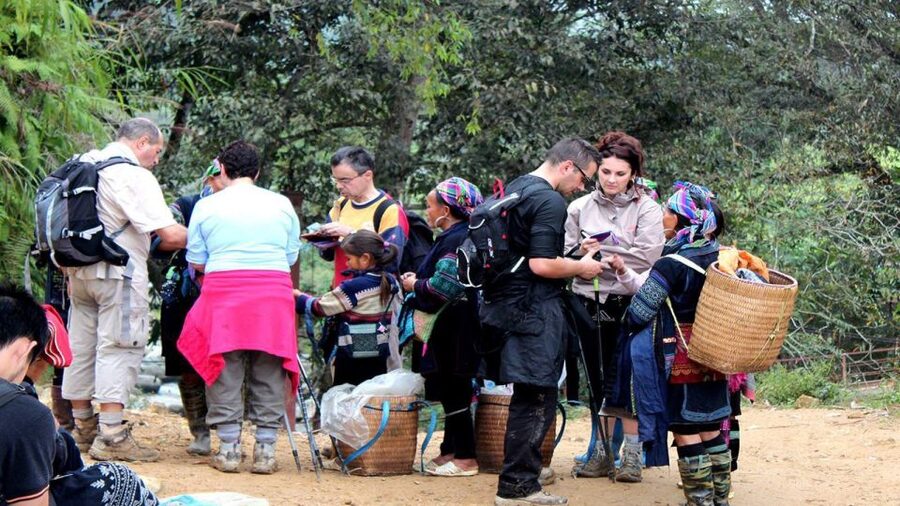
You should know about the sellers before you go. Local ethnic people may walk alongside the group for much of the trek, asking for money or offering handmade goods at high prices. The operator warns you to ignore them and stay with your guide.
This can feel uncomfortable, especially when someone is friendly or walks with you for a long time. Decide in advance that you will not buy under pressure. If you want souvenirs, compare prices calmly and use your own judgment. Do not let these encounters spoil the villages, but do recognize that they are a real part of the route.
What the $165 price includes
At $165 per person, the package offers reasonable value if you want a short Sapa visit without arranging transport, meals, village walks, and accommodation separately. You get Hanoi to Sapa transport and return, local transfers in Sapa, an English-speaking guide, entrance fees, two dinners, three lunches, two breakfasts, and two nights of accommodation.
The value is strongest for a first visit. You do not need to work out which valley trail connects to which village, and the guide helps with the practical details. Meals also reduce the daily planning burden.
The price is less attractive if you want hotel comfort, private rooms, or a relaxed schedule. The road journey consumes much of the first and last day, and the homestay may be communal and basic. Drinks, personal expenses, and possible shopping are extra, so bring cash in Vietnamese dong. US dollars, euros, and Australian dollars are also accepted in Sapa, but local currency is the most practical choice.
What to pack for the nine-kilometer trek
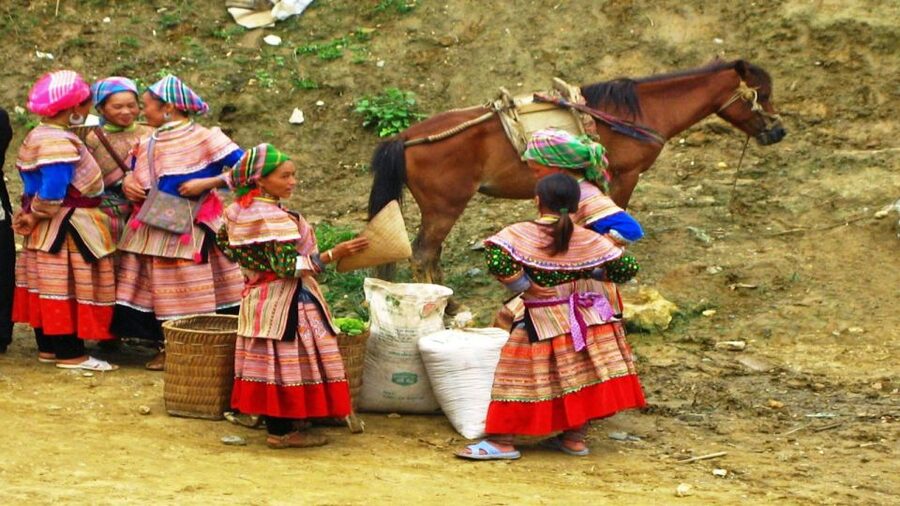
Bring proper trekking shoes, not thin sneakers. You will need grip for slopes, wet paths, and uneven village trails. Comfortable walking clothes are essential, and a small day bag is more useful than a large suitcase during the trek.
Pack warm clothes even if Hanoi feels hot. Sapa is normally cold from September through March, and fog is common in December, January, February, and March. A scarf, hat, or cap is useful, along with rain protection if the forecast looks uncertain.
Also bring sunglasses, sun cream, insect repellent, and any medicine you may need. Keep cash accessible, but protect it from rain. The activity does not allow pets and is not suitable for people with mobility impairments.
Who should book this Sapa trip
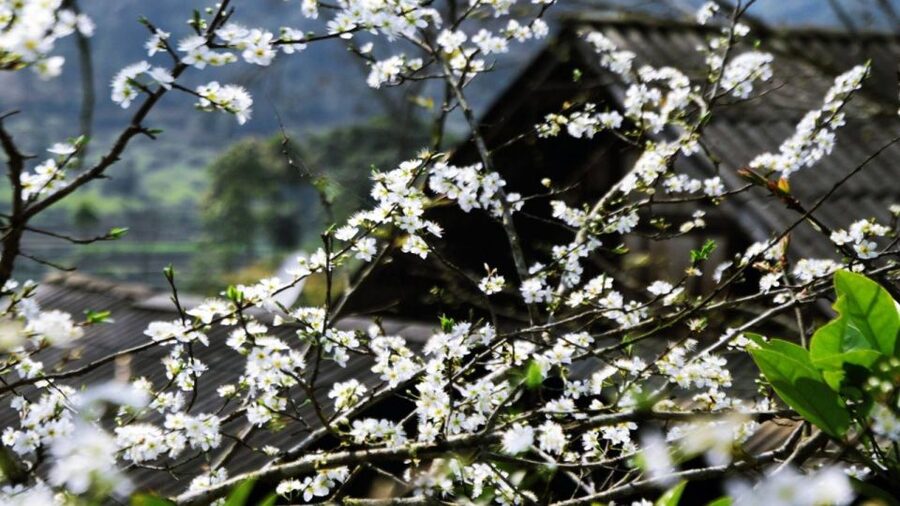
I would choose this tour if you want to see rice terraces and ethnic villages in three days without spending several extra days arranging the route. It suits reasonably fit walkers who enjoy basic accommodation and want local contact rather than a polished resort experience.
Families with older children may manage the trip, but the nine-kilometer trek is specifically not recommended for young children or older visitors. Anyone uncomfortable with steep paths, shared sleeping areas, unpredictable weather, or long road transfers should consider a gentler Sapa plan.
The tour is also a good match for people who value a strong guide more than perfect transport. The walking portion has the best chance of feeling personal and worthwhile. The Hanoi road transfer is practical, but delays, unclear stop instructions, and aggressive driving have affected the experience for some people.
Should you book it?
Book this trip if your priority is village walking, mountain scenery, and a homestay, and you can accept basic facilities. The combination of Sin Chai, Muong Hoa Valley, Lao Chai, Ta Van, and Giang Ta Chai gives you a lot of Sapa in a short period.
Skip it if you need private accommodation, easy paths, or a calm transport schedule. Before paying, confirm the likely homestay arrangement and make sure the 6:30 to 7:00 AM pickup, long return ride, and nine-kilometer trek fit your plans. Free cancellation up to 24 hours before departure and reserve-now, pay-later terms provide some useful flexibility.
FAQ
How long is the trek?
The trek is listed as nine kilometers. The route includes uphill and downhill paths, rice terraces, a suspension bridge, a bamboo forest, and uneven village trails.
Where does pickup take place?
Pickup is included from accommodation in Hanoi’s Old Quarter, usually around 6:30 to 7:00 AM on the first day.
How many nights are spent at a homestay?
The trip includes two nights of accommodation, and you may stay at a homestay on the first night or the second night depending on circumstances. The homestay facilities are simpler than hotel facilities in Sapa.
What meals are included?
The package includes two dinners, three lunches, and two breakfasts. Beverages and personal expenses are not included.
What should I bring?
Bring comfortable trekking shoes, warm clothes, a scarf, hat or cap, sunglasses, sun cream, insect repellent, and any medicine you may need. Cash in Vietnamese dong is also recommended.
Is the tour suitable for children or people with limited mobility?
The nine-kilometer trek is not recommended for older people or children, and the activity is not suitable for people with mobility impairments.
More 3-Day Trips in Sa Pa
- From Sapa: 3-Day Ha Giang Loop with Safe Rider (max 8 pax)
★ 4.9 · 285 reviews - Sapa: 3-Day Ha Giang Loop Motorbike Tour
★ 4.9 · 34 reviews - Amanda Cruise – Ha Long, Lan Ha Bay – All Inclusive 2D1N & 3D2N
★ 5.0 · 4,358 reviews - Hanoi: 3-Day Ninh Binh, Ha Long, & Lan Ha Bay 5-Star Cruise
★ 4.8 · 1,401 reviews
Just added around Sa Pa
- Sapa3D2N TrekkingAdventures,Valleys,Bambooforest,Waterfall★ 4.8 · 24 reviews
- Sapa: Y Linh Ho – Lao Chai, and Ta Van Trekking Day Tour★ 5.0 · 25 reviews
- Sapa: Ta Phin Village Trek & Red Dao Herbal Bath★ 5.0 · 22 reviews
- Sapa Trekking Bargains With Local Guide★ 4.9 · 91 reviews
- Sapa: Private Highlights Day Tour with Lunch★ 4.8 · 61 reviews
- From Sapa: Guided Full-Day Trekking with Lunch and Drop-Off★ 4.2 · 86 reviews
- Sapa: Love Silver Waterfall, LonelyTree in Heaven-Rice Field★ 4.9 · 28 reviews
- Sapa: Muong Hoa Mountain Views and Villages Trek with Lunch★ 4.3 · 28 reviews
Hiking & Trekking, compared.

Halong Bay Full Day with Kayaking, Hiking viewpoint, Cave – Deluxe To Luxury
Read our review →
Sa Pa: Muong Hoa Valley Trek and Local Ethnic Villages
Read our review →
Sapa 3 Days 2 Nights Trekking Tour (1 Night In Ta Van Village, 1 Night In Hotel)
Read our review →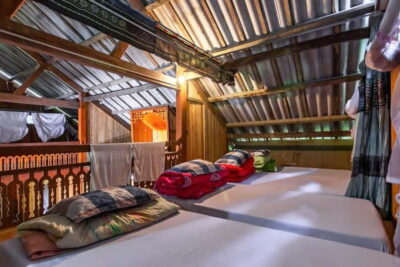
2-Day Sa Pa Ethnic Homestay Tour & Trek with Limousine Bus
Read our review →
1-Day Guided Trek to Lao Chai & Ta Van with Lunch
Read our review →
Browse the lists this tour appears in