
Reviewed · RICE TERRACE TOURS IN SAPA
Explore Sapa by TrekkingAdventures, Mountain,Rice fields
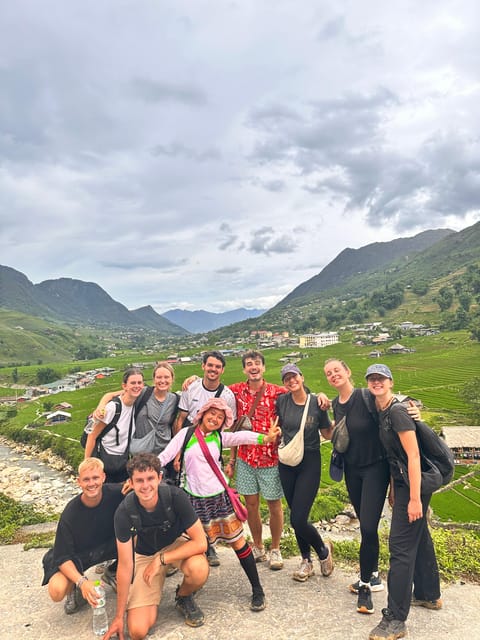
Sapa is at its best below town, where concrete gives way to rice terraces, buffalo paths, and mountain villages. This five-hour trek follows the route from Sapa to Y Linh Ho, Lao Chai, and Ta Van with a local Hmong woman who can explain village life from personal experience.
I like two things in particular: the guides, including Sun, Dinh, Khu, and Chuchu, are warm, funny, and generous with their stories; and you can choose between an easier route and a harder trail. The main catch is the ground. Mud, steep downhill paths, stream crossings, and fog can make this a proper mountain walk, not a gentle stroll.
Key points at a glance

- Local Hmong guides: Meet women from the mountain communities and hear about family life, work, marriage customs, farming, and local traditions.
- Three village route: Walk from Sapa through Y Linh Ho and Lao Chai to Ta Van, with rice terraces and valley views along the way.
- Flexible difficulty: Select a roughly 5 to 11 kilometer route, from easier road walking to harder, slippery paths through the fields.
- Lunch in Lao Chai: Stop at a local restaurant for a filling meal, with vegetarian and vegan choices available.
- Rain-ready equipment: Boots and trekking sticks are available when wet weather turns the trails slick.
- Strong value: For $23 per person, you get a guide, lunch, water, entry fees, and transport back to Sapa.
Why this Sapa trek feels different
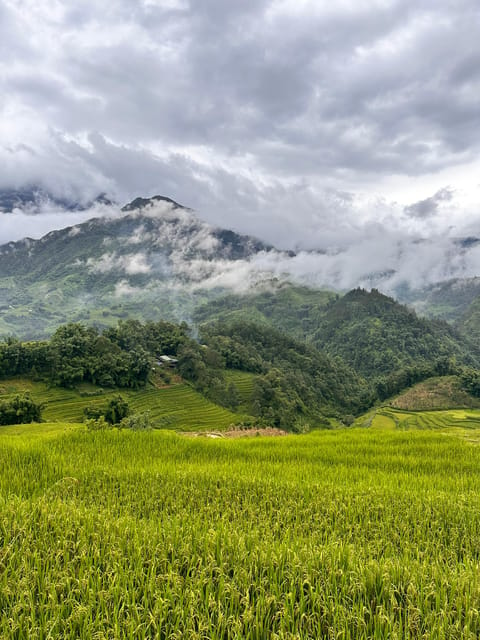
Many Sapa outings are sold on views alone. This one works better because the scenery and the human side arrive together. You are not simply pointed toward a rice terrace, photographed, and sent back to town. Your guide explains who farms the fields, how village groups differ, and what daily life is like in the mountains.
The guides are local Hmong women, and that matters. Dinh describes growing up in a village without electricity and without the chance to attend school. She also explains how early arranged marriage affects women in her community. The tour supports three sisters who work together, help children attend school, and create jobs for other local women.
That does not make the walk a charity visit. You still get a proper route, a local lunch, and a full afternoon outside. But your guide is also sharing her own life rather than reciting a short script about an unfamiliar culture.
Sun is especially often requested by name, and for good reason. She is described as funny, energetic, and clear in English, with a knack for keeping a group moving without making the day feel rushed. Other guides include Dinh, Khu, Ko, Chuchu, Mam, Ze, and Mama Mai. The exact guide depends on the day.
More Rice Terrace Tours in Sapa
- 1-Day Sapa Long Trek – Rice Field Terrace, Ethnic Culture
★ 4.9 · 62 reviews - Sapa: Love Silver Waterfall, LonelyTree in Heaven-Rice Field
★ 4.9 · 28 reviews - Motorbike 1 Day Off The Beaten Track, Hidden Villages, rice field
★ 5.0 · 203 reviews
Starting in Sapa and heading to Y Linh Ho
The usual meeting point is your hotel in Sapa Town or the old church near the town center. The standard start is 9:00 AM, though another start time can be arranged if you tell the operator in advance.
The opening section leads downhill from Sapa toward Y Linh Ho, a Black Hmong village. This descent is where the town quickly falls behind you. You begin seeing animals such as buffalo, pigs, and chickens, along with farm paths and terraces cut into the hillsides.
The downhill direction sounds easy, but it can be the trickiest part when the ground is wet. Several accounts describe muddy footing, slippery sections, narrow paths, and occasional stream crossings. You do not need to be an athlete, but you do need steady legs and comfortable shoes.
On a clear day, the views open gradually as you lose height. In winter, fog can hide almost everything. February can be especially cloudy, and one visitor had a four-star day largely because heavy fog blocked the views. That is a useful warning: Sapa weather can decide how much scenery you get.
The guide sets the pace and stops for breaks. You can ask questions about farming, local animals, clothing, village customs, or your guide’s family. This is where the experience earns its keep. The walk becomes a conversation, not just a route between photo stops.
Y Linh Ho and the first rice terraces
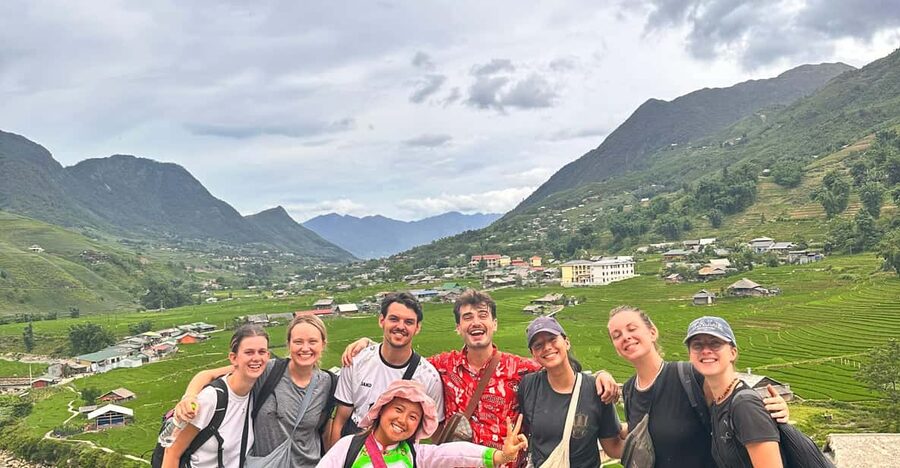
Y Linh Ho is one of the most scenic points on the route, with Black Hmong homes and terraces spread through the valley. The terraces are seasonal working fields, not a permanent postcard display.
Visit during the growing season and you may see rice planting. During harvest, the hills take on a different color and activity. Outside those periods, the terraces may look muddy, green, brown, or partly bare. The views remain attractive, but you should not expect the same scene in every month.
The local women who sometimes accompany the group can be helpful on rough sections. They may lend a hand on steep or slippery ground, especially during the first portion of the route. You should also expect some to offer handmade goods for sale. This is a real part of the local tourism economy, but it can feel persistent.
You are not required to buy anything. Decide your budget before setting out, and feel free to say no politely. The guide can help make that boundary clear, but the selling is one aspect of the experience you should understand in advance.
Lao Chai, lunch, and Black Hmong culture
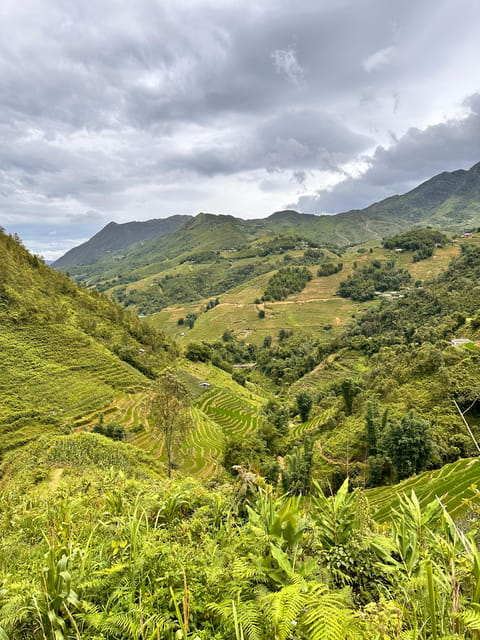
The walk continues to Lao Chai, one of the larger and older Hmong communities in the area. This section gives you more time to see how the villages connect to the terraces, paths, and valley floor.
Lunch is served at a local restaurant in Lao Chai. It is included in the price and is described as plentiful, with vegetarian and vegan options available. You also get water, though extra drinks such as bottled water or beer cost more.
A meal break here is more than a refueling stop. You can sit with the group, talk with your guide, and ask about the differences between ethnic communities in the area. The food is local rather than polished for an international dining room, which is exactly the point. If you have dietary needs, mention them when booking.
After lunch, the itinerary includes a visit to a traditional Black Hmong house. Your guide explains household routines, local customs, and daily work. You may also hear about indigo dyeing, a craft connected with Hmong clothing and identity.
This part gives context to what you see on the trail. The clothes, houses, farming methods, and handmade products are not decoration. They are tied to work, family, and community life.
More Rice Terrace Tours in Sa Pa:
- Trekking Through Rice Terraced Fields – 1Day
★ 5.0 · 173 reviews - Rice Terraced Fields & Homestay Experience– 2D 1N
★ 5.0 · 118 reviews - Ninh Binh: Rice planting and fishing by basket tour
★ 4.7 · 37 reviews
The walk to Ta Van and the Dzay village

From Lao Chai, the route continues toward Ta Van, home to the Dzay people. This final stretch gives you another chance to compare local traditions and village life.
The route can be easy to moderate, or hard, depending on the choice you make. The harder option follows more rugged paths through fields and uneven ground. The easier option is mainly road walking, which is a sensible choice after rain or if you want more time for conversation than exertion.
The total distance is listed as roughly 5 to 11 kilometers, and some outings have lasted closer to six hours once breaks and lunch are counted. The advertised duration is five hours, so allow some flexibility if your group walks slowly or conditions are muddy.
You may pass rice fields, bamboo areas, small paths, and low fences. Some sections require careful stepping rather than speed. One useful rule is to keep both hands free and watch your feet instead of trying to photograph every step.
The day ends in Ta Van Village. A private car then takes you back to Sapa Town, usually near the old church. The return ride is valuable because you do not have to walk back uphill after several hours on the trails.
Choosing the right difficulty
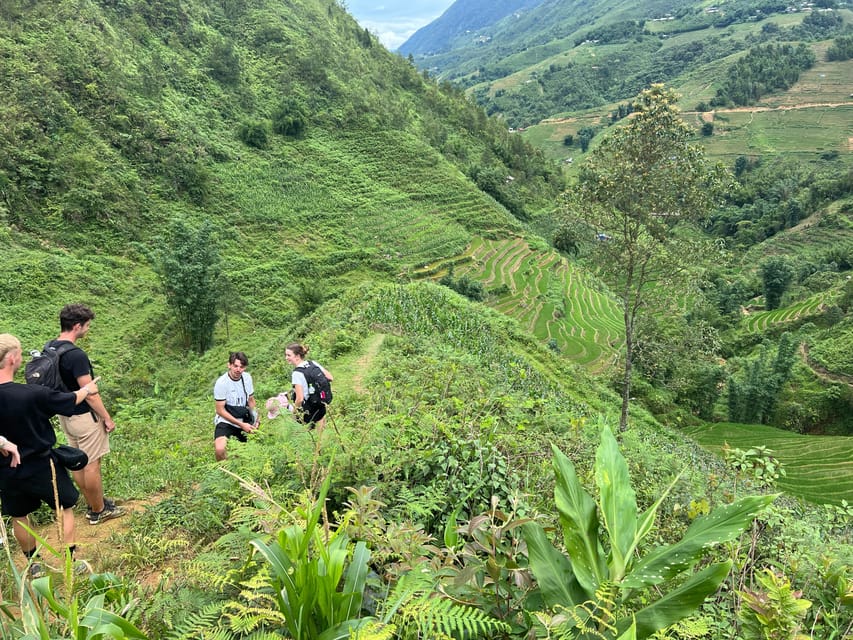
The operator presents three choices: easy, hard, or hard followed by easy. In practical terms, you should think about your footwear, balance, weather, and appetite for uneven ground.
Choose the easier route if you want a relaxed walk, if you are traveling with young children, or if rain has made the mountain paths slippery. Choose the harder route if you want the best chance of walking through field paths and are comfortable with steep descents.
The hardest part is often balance, not endurance. You may be walking downhill on mud, crossing small streams, or stepping along narrow paths. One person described the walk as a light workout, while another found the route moderate with a few tricky descents.
The operator provides boots and trekking sticks in rainy conditions. Still, bring shoes you do not mind getting dirty. Wear layers, because Sapa can feel cool and foggy in town, then warmer during the walk. A raincoat, sun protection, insect repellent, and cash belong in your day pack.
This trek is not suitable for someone with serious mobility limitations. The stated age restriction excludes people over 95, but the more useful test is whether you can manage uneven trails, downhill sections, and possible stream crossings.
How much value do you get for $23?

At $23 per person, this is one of the better-value ways to spend half a day around Sapa. The price includes a local English-speaking guide, lunch, water, village entry fees, and the ride back to town.
The value improves if you care about local contact. A guide based in the communities you visit can answer questions about family life and work in a way a general sightseeing guide may not. You also avoid arranging your own transport from Ta Van back to Sapa.
It is a group tour, so you will not control every pause or walking speed. A private version is available for an added fee. That may suit couples, families, or anyone who wants a slower pace and more time for questions.
The tour allows free cancellation up to 24 hours before departure, and you can reserve now and pay later. Same-day booking may be possible, though booking two or three hours ahead is recommended.
Weather, crowds, and the selling issue
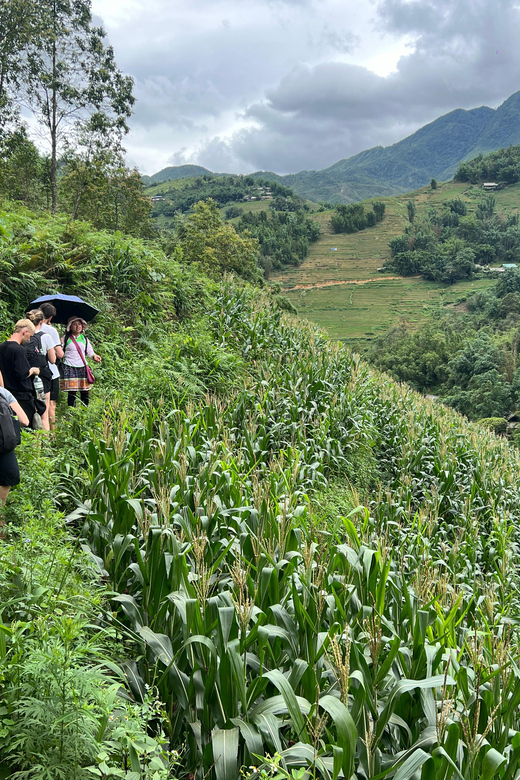
The biggest variable is weather. Fog can erase the best views, while rain can turn a pleasant path into a slippery one. Yet poor weather does not cancel the cultural side of the day. You can still visit villages, learn about local life, eat lunch, and talk with the guide.
Groups can also feel busy at the meeting point. One outing began with around 20 people who were then divided into smaller groups. Your actual group size may vary, but this is not guaranteed to be a private walk.
The handmade-goods sellers are worth mentioning again. Local women may accompany you for part of the route, help with difficult sections, and then offer crafts for sale. Their help can be welcome, but repeated sales pitches may bother you. Bring cash if you want to shop, but do not feel obliged to purchase.
The overall rating is 4.9 from 229 ratings, and the praise is particularly consistent around the guides, lunch, cultural explanations, and value. That does not remove the mud or fog, but it shows where the experience is strongest.
Who should book this Sapa experience?

I would choose this trek if you want to get beyond Sapa Town and meet local people while seeing the rice terraces. It suits active visitors who can walk for several hours and who prefer personal stories to a purely scenic outing.
It is also a good choice if you are watching your budget. The guide, meal, entry charges, and return car are covered for $23, which keeps the day simple.
You may want a private tour if you need a very slow pace, have a fixed photography plan, or dislike group walking. You may also prefer a shorter route if you are unsure about mud and steep ground.
For the clearest views, check the forecast and consider a season when rice planting or harvesting is underway. For a stronger cultural visit, ask questions and listen to your guide’s own story. The value is not just in reaching Ta Van. It is in understanding the people who farm these valleys.
Should you book it?
Book this tour if you want a low-cost, locally led walk with real village contact, a filling lunch, and flexible difficulty. The guides are the heart of the day, and names such as Sun, Dinh, Khu, and Chuchu come up repeatedly for their warmth, humor, and clear explanations.
Skip it if you need level paths, guaranteed sunshine, or a quiet private outing. Sapa can be foggy, the trails can be slick, and local sellers may approach you.
For most reasonably mobile visitors, this is a strong introduction to the valleys around Sapa. Bring sensible shoes, rain protection, cash, and a willingness to walk slowly. You will get far more from the day if you treat the trail as a way to meet people, not just reach a viewpoint.
FAQ
Where does the Sapa trek start?
You can meet the guide at your hotel in Sapa Town or in front of the main church. The usual start time is 9:00 AM, though another time can be arranged in advance.
Which villages does the route visit?
The route goes from Sapa to Y Linh Ho, then Lao Chai, and finally Ta Van. Y Linh Ho and Lao Chai are associated with Black Hmong communities, while Ta Van is home to the Dzay people.
How long is the walk?
The distance is approximately 5 to 11 kilometers, depending on the route you choose. The listed duration is five hours, though some outings can take longer with breaks, lunch, and difficult weather.
Can I choose an easier route?
Yes. You can choose an easy route, a hard route, or a route that begins hard and becomes easier. The easier option mainly uses roads, while the harder option includes more uneven paths through fields.
Is lunch included?
Yes. Local lunch in Lao Chai is included, along with water. Extra drinks, such as bottled water or beer, are not included.
Are vegetarian or vegan meals available?
Vegetarian and vegan options have been provided. Tell the operator about your dietary needs when you book.
What happens if it rains?
The operator has boots and trekking sticks available for rainy conditions. You should still bring a raincoat, suitable walking shoes, insect repellent, and clothes that can handle mud.
Is this a private tour?
The standard option is a group tour. A private tour can be arranged for an additional charge.
How do I return to Sapa?
The walk ends in Ta Van Village. A private car takes you back to Sapa Town after the trek.
Just added around Sa Pa
- Sapa3D2N TrekkingAdventures,Valleys,Bambooforest,Waterfall★ 4.8 · 24 reviews
- Sapa: Y Linh Ho – Lao Chai, and Ta Van Trekking Day Tour★ 5.0 · 25 reviews
- Sapa: Ta Phin Village Trek & Red Dao Herbal Bath★ 5.0 · 22 reviews
- Sapa Trekking Bargains With Local Guide★ 4.9 · 91 reviews
- Sapa: Private Highlights Day Tour with Lunch★ 4.8 · 61 reviews
- From Sapa: Guided Full-Day Trekking with Lunch and Drop-Off★ 4.2 · 86 reviews
- Sapa: Love Silver Waterfall, LonelyTree in Heaven-Rice Field★ 4.9 · 28 reviews
- Sapa: Muong Hoa Mountain Views and Villages Trek with Lunch★ 4.3 · 28 reviews
Rice Terrace Tours in Sapa, compared.
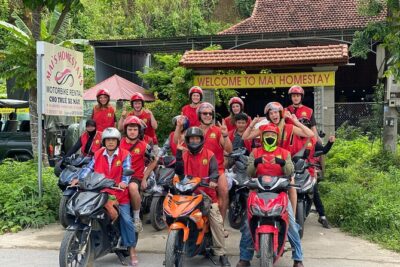
Motorbike 1 Day Off The Beaten Track, Hidden Villages, rice field
Read our review →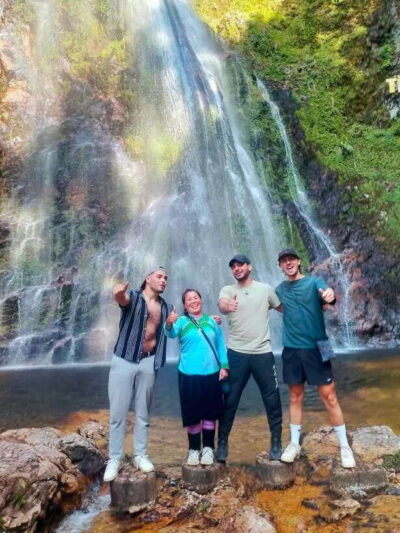
Love Silver Waterfall, LonelyTree in Heaven-Rice Field
Read our review →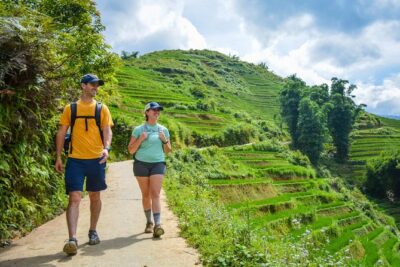

1-Day Sapa Long Trek – Rice Field Terrace, Ethnic Culture
Read our review →Browse the lists this tour appears in