
Reviewed · CRAFT VILLAGE TOURS
Thanh Ha Village: Pottery Workshop with Locals
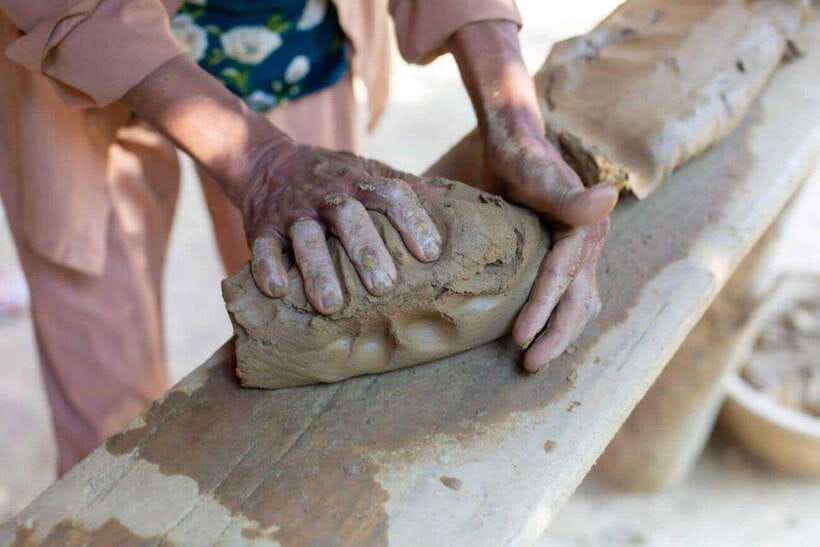
Just outside Hoi An, Thanh Ha Pottery Village offers a rare chance to make something with your own hands instead of simply buying another souvenir. Local families have shaped cups, bowls, pots, and figures here for more than 500 years, using hand techniques and foot-powered tools rather than molds.
I like the short, friendly format, and I like that you take home a pottery piece you made and decorated yourself. The activity also gives you a quiet look at village life, with time to visit Xuan My Communal House and Nam Dieu Temple.
The main drawback is the brief class and limited English communication. You should expect a relaxed introduction to pottery, not a detailed studio course. You must also pay the separate 35,000 VND village entrance fee at the ticket counter.
Key points to know before you go

- Make and decorate your own souvenir: A small pottery item is included, and you can paint it before taking it home.
- Meet a local family: The session takes place at Nguyen Sau Pottery Workshop, where craftspeople work and welcome visitors.
- Allow 30 to 60 minutes: The listed activity lasts 30 minutes, but many people stay longer to finish pieces or make more.
- Bring patience, not pottery skills: The class suits beginners, though shaping clay is harder than it looks.
- Watch for the correct workshop: Other businesses may call you over, so check for Nguyen Sau Pottery Workshop near Terra Cotta Homestay and Hostel.
- Budget for the village ticket: Entry costs 35,000 VND per person and is not included in the workshop price.
Why Thanh Ha Pottery Village feels different from Hoi An’s old town
Hoi An’s historic center is full of handsome buildings, tailor shops, cafés, and souvenir stalls. Thanh Ha offers a slower change of pace. The lanes are quieter, the setting feels more residential, and pottery is still part of ordinary family life.
That matters because you are not only looking at finished crafts behind glass. You are sitting at a working craftsperson’s place, handling the clay, watching someone correct a crooked edge, and seeing how a simple lump becomes a bowl, pot, or small figure.
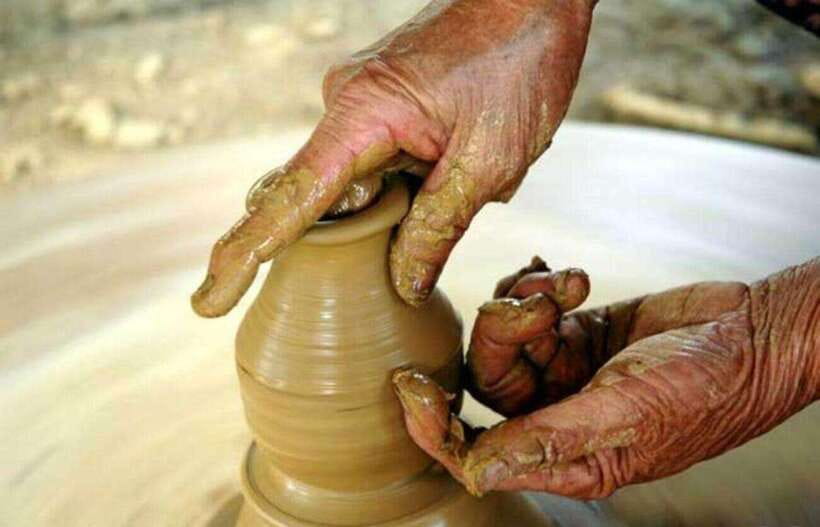
The village’s pottery tradition reaches back more than five centuries. The method described here is especially appealing if you like handmade objects: pieces are shaped by hand and foot pedal, without relying on molds. That means your result will probably be uneven. That is also the point. A wobbly little bowl has a direct connection to the person who made it.
You can reach the village with a short ride from Hoi An’s ancient town, though hotel pickup and drop-off are not included. The meeting point is Nguyen Sau Pottery Workshop, near Terra Cotta Homestay and Hostel. Use that name carefully when finding your way, since one person found the area tricky and another warned that nearby businesses may claim your booking belongs to them.
More Craft Village Tours in Hoi An
- Hoi An: Thanh Ha Village Tour with Pottery Making and Gift
★ 4.8 · 78 reviews - Discover Traditional Silk Process in Hoi An Silk Village
★ 4.4 · 60 reviews - Cooking Class Hoi An – Organic Garden – Farming Tour-Handicrafts
★ 5.0 · 56 reviews
The 35-minute workshop at Nguyen Sau Pottery Workshop
The basic session begins with a local instructor showing you the clay and demonstrating the process. English is available, but communication with the craftspeople is limited. Expect short explanations, gestures, demonstrations, and plenty of smiling when your clay takes an unexpected turn.
I would not book this expecting a long technical lesson on clay preparation, kiln temperatures, or glazing. The activity is described as a simple pottery-making experience rather than a professional course. You learn by watching, copying, and trying.
The listed pottery portion takes about 20 minutes within a total activity time of roughly 30 minutes. In practice, the visit can stretch to 45 minutes or an hour if you want to finish your piece, paint it, or try another item. Several people made two pieces, such as a pot and a whistle, while others made one bowl and spent extra time decorating it.
The short length is useful if your Hoi An schedule is full. You can add a craft experience without committing half a day. The tradeoff is that your first attempt may feel rushed if you want careful instruction or a polished result.
Shaping clay by hand and foot pedal

You begin by choosing or handling the clay and learning how it can be shaped. The exact process may depend on the craftsperson and the item you choose. You might form a small piece by hand, or receive help with a wheel or foot-powered setup while the instructor guides the shape.
The central lesson is simple: clay is soft, but it does not automatically cooperate. Beginners often need help keeping the walls even and stopping a pot from leaning. That hands-on difficulty is part of the fun, and the instructors are there to repair or reshape mistakes.
Some sessions include several possible forms. You might make a small bowl, pot, cup, or a playful whistle turtle. The whistle is not as easy as it appears, so it can be a good choice if you want a more unusual challenge. It also adds a bit of humor to the session when your first attempt produces no sound.
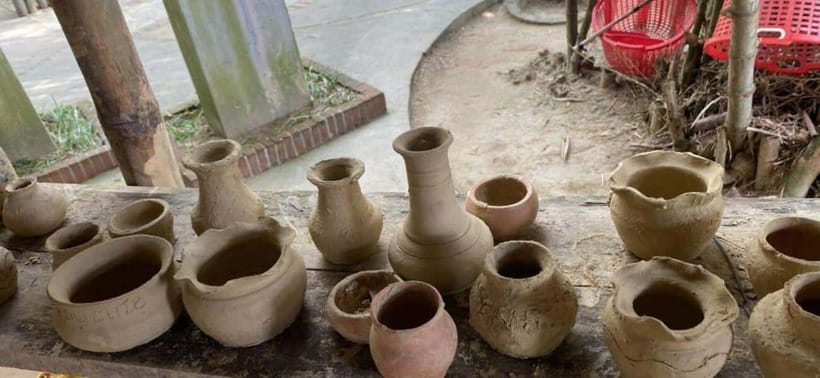
The local family’s skill becomes clear when you compare your work with the finished pieces around the workshop. Their objects have clean shapes and confident decoration. Your piece will likely show every beginner error, but that makes it a more personal souvenir than a professionally made item from a shop.
Painting your piece before taking it home

Painting is one of the most enjoyable parts of the visit. After shaping your item, you can decorate it with color and simple designs. The painting stage gives children a way to take part even if they lose interest in the clay, and it lets adults turn a plain pot into something personal.
The included souvenir is a piece you make yourself. Some sessions also allow you to create extra items or pay for additional pieces to decorate. If you want more than the included item, ask about the cost before starting so you know what is covered.
One important point is that painting is not the same as glazing. A visitor was disappointed that the finished item could not be glazed for practical use. You should think of the piece mainly as a keepsake, not as a food-safe bowl or a durable household vessel.
Some people have had their work fired locally and taken it home. The exact timing and firing arrangement can vary, so ask the workshop staff if you want your piece fired rather than simply painted and carried away. The class includes a pottery souvenir, but it does not promise a professional finish or a fully glazed object.
Same trip, a completely different kind of day:
- Hoi An: Basket Boat Ride in the Coconut Forest
★ 4.9 · 4,956 reviews - Hoi An: Vietnamese Coffee Culture and Coffee Making Class
★ 4.9 · 4,006 reviews - Hoi An: Vietnamese Foldable Lantern Making Class
★ 4.9 · 3,742 reviews - Cooking Class Hoi An:Local Market, Basket Boat, Fishing & Cooking
★ 5.0 · 3,660 reviews
A family-run setting with a personal feel

The experience is hosted by local craftspeople, and the family atmosphere is one of its strongest features. The names Sau and Emma come up in connection with the workshop and its welcoming service. Emma and her family have helped visitors make several items, while Sau has guided beginners through the basic steps.
You may find only three or four people at the workshop, especially at a quieter time. One group visiting at noon had the place to themselves. A small group makes a real difference here because the activity depends on personal help rather than a long scripted presentation.
The limited English can be a hurdle, particularly if you want exact instructions. It can also make the session more playful. Demonstration, hand signals, and a few shared words are enough for the basic process, and the clay gives you something to focus on together.
I would still keep your expectations sensible. Guidance may not be constant at every moment, and a complete beginner could occasionally want clearer direction. If you need detailed technical teaching, this is not the right class. If you want a friendly introduction with room for laughter, it works well.
Wandering beyond the pottery table

Your workshop is only one part of the village visit. After the class, you can walk through the local lanes and spend time around the craft community. The peaceful atmosphere is a welcome contrast to the busier parts of Hoi An.
Two named sights are Xuan My Communal House and Nam Dieu Temple. They add a cultural stop to what could otherwise be a quick craft activity. The information provided does not promise a formal guided tour of either place, so plan to visit them independently after the workshop.
The village is also useful on a rainy day. The pottery activity gives you something practical to do under cover, and the nearby lanes let you see a quieter side of the Hoi An area when long outdoor sightseeing is less appealing.
Do not expect a major museum-style attraction. The appeal is modest and local: a working craft area, historic community buildings, small lanes, and the chance to meet people who still make pottery by hand. That is enough for an hour or two, especially when combined with other Hoi An plans.
Is $8 a good value?

At $8 per person, the workshop is inexpensive for a guided cultural activity. You receive instruction, the pottery experience, a small gift, and a souvenir made by you. The low price is especially good for families, couples, and anyone who likes short activities rather than full-day tours.
You should add the 35,000 VND village entrance ticket. Food, drinks, and transportation are also separate. Hotel pickup is not included, so you need to arrange your own ride from Hoi An.
There is one pricing detail worth checking. One person paid less by arriving without an online booking, while others found the activity very good value at the booked price. Prices can change, but it is sensible to compare the current online rate with the direct workshop price if you are already nearby. The tradeoff is flexibility and guaranteed planning versus possibly finding a lower walk-in price.
At this cost, I would judge the experience by the quality of the interaction rather than by the final pottery. If you want a perfect bowl, the value may feel limited. If you want a local activity, a little instruction, and a handmade reminder of Hoi An, the price is easy to justify.
Who should book this pottery experience?
This works best for:
- Families with children who enjoy making and painting things
- Couples looking for a short shared activity
- First-time pottery makers
- People wanting a quieter break from Hoi An’s old town
- Visitors with a rainy-day gap in their schedule
- Anyone who likes souvenirs with a personal story
Children can take part, and one family found the activity suitable for a four-year-old. Adults should enjoy it too, especially if they accept that the finished object may be lopsided.
I would skip it if you have mobility limitations, since the experience is not suitable for people with mobility impairments or wheelchair users. I would also skip it if you want advanced pottery instruction, formal English explanations, professional glazing, or a long studio session.
The experience is also not ideal if you have only a few minutes. Although the pottery work can be brief, you still need time to reach the village, buy the entrance ticket, find the workshop, and return to Hoi An.
Practical tips for a smoother visit

Buy the separate village entrance ticket at the ticket counter before going to the workshop. The workshop price does not include this fee, so keep 35,000 VND per person in your budget.
Check the meeting point carefully. Look for Nguyen Sau Pottery Workshop near Terra Cotta Homestay and Hostel, rather than accepting the first invitation from another pottery business. The warning matters because several workshops operate in the area.
Tell the instructor if you want to make more than one piece or spend extra time finishing your work. The standard class is short, but the visit can often continue longer. Ask about any additional cost before choosing extra pottery.
Wear something you do not mind getting dusty or marked with clay. The supplied information does not require special clothing, but hands-on clay work is not a clean, polished activity.
Plan to walk around the village after your pottery session. Xuan My Communal House and Nam Dieu Temple give you a reason to stay instead of treating the workshop as a quick stop.
Should you book Thanh Ha Pottery Village?
I would book this if you want an affordable, personal activity close to Hoi An and are happy with a simple introduction rather than a formal class. The best parts are the friendly family setting, the chance to make and paint your own souvenir, and the quiet village atmosphere.
Book with realistic expectations. English instruction may be limited, the pottery session may last only 20 to 30 minutes, and your piece may not be glazed or suitable for everyday use. Still, at $8 plus the village entrance fee, it offers a pleasant connection to a long-running local craft tradition.
If you are already nearby, compare the current walk-in price. If you value a planned booking and want a low-cost cultural stop that works for children and beginners, reserve it and allow extra time to explore the village.
FAQ
How long does the pottery experience last?
The total activity is listed as 30 minutes, with around 20 minutes for pottery making. You may be able to stay longer to finish your item or make additional pieces.
How much does the activity cost?
The listed price is $8 per person. You must also pay a separate 35,000 VND entrance fee for Thanh Ha Village.
Is the village entrance fee included?
No. You need to stop at the village ticket counter and buy the 35,000 VND entry ticket separately.
Where is the meeting point?
The meeting point is Nguyen Sau Pottery Workshop, near Terra Cotta Homestay and Hostel.
Do I need previous pottery experience?
No. The activity is designed for beginners, and all skill levels are welcome.
Can I take my pottery home?
Yes. A pottery souvenir made by you is included. You can also paint and decorate it, and extra pieces may be available for an additional price.
Is the instructor fluent in English?
The activity is offered in English and Vietnamese, but communication with the local craftspeople in English is limited. Expect demonstrations, simple words, gestures, and hands-on guidance.
Is the experience suitable for wheelchair users?
No. The activity is not suitable for people with mobility impairments or wheelchair users.
More Workshops in Hoi An
- Hoi An Full Lantern Making Class- A special Foldable lantern
★ 5.0 · 2,007 reviews - Vietnamese Culture and Coffee Making Class
★ 5.0 · 497 reviews - The Lantern Lady: Traditional Lantern Class in Old Town
★ 4.9 · 444 reviews - Hoi An: Local Foldable Lantern-Making Class with Locals
★ 4.9 · 410 reviews
Just added around Hoi An
- Private car from Danang to Hoi An★ 5.0 · 20 reviews
- Da Nang to Hoi An ancient town by private transfer★ 5.0 · 36 reviews
- Cu Lao Cham Island Tour from Da Nang/ Hoi An★ 4.0 · 24 reviews
- Da Nang Airport Arrival Private transfer to Hoi An★ 5.0 · 46 reviews
- Hoi An Night Market with Hoi an walking Tour , Colourful Lanterns, Boat Ride★ 5.0 · 142 reviews
- Marble Mountain-AM Phu Cave & Hoi AN -Colourful Lantern Boat Ride★ 5.0 · 27 reviews
- Private Transfer from Danang to Hoi An by Private Car★ 5.0 · 37 reviews
- Guided Tour to Marble Mountain &HoiAn City-BoatRide-Night Market★ 5.0 · 23 reviews
Craft Village Tours, compared.

Cai Be Mekong Delta Tour: Cooking Class, Cycling & Craft Villages
Read our review →
Incense Village, Hat Making & Lacquer Artisan Small Group Hanoi
Read our review →
Countryside Tour with Silk Village & Elephant Falls
Read our review →
Incense Village Private Tour from Hanoi to Ninh Binh Old Capital
Read our review →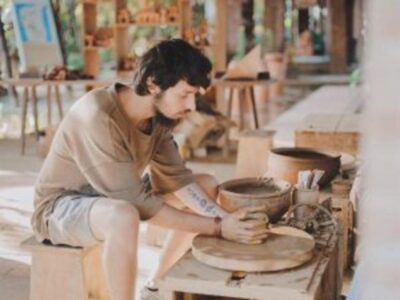
Thanh Ha Village Tour with Pottery Making and Gift
Read our review →
Incense + Hat Villages/ Temple of Literature, Hoa Lo Prison
Read our review →
Incense Village, Hat, Lacquer Tour & City Highlights
Read our review →Browse the lists this tour appears in