
Reviewed · HIKING & TREKKING
Sa Pa: Muong Hoa Valley Trek and Local Ethnic Villages
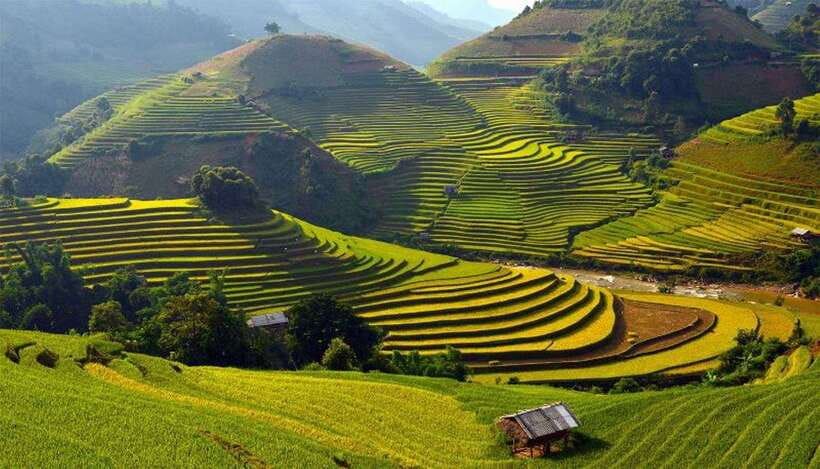
Muong Hoa Valley is best seen on foot, where rice terraces give way to village paths, river crossings, bamboo forest, and homes belonging to Black Hmong and Red Dao communities. I like the small group of up to 11 and the chance to share lunch in a local home. I also like how guides such as Su, Chai, Khu, and Sunny explain daily life rather than simply pointing out scenery.
The catch is the trail. Rain can turn parts of it into a slippery mud course, and trainers may leave you soaked and scrambling. Local women often help visitors over the worst sections, but you should bring cash because buying a small handicraft afterward is widely expected.
Key points before you book
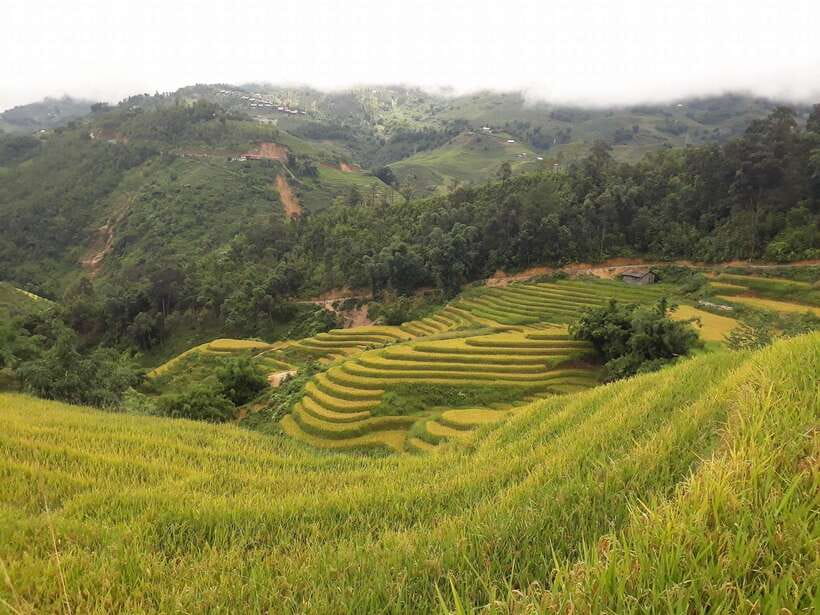
- About 10 kilometers on foot: Allow six hours, with roughly half a day spent walking on uneven village paths.
- Three distinct communities: The route visits Lao Chai, Ta Van Giay, and Giang Ta Chai, with Black Hmong and Red Dao culture at the center.
- Lunch in a local home: Expect a simple shared meal, with vegetarian food available when arranged in advance.
- Mud is part of the deal: Wet weather can make steep paths slick, especially in the bamboo forest and rice terraces.
- Ancient rock carvings: Near Ta Van Giay, look for carvings of people, stilt houses, and decorative designs.
- Good value at $23: The price includes a guide, entrance fees, lunch, water, pickup in central Sa Pa, and the return transfer.
Starting in Sa Pa and entering Muong Hoa Valley
Pickup is available from your hotel in central Sa Pa or from the Vietnam Nomadtrails office. Hotels outside the Sa Pa area are not covered, so check your meeting point before setting out. The tour ends at about 3:30 PM, giving you time to clean up and eat again in town.
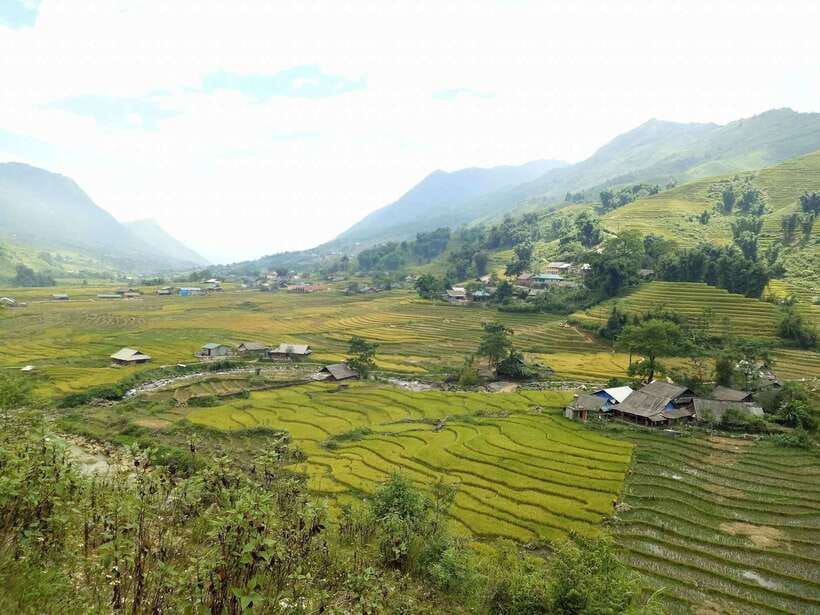
The walk begins with a trail into Muong Hoa Valley. Morning mist often hangs over the terraces, which can make the first stretch feel cool and quiet. When the air clears, you get broad views across carefully shaped rice fields and steep hillsides.
Your guide matters here. Guides such as Su, Chai, Khu, Sunny, Nhu, and Thao NNu have been praised for explaining local customs, pointing out safe footing, and answering questions about village life. The best guides do more than lead the way. They explain why houses are built as they are, how families use the valley, and how the different communities are connected to the land.
You cross the Muong Hoa River on a small trail before continuing beside the terraces. This is not a paved sightseeing route. The ground may be firm and easy in one section, then rocky, narrow, or muddy a few minutes later.
More Trekking Tours in Sapa
- Sapa: Eco Adventure Terrace Fields and Local Villages Trek
★ 4.9 · 636 reviews - From Sapa: 1-Day Guided Trek to Lao Chai & Ta Van with Lunch
★ 4.9 · 416 reviews - Sapa 1 Day Long Trek: Trek to Hau Thao and Sa Seng Villages
★ 4.6 · 344 reviews
Lao Chai and the Black Hmong valley
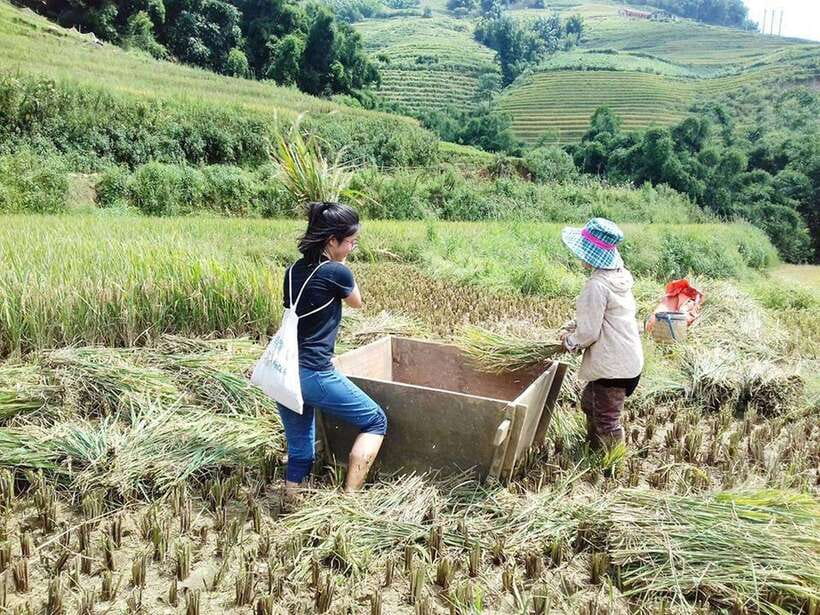
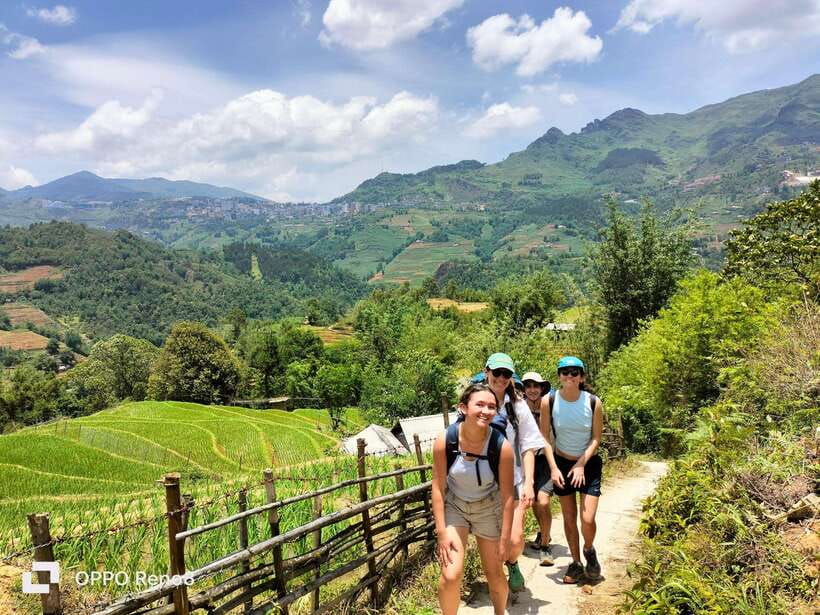
The first major village is Lao Chai, home to a Black Hmong community. The visit is not a staged cultural show. You walk through a working village and see homes, fields, livestock, and people going about ordinary tasks.
That makes the experience more useful than a quick photo stop. You have time to notice how village life fits around the steep terrain, with paths connecting houses and terraces rather than roads doing all the work. Your guide can add context about traditions and local customs, which helps you read the scene with more care.
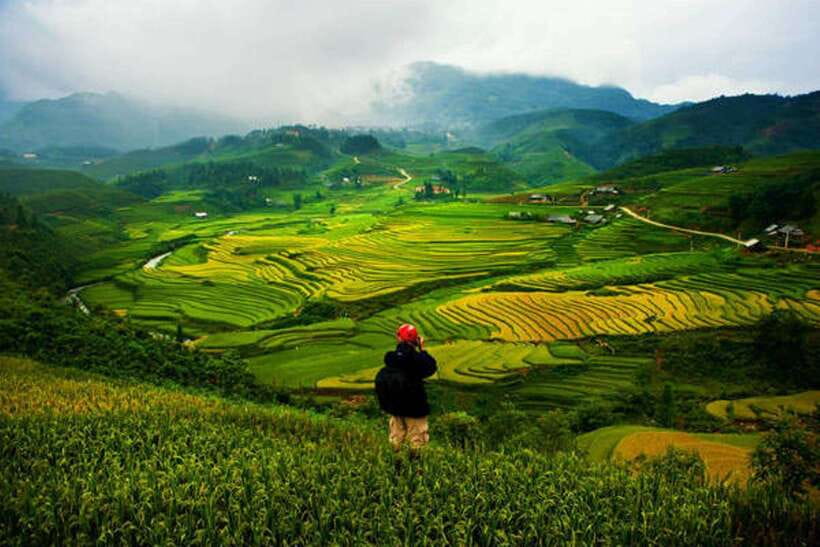
The terraces are a major reason to choose this walk. Their shape changes with the season, weather, and farming cycle. In mist, the valley feels soft and distant. In clearer weather, the views stretch across layered fields and hills. You should keep expectations flexible, though. Fog and cloud are common in Sa Pa, and poor visibility can hide much of the valley.
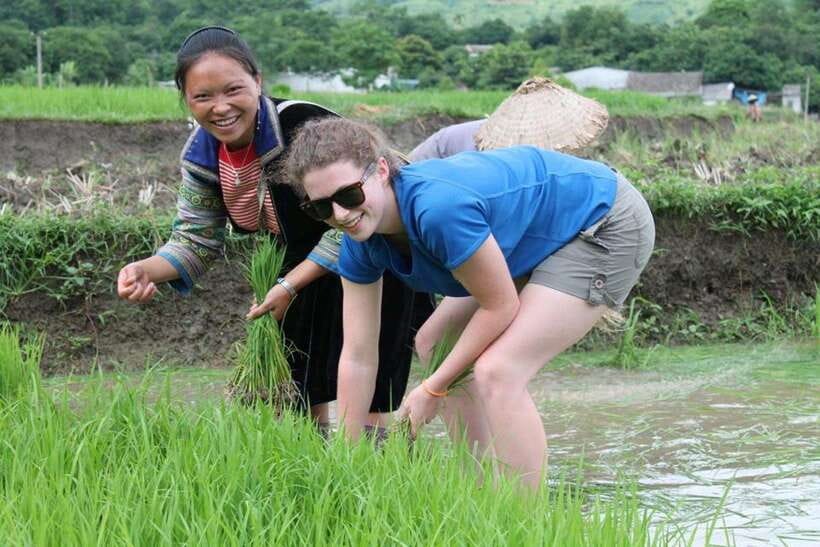
Local women may join the group for difficult parts of the route. They often know exactly where to step and can offer a steady hand on muddy slopes. This help can be very welcome, especially after rain, but it also comes with a social expectation: you may be asked to buy textiles, bracelets, or other goods afterward.
Bring Vietnamese cash if you want to take part. You are not paying a formal trail fee for their assistance, but a small purchase is a common way to say thank you. If you do not want to buy anything, decide how you will handle the approach before you start. This is one of the tour’s less polished aspects, but it is also part of the real interaction around the village trekking economy.
Ta Van Giay, the river route, and ancient carvings
From Lao Chai, the trail continues toward Ta Van Giay. This section follows the Muong Hoa River and brings more changes in footing. You may walk on packed earth, stone, or narrow paths beside the fields.
About two kilometers from the settlement, you cross a small suspension bridge. It is a practical crossing rather than a major attraction, but it breaks up the walk and gives you another view of the river corridor. Watch your step, especially if the bridge or approach is wet.
The most unusual stop on this part of the route is the collection of ancient rock carvings. The designs include human figures, stilt houses, and decorative patterns. Their meaning is not fully explained in a single glance, so this is where a good guide adds real value. Ask about what is known, what remains uncertain, and how the carvings fit into local stories and the valley’s past.
Do not expect a large museum or a polished archaeological site. These carvings are part of the outdoor setting. The appeal is seeing them in the same valley where people still live and farm, rather than behind glass in a city collection.
Lunch in a local home
Lunch comes at a local house in one of the villages. It is included in the price and gives the long trek a useful pause. Meals commonly include rice, vegetables, tofu, eggs, and spring rolls, with vegetarian food available when requested.
The setting is as important as the food. You eat in a family home rather than stopping at a large restaurant designed for tour groups. That gives you a closer look at everyday village space, though you should keep expectations practical. This is a simple local meal, not a fine dining stop.
The break also divides the day well. By lunchtime, you have already handled several hours of walking, so sitting down matters. One recent route measured more than 12 kilometers and over 21,000 steps, despite the advertised distance being about 10 kilometers. Your exact distance can vary with the path and group, but you should prepare for a full day on your feet.
If you have dietary needs, tell the operator when booking. A vegan meal has been accommodated, but do not wait until lunch to raise the issue. Drinks beyond the included 500-milliliter bottle of mineral water cost extra, so carry additional water or money for a drink stop.
More Hill Tribe Tours in Sa Pa:
- Explore Sapa: 2D1N Trekking & Hmong Culture With Dinh
★ 4.9 · 191 reviews - Sa Pa: 6-Hours Muong Hoa Valley Trek with Local Ethnic guide
★ 4.5 · 178 reviews - Sa Pa: 2-Day Trekking Trip with Ethnic Minority Homestay
★ 4.7 · 145 reviews - From Sapa: Waterfalls, Trekking and Tribal Villages Tour
★ 4.6 · 91 reviews
Bamboo forest and Giang Ta Chai
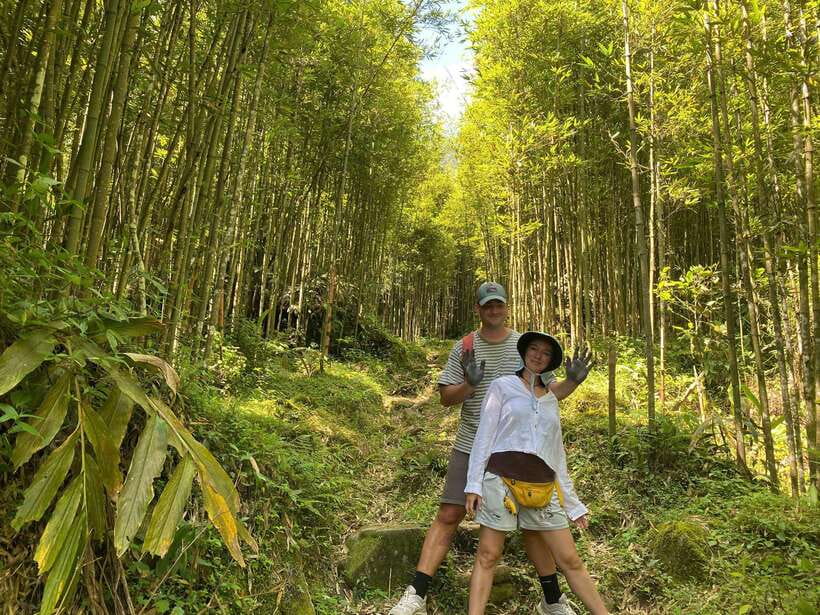
After lunch, the route heads through bamboo forest toward Giang Ta Chai, a Red Dao village. This is one of the most atmospheric sections, but also one of the trickiest after rain.
The bamboo gives the path a more enclosed feel than the open rice terraces. Roots, stones, and wet ground can make balance difficult. Several people have found local assistance useful here, while others describe the walk as manageable in dry weather. Both points can be true. Your experience depends heavily on recent rain, footwear, and comfort on uneven ground.
Giang Ta Chai adds another cultural layer to the day. The Red Dao are distinct from the Black Hmong, and the guide can help you understand differences in dress, customs, and village life. The purpose is not to collect quick photos of people. Ask permission before photographing residents, homes, or children, and let your guide help with introductions.
A short rest at a nearby waterfall follows. It is a welcome place to pause, cool down, and check your shoes before the final climb. Do not picture a long swim stop or a developed park. The break is brief, and the tour still has an uphill section ahead.
The final climb and return to Sa Pa
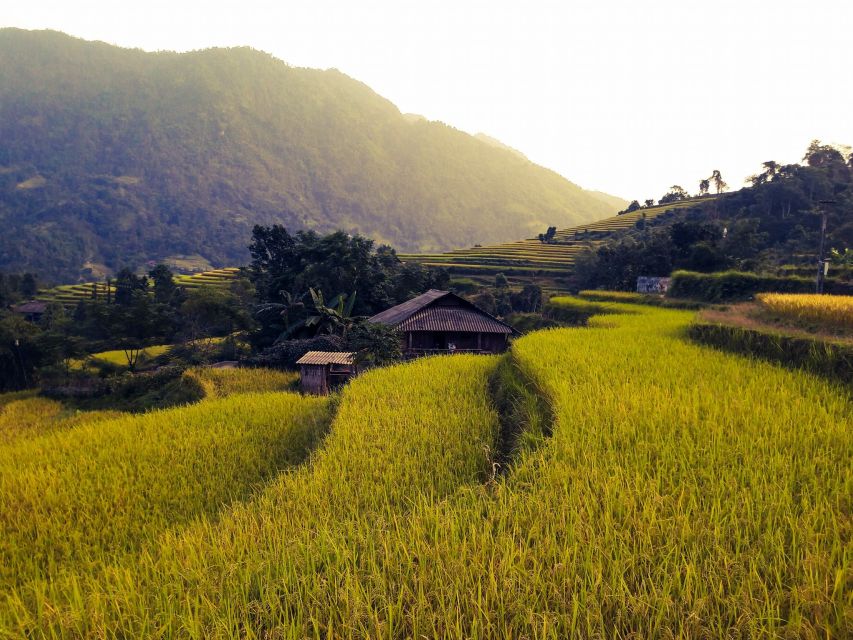
From the waterfall, you climb uphill to the main road, where the driver waits. After several hours on rough paths, this final ascent may feel harder than its distance suggests.
Transport back to Sa Pa is included. That is important because the walk does not finish in the town center, and arranging your own ride from a rural road would be inconvenient. The return transfer also keeps the activity within its six-hour schedule.
The tour is limited to 11 people, though actual groups can be smaller. A small group gives the guide more time to help with footing and answer questions. It also makes lunch and village visits less cumbersome than they would be with a large coach party.
How difficult is the 10-kilometer trek?

The advertised distance is moderate for a fit walker, but the terrain makes this more than a casual stroll. You may face muddy descents, wet rocks, uneven steps, narrow trails, river crossings, and a final uphill climb.
Dry weather makes a big difference. In wet conditions, people have slipped into bushes, streams, and mud. That does not mean the route is unsafe for everyone, but it does mean you should be honest about your balance and stamina.
Wear proper hiking shoes with strong grip. Waterproof boots or sturdy trekking shoes are better than ordinary sneakers, especially from October through March or after heavy rain. Do not bring new white trainers unless you are happy to lose their original color.
Pack sunglasses, sunscreen, insect repellent, warm clothing from October to March, and a small amount of cash. Oversize luggage is not allowed. A change of clothes may be sensible in wet weather, although it is not listed as a required item.
This tour is not suitable for people with mobility impairments or children under six. It also makes a poor choice if you want a gentle, paved walk with guaranteed dry footing.
Is $23 good value?
At $23 per person, the tour is strong value for a guided day in Sa Pa. The price covers central hotel pickup, an English-speaking guide, entry tickets, lunch, 500 milliliters of water, and transport back to town.
The main value is not just the meal or vehicle. You get a route through several communities, a guide who can interpret local culture, and help navigating terrain that would be harder to understand or manage alone. For a first visit to Sa Pa, it is an efficient way to see rice terraces, villages, river paths, rock carvings, and bamboo forest in one outing.
The trade-off is that this is a packaged tour, not a private walk arranged directly with a local guide. One option mentioned by a participant was hiring a local village woman directly, which may feel less organized and can sometimes cost less. The booked tour gives you a set plan, transport, included lunch, and an English-speaking guide, so you are paying for convenience as well as the walk.
There are also optional costs. Drinks, personal purchases, and soft drinks are not included. A French-speaking guide costs $19 extra per person. During the Lunar New Year period from February 14 to 21, 2026, a $30 per-person surcharge applies and is paid at departure.
Who should book this Sa Pa walk?
I would choose this tour if you want village life and scenery in the same day, and if you are comfortable getting muddy. It suits active visitors who want more than a roadside viewpoint and who enjoy asking questions about local customs.
It is also a good fit if you have limited time in Sa Pa. The route covers several important sights without requiring an overnight stay in the valley. The included return ride keeps the day simple.
I would skip it if you dislike uneven trails, sales approaches, wet shoes, or changing weather. If your main goal is a relaxed cultural visit, choose a shorter walk. If you are recovering from another strenuous trek, note that one person found this route gentle after the Ha Giang loop, while others found it exhausting. Your own fitness and the weather will decide which version you get.
Free cancellation is available up to 24 hours before departure, and you can reserve now and pay later. That helps if the forecast is uncertain, but it does not remove the need to bring suitable footwear.
Final verdict: book it for the trail, not just the view
This is one of the better low-cost ways to see the Muong Hoa Valley because it combines scenery with village access, a local meal, and useful cultural explanation. The guides are the heart of the experience. Names such as Su, Chai, Khu, Sunny, and Nhu come up often because they take care with safety and make the walk more personal.
Book it if you can handle 10 kilometers of rough ground and accept that rain may turn the outing into a muddy adventure. Bring cash for local purchases, wear serious shoes, and leave your best clothes at the hotel. If that sounds like part of the fun, this tour offers a memorable and well-priced day in Sa Pa.
FAQ
How long does the Muong Hoa Valley trek last?
The activity lasts about six hours and ends at approximately 3:30 PM.
How far is the trek?
The stated distance is 10 kilometers, though the exact distance can vary by route and some participants have recorded a longer walk.
What villages does the tour visit?
The route includes Lao Chai, Ta Van Giay, and Giang Ta Chai. Lao Chai is associated with the Black Hmong community, while Giang Ta Chai is a Red Dao village.
Is lunch included?
Yes. Lunch at a local home is included in the tour price.
Can the tour accommodate vegetarian or vegan diets?
Vegetarian and vegan meals have been accommodated, but you should state your dietary needs when booking.
What footwear should I bring?
Bring hiking or trekking shoes with good grip. The trail can be muddy, slippery, and wet, so ordinary trainers may not be suitable.
Is the trek difficult?
The trek can be challenging, particularly after rain. It includes uneven and muddy paths, bamboo forest, wet rocks, and an uphill climb to the main road.
Is hotel pickup included?
Pickup is included from hotels in central Sa Pa or from the Vietnam Nomadtrails office. Pickup from outside the Sa Pa area is not available.
Are drinks included?
One 500-milliliter bottle of mineral water per person is included. Other beverages, soft drinks, and drinks bought during the day cost extra.
Can children or people with mobility impairments join?
The activity is not suitable for children under six or people with mobility impairments.
More Trekking Tours in Sa Pa
- Half Day Sapa Trekking to Visit Lao Chai – Ta Van
★ 4.7 · 126 reviews - Sapa Trekking Bargains With Local Guide
★ 4.9 · 91 reviews - From Sapa: Guided Full-Day Trekking with Lunch and Drop-Off
★ 4.2 · 86 reviews - From Sapa: Terrace Fields and Local Villages Trek with Lunch
★ 4.3 · 77 reviews
Just added around Sa Pa
- Sapa3D2N TrekkingAdventures,Valleys,Bambooforest,Waterfall★ 4.8 · 24 reviews
- Sapa: Y Linh Ho – Lao Chai, and Ta Van Trekking Day Tour★ 5.0 · 25 reviews
- Sapa: Ta Phin Village Trek & Red Dao Herbal Bath★ 5.0 · 22 reviews
- Sapa Trekking Bargains With Local Guide★ 4.9 · 91 reviews
- Sapa: Private Highlights Day Tour with Lunch★ 4.8 · 61 reviews
- From Sapa: Guided Full-Day Trekking with Lunch and Drop-Off★ 4.2 · 86 reviews
- Sapa: Love Silver Waterfall, LonelyTree in Heaven-Rice Field★ 4.9 · 28 reviews
- Sapa: Muong Hoa Mountain Views and Villages Trek with Lunch★ 4.3 · 28 reviews
Hiking & Trekking, compared.

Halong Bay Full Day with Kayaking, Hiking viewpoint, Cave – Deluxe To Luxury
Read our review →
Sapa 3 Days 2 Nights Trekking Tour (1 Night In Ta Van Village, 1 Night In Hotel)
Read our review →
2-Day Sa Pa Ethnic Homestay Tour & Trek with Limousine Bus
Read our review →
1-Day Guided Trek to Lao Chai & Ta Van with Lunch
Read our review →

Half Day Hiking to Cat Ba National Park with a Guide
Read our review →Browse the lists this tour appears in