

Reviewed · HIKING & TREKKING
Sapa: 3-Day, 3-Night Trek and Hotel with Overnight Train
Sapa’s best moments happen on foot, well below the town center. This trip takes you through Muong Hoa Valley, past rice terraces and mountain villages where Hmong, Zay, and Red Zao families still work, trade, and live. I like the mix of a real rural stay in Ta Van and the old-fashioned adventure of reaching Lao Cai by overnight train.
I also like that the tour leaves room for photos, village stops, and local conversation. Guides such as Su Su, Ai, Mai, and Chu have been praised for being friendly and well informed. The main catch is the pace: the 9-kilometer trek can be hard in rain, and persistent sellers may follow parts of the route.
Key points at a glance
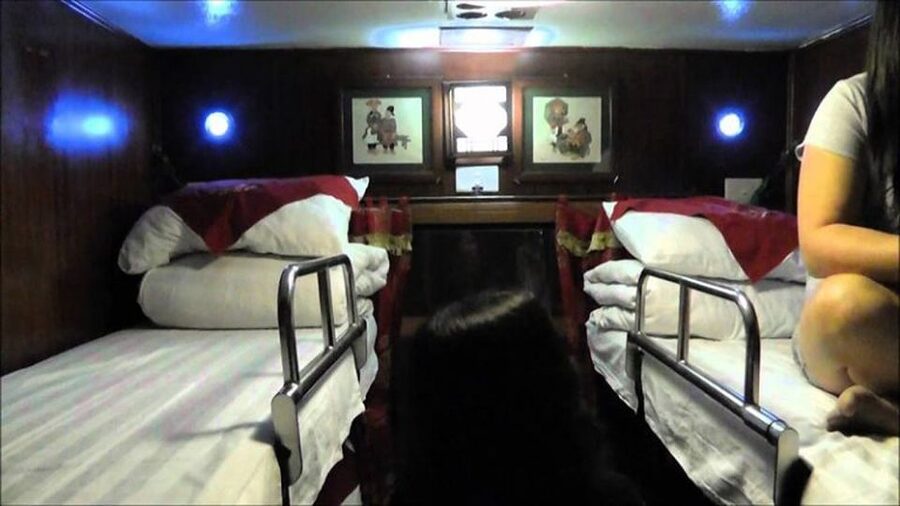
- Overnight train from Hanoi: Sleep in a shared four-berth, air-conditioned cabin on the way to Lao Cai.
- Muong Hoa Valley trekking: Walk from Y Linh Ho and Lao Chai to Ta Van through rice terraces and village paths.
- One night with the Zay: The Ta Van homestay gives you a closer look at local hospitality than a town hotel.
- Three ethnic communities: Meet Hmong, Zay, and Red Zao people across the walking routes.
- Comfort breaks included: Spend one night in a three-star hotel in central Sapa before and after the homestay.
- A long travel window: The tour uses three days and three nights, with a late train departure from Hanoi and a return to Hanoi around 8 to 9 PM.
Why this Sapa trip works well
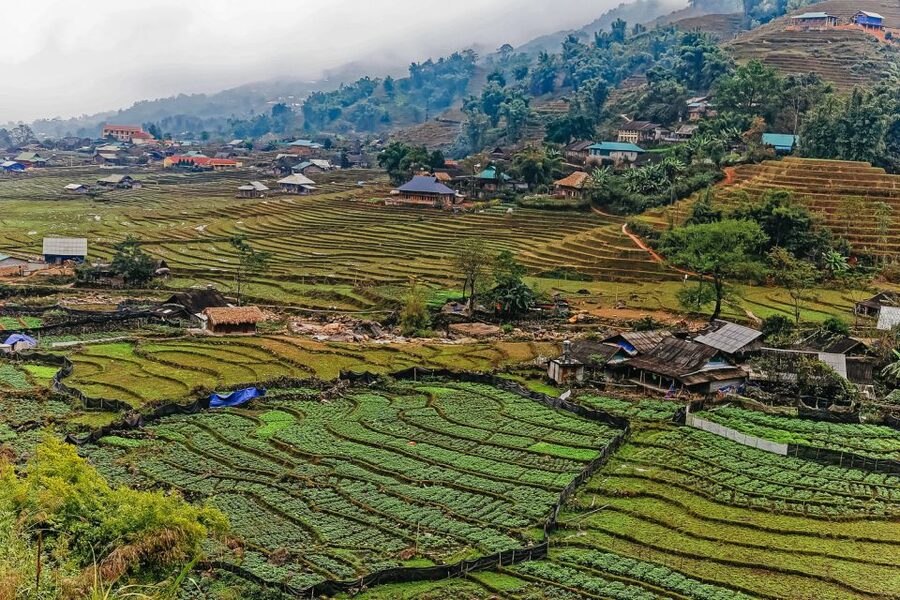
This is a good choice if you want Sapa to be more than a quick photo stop. The route links several villages instead of keeping you around the central streets, and the overnight stay in Ta Van breaks up the sightseeing with a real stay in the valley.
The trip also handles the awkward geography of Sapa. Hanoi is far away, Lao Cai is the rail gateway, and Sapa sits higher in the mountains. The overnight train saves you a hotel night and gets you near the start point while you sleep, at least in theory. The return is by limousine, so you avoid repeating the train journey.
At $212 per person, the price includes transport from Hanoi’s Old Quarter, the train cabin, the Sapa hotel, the homestay, meals listed in the schedule, local guides, transfers, and sightseeing fees. That is a fair package if you value convenience and want the main transport arranged. It is less appealing if you prefer choosing your own hotels, train berth, meals, and walking route.
This is not a soft sightseeing outing. The route includes a 9-kilometer trek and is not recommended for people with mobility limitations or young children. Mud, steep sections, and rain can make the walk tougher. You should be comfortable walking for several hours on uneven village paths.
More Trekking Tours in Sapa
- Sa Pa: Muong Hoa Valley Trek and Local Ethnic Villages
★ 4.6 · 864 reviews - From Hanoi: 2-Day Sapa Trekking Trip with Homestay & Meals
★ 4.8 · 704 reviews - Sapa 3 Days 2 Nights Trekking Tour (1 Night In Ta Van Village, 1 Night In Hotel)
★ 5.0 · 699 reviews
Night train from Hanoi to Lao Cai
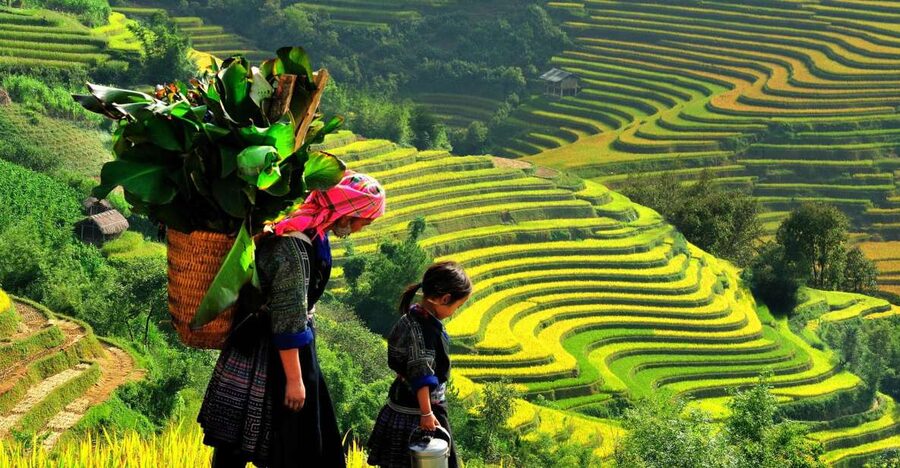
The trip begins around 9 PM. You either reach Hanoi Railway Station yourself or arrange pickup from a hotel in the Old Quarter. At the station, meet the staff for your tickets, take the elevator to the second floor, and go to gate 2A.
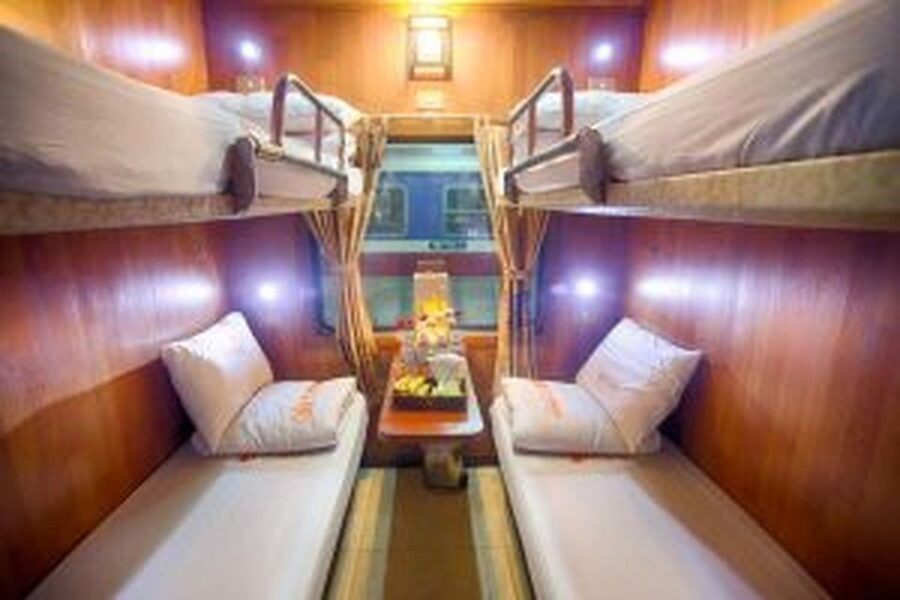
The train leaves at about 10 PM. Your accommodation is a shared four-bed air-conditioned cabin, with a soft berth rather than a normal upright seat. For many people, this is part of the fun. It feels more like a proper rail journey than a standard bus ride, and a comfortable berth can make the overnight trip easy.
It is still a train, not a hotel room. Expect noise, movement, and a basic toilet. You do not choose the upper or lower berth, so you may receive a top bunk. Pack a small overnight bag rather than climbing over large luggage in the cabin.
You reach Lao Cai the next morning, then transfer by shared minibus to Sapa at around 6 AM. The early arrival gives you a full first day, but it also means the first breakfast and walk begin after a night in transit. I suggest keeping your first morning simple and carrying only what you need for the trek.
Sin Chai and the first look at village life
After arriving in Sapa, leave your luggage at the hotel and have breakfast. Normal room check-in is at 2 PM, so an early check-in costs extra if you want a shower or a proper rest before then. This detail matters after the overnight train.
The first walk heads southwest from Sapa to Sin Chai, about 2 kilometers from town. This is a Black Hmong village, described as simple and rural compared with the busier parts of Sapa. The route lets you start with a manageable introduction to the area before the longer valley trek on Day 2.
Sin Chai is valuable because it shows how quickly the setting changes once you leave central Sapa. You move from hotels and shops into a quieter village environment, with traditional daily life close at hand. The experience is not presented as a museum visit. You are walking through a living community, so listen to your guide and ask before photographing people.
After the walk, return to the hotel for lunch and free time. You can rest, explore central Sapa, or simply recover from the train. Dinner is around 6 PM, followed by an evening in town. Roasted corn and baked eggs beside a charcoal fire are among the local snacks mentioned for this time.
The night is spent in a three-star hotel in central Sapa. That hotel night is a useful buffer. You get a bed, a chance to organize your gear, and a more comfortable base before the longer trek.
Day 2 through Y Linh Ho and Lao Chai

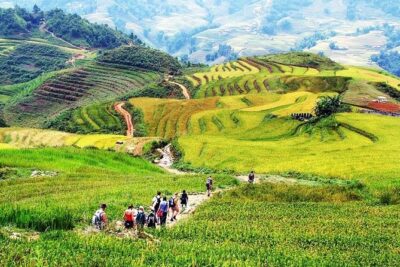
After breakfast, the main trek begins along the side of Muong Hoa Valley. The first village is Y Linh Ho, home to the Black Hmong. The walk then continues toward Lao Chai, another Hmong village.
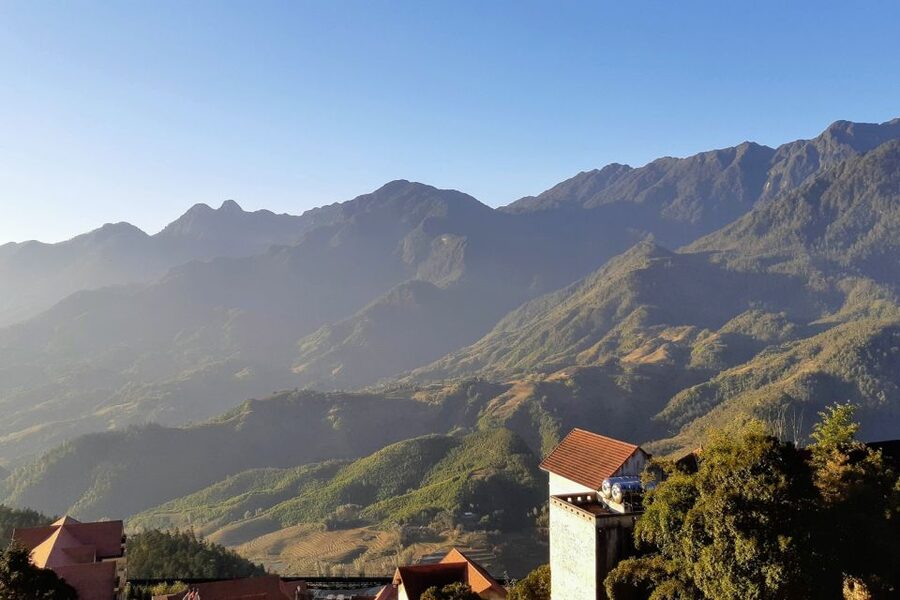
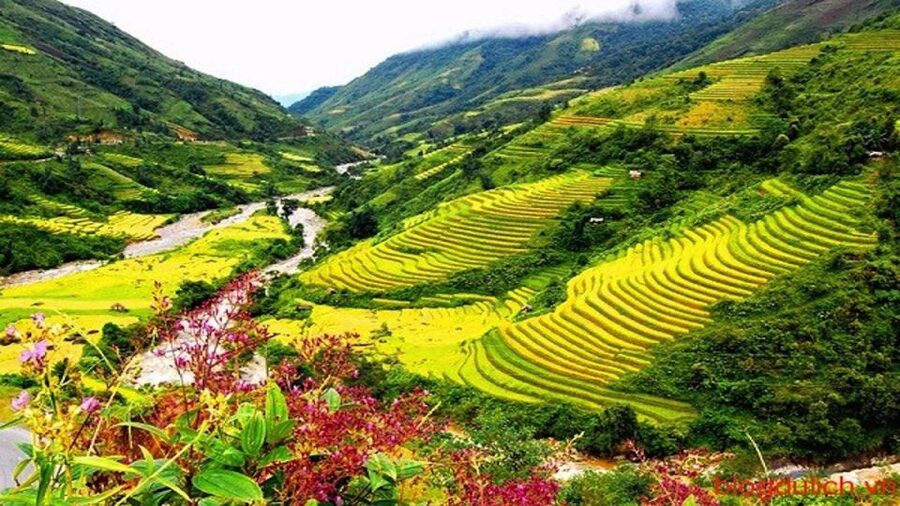
This is the day when the trip earns its place on a Sapa itinerary. The route is built around rice terraces, mountain views, and footpaths between villages rather than a quick drive to a lookout. You get time to stop for pictures, and the guide can explain the communities you are passing through.
The scenery changes with the season. In May, rice planting can let you see how fields are prepared, and you may be invited to try the work. From September to March, Sapa is normally cold, and winter weather can bring fog. December through March can be especially misty because of the altitude, so do not book this expecting clear views every day.
The walking is also more demanding than the first village visit. Rain can turn paths slippery, and wet weather changes the day from a scenic walk into a test of balance and stamina. Wear proper trekking shoes, not smooth-soled sneakers. Sun cream, sunglasses, and insect repellent belong in your day bag even when the morning looks cool.
Lunch comes during the route, then you walk through terraced fields to Ta Van. This section is one of the most attractive parts of the trip, but it is also where the condition of the path matters most. Keep your hands free, watch your footing, and follow the guide rather than stopping too far behind the group.
Same trip, a completely different kind of day:
- Sapa 2 Days 1 Night From Hanoi – Overnight in Ta Van Village
★ 5.0 · 2,669 reviews - Hanoi – Sapa 2 Days 1 Night Overnight At Homestay
★ 5.0 · 899 reviews - Sapa: Fansipan Cable, Cat Cat Village & Moana Instagram Tour
★ 5.0 · 777 reviews - Sapa: Eco Adventure Terrace Fields and Local Villages Trek
★ 4.9 · 636 reviews
Ta Van homestay with the Zay
Ta Van is a village of the Zay minority, and this is where you spend the night in a homestay. The stay gives you something a hotel cannot: a closer view of local household life and a chance to share a meal in a village setting.
The accommodation is described as clean and pleasant, but you should expect a local homestay rather than hotel-style privacy. Solo visitors should check the final cost carefully, since a single supplement may apply for the hotel and private accommodation. Shared arrangements are part of the value for most people.
Dinner is included, and food is one of the strongest parts of the experience. Meals are described as generous and tasty, but drinks are not included. Carry Vietnamese dong for water, soft drinks, snacks, and small purchases. The banking system in Sapa can be unreliable, so do not depend entirely on cards.
This is also the best night for a little patience. A homestay is not simply a cheaper hotel. You may have less control over noise, room layout, and bathroom arrangements. In return, you get a more direct connection to the village and a chance to understand why staying outside Sapa town matters.
Waterfalls, bamboo forest, and the return to Sapa
Day 3 begins after breakfast in Ta Van. The route continues to Giang Ta Chai and Su Pan, with visits to Red Zao and Hmong villages.
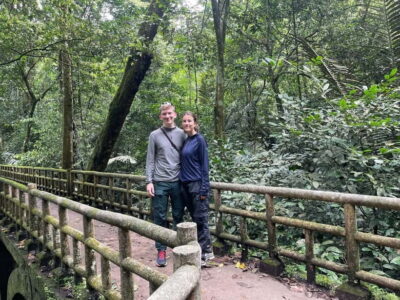
The walk includes a waterfall, a rattan bridge, and views through bamboo forest. These details give the final day a different feel from the open rice terraces of Day 2. The rattan bridge is a memorable stop, though anyone uneasy with heights or rough crossings should take care and listen to the guide.
After the village visits, reach the main road and take a car back to Sapa. The schedule allows time to pack around 2 PM before the return to Hanoi by limousine. The drive is expected to reach Hanoi around 8 to 9 PM, with hotel drop-off in the Old Quarter listed as part of the arrangement.
Confirm the exact final drop-off when you book. The meeting instructions also describe the activity as ending at the meeting point, and one account raises concerns about arranging a late transfer after reaching Hanoi. A clear question before departure can prevent an unpleasant surprise at night.
Guides, group size, and the local sales problem
The strongest part of this trip is the local guiding. Guides named Su Su and Ai have been praised for being friendly and easy to talk with, while Mai and Chu have also led enjoyable departures. Their quality matters because the villages are not just scenic backdrops. A good guide explains who lives there, points out local work, and helps you understand what you are seeing.
Guide assignments can change, especially for solo visitors. One person may join different groups or meet different guides on different days. If you are traveling alone, ask where and when you should meet each guide so you are not left guessing at an early morning station or village transfer.
Sapa also has a well-known pressure point: local women and children may walk alongside you, offer goods, or ask for money. Some may follow for part of the trek and make repeated sales attempts during stops and lunch. The tour operator asks you to ignore them and stay with the guide, but the situation is not always simple.
You can be polite without buying. If you do shop, agree on a price before accepting an item and carry small Vietnamese notes. The most respectful approach is to avoid treating the people you meet as scenery, while also remembering that you are not required to purchase something because someone walked with you.
What to pack for Sapa weather

Sapa weather can shift quickly. From September to March, cold conditions are common, and fog is possible in December, January, February, and March. Bring layers, a scarf, and a hat or cap rather than relying on one heavy jacket.
Your walking kit should include:
- Broken-in trekking shoes with good grip
- Warm clothing and a light rain layer
- Sunglasses and sun cream
- Insect repellent
- Any regular medicine you need
- Vietnamese dong for drinks and personal purchases
Alcohol and drugs are not allowed on the activity. Pets are also not allowed. Since the train, hotel, homestay, and trek all use different kinds of space, pack light and keep valuables close.
Is $212 good value?
The price makes sense for someone who wants a ready-made Hanoi to Sapa package. You receive the overnight train, transfers, three nights of accommodation across different settings, meals listed in the schedule, a guide, and entry fees. Organizing those pieces separately can take time, especially when the train and Lao Cai transfer need to line up.
The value is strongest for couples, friends, or small groups who want local guiding and do not want to negotiate every transfer. A private group option is available if you want more control over timing, though the price may change.
The value is weaker if you dislike shared transport or uncertain sleeping arrangements. The train cabin is shared, the minibus is shared, and the homestay is a local stay rather than a private hotel room. Drinks and unlisted meals cost extra, and solo visitors may face a supplement.
The package has free cancellation up to 24 hours before departure and allows you to reserve now and pay later. Those terms help if your Vietnam route is still changing, but they do not remove the need to check the final room setup, berth allocation, and Hanoi drop-off.
Who should book this Sapa trek?
I would choose this trip if you want a first visit to Sapa that combines walking, village life, and straightforward transport from Hanoi. It suits people who are comfortable with an overnight train, several hours on foot, and one night in a homestay.
It is also a good match if you want more than the town center. The stops at Sin Chai, Y Linh Ho, Lao Chai, Ta Van, Giang Ta Chai, and Su Pan give you a broad look at the valley and several ethnic communities.
I would look elsewhere if you need wheelchair access, have limited mobility, or want a gentle schedule. I would also think twice if you need guaranteed clear mountain views, a private room every night, or complete freedom from sales approaches.
Book it if the mix of local villages, a Zay homestay, and practical transport sounds right for you. Before paying, confirm the single supplement if you are alone, ask about the exact Hanoi drop-off, and prepare for a proper trek rather than a casual walk.
FAQ
How long does the Sapa tour last?
The experience takes about three to three and a half days and includes three nights: one on the train, one in a Sapa hotel, and one in a Ta Van homestay.
Where does the train leave from?
The train leaves Hanoi Railway Station at about 10 PM. Meet the staff near gate 2A on the second floor, after taking the elevator up.
What type of train accommodation is included?
You receive one berth in a shared four-bed, air-conditioned cabin. The berth may be on the top or bottom, and you do not choose the position.
Is the trek suitable for children or older people?
The 9-kilometer trek is not recommended for older people or children. The activity is also not suitable for people with mobility impairments or wheelchair users.
What accommodation is included in Sapa?
You spend one night in a three-star hotel in central Sapa and one night in a homestay in Ta Van Village. Solo visitors may need to pay a single supplement.
Are meals and drinks included?
Breakfast, lunch, and dinner are included on the days shown in the schedule. Drinks and meals not listed are not included.
More 3-Day Trips in Sapa
- 3-Day Trekking Adventure of Sapa from Hanoi – Stay Ta Van Village
★ 5.0 · 611 reviews - Hanoi – Sapa 3 Day 2 Night Trekking With Hotel & Homestay
★ 5.0 · 389 reviews - From Sapa: 3-Day Ha Giang Loop with Safe Rider (max 8 pax)
★ 4.9 · 285 reviews - From Hanoi: Trek and Stay: 3-Day Sapa Highlands Adventure
★ 4.6 · 152 reviews
Just added around Sapa
- Hanoi to Sapa Bus – Private Cabin Bus★ 5.0 · 53 reviews
- Hanoi – Sapa 2 Days 1 Night Overnight At Local Homestay★ 5.0 · 233 reviews
- 2-Night Sapa Tour with Fansipan Peak by Bus from Hanoi★ 4.5 · 23 reviews
- Hanoi – Sapa 3 Days – 2 Nights Trekking with With the locals★ 5.0 · 95 reviews
- Sapa – Ha Giang Loop Tour 5 days 4 nights★ 5.0 · 24 reviews
- 2 days Amazing trekking Sapa from Hanoi with various options★ 4.5 · 53 reviews
- 3-Night Sapa Trek and Homestay with Round Trip Transfer from Hanoi★ 4.5 · 37 reviews
- 3-Days in Sapa with Overnight at 4 Star Hotel & Bungalow★ 5.0 · 27 reviews
Hiking & Trekking, compared.

Halong Bay Full Day with Kayaking, Hiking viewpoint, Cave – Deluxe To Luxury
Read our review →
Sa Pa: Muong Hoa Valley Trek and Local Ethnic Villages
Read our review →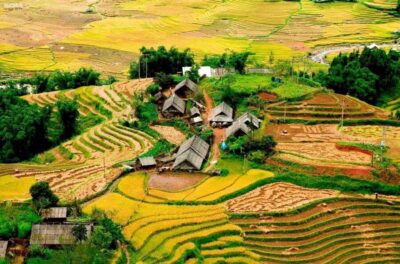
Sapa 3 Days 2 Nights Trekking Tour (1 Night In Ta Van Village, 1 Night In Hotel)
Read our review →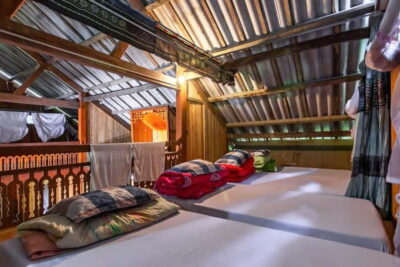
2-Day Sa Pa Ethnic Homestay Tour & Trek with Limousine Bus
Read our review →
1-Day Guided Trek to Lao Chai & Ta Van with Lunch
Read our review →
Browse the lists this tour appears in