

Reviewed · COOKING CLASSES
Home Cooking Class: Market, Garden and cooking 4 dishes
Da Nang’s best food lesson may begin before you touch a knife. You start at Han Market, then work in a vegetable garden before cooking four Vietnamese dishes in a local home. The market and farm give useful context: you see the ingredients first, then learn how they become lunch or dinner.
I like the small group limit of nine, which gives you room to ask questions and get hands-on help. I also like the generous menu, which changes by day and includes dishes such as beef noodle soup, banh xeo, papaya salad, and fresh spring rolls. The main consideration is transport: pickup is included with the full tour option, but a cooking-class-only booking does not include pickup or drop-off.
Key points to know before booking
- Four dishes, not just a demonstration: You prepare the food yourself, then eat the finished meal.
- Market and garden visits add context: You see Vietnamese ingredients at Han Market and take part in basic farm work.
- Two rotating menus: Monday, Wednesday, Friday, and Sunday feature one menu. Tuesday, Thursday, and Saturday feature another.
- Small groups keep it personal: The advertised maximum is nine, with an overall activity limit of ten.
- English recipes are included: You can take the cooking lessons home instead of leaving with a decorative souvenir.
- The timing fits a half-day: Choose a morning session from about 8 a.m. to noon or an afternoon session from about 2 p.m. to 6 p.m.
Start with ingredients at Han Market
The experience begins with pickup from a hotel in central Da Nang, usually between 8 and 8:30 a.m. for the morning class or 2 and 2:30 p.m. for the afternoon class. From there, you visit Han Market, one of the city’s useful places to see everyday food shopping in action.
This is more than a quick walk past stalls. Your guide helps you identify the ingredients needed for the class and shows why freshness matters in Vietnamese cooking. You may see the raw materials for herbs, salads, noodles, seafood, meat, and dipping sauces before they reach the kitchen.
I like this order. A cooking lesson can feel detached from the place if all the ingredients are already measured and waiting. Here, you first see the food in its local setting, then learn what each item does in the dish.
The market stop is also a good chance to ask questions. Vietnamese food relies on balance, and small details matter: sour fruit against savory fish sauce, fresh herbs against cooked meat, or crisp vegetables beside soft noodles. The class does not simply hand you a recipe. It helps you recognize the ingredients that give Vietnamese food its character.
The market can be lively and crowded, and that is part of the experience. If you prefer a quiet, polished food tour, this may feel less controlled. If you want to understand what people buy and cook in Da Nang, it is a useful start.
The route also lists Da Nang Cathedral as a stop. The supplied details do not specify how long you spend there or what activity takes place, so treat it as a brief route point rather than the main focus of the tour.
More Cooking Classes in Da Nang
- 5 Dishes Cooking Class with Market Trip in Da Nang
★ 5.0 · 466 reviews - Da Nang Authentic Home Cooking Class
★ 5.0 · 354 reviews - 5 traditional dishes Da Nang cooking class with market trip
★ 5.0 · 331 reviews
Trade the city for a vegetable garden
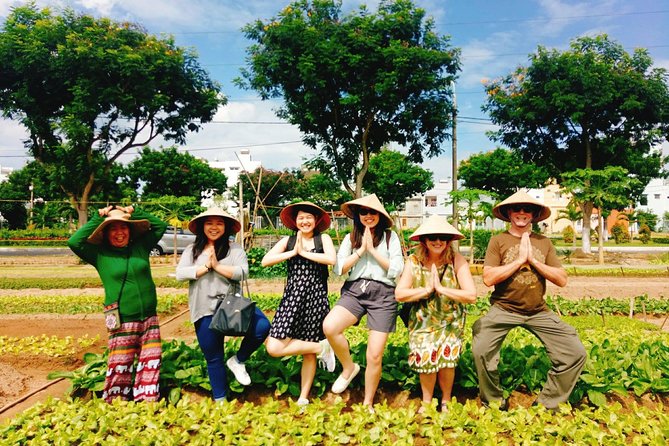
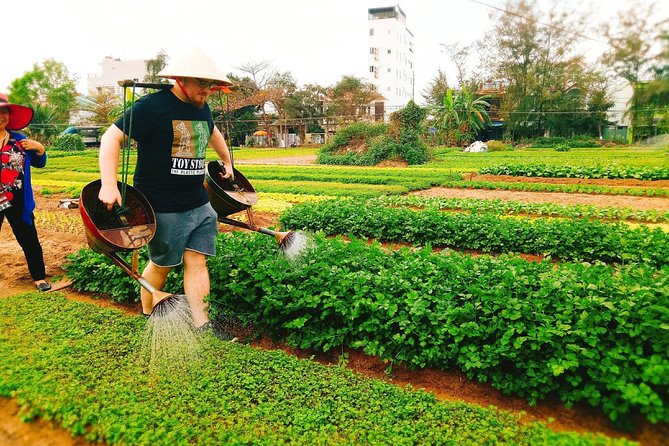
After the market, you visit vegetable gardens and take part in simple farming activity. You join local farmers in preparing soil and growing vegetables, giving you a short look at the work behind the fresh produce used in Vietnamese meals.
This part is modest, but it matters. Vietnamese cooking often depends on fresh greens and herbs, and the garden shows that these ingredients are not an afterthought. You get a better sense of the effort involved before the food appears on a plate.
The farming activity is also a change of pace from the market. You are not just standing and listening. You practice being a Vietnamese farmer, according to the tour details, and meet people working in the garden. One family described the garden visit as a highlight, while another person appreciated how it recalled village life in Singapore. That gives you a fair idea of the tone: practical, friendly, and simple rather than a full agricultural tour.
Do not book this expecting a long farm stay or a serious lesson in crop production. The garden visit is one part of a four-hour food experience. Its value comes from connecting the market, the ingredients, and the meal.
Coffee, tea, and a local family kitchen
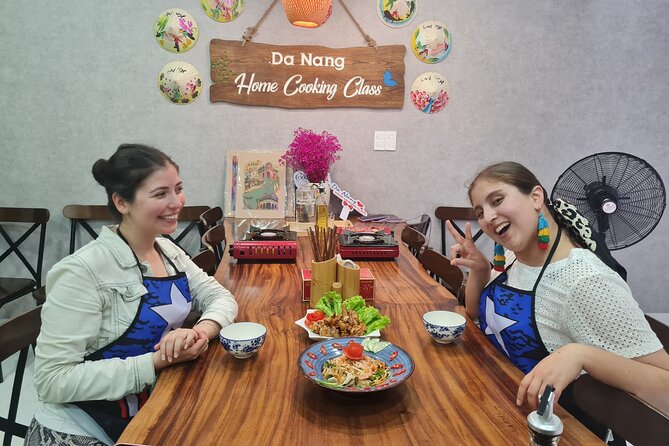
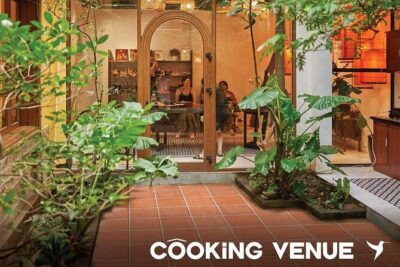
At about 9:15 a.m. in the morning session, or 3:15 p.m. in the afternoon session, you go to a local house for the cooking class. The tour includes Vietnamese coffee, and tea tasting is also listed among the activities.
The coffee gives the day a pleasant pause. It is a chance to sit down, meet the host family, and settle into the kitchen before the cooking begins. The class is led by an English-speaking instructor, and named instructors associated with the experience include Jane, Nhi, Lyn, Anna, and Sophia.
The exact host depends on the date, but the personal nature of the class is consistent. Jane is described as patient while explaining dishes and guiding people through the steps. Lyn is noted for speaking good English and working with her mother and Sophia. Nhi is praised for being warm and encouraging, while Anna led a market visit for one family.
Those details matter because cooking classes succeed or fail on instruction. A friendly host is nice, but patient explanations are more important when you are handling unfamiliar ingredients or trying a new folding technique. The small group size should make it easier to watch, ask for help, and get corrections.
The class takes place in a local home, not a large professional cooking school. That can mean a more personal setting, though it may also feel less formal. If you need a highly structured kitchen with identical workstations, this may not be your style. If you prefer meeting a family and cooking in a home setting, it is a better fit.
Choose between two four-dish menus
The menu changes according to the day of the week. Check your date before booking, especially if one dish is the reason you are interested.
More Market Tours in Da Nang
- Da Nang Cooking Class with Coffee Tasting and Market Visit
★ 5.0 · 310 reviews - DaNang Farm-to-Table Cooking Class with Market and Coffee Tasting
★ 5.0 · 131 reviews - Market Tour, Basket Boat Ride & Cooking Class by Hangcoconut
★ 4.8 · 95 reviews - Cook 5 Dishes Authentic Vietnam Food and Market Adventure
★ 5.0 · 56 reviews
Monday, Wednesday, Friday, and Sunday
- Quang noodles
- Fish sauce chicken wings
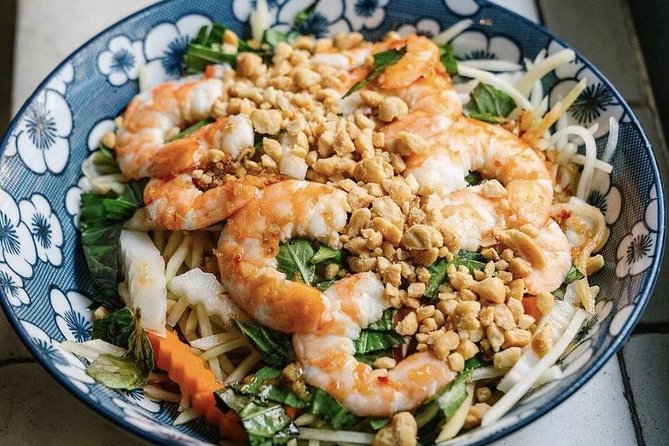
- Green papaya salad with shrimp
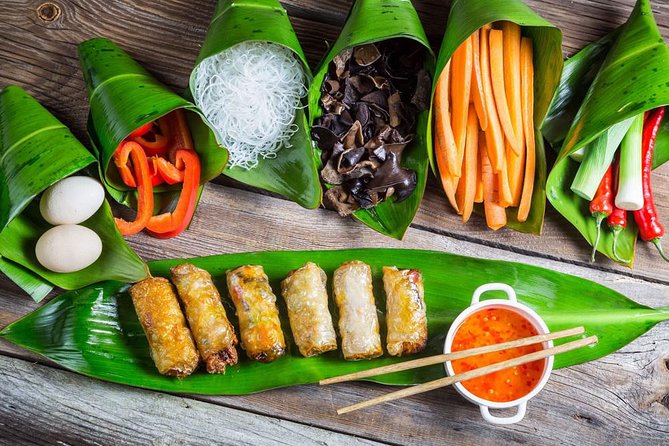
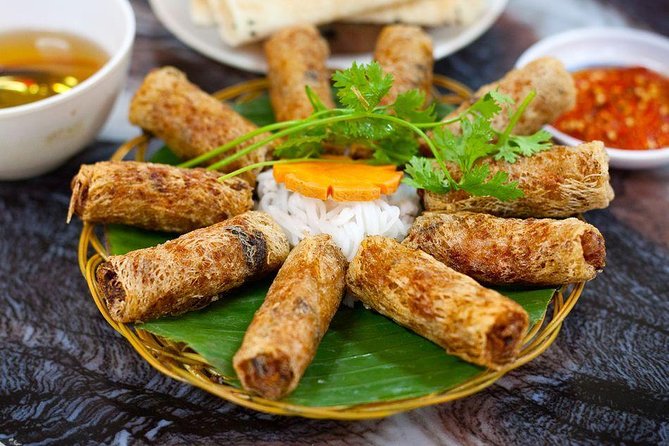
- Deep-fried spring rolls
Quang noodles give you a taste of central Vietnamese cooking. The dish is associated with the region around Da Nang and works well in a hands-on class because you learn how noodles, toppings, herbs, and sauce come together.
Fish sauce chicken wings show how a familiar ingredient can carry a dish. The cooking lesson gives you a chance to understand the balance between salty, sweet, and savory flavors rather than simply eating the finished wings.
Green papaya salad with shrimp adds freshness and crunch. It also shows how raw vegetables and seafood fit into a meal alongside cooked dishes. Deep-fried spring rolls bring a crisp element and a practical skill: preparing and frying a classic Vietnamese snack.
Tuesday, Thursday, and Saturday
- Beef noodle soup
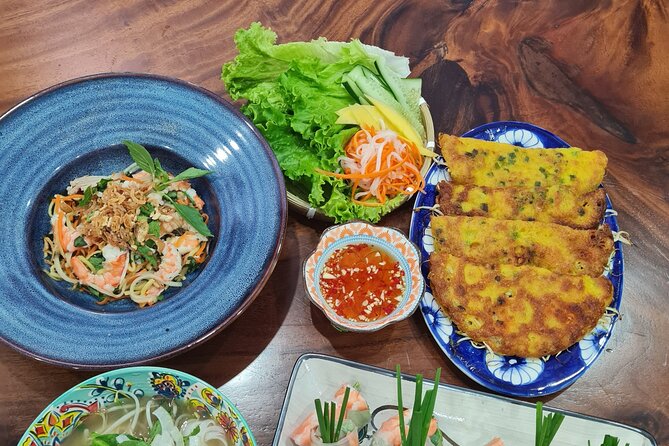
- Crispy Vietnamese pancakes, banh xeo
- Green mango salad with shrimp
- Fresh spring rolls
Beef noodle soup is the draw on this menu. One cooking class participant especially enjoyed learning to make it, along with papaya salad, fresh spring rolls, and crispy savory pancakes.
Banh xeo is a good hands-on dish because texture matters. You learn how to make a thin, crisp pancake and fill it with savory ingredients. Green mango salad with shrimp has the same fresh, sharp quality as the papaya salad on the other menu, while fresh spring rolls offer a lighter contrast to fried food.
The menu is substantial for a four-hour class. You should expect to eat a lot at the end. One group found there was so much food that they could not finish everything. That is a benefit if you want a full meal, but it is worth knowing if you prefer a small tasting menu.
The cooking is hands-on, then you eat what you make
The central part of the experience is not a chef performing while you watch. You make all four dishes yourself, with guidance from the instructor. The class includes ingredients, drinking water, dessert, and English copies of the recipes.
The recipes are one of the strongest practical features. Many cooking classes are enjoyable for an afternoon but hard to repeat because you leave without measurements or written steps. Here, the printed recipes give you a real chance to recreate at least some of the dishes at home.
You can expect the instructor to demonstrate techniques and then let you try them. The supplied feedback points to helpful tips, clear demonstrations, and a patient teaching style. That is especially useful for spring rolls, salads, noodles, and banh xeo, where small changes in wrapping, mixing, or cooking can affect the result.
The meal at the end is both lunch and the payoff for your work. The morning session ends around noon, while the afternoon session ends around 6 p.m. You do not simply receive a separate meal prepared by someone else. You eat the food you helped cook, with dessert included.
The exact kitchen setup and recipe measurements are not specified, so do not expect a professional culinary qualification. This is an approachable introduction to home-style Vietnamese food, with enough instruction to make the class useful for beginners.
Why the small group and guide matter
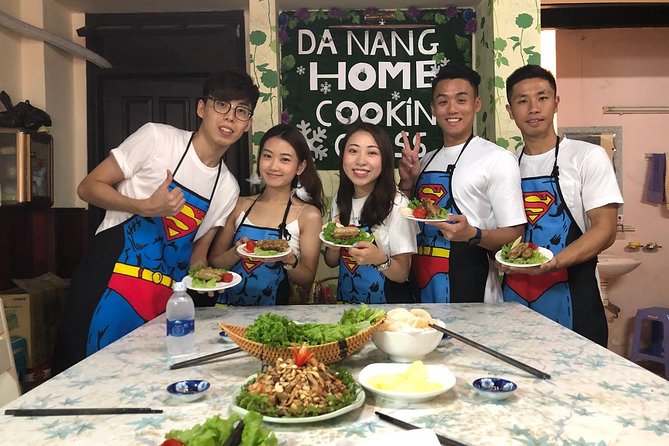
The group limit is advertised as nine, with a maximum of ten for the activity. That is small enough to avoid the feel of a coach tour, yet large enough for a social class.
A small group is especially useful during market shopping and cooking. At a market, a large group can block stalls or split into separate clusters. In a kitchen, too many people can leave you waiting for a turn. A group of nine or fewer gives you a better chance to handle ingredients and speak with the instructor.
The guide’s English ability also matters. Cooking vocabulary can be difficult, and the experience includes explanations about Vietnamese ingredients, farming, and preparation. Lyn is specifically described as speaking good English, while Jane, Nhi, Anna, and Sophia are named in connection with different sessions.
The guide is part teacher, part host, and part link between you and the local family. That personal contact is one of the main reasons to choose this experience over a standard restaurant meal.
Is $26 good value in Da Nang?
At $26 per person, this is good value if you want more than lunch. The price covers roughly four hours, hotel pickup for the full-tour option, the market visit, farming activity, coffee, tea tasting, ingredients, an English-speaking instructor, the four-dish meal, dessert, and recipe copies.
You are paying for several connected activities rather than one cooking demonstration. The meal alone would not explain the price. The value comes from the full sequence: shop for ingredients, see where vegetables are grown, learn in a local home, cook four dishes, and eat the result.
The price is less attractive if you only want to watch a chef or sample small portions. It is also important to compare the transport option carefully. Full-tour pickup is included, but a cooking-class-only booking does not include pickup or drop-off. You should factor in your own transport if you choose that version.
With a 4.8 rating from 61 reviews and a 95 percent recommendation rate, the experience has a strong record. That does not guarantee that every session will match your expectations, but it supports the idea that the instruction, food, and personal contact are the main strengths.
Who will enjoy this cooking class most?
I would choose this class for first-time visitors who want a practical introduction to Da Nang food. It suits couples, families, and small groups, and one family particularly enjoyed it as a mothers-and-daughters outing.
It also works well for people who enjoy learning by doing. You will get more from the experience if you are willing to handle ingredients, try unfamiliar dishes, and take part in the market and garden visits.
This may not suit you if you want a short, quiet tasting session, a luxury kitchen, or a fixed menu every day. The rotating menus mean you need to check the date. The garden activity may also feel too basic if you are looking for a long farm tour.
The four-hour schedule is manageable, but remember that the cooking begins after the market and garden stops. You are getting a full half-day, not a quick class squeezed between sightseeing stops.
Booking, weather, and cancellation details
You can book a morning session from about 8 a.m. to noon or an afternoon session from about 2 p.m. to 6 p.m. Confirmation is provided at booking, and the experience is available with a mobile ticket.
Free cancellation is allowed up to 24 hours before the start time for a full refund. Changes or cancellations made within 24 hours are not accepted and are not refunded. The activity requires good weather and a minimum number of participants. If poor weather or low enrollment causes cancellation, you are offered another date or experience, or a full refund.
Should you book it?
Book this experience if you want four real dishes, personal instruction, and a look at everyday food culture in one half-day. The combination of Han Market, a vegetable garden, Vietnamese coffee, and a family kitchen gives the cooking lesson more meaning than a class that starts with premeasured ingredients.
Check the menu first. Choose the beef noodle soup and banh xeo day if those are your priorities, or select the Quang noodle and fried spring roll menu if those dishes appeal more. Also confirm that you are booking the full-tour option if you need hotel pickup.
At $26, the experience offers strong value for an active food outing. It is not polished luxury, and the farm visit is brief, but the small group, generous meal, recipe copies, and patient named instructors make it a sensible choice for anyone who wants to taste Da Nang and learn how to cook it.
FAQ
How long does the cooking class and tour last?
The experience lasts about four hours. The morning option runs from approximately 8 a.m. to noon, and the afternoon option runs from approximately 2 p.m. to 6 p.m.
What dishes will I cook?
The menu depends on the day. Monday, Wednesday, Friday, and Sunday include Quang noodles, fish sauce chicken wings, green papaya salad with shrimp, and deep-fried spring rolls. Tuesday, Thursday, and Saturday include beef noodle soup, banh xeo, green mango salad with shrimp, and fresh spring rolls.
Is hotel pickup included?
Pickup from hotels in central Da Nang is included for the full-tour option. A cooking-class-only booking does not include pickup or drop-off.
Is the class taught in English?
Yes. An English-speaking instructor leads the experience, and English copies of the recipes are included.
How many people can join?
The experience is advertised for a maximum of nine people, with an overall activity limit of ten.
Are food and ingredients included?
Yes. The ingredients, water, dessert, and the meal you cook are included.
Can I cancel for a refund?
You can cancel at least 24 hours before the start time for a full refund. Cancellations or changes made less than 24 hours before the start time are not accepted and are not refunded.
What happens if bad weather cancels the tour?
If poor weather causes cancellation, you are offered a different date or experience, or a full refund.
Just added around Da Nang
- Your Incredible Scooter Adventure On Hai Van Pass★ 5.0 · 67 reviews
- Private Customize car rental 4 hours – 8 hours- 12 hours Da Nang★ 5.0 · 22 reviews
- Dry Deep Bodywork (Dry | Thai–Shiatsu based)★ 5.0 · 45 reviews
- Surf Lessons★ 5.0 · 42 reviews
- Four-Hands Harmony (Perfect · Synchronized · Flow)★ 5.0 · 78 reviews
- Monkey mountain-Huge Lady Buddha-Marble mountains & Am Phu caves★ 5.0 · 210 reviews
- Da Nang Street Food Private Tour With Local Students★ 5.0 · 24 reviews
- Private Rejuvenating Mask Therapy in Da Nang★ 5.0 · 29 reviews
Cooking Classes, compared.

Hanoi Cooking Class: Culture, Local Market & Meaning CSR Impact
Read our review →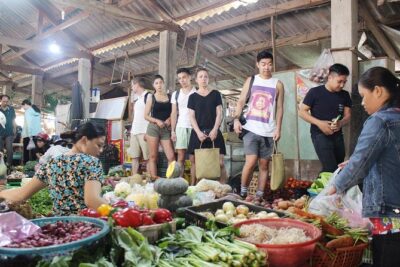
Cooking Class Hoi An:Local Market, Basket Boat, Fishing & Cooking
Read our review →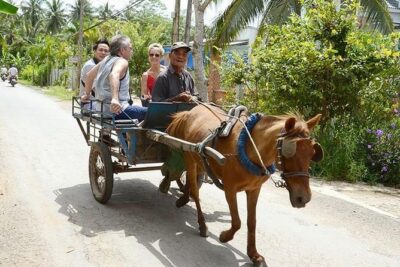
Mekong Delta Boat,Khotcake cooking Coconut Village,SmallGroup
Read our review →
Mekong Delta 4 Islands, TukTuk, Boat, Try Khot Cake Local Cooking
Read our review →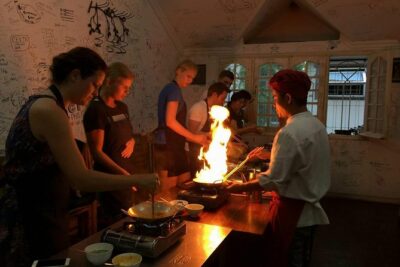
Chef Vu Cooking Class Plus Market Trip in Saigon Center (Pick up by Cyclo)
Read our review →
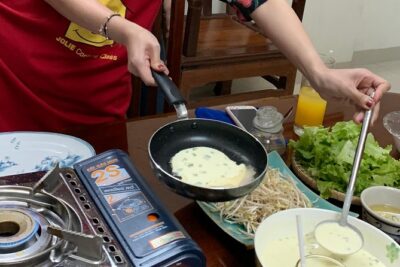
Hanoi Cooking Class: Pho/Bun Cha/Banh Xeo…+Free Egg/Salt Coffee
Read our review →Browse the lists this tour appears in