

Reviewed · HIKING & TREKKING
From Hanoi: 3-Day Sapa Trekking with Limousine Transfer
Sapa’s best moments come on foot, and this three-day trip gets you beyond town to Cat Cat, Lao Chai, Ta Van, Y Linh Ho, and Ban Ho. You’ll cross rice terraces, reach quieter hill villages, and meet H’mong, Dzao, and Tay people while a local guide explains daily life. The long transfer from Hanoi is softened by a modern limousine rather than a standard bus.
I like the balance of a gentle first-day walk and a much harder second-day trek. I also like the practical setup: hotel or homestay, six included meals, entry tickets, and a guide who knows the local communities. The main catch is the second day, which covers 12 to 15 kilometers over rough and sometimes slippery ground. This is not a sightseeing stroll.
Key points at a glance
- A 12 to 15 kilometer village trek: Day two is the heart of the trip, with rice terraces and remote communities.
- Three major ethnic groups: You’ll learn about H’mong, Dzao, and Tay culture from a local guide.
- Comfortable Hanoi to Sapa transfer: The air-conditioned limousine includes breaks during the roughly 5.5-hour journey.
- Two types of lodging: Choose a hotel or a more basic homestay, depending on the option available.
- Free time built in: You have time in Sapa on the first evening and the entire morning of day three.
- Guides with strong personal skills: Me is praised for clear English and local knowledge, while Trang is noted for humor and insight into regional life.
The long road from Hanoi to Sapa
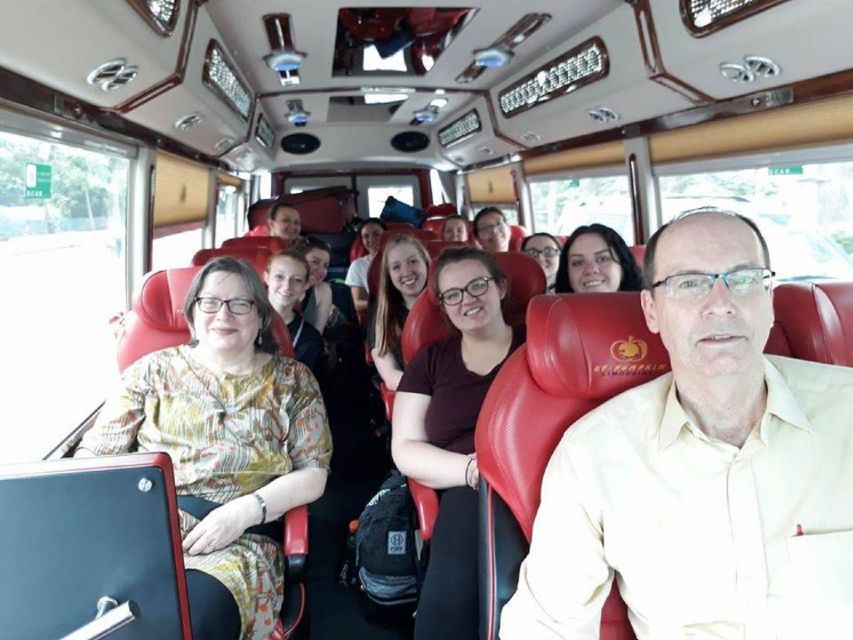
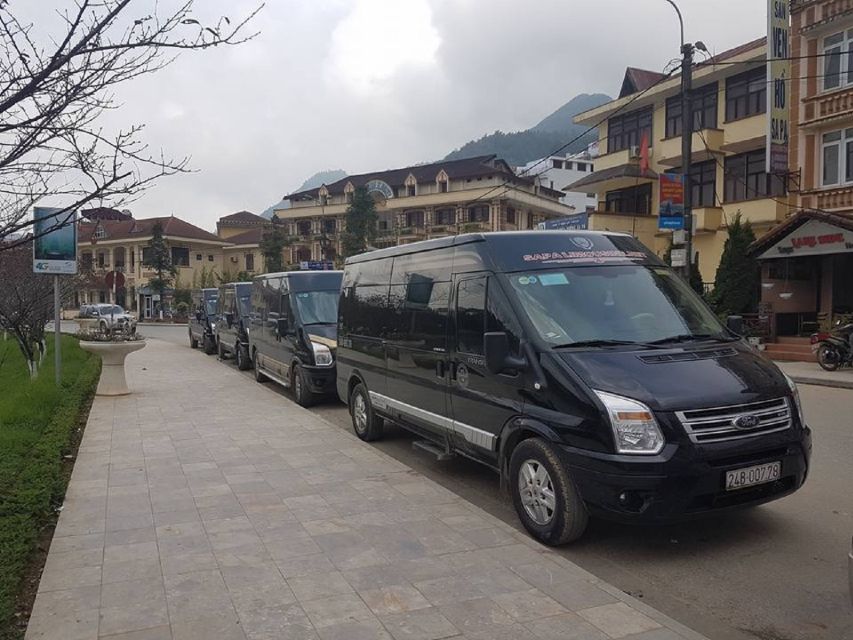
Your pickup is arranged from the Hanoi Old Quarter, with the stated meeting point at 31 P. Lò Sũ. Departure is early, between 6:45 and 7:00 in the morning. That timing matters because the road to Sapa takes about 5.5 hours, with a couple of rest stops along the way.
The air-conditioned limousine is one of the practical advantages of this trip. A smaller vehicle generally makes the long transfer less tiring than a basic coach, and you can expect scenic driving as the road climbs toward Sapa. Still, five and a half hours is a serious portion of a three-day holiday. You should think of day one as a travel day with an afternoon walk, not as a full day in the mountains.
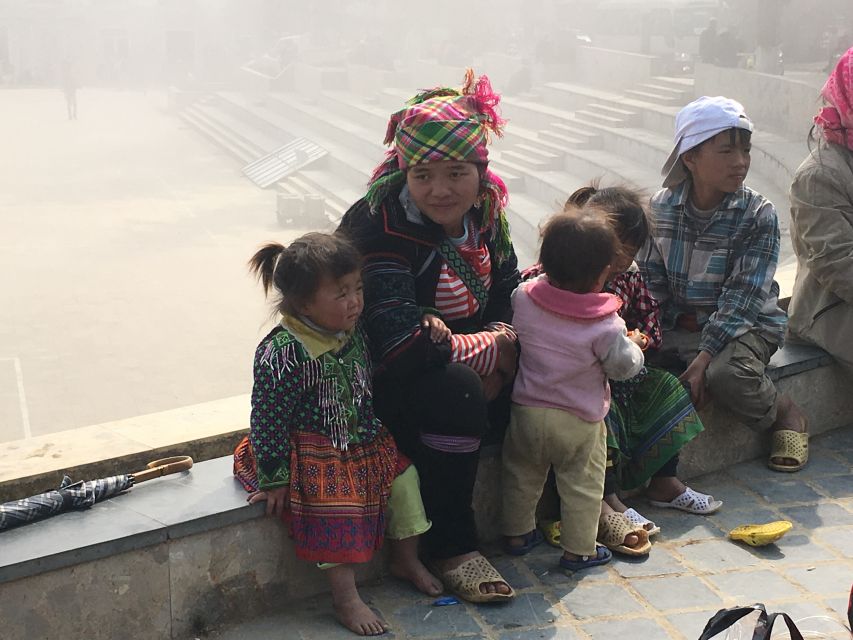
Arrival is expected around 12:30 p.m. You’ll meet local members of the H’mong, Dzao, and Tay communities, often dressed in traditional clothing, before lunch. The cultural welcome gives you an early introduction to the region, but it is the walking and village visits later that provide the fuller picture.
Lunch is included, as are two more lunches during the trip. Dinner is not included, so budget for your own evening meal and drinks in Sapa.
More Trekking Tours in Sapa
- Sa Pa: Muong Hoa Valley Trek and Local Ethnic Villages
★ 4.6 · 864 reviews - From Hanoi: 2-Day Sapa Trekking Trip with Homestay & Meals
★ 4.8 · 704 reviews - Sapa 3 Days 2 Nights Trekking Tour (1 Night In Ta Van Village, 1 Night In Hotel)
★ 5.0 · 699 reviews
Cat Cat Village and the first four kilometers
After lunch and hotel check-in, the first trek begins at about 2:30 p.m. This walk to Cat Cat Village covers roughly four kilometers and takes around two hours. It is described as the easier trek, making it a useful warm-up before the longer route on day two.
Cat Cat is home to the Black H’mong and sits at the foot of Mount Fansipan, Vietnam’s highest mountain. Your guide introduces you to local life while you walk down toward the valley. The route brings you through mountain scenery and gives you a first look at how villages are arranged around the slopes.
The word easy needs a little care here. Four kilometers may sound modest, but a downhill route can still put pressure on knees, and uneven paths are not the same as a paved town walk. Comfortable shoes are essential. Trekking shoes are better still, especially if the weather has been wet.
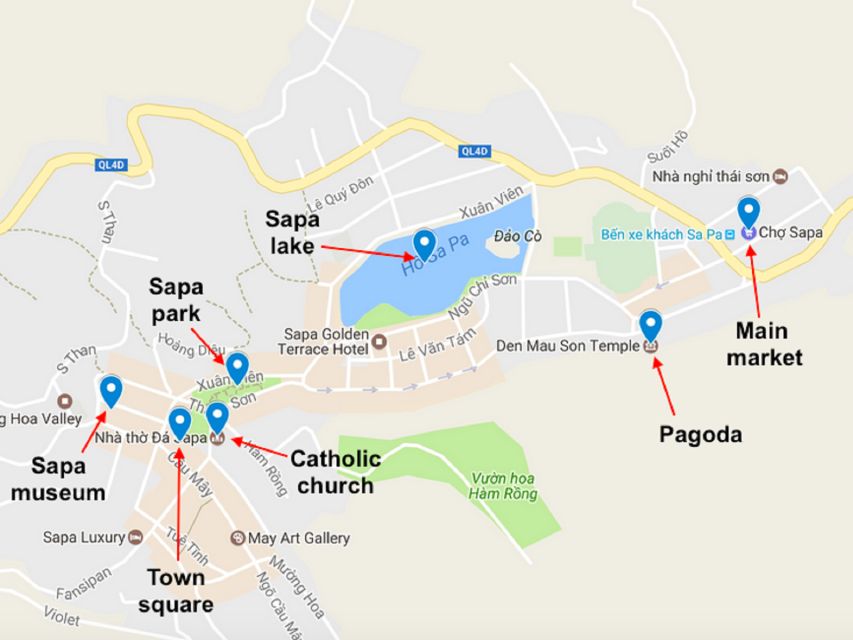
You return to Sapa in the afternoon for dinner on your own. The evening is free, which gives you room to explore the town, find a meal, or simply rest. That free time is welcome because the next day is much more demanding.
Day two, the serious trek through rice terraces
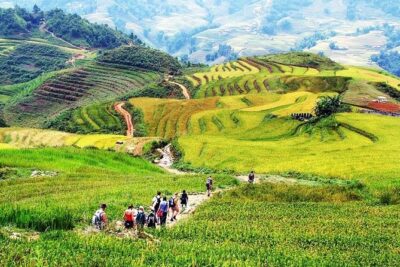
Day two is the reason to choose this tour rather than a simple Sapa day trip. After breakfast, you set out on a 12 to 15 kilometer trek through villages and rice-growing country. The exact pace and route can depend on conditions, but you should plan for a full, tiring day outside.
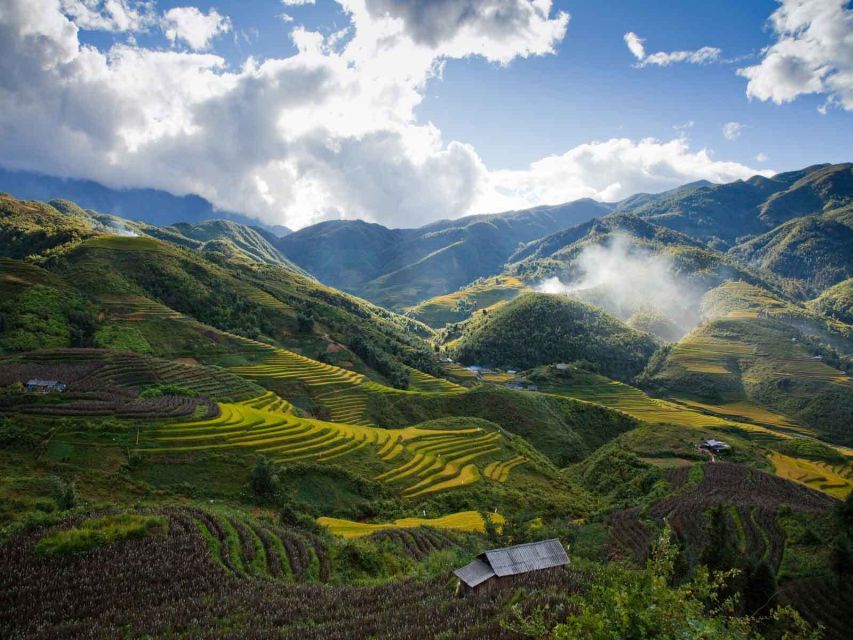
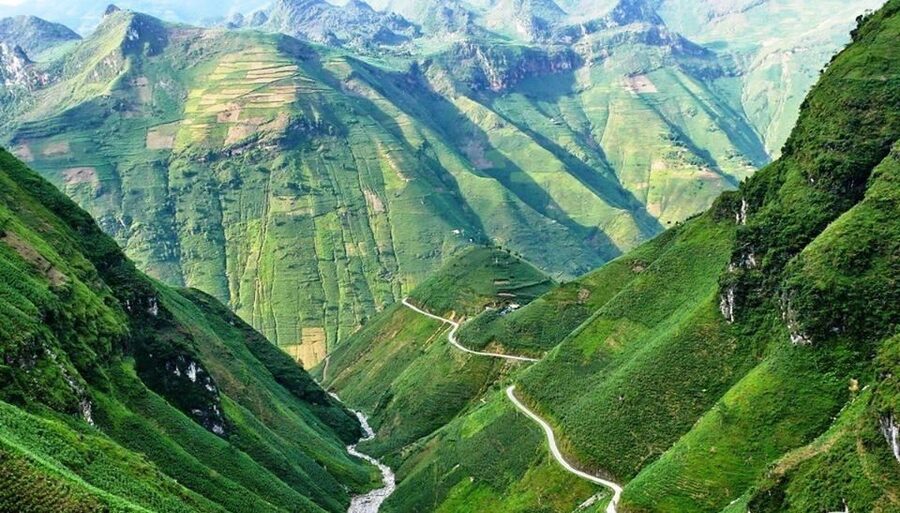
The first section is a five-kilometer walk along rice terraces toward Lao Chai, a Black H’mong village. Rice terraces are one of Sapa’s defining sights, and walking beside them gives you a better sense of their scale than a quick roadside photo stop. The route is also where the physical demands become clear. You’ll need steady footing, water, sun protection, and enough energy for several more hours.
From Lao Chai, the trek continues toward Ta Van, associated here with the Dzao community. The guide’s role matters on this stretch. A good guide can explain how the different communities live, point out local details, and help you understand the area without turning the walk into a rushed march.
Guides Me and Trang are specifically praised for the qualities that help on a day like this. Me is noted for speaking very good English and explaining the area clearly. Trang is known for a good sense of humor and for discussing local people, culture, and the region while leading two scenic hikes. Your assigned guide may differ, but these names indicate the level of personal guidance the operator aims to provide.
Y Linh Ho and Ban Ho, away from the main route
The route then continues toward Y Linh Ho and Ban Ho. These are presented as more remote stops, with fewer tourists and a closer look at everyday hill tribe life. That quieter setting is valuable if you want more than the most familiar Sapa village circuit.
At the same time, quieter does not mean easier. The full day can reach 15 kilometers, and rain can change the character of the trail quickly. Mud, wet stone, and steep sections may make the walk substantially harder than the distance suggests. The tour specifically warns that trekking can be challenging, especially in rainy weather.
You should bring insect repellent, sunscreen, a sun hat, sunglasses, and any medication you need. Warm layers are also important. Sapa sits at altitude, and the weather can shift quickly. September through March is normally cold, with fog sometimes appearing in December, January, February, and March. A scarf, hat, and extra warm clothing can make the difference between enjoying the final hours and counting the minutes until the hotel.
After the trek, you return to your accommodation and have free time. That evening is another chance to eat independently and see Sapa at your own pace.
Same trip, a completely different kind of day:
- Sapa 2 Days 1 Night From Hanoi – Overnight in Ta Van Village
★ 5.0 · 2,669 reviews - Hanoi – Sapa 2 Days 1 Night Overnight At Homestay
★ 5.0 · 899 reviews - Sapa: Fansipan Cable, Cat Cat Village & Moana Instagram Tour
★ 5.0 · 777 reviews - Sapa: Eco Adventure Terrace Fields and Local Villages Trek
★ 4.9 · 636 reviews
Hotel or homestay, choose your comfort level
Two nights of accommodation are included, but the precise standard depends on the option you select. A hotel is the safer choice if you want more predictable comfort after a long walk. The homestay offers a more basic setup and may suit you if the local lodging experience matters more than private comforts.
The important point is to read the accommodation option carefully before booking. The homestay provides only basic amenities, so pack with that in mind. This is not a luxury mountain retreat simply because the transfer vehicle is comfortable.
The accommodation arrangement also affects the value of the $199 price. At that rate, you are paying for transportation from Hanoi, two nights, a guide, entry tickets, two breakfasts, and three lunches. You still need to cover two dinners, drinks, and any optional visit to Fansipan. For a three-day trip with a long return transfer, the package offers a reasonable amount of included service, provided you are happy with the selected lodging.
A free morning in Sapa and an optional Fansipan visit

Day three begins slowly. After breakfast, you have a free morning to explore Sapa, rest, or arrange a visit to Fansipan on your own. Fansipan tickets and the tour are not included, but the hotel receptionist can help you with the purchase.
This flexibility is one of the better features of the schedule. After the previous day’s long trek, you can choose your own pace. If the weather is clear and you want a major mountain attraction, Fansipan may be appealing. If fog has settled in or your legs are tired, a relaxed morning in town may be the wiser choice.
You check out at 11:30 a.m. and have lunch before the return journey. The limousine leaves at about 2:30 p.m., with arrival at your Hanoi hotel or the meeting point expected around 9:00 p.m. In practical terms, day three is another travel day, not a final half-day of touring.
What the ethnic culture component really offers
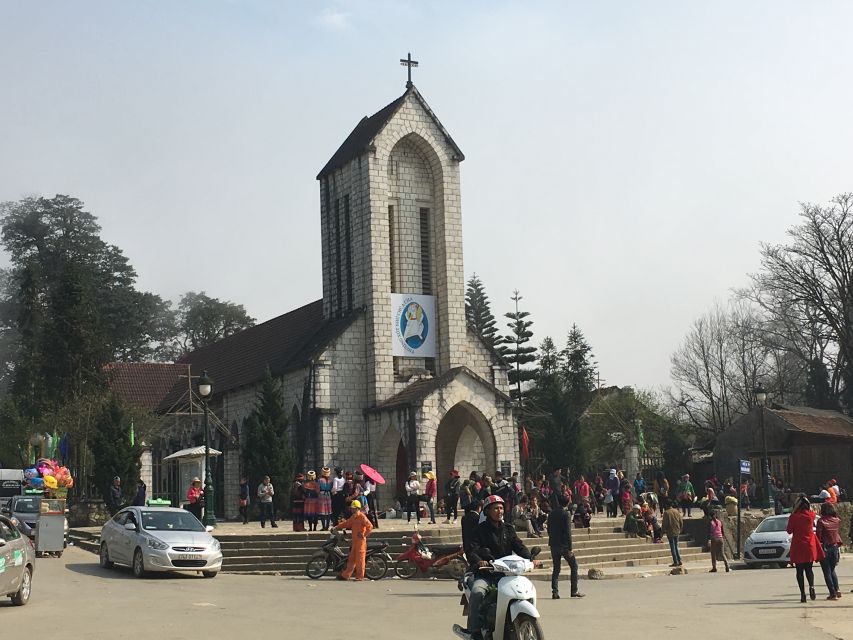
The tour introduces three groups: the H’mong, the Dzao, and the Tay. You meet community members in Sapa and visit villages connected with these communities during the walks. This gives the trip a cultural purpose beyond scenic viewpoints.
The best value comes when you treat the guide’s explanations as part of the experience. The villages are not museum displays. People live and work there, and the tour gives you a chance to see parts of that daily setting while walking through the region. Be respectful with photographs and listen when your guide explains local customs.
The cultural experience will not be a formal lecture or a long indoor program. Much of it happens in motion, along paths and around village life. That suits you if you prefer learning through place and conversation. If you want detailed historical presentations, dedicated workshops, or a highly structured cultural program, this trip may feel lighter than expected.
How hard is the trekking?
Fitness is the clearest deciding factor. The first walk is around four kilometers and is described as easy, but day two is a challenging 12 to 15 kilometers. The route includes rice terraces, village paths, valley sections, and changing surfaces.
You do not need to be a serious mountaineer, based on the information provided, but you should be comfortable walking for several hours. The trip is not suitable for people with mobility difficulties, wheelchair users, or children under six. Even fit walkers should take the rain warning seriously.
Pack a small day bag if possible. You’ll want water, sunscreen, insect repellent, a rain-ready layer, warm clothes, and medication close at hand. Comfortable shoes are listed as essential, but trekking shoes are the more sensible choice. Avoid relying on smooth casual sneakers.
Bring Vietnamese Dong. Banking in Sapa can be unpredictable, although U.S. dollars, euros, and Australian dollars are also accepted. Local cash is still the safer option for personal purchases and meals.
Group size, language, and booking flexibility

The tour is offered with a live English-speaking guide, and a small group option is available. A smaller group can make a long walking day easier to manage, especially when the trail becomes narrow or the group needs to adjust its pace.
A minimum of two people per booking is required. Confirmation is sent within 48 hours, subject to availability, so you should avoid treating the reservation as final until confirmation arrives.
The cancellation policy is friendly: you can cancel up to 24 hours before departure for a full refund. You can also reserve now and pay later, which helps if your Hanoi plans are still shifting. These policies do not change the physical demands of the trek, so choose the trip for the route and pace first, then use the flexible booking terms as a bonus.
Is three days enough for Sapa?
Three days gives you a useful introduction, but much of the time is spent getting between Hanoi and Sapa. You arrive around midday on day one, spend day two in the mountains, and use day three partly for your return. That leaves one major trekking day and two shorter periods in Sapa.
I think the length works well if you are combining Sapa with a wider Vietnam trip and want a focused mountain stop. The schedule covers the main needs: transport, accommodation, a guide, meals, and a demanding village route. It is less suitable if you want several slow days, long village stays, or a relaxed pace throughout.
The inclusion of free time is helpful. You are not locked into guided activity every hour, and the Fansipan option lets you decide based on weather, energy, and interest.
Should you book this Sapa trekking tour?
Book it if you want a structured first visit to Sapa without arranging buses, lodging, village transport, and a local guide separately. The limousine transfer, included meals, two nights, and English-language guiding make the $199 price easier to justify. The route also reaches quieter villages such as Y Linh Ho and Ban Ho, not just the most familiar stops.
Choose another plan if you dislike long road journeys, basic homestays, or strenuous walking. The key question is not the price. It is whether you are ready for a 12 to 15 kilometer trek in uncertain mountain weather.
For an active visitor who wants rice terraces, local communities, and a guide-led route with room to explore alone, this is a solid three-day Sapa introduction. Pack for cold and rain, expect tired legs, and treat the free morning in Sapa as a welcome choice rather than wasted time.
FAQ
Where does the tour start?
Pickup is available from hotels in Hanoi’s Old Quarter. The stated meeting point is 31 P. Lò Sũ, with pickup scheduled between 6:45 and 7:00 in the morning.
How long does the transfer from Hanoi to Sapa take?
The limousine journey takes about 5.5 hours and includes a couple of breaks. Arrival in Sapa is expected around 12:30 p.m. on day one.
What villages are included in the trekking route?
The trip includes Cat Cat Village on day one. Day two includes Lao Chai, Ta Van, Y Linh Ho, and Ban Ho.
How far is the main trek?
The challenging second-day trek covers approximately 12 to 15 kilometers. The first-day walk to Cat Cat covers about four kilometers and takes around two hours.
Is Fansipan included?
No. Fansipan tickets and the visit are not included. You can arrange a visit independently during the free morning on day three, with help from the hotel receptionist.
What accommodation is provided?
The package includes two nights in a hotel or homestay, depending on the option selected. The homestay has only basic amenities.
What meals are included?
The package includes two breakfasts and three lunches. Dinner and drinks are not included.
More 3-Day Trips in Sapa
- 3-Day Trekking Adventure of Sapa from Hanoi – Stay Ta Van Village
★ 5.0 · 611 reviews - Hanoi – Sapa 3 Day 2 Night Trekking With Hotel & Homestay
★ 5.0 · 389 reviews - From Sapa: 3-Day Ha Giang Loop with Safe Rider (max 8 pax)
★ 4.9 · 285 reviews - From Hanoi: Trek and Stay: 3-Day Sapa Highlands Adventure
★ 4.6 · 152 reviews
Just added around Sapa
- Hanoi to Sapa Bus – Private Cabin Bus★ 5.0 · 53 reviews
- Hanoi – Sapa 2 Days 1 Night Overnight At Local Homestay★ 5.0 · 233 reviews
- 2-Night Sapa Tour with Fansipan Peak by Bus from Hanoi★ 4.5 · 23 reviews
- Hanoi – Sapa 3 Days – 2 Nights Trekking with With the locals★ 5.0 · 95 reviews
- Sapa – Ha Giang Loop Tour 5 days 4 nights★ 5.0 · 24 reviews
- 3-Night Sapa Trek and Homestay with Round Trip Transfer from Hanoi★ 4.5 · 37 reviews
- 3-Days in Sapa with Overnight at 4 Star Hotel & Bungalow★ 5.0 · 27 reviews
- 2 days Amazing trekking Sapa from Hanoi with various options★ 4.5 · 53 reviews
Hiking & Trekking, compared.

Halong Bay Full Day with Kayaking, Hiking viewpoint, Cave – Deluxe To Luxury
Read our review →
Sa Pa: Muong Hoa Valley Trek and Local Ethnic Villages
Read our review →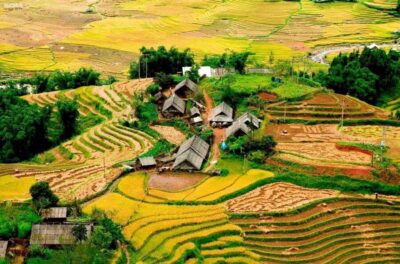
Sapa 3 Days 2 Nights Trekking Tour (1 Night In Ta Van Village, 1 Night In Hotel)
Read our review →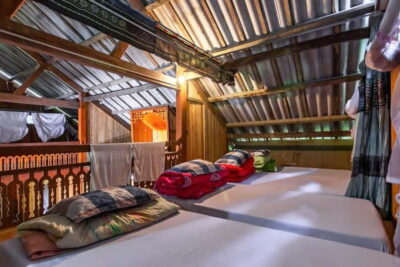
2-Day Sa Pa Ethnic Homestay Tour & Trek with Limousine Bus
Read our review →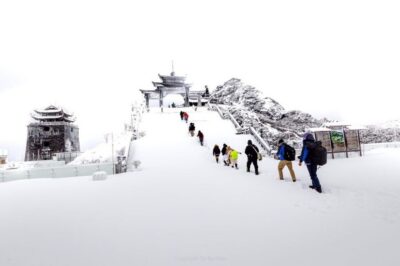
1-Day Guided Trek to Lao Chai & Ta Van with Lunch
Read our review →
Browse the lists this tour appears in