
Reviewed · SAPA TOURS
From Hanoi: 2-Day Sapa Limo Bus Tour & Fansipan Peak Visit
Fansipan is the big prize here: a 20-minute cable-car ride lifts you toward Vietnam’s highest summit, followed by temples, mountain air, and up to 600 steps to the top. The other half of the trip is slower and more human, with a guided walk through Hmong villages, rice fields, and mountain paths near Sapa.
I like the mix of local village time and easy access to a major natural sight. I also like that the package handles the long Hanoi to Sapa journey, hotel, meals, village transfer, and cable-car station transport in one go. The trade-off is a tight schedule, and the six-hour bus ride can be uncomfortable if you are tall or are assigned a small sleeper berth.
Key points to know before booking

- Fansipan cable car: The ride takes about 20 minutes, but the ticket costs an extra $35 per person and is paid locally.
- Village walk: Expect rice terraces, the Muong Hoa Stream, shops, homes, and local culture rather than a remote wilderness hike.
- Guides make the difference: Guides such as Song, Susu, Than, Lô, and Soh have helped visitors understand Hmong life and kept the trip organized.
- One night in Sapa: This is an efficient introduction, not a slow mountain holiday. Two nights would give you more breathing room.
- Bus conditions vary: Some departures use comfortable sleeper buses with individual cabins, while others may use older or cramped vehicles.
- Weather matters: Fansipan can be sunny and clear, or cold, wet, windy, and buried in cloud.
What this two-day Sapa trip is really like

This is a quick way to reach northern Vietnam’s mountains without arranging separate transport, lodging, village visits, and Fansipan tickets yourself. You leave Hanoi early, arrive in Sapa around midday, walk in the afternoon, sleep one night, visit Fansipan the next morning, and return to Hanoi later that day.
That schedule works well if you have limited time. It also means you need to accept long bus rides and little spare time. Sapa is far enough from Hanoi that the road journey takes roughly six hours each way, so the package is as much about making the logistics manageable as it is about sightseeing.
The tour has a good rating of 4.6 from 277 reviews, and the strongest praise centers on the local guides, the mountain views, and the efficient organization. The weaker points are consistent too: basic food, variable hotel quality, occasional bus confusion, and weather that can hide Fansipan completely.
More 2-Day Trips in Sapa:
- Sapa 2 Days 1 Night From Hanoi – Overnight in Ta Van Village
★ 5.0 · 2,669 reviews - Hanoi – Sapa 2 Days 1 Night Overnight At Homestay
★ 5.0 · 899 reviews - From Hanoi: 2-Day Sapa Trekking Trip with Homestay & Meals
★ 4.8 · 704 reviews
The six-hour ride from Hanoi to Sapa
Pickup arrangements depend on the option you choose, so confirm your exact meeting point and leave a working WhatsApp, Line, Viber, or KakaoTalk number. The local coordinator uses these details to confirm arrangements and keep in touch during the trip.
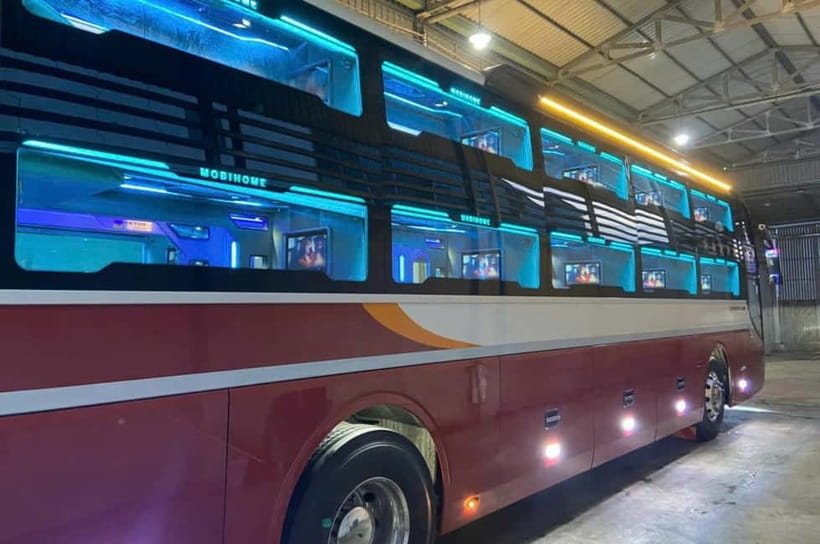
The road journey begins early in the morning by limousine or sleeper bus. Short stops are made in Phu Tho Province and Lao Cai city. On the return, you can expect a similar long ride with rest stops, though the exact bus type can vary.
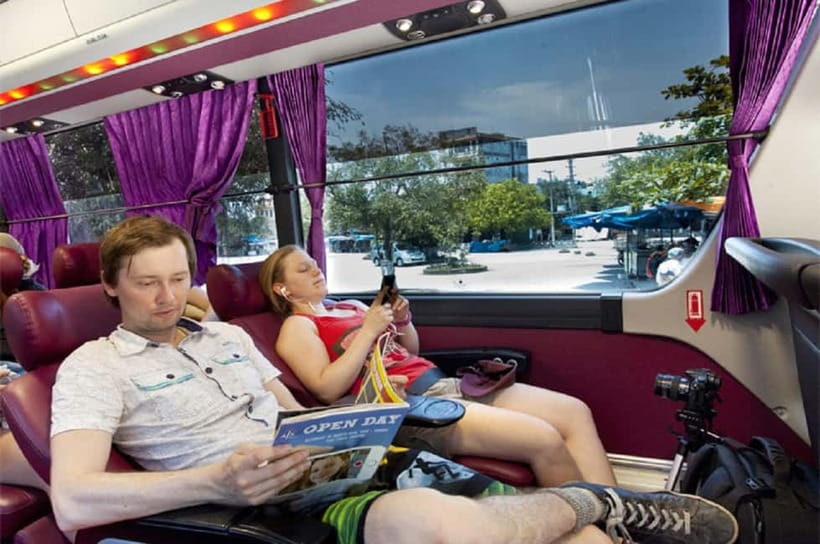
A sleeper bus is part of the adventure in Vietnam. Some buses have individual reclining cabins, and several departures have been described as comfortable. Families often like the chance to lie down, while taller people may find the berth narrow. A traveler around 1.8 meters tall found a budget sleeper bus particularly cramped.
You should also know that the bus usually has no onboard toilet. Two stops are generally made on the six-hour journey, and you may need small Vietnamese notes to pay for public toilets. One-way bus service has also been described as less polished, with old vehicles, delivery stops, unclear break instructions, or drivers who speak little English.
The best practical move is to treat the bus as transport, not part of the sightseeing. Keep water, medication, snacks, a jacket, and your phone close by. Your main luggage can stay in the trunk during the journey and then be stored at the hotel while you walk.
Arriving in Sapa and settling into the hotel
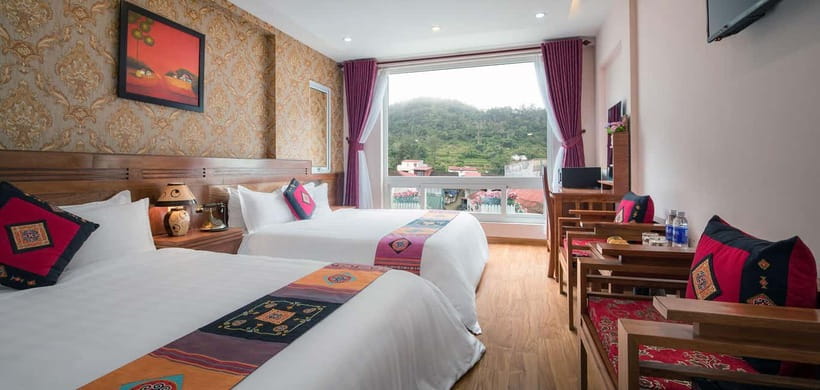
You reach Sapa around lunchtime and meet a local representative before eating Vietnamese dishes. The usual arrangement is a double or twin room in a three-star hotel, shared between two people. Some bookings have been upgraded to four-star hotels, so check your chosen option rather than assuming an upgrade.
The hotel location is usually practical, often near the market, night market, lake, or town center. That gives you a chance to walk around Sapa after the organized parts of the trip. Rooms have ranged from clean and spacious to merely adequate, and hotel standards are not always consistent.
For one night, the accommodation is generally enough. Several details matter more than the star rating: ask where towels are kept, check that toilet paper is supplied, and do not expect reliable internet in every property. Some bathrooms have showers that spray across much of the room.
Meals are included, which helps with the price and removes some planning after a tiring bus ride. The package includes two lunches, one dinner, and breakfast. Food quality is mixed. Some meals are considered good, while others are basic set menus that may disappoint anyone expecting restaurant-quality Vietnamese cooking.
Walking through Hmong villages and rice terraces
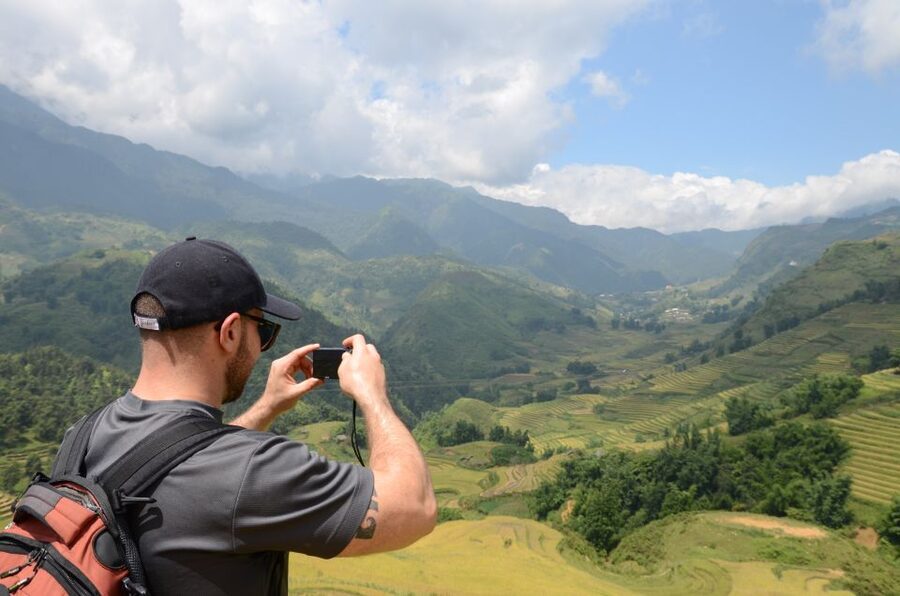
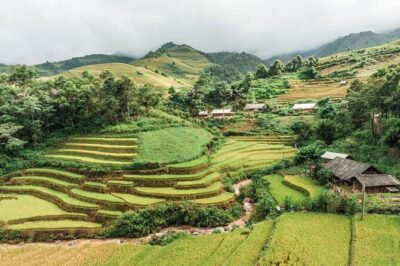
The afternoon walk is the heart of the first day. The stated route focuses on Lao Chai and Ta Van, with rice terraces, the Muong Hoa Stream, and mountain villages surrounded by the Hoang Lien Son range. Some departures have instead visited Cat Cat Village, so check your exact village route before setting expectations.
This is not a demanding expedition. Walks described by visitors lasted about two and a half to three hours at an easy pace, with frequent stops for photos. Expect paths, village streets, steps, shops, homes, weaving, and viewpoints over rice fields. Cat Cat in particular includes many steps down and then back up, while other sections may be paved or relatively easy.
The village visit is valuable because you get more than a viewpoint. A local guide can explain how Hmong families live, make a living, weave fabric, and use traditional clothing. Guides such as Song, Susu, Than, Lô, and Soh have been praised for their kindness, English, cultural explanations, and ability to keep the day moving.
Song, in particular, has been described as attentive and well organized, while Than was credited with making an otherwise average trip feel much better. If you are interested in daily life rather than just taking mountain photographs, this guide-led section may be the most rewarding part of the package.
You may also have the option to rent traditional clothing for around VND 50,000 at a local business. It can make for memorable photographs, but remember that village life is not a staged theme park. Look, ask politely, and give people room.
The route ends with a vehicle transfer back to your hotel. That is welcome after the walk, especially if the weather is hot or the paths are wet. Wear trekking shoes with a good grip, bring sun cream and insect repellent, and carry any medication you need.
A few more Sapa trips worth comparing
- Sa Pa: Muong Hoa Valley Trek and Local Ethnic Villages
★ 4.6 · 864 reviews - Sapa: Fansipan Cable, Cat Cat Village & Moana Instagram Tour
★ 5.0 · 777 reviews - Sapa 3 Days 2 Nights Trekking Tour (1 Night In Ta Van Village, 1 Night In Hotel)
★ 5.0 · 699 reviews - Sapa: Eco Adventure Terrace Fields and Local Villages Trek
★ 4.9 · 636 reviews
Riding the cable car to Fansipan Peak

After breakfast on day two, a vehicle takes you from the hotel to the cable-car station. The driver helps you buy the ticket, but the cable car itself is not included in the standard package. The additional cost is listed as $35 per person and is paid on arrival.
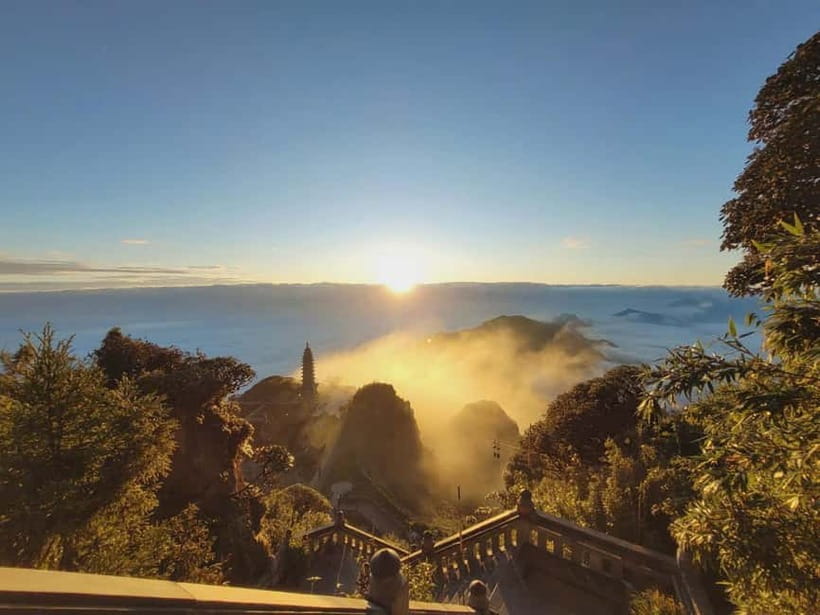
The cable car ride lasts about 20 minutes. On a clear day, you can look across the Hoang Lien Son mountains and see the valleys below. It is an easy way to reach a summit that would otherwise require a far longer climb, making Fansipan accessible even if you are not a serious hiker.
At the upper station, you can visit pagodas and Buddhist statues before climbing the 600 steps to the summit. The steps are the part that catches people off guard. At an altitude of about 3,400 meters, the climb can leave you light-headed, especially in cold or wet conditions.
A monorail is available for people who do not want to walk all 600 steps. Even with that option, bring a jacket. The summit can be cold and windy, and cloudy weather may turn the famous view into a wall of mist. One of the most memorable conditions reported on this trip was reaching the top above a sea of clouds, while other departures saw almost nothing.
That uncertainty is not a flaw in the tour, but it is part of mountain travel. If your main goal is a clear panoramic photograph, build some flexibility into your Vietnam schedule. If you are happy with the cable-car ride, temples, high-altitude air, and the experience of reaching the Roof of Indochina, poor weather does not ruin the entire visit.
The cable-car visit is self-guided. Your driver takes you there and brings you back, but you explore the summit on your own. That gives you freedom, though you will not have a guide beside you to explain each temple or help interpret the site.
Free time in Sapa before returning to Hanoi
After Fansipan, you return to Sapa for lunch at the hotel. You then have free time before boarding the bus back to Hanoi.
This is useful time, but it is not a full afternoon. You can walk around the town, visit the market, sit by the lake, find a cafe, or pick up snacks for the bus. Some people add a separate local spa visit. The schedule can feel packed, so do not plan a long independent excursion during this window.
The return transfer has caused occasional confusion. Some departures have required passengers to change buses, and communication can be difficult when the driver speaks little English. There have also been cases where passengers were left waiting late at night after only part of the group was taken onward.
That does not make the trip unusable, but it does make the contact number important. Keep the coordinator’s messages available, confirm where the Hanoi drop-off will be, and do not assume that every passenger will be delivered directly to a hotel.
What the package includes, and what it does not

The package includes round-trip transport between Hanoi and Sapa, one shared twin or double room, two lunches, dinner, breakfast, the village entrance fee, a local English-speaking guide for the village walk, the return vehicle from the village, and hotel transfers to and from the cable-car station.
The Fansipan cable-car ticket is extra. The listed price is $35 per person, paid locally. Holiday surcharges also apply on April 30, May 1, September 1, 2, and 3, December 24 and 31, and January 1, 2026. The surcharge is listed as 700,000 Vietnamese dong per person and is paid onsite.
The value is strongest if you want convenience. Booking transport, a hotel, meals, a village guide, and local transfers separately would take time, and mistakes could be costly in a short two-day schedule. The value is weaker if you want a high-end hotel, restaurant meals, a private guide throughout, or a relaxed stay in Sapa.
Bring Vietnamese dong because banking systems in Sapa can sometimes fail. U.S. dollars, euros, and Australian dollars are also accepted in town, but local cash is the safer choice for small purchases, toilets, clothing rental, snacks, and unexpected costs.
Who will enjoy this tour most
I would recommend this trip to a first-time visitor who wants a practical introduction to Sapa and Fansipan. It suits people who prefer having the main details arranged, especially transport and the village guide.
It also works for families who like the idea of a sleeper bus and a cable car rather than a long mountain trek. The 600 summit steps can be avoided by monorail, but the village walk still requires steady movement and may include steps.
You should think twice if you dislike long bus journeys, basic group meals, changing transport arrangements, or tight schedules. Independent visitors who have three or more days should consider staying two nights in Sapa. That gives you more time for the town and reduces the feeling of rushing from one included activity to the next.
Should you book the Hanoi to Sapa package?

Book it if you want maximum sightseeing in two days and you value an organized route more than luxury. The best parts are the local guide, the rice-terrace walk, the chance to learn about Hmong life, and the spectacular cable-car approach to Fansipan.
Skip it, or choose a longer Sapa stay, if clear mountain views are essential or if you need polished transport and upscale lodging. Before paying, confirm the bus type, hotel name, exact village route, cable-car cost, holiday surcharge, and Hanoi drop-off plan.
For most short Vietnam itineraries, this is a good-value introduction to northern Vietnam. Just pack for rain, cold, stairs, and a long ride. Mountains rarely promise perfect weather, but Fansipan and the villages can still make the effort worthwhile.
FAQ
How long is the bus journey from Hanoi to Sapa?
The journey takes about six hours each way, with short stops in Phu Tho Province and Lao Cai city. The bus usually does not have a toilet, so carry small Vietnamese notes for the rest stops.
Is the Fansipan cable-car ticket included?
No. The round-trip cable-car ticket costs $35 per person and is paid on arrival. The driver helps you buy it at the station.
How difficult is the Fansipan summit visit?
The cable car makes the ascent easy, but reaching the summit can involve climbing 600 steps. A monorail is available for people who do not want to walk all the steps.
What villages does the tour visit?
The planned route visits Lao Chai and Ta Van villages. Some departures have visited Cat Cat Village instead, so confirm the exact route for your booking.
Is the village walk a serious trek?
It is generally an easy to moderate walk lasting around two and a half to three hours, with stops for photographs and cultural explanations. Some routes include steps, village paths, and uneven ground.
What meals are included?
The package includes two lunches, one dinner, and one breakfast. Food is usually served as Vietnamese meals or set menus, and quality can vary.
What should I bring?
Bring trekking shoes, sunglasses, sun cream, insect repellent, warm clothing, medication, and Vietnamese cash. A jacket is especially useful at Fansipan, where it can be cold and windy.
Just added around Sapa
- Hanoi to Sapa Bus – Private Cabin Bus★ 5.0 · 53 reviews
- Hanoi – Sapa 2 Days 1 Night Overnight At Local Homestay★ 5.0 · 233 reviews
- 2-Night Sapa Tour with Fansipan Peak by Bus from Hanoi★ 4.5 · 23 reviews
- Hanoi – Sapa 3 Days – 2 Nights Trekking with With the locals★ 5.0 · 95 reviews
- Sapa – Ha Giang Loop Tour 5 days 4 nights★ 5.0 · 24 reviews
- 3-Night Sapa Trek and Homestay with Round Trip Transfer from Hanoi★ 4.5 · 37 reviews
- 3-Days in Sapa with Overnight at 4 Star Hotel & Bungalow★ 5.0 · 27 reviews
- 2 days Amazing trekking Sapa from Hanoi with various options★ 4.5 · 53 reviews
Sapa Tours, compared.
Sapa 2 Days 1 Night From Hanoi – Overnight in Ta Van Village
Read our review →
Sa Pa: Muong Hoa Valley Trek and Local Ethnic Villages
Read our review →
Fansipan Cable, Cat Cat Village & Moana Instagram Tour
Read our review →

Eco Adventure Terrace Fields and Local Villages Trek
Read our review →
2-Day Sa Pa Ethnic Homestay Tour & Trek with Limousine Bus
Read our review →
1-Day Guided Trek to Lao Chai & Ta Van with Lunch
Read our review →
3-Day Ha Giang Loop with Safe Rider (max 8 pax)
Read our review →Browse the lists this tour appears in