

Reviewed · SAPA TOURS
From Hanoi: 2-Day Overnight Sapa Tour by Limousine
Sapa’s best moments come on foot, when the road gives way to rice terraces, village paths, and views across the Muong Hoa valley. This two-day trip gets you there without the hassle of arranging trains, hotels, local transfers, and guides yourself. I especially like the small shared limousine and the chance to visit several Black H’mong and Dzay villages in one compact trip.
I also like the overnight stay, since rushing back to Hanoi after a day in the mountains would miss much of Sapa’s appeal. The main caution is the long, slippery trek, plus some uneven organization at pickup and possible confusion over the vehicle used for the Hanoi transfer.
Key points to know before booking
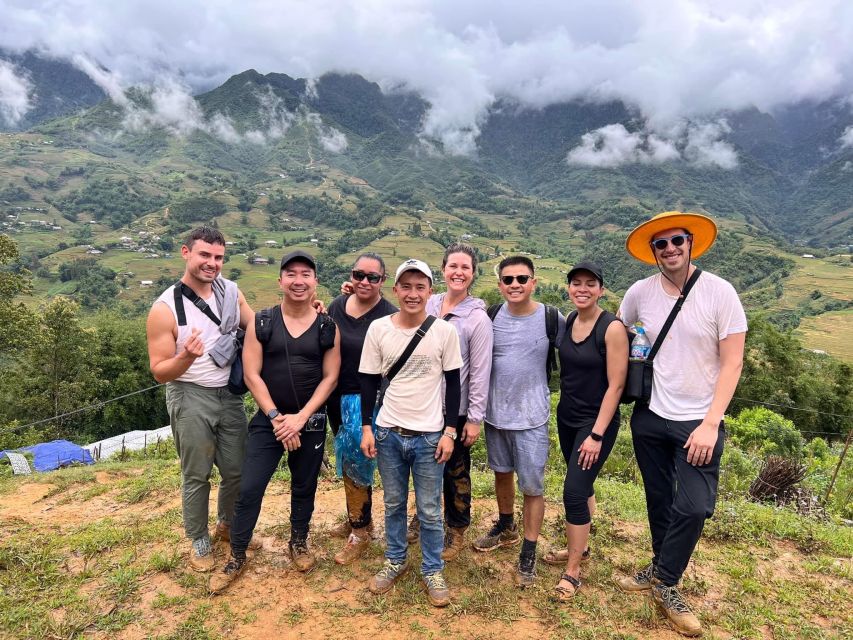
- The second day is the main event: The route from Y Linh Ho through Lao Chai to Ta Van covers about 9 kilometers and includes steep, muddy sections.
- You visit four named villages: Sin Chai is the shorter first-day walk, while Y Linh Ho, Lao Chai, and Ta Van form the longer second-day route.
- Your guide matters: The Sapa guide leads the walks and explains local customs. Guide Ai receives particular praise, and Lala is also singled out positively.
- The price covers the basics: At $150 per person, you get round-trip transport, one hotel night, meals, local transfers, guide services, and entry tickets.
- Transport details need checking: The experience is sold with a 9-seater limousine, but some arrangements have used a sleeper bus, so confirm the vehicle before departure.
- Sapa weather changes fast: Pack warm layers, good shoes with grip, a hat, insect repellent, and cash in Vietnamese Dong.
Why this two-day route works
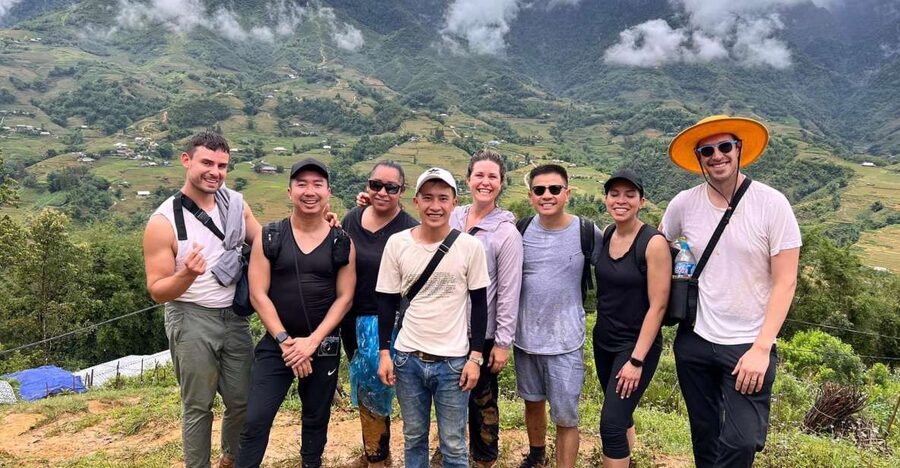
Sapa is roughly a six-hour road journey from Hanoi, so a day trip would be punishing. This overnight plan gives you enough time for two walks, a hotel night, and a little evening time in town.
The route is designed for people who want mountain scenery and cultural contact without booking every piece separately. You do not need to arrange a hotel in Sapa, find a local guide, or work out how to reach the villages. The tradeoff is that you follow a set schedule, and the two days are full.
At $150 per person, the value depends on what you want from Sapa. The price includes shared round-trip transport, local transfers, a 3 or 4-star hotel depending on your chosen option, one breakfast, two lunches, one dinner, entrance tickets, and an English-speaking guide. Drinks and personal spending are extra.
That is a fair package for a short visit, especially if you would otherwise pay separately for a hotel, private transfers, and a village guide. It is less appealing if you already have your own transport or prefer to stay several nights and walk at your own pace.
More 2-Day Trips in Sapa:
- Sapa 2 Days 1 Night From Hanoi – Overnight in Ta Van Village
★ 5.0 · 2,669 reviews - Hanoi – Sapa 2 Days 1 Night Overnight At Homestay
★ 5.0 · 899 reviews - From Hanoi: 2-Day Sapa Trekking Trip with Homestay & Meals
★ 4.8 · 704 reviews
The six-hour ride from Hanoi to Sapa
Pickup is scheduled around 6:30 to 7 AM from hotels in Hanoi’s Old Quarter, in the Hoan Kiem district. The road trip takes about six hours and includes two stops for restrooms and a light meal if you need one.
The advertised vehicle is a shared 9-seater limousine. That usually means wider seats and more legroom than a standard minibus, and the comfortable seating is one of the stronger points of this trip. Still, check the current arrangement before you leave. Some departures have used a sleeper bus instead, and the quality of that ride can vary. One account described a comfortable modern bus, while another found a sleeper bus dirty and unpleasant.
You should also allow some patience at pickup. Most transfers are reported as punctual, but there have been cases of long waits, unclear communication, and a vehicle arriving without enough seats during the Hanoi collection process. The driver may not speak English, so keep your confirmation details and the local contact number handy.
This is not a minor detail. A six-hour road journey feels very different when you know where you are going and when the next stop will be. Once in Sapa, the arrangements become clearer because the local guide takes over.
Sin Chai village on the first afternoon
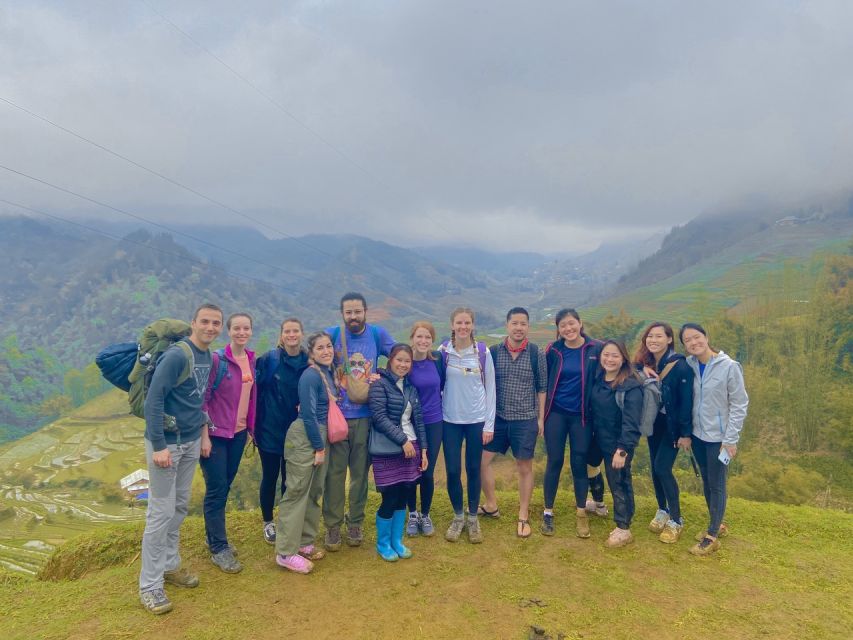
After arriving in Sapa, you have lunch at the hotel restaurant, check in, and rest before the afternoon walk. That pause matters after the early start and long drive.
The first trek heads southwest for about 4 kilometers toward Sin Chai, a village associated with the Black H’mong people. It lies more than 2 kilometers from central Sapa and is described as simple and rustic, with a quieter highland feel than the town.
You can expect a mixture of village paths, mountain views, and an introduction to local daily life. The walk is shorter than the following day, so it serves as a useful first look at the area without using all your energy at once.
Keep your expectations sensible. Sapa’s most accessible village visits can feel arranged for tourism, and one account found the first-day village stop less authentic than the second-day villages. That does not make it worthless. The scenery remains attractive, and the stop helps you understand the setting before the longer walk.
A van brings you back to the hotel after the trek. You can freshen up before dinner, then spend the evening exploring Sapa on your own. The suggested local treats include roasted corn and baked eggs cooked beside charcoal fires. Shopping is another option, though personal purchases are not included in the tour price.
The Muong Hoa valley trek
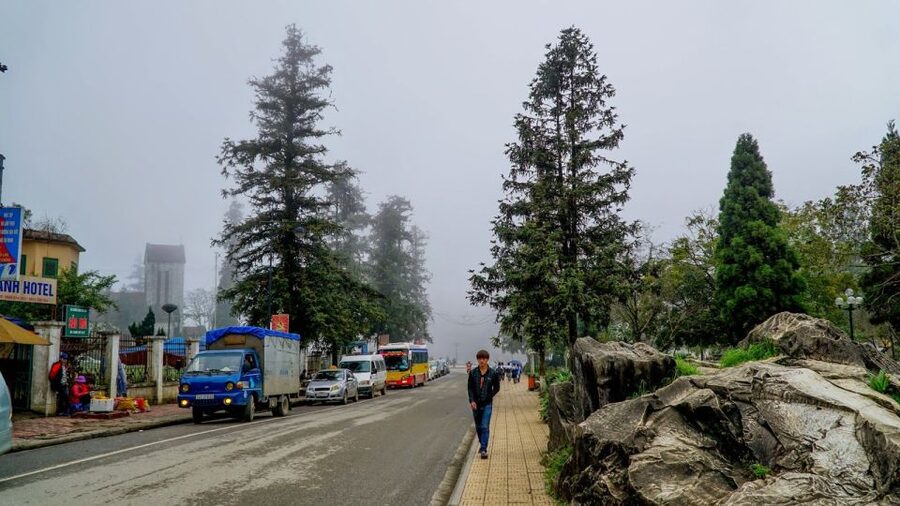
The second morning begins with breakfast at the hotel. The long route heads southeast from Sapa, following the side of the Muong Hoa valley toward Y Linh Ho.
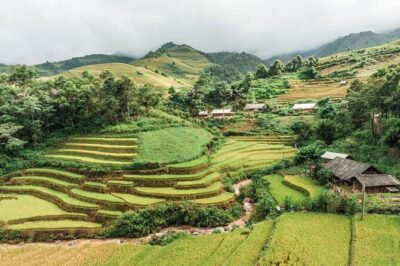
The first section is about 6 kilometers to Y Linh Ho, a Black H’mong village. From there, you continue for around 2 kilometers to Lao Chai, then walk through terraced rice fields toward Ta Van, home to the Dzay minority community. The total trek is about 9 kilometers.
This is the part of the trip that gives you the strongest sense of Sapa’s setting. You move through changing views instead of simply stopping at roadside viewpoints. Rice terraces, valley slopes, village homes, and narrow paths provide the visual rhythm.
Ta Van is especially useful for learning about local house design, family life, and customs. Your guide can add context that you would miss by walking alone. The local guide support is one of the best features of the arrangement, and the strongest praise goes to guides who stayed close to the group, explained village life clearly, and helped people over difficult sections.
Guide Ai is named as an especially capable leader, described as confident, informative, and helpful in each village. Lala also receives warm praise. You cannot request that a particular guide will lead your departure, but it is worth asking who your guide will be when the company confirms your trip.
A few more Sapa trips worth comparing
- Sa Pa: Muong Hoa Valley Trek and Local Ethnic Villages
★ 4.6 · 864 reviews - Sapa: Fansipan Cable, Cat Cat Village & Moana Instagram Tour
★ 5.0 · 777 reviews - Sapa 3 Days 2 Nights Trekking Tour (1 Night In Ta Van Village, 1 Night In Hotel)
★ 5.0 · 699 reviews - Sapa: Eco Adventure Terrace Fields and Local Villages Trek
★ 4.9 · 636 reviews
How hard is the 9-kilometer walk?
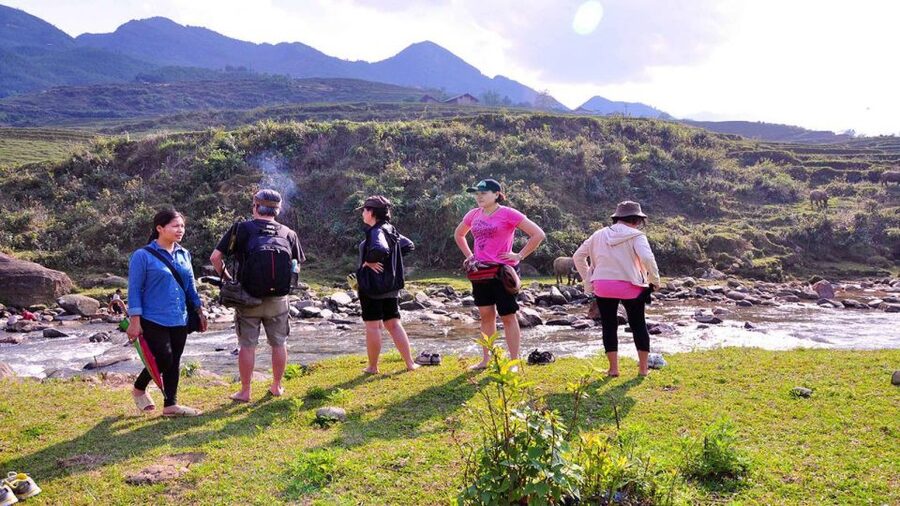
You should treat day two as a proper hike, not a gentle village stroll. The route can be slippery, particularly after rain, and good shoes with firm grip are important. Sandals and smooth-soled trainers are poor choices.
The walk is not suitable for people with mobility impairments or wheelchair users. Older people are specifically advised against taking the long route because it can become difficult and unsafe in wet weather.
If you decide not to do the full trek, the tour leader can arrange another visit. You will need to pay for any alternative tickets and transport yourself. Ask about this before the walk begins so you understand the cost and the available choice.
Local women may walk with you for part of the route and offer help on the paths. This can be useful on muddy or steep sections, but you should know that they may try to sell handicrafts at the end. Bring a polite but firm answer if you do not want to buy anything.
The guide’s job is to explain local culture, not to turn every encounter into a sales stop. If you feel pressured, keep your response courteous and clear.
Hotel nights, meals, and evening time

The overnight stay is in a 3 or 4-star hotel, depending on the option selected. Accommodation quality appears to vary by departure, but the Relax Hotel is described as comfortable, and another account called the 3-star property better than expected.
Your room gives you a proper place to recover after the first walk. That is a major advantage over a same-day trip, where you would still face the long drive back to Hanoi after hiking.
Meals included are one breakfast, two lunches, and one dinner. Lunch is scheduled at the hotel after arrival on day one, and dinner is served around 6 PM. Local cuisine is part of the package, but drinks are not, so budget for water and other beverages.
The schedule lists dinner on day two as well, but the inclusion details specify only one dinner. Treat the included-meal list as the safer guide and confirm the exact meal plan before departure.
After dinner on the first evening, you have free time in Sapa. This is not a full evening cultural program, but it gives you a chance to walk around town, shop, or try roasted corn and baked eggs from a charcoal fire.
Weather, packing, and cash
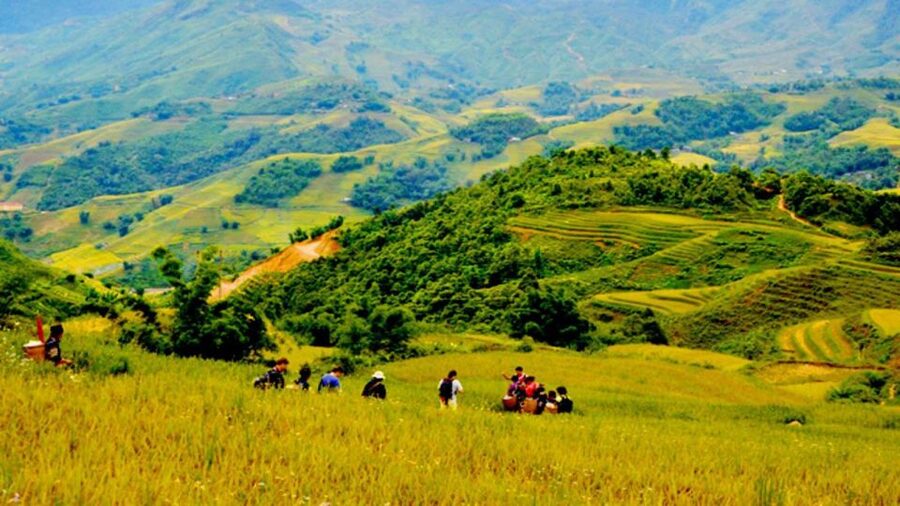
Sapa weather is unpredictable. From September through March, it is normally cold, and fog can be common from December through March. Fog may soften the views, but it can also hide the mountains and make paths feel more difficult.
Pack layers rather than one heavy coat. A warm jacket, scarf, hat or cap, and dry socks are useful. You should also bring sunglasses and a sun hat because clear weather can be bright at altitude.
The practical packing list is short:
- Comfortable walking shoes with good grip
- Warm clothing and a rain-ready outer layer
- Sunglasses and a sun hat
- Insect repellent
- Passport or ID card
- Any medicine you may need
- Camera
- Vietnamese Dong in cash
Banking systems in Sapa can sometimes fail, so do not rely entirely on cards. US Dollars, Euros, and Australian Dollars are also accepted in Sapa, but Vietnamese Dong is the safest choice for small purchases.
Bring medicine from Hanoi if you need regular treatment. Sapa has some chemists, but you may not find exactly what you need.
The return to Hanoi
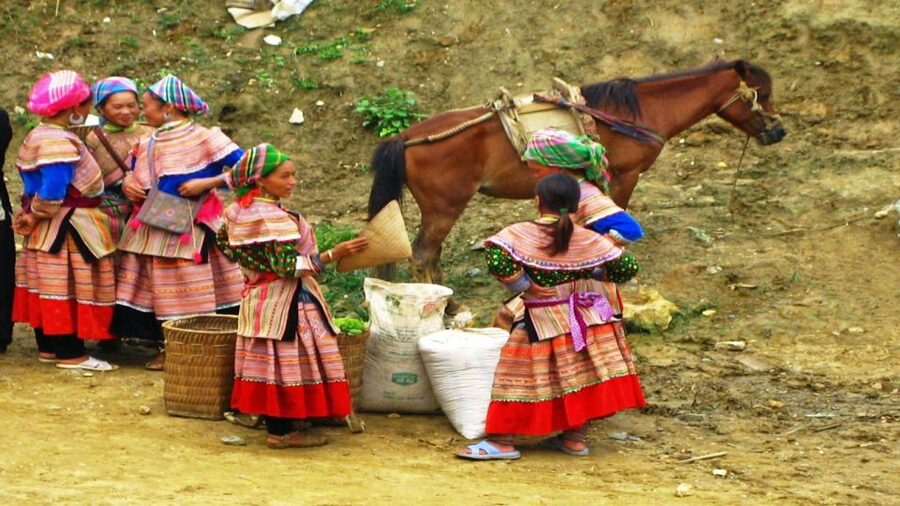
After the second trek, you return to the hotel at about 2 PM to pack and prepare for departure. The shared vehicle leaves Sapa around 2:30 PM, arriving back in Hanoi at about 8:30 to 9 PM.
This timing makes the tour practical for people with limited time, but it leaves little room for delays. Do not schedule an important flight or train immediately after the expected arrival. Road conditions, traffic, and pickup complications can all affect the final timing.
The return journey is long, but the afternoon departure means you use most of the second day for the main walk. That is the right tradeoff for this itinerary.
Who should book this Sapa trip?
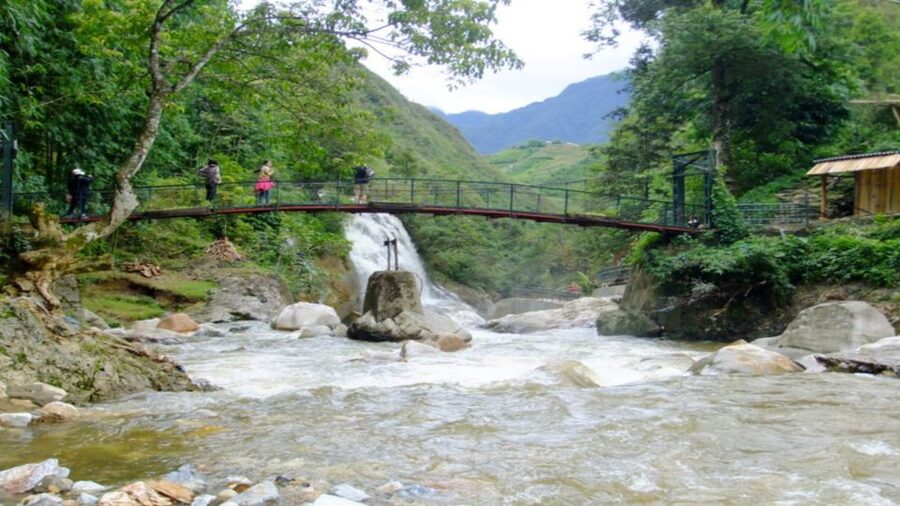
I would choose this tour if you want to see Sapa in two days and prefer a ready-made package. It suits reasonably fit visitors who enjoy walking, do not mind shared transport, and want a guide to explain the Black H’mong and Dzay communities.
It is also a good fit if you are traveling alone and want local transport, accommodation, and a walking group arranged for you. Solo visitors should note that a single supplement applies if they want a private room.
I would choose a longer independent stay instead if you want flexible walking days, quieter village time, or more control over your hotel and transport. I would also avoid this trip if steep paths, muddy ground, or six-hour road journeys are likely to cause problems.
Pickup service is included only for hotels in Hanoi’s Old Quarter. The tour is not suitable for wheelchair users or people with mobility limitations. Pets are not allowed.
Cancellation is flexible up to 24 hours before departure for a full refund, and you can reserve now and pay later. That helps if your Hanoi plans are still changing.
Should you book it?
Book this tour if your priority is seeing the main Sapa villages with minimal planning. The two-day format, included hotel, local guide, and second-day walk offer good value at $150, especially for a first visit.
Go in with realistic expectations. The first village stop may feel more tourism-focused, pickup can be disorganized, and the transport may not always match the limousine description. The real reward comes on the second day, when you walk from Y Linh Ho through Lao Chai to Ta Van and gain a better sense of life in the valley.
Bring proper shoes, warm layers, cash, and patience. If you can handle the hike, this is a practical way to reach Sapa’s mountain scenery and village communities without spending several days arranging the details yourself.
FAQ
How long is the tour from Hanoi to Sapa?
The tour lasts two days. The drive from Hanoi to Sapa takes about six hours each way, with the return to Hanoi expected around 8:30 to 9 PM on day two.
Where does pickup take place in Hanoi?
Pickup is included from hotels in Hanoi’s Old Quarter, in the Hoan Kiem district. The planned pickup time is around 6:30 to 7 AM.
What type of transport is used?
The experience is described as round-trip shared transport in a 9-seater limousine. Some arrangements have used a sleeper bus, so you should confirm the vehicle details before departure.
Which villages does the tour visit?
The itinerary includes Sin Chai on day one, followed by Y Linh Ho, Lao Chai, and Ta Van on day two.
How long is the second-day trek?
The second-day route is about 9 kilometers in total. It travels from Sapa toward Y Linh Ho, continues to Lao Chai, and finishes at Ta Van.
Is the trek suitable for people with limited mobility?
No. The experience is not suitable for people with mobility impairments or wheelchair users. Older people are advised not to take the long trek because it can be challenging and dangerous in rain.
What meals are included?
The included meals are one breakfast, two lunches, and one dinner. Drinks and personal expenses are not included.
What happens if I do not want to take the long trek?
The tour leader can arrange a visit to another place. You are responsible for the tickets and transportation fees for that alternative.
Just added around Sapa
- Hanoi to Sapa Bus – Private Cabin Bus★ 5.0 · 53 reviews
- Hanoi – Sapa 2 Days 1 Night Overnight At Local Homestay★ 5.0 · 233 reviews
- 2-Night Sapa Tour with Fansipan Peak by Bus from Hanoi★ 4.5 · 23 reviews
- Hanoi – Sapa 3 Days – 2 Nights Trekking with With the locals★ 5.0 · 95 reviews
- Sapa – Ha Giang Loop Tour 5 days 4 nights★ 5.0 · 24 reviews
- 3-Night Sapa Trek and Homestay with Round Trip Transfer from Hanoi★ 4.5 · 37 reviews
- 3-Days in Sapa with Overnight at 4 Star Hotel & Bungalow★ 5.0 · 27 reviews
- 2 days Amazing trekking Sapa from Hanoi with various options★ 4.5 · 53 reviews
Sapa Tours, compared.
Sapa 2 Days 1 Night From Hanoi – Overnight in Ta Van Village
Read our review →
Sa Pa: Muong Hoa Valley Trek and Local Ethnic Villages
Read our review →
Fansipan Cable, Cat Cat Village & Moana Instagram Tour
Read our review →

Eco Adventure Terrace Fields and Local Villages Trek
Read our review →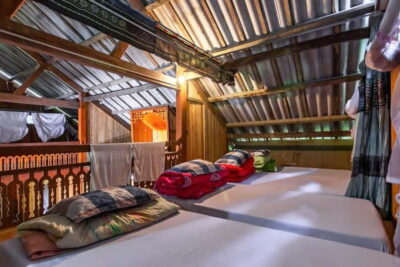
2-Day Sa Pa Ethnic Homestay Tour & Trek with Limousine Bus
Read our review →
1-Day Guided Trek to Lao Chai & Ta Van with Lunch
Read our review →
3-Day Ha Giang Loop with Safe Rider (max 8 pax)
Read our review →Browse the lists this tour appears in