
Reviewed · COOKING CLASSES
Cooking class with market visit
Hanoi’s food culture makes the most sense when you see the ingredients before they reach the pan. This four-hour experience begins with a market visit, then moves to a hands-on cooking class and a shared meal in a home set in a quiet garden. The cooking is only half the point. You also learn why particular ingredients and methods matter in Hanoian food.
I like the market-to-table format, especially because the guide may buy items for you to taste back at the cooking venue. I also like the personal scale: this is a private activity for your own group, and guides such as Oanh, also called Nikita, and Lana bring in stories about food, family life, and Vietnam. The main consideration is that the market visit can be fairly brief, so you should book this for a cultural cooking experience, not for a long market tour.
Key points at a glance

- A real market introduction: Begin by seeing and discussing ingredients before cooking them.
- Hands-on recipes: You prepare food rather than simply watching a demonstration.
- Private group setting: Only your group takes part, which allows for a more personal pace.
- Hanoian food focus: Classes have included bun cha, nem, pho, and summer rolls, though the dishes may vary.
- A garden setting: Finish with the meal you prepared in a welcoming house surrounded by a cozy garden.
- Practical planning: The experience lasts about four hours, costs $55 per person, offers pickup, and allows free cancellation up to 24 hours ahead.
Why this Hanoi cooking class feels different
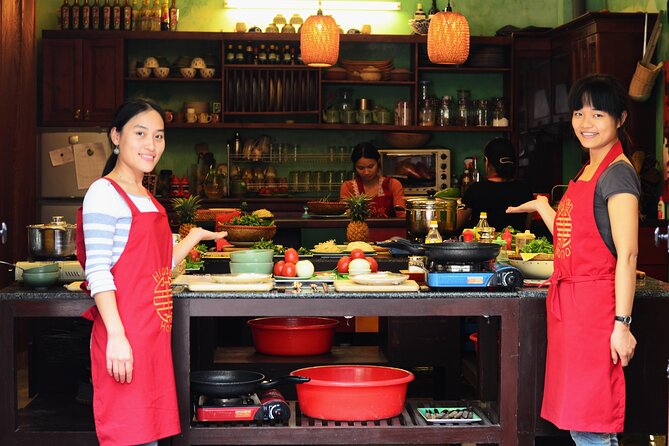
Many cooking classes reduce costs by having you watch an instructor prepare the food. Hidden Hanoi takes a more active route. You visit a market, talk about what you see, help prepare the dishes, and then sit down to eat what you made.
That order matters. A spring roll or bowl of noodles can seem simple when it arrives at a restaurant table. Once you have handled the ingredients, learned how they are combined, and heard why they are used, the dish becomes easier to understand. You leave with more than a recipe. You have a better sense of how food fits into daily life in Hanoi.
The class is also designed as a culture exchange. Guides explain how and why people cook, rather than treating Vietnamese food as a list of techniques. Oanh, who is also known as Nikita, has been praised for bringing in personal stories and information about Vietnam, food habits, and family life. Lana has also led sessions, adding her own stories about Hanoi and the country.
That means your experience can vary slightly depending on who leads the class. The common thread is a friendly, conversational approach rather than a formal culinary-school lesson.
More Cooking Classes in Hanoi
- Hanoi Cooking Class: Culture, Local Market & Meaning CSR Impact
★ 5.0 · 5,147 reviews - 5 Traditional Dishes Hanoi Cooking Class with Market Trip
★ 5.0 · 4,890 reviews - Vietnamese Food Cooking Class in Hanoi with Market Experience
★ 5.0 · 778 reviews
Meeting your guide and getting oriented
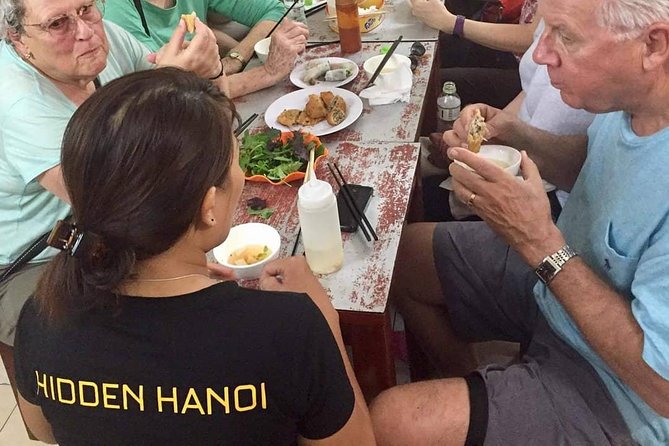
The meeting point is intended to be easy to find. Your guide wears a Hidden Hanoi shirt with the company name and logo, giving you a clear person to look for when you arrive.
Pickup is offered, and some bookings include door-to-door car service. You should confirm the pickup details when you book, since the information provided does not state that every reservation includes transport from every Hanoi address.
This opening can be useful if you are new to Hanoi. One guide even used the first part of the outing to explain how to cross the road safely. That is a small but worthwhile touch in a city where traffic can feel confusing at first.
The class is near public transportation, so you are not dependent on a private vehicle. Still, if pickup is available for your booking, it may be worth using it. The experience already includes several stages, and a straightforward start helps you settle into the morning or afternoon.
The market visit: short, useful, and connected to the meal
The market stop gives the class its local context. Instead of beginning with bowls, knives, and premeasured ingredients, you first see the kind of food being selected for the meal.
The visit is described as brief, but it is not merely decorative. Your guide explains the market and may choose ingredients for the class. If you ask, the guide may also buy additional items for you to taste later at the cooking venue.
That extra tasting opportunity can be useful. Vietnamese markets are full of unfamiliar produce, herbs, sauces, and snacks, and it is not always clear what something is or how it is eaten. Having a guide identify items and connect them to the recipes gives the market visit a clear purpose.
I would set your expectations correctly. This is not a long, free-form market walk with plenty of time for shopping. The emphasis is on understanding ingredients for the class. If you want a detailed market photography session or a long street-food crawl, this may feel too short.
The market can also be a lively sensory experience, so keep an open mind. You may encounter foods and displays that are unfamiliar. The value here comes from having someone explain what you are seeing and how it fits into local cooking.
Cooking bun cha, nem, pho, and summer rolls
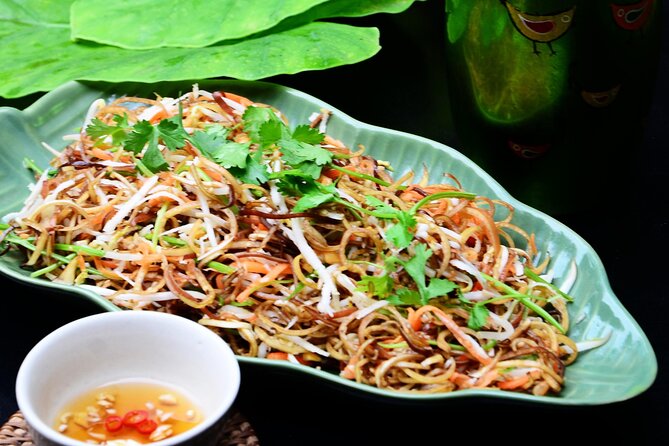
The exact menu can vary, but the classes have included several well-known Vietnamese dishes. Bun cha, the grilled pork and noodle dish associated with Hanoi, has been a popular choice. Nem, or Vietnamese fried spring rolls, has also been prepared in class.
Other sessions have focused on pho and summer rolls. These recipes offer different lessons. Pho introduces broth, noodles, herbs, and balance. Summer rolls show how fresh ingredients can be wrapped and combined without heavy cooking. Bun cha and nem give you more practice with seasoning and preparation before the final meal.
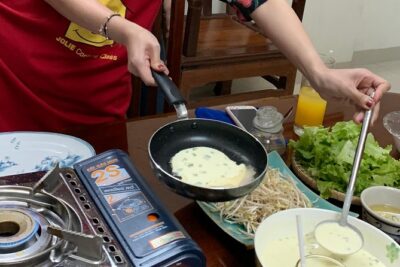
The important point is that you take part. You are not simply watching a cook assemble everything while you stand nearby. The experience is intended to teach you how to prepare the food, with clear instruction along the way.
That makes this a good choice for mixed-age groups. A booking with two adults and two teenagers was described as especially enjoyable because everyone could help prepare the food. You do not need to be an experienced cook. The class is built around guidance, conversation, and eating together afterward.
At the same time, you should not treat this as a professional cooking course. The four-hour format must cover the market, instruction, preparation, and meal. You will gain practical insight into the dishes, but the class is aimed at enjoyment and cultural learning rather than advanced culinary training.
More Market Tours in Hanoi
- Hanoi: 5 Local Dishes Cooking Class with Meal & Market Visit
★ 5.0 · 420 reviews - Hanoi Cooking Class and Market Tour in Ancient House
★ 5.0 · 379 reviews - Rose Kitchen Hanoi: Market, Cooking & Culture Tour + Free PickUp
★ 5.0 · 342 reviews - Hanoi Maya Kitchen: Traditional Cooking Class & Market Tour
★ 5.0 · 287 reviews
Learning the reasons behind Vietnamese food
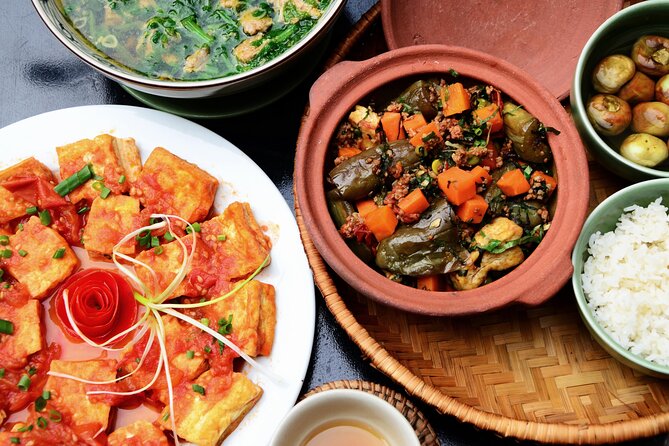
The strongest part of the experience is the explanation around the recipes. You learn not just what goes into the food, but how and why it is prepared.
That can include the connection between ingredients and everyday food habits, along with stories about Hanoi and Vietnam. Oanh, known to some visitors as Nikita, has been particularly good at making the class feel like a meal with friends rather than a stiff demonstration. Lana has also been described as friendly and full of useful information.
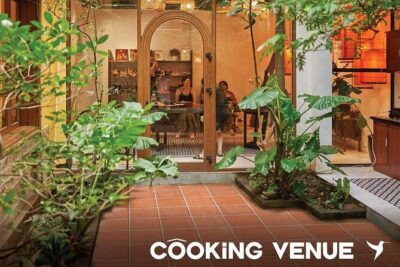
The setting helps. Rather than ending with a rushed sample at a workbench, you eat the meal you helped prepare in a house with a cozy garden. This turns the class into a social occasion. You have time to sit, talk, and enjoy the results.
I value this kind of setting because it gives the food a place and a rhythm. Vietnamese cooking is not only about a recipe card. It is also about sharing dishes, balancing flavors, and making time for conversation. The meal at the end lets you experience that part directly.
There is a practical benefit, too. You can ask questions while eating. If a flavor or texture surprises you, the guide is there to explain it. That kind of immediate context is often more useful than taking home a printed recipe without knowing how the dish should taste.
What the $55 price includes in real terms
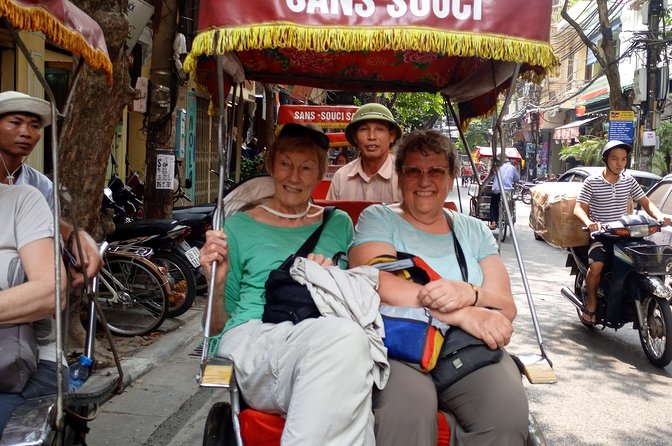
At $55 per person, this is not the cheapest way to eat in Hanoi. Street food can cost far less, and a restaurant meal will usually take less than four hours.
The value comes from the full sequence: a guided market visit, ingredient explanations, active preparation, cultural conversation, and a meal in a private setting. Pickup may also be available, which adds convenience if it applies to your booking.
For a private group, the price is easier to justify. Only your own party participates, so the instructor can answer personal questions and adjust the pace to your group. Families, couples, and small groups who want time with a guide may get more from this than from a large class built around watching.
The price is less attractive if you mainly want to eat. You can find cheaper food elsewhere, and the market visit is not long enough to serve as a separate market tour. Book it because you want to learn and participate, not simply because you are looking for lunch.
The experience is generally booked about six days in advance. That is useful planning information, particularly if you want a specific date or need pickup. I would reserve ahead rather than wait until the last day of your Hanoi stay.
Private groups, families, and first-time cooks
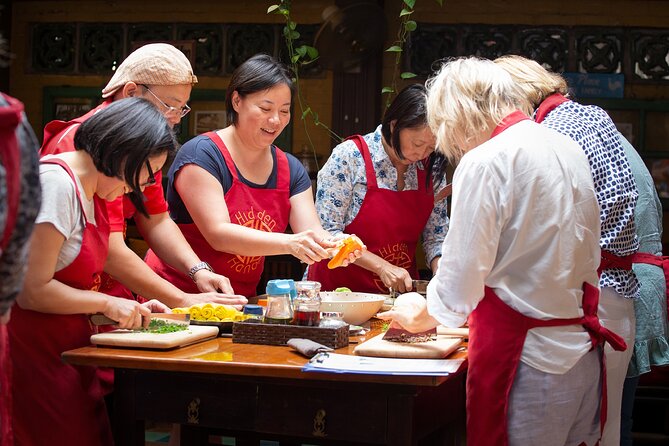
The private format is one of the clearest advantages. You are not placed into a larger public group, and only your party takes part. That can make the class more relaxed for families, couples, or friends with different levels of cooking experience.
Families with teenagers may find the hands-on work more engaging than a standard sightseeing stop. Everyone can have a task, and the finished meal gives the group a shared goal.
It also suits first-time cooks. The emphasis is on clear instruction and a pleasant meal, not on showing off technical skill. If you enjoy asking questions, trying unfamiliar ingredients, and learning through conversation, you are likely to appreciate the format.
I would be more cautious if you dislike group participation, food preparation, or unfamiliar ingredients. Even though your booking is private, it remains a social activity with a guide. You will get more from it if you are willing to take part rather than watch from the side.
Most people can participate, according to the activity information. No special cooking background is required. Specific details about dietary restrictions, allergies, or menu substitutions are not provided, so you should ask Hidden Hanoi about those before booking if they affect your meal.
Timing, weather, and cancellation details
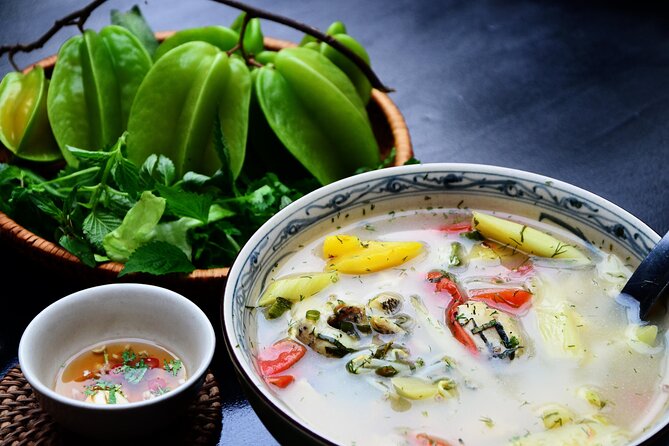
Plan on about four hours from start to finish. That is long enough for the market, cooking, and meal, but it also means this is not a quick activity to squeeze between two tightly timed visits.
Because the experience includes an outdoor market visit, it requires good weather. If poor weather causes a cancellation, you will be offered another date or a full refund.
You can cancel for a full refund up to 24 hours before the start time. Changes or cancellations made less than 24 hours ahead are not accepted for a refund. The experience also requires a minimum number of participants, and if that condition is not met, you will be offered another date or experience, or a full refund.
Confirmation is sent at booking, and a mobile ticket is available. These details make the activity easy to keep on your phone while moving around Hanoi.
How to get the most from the experience
I would book this early in your Hanoi stay if you can. The class gives you an introduction to local ingredients and dishes that may help you make better food choices during the rest of your visit.
Wear something comfortable for cooking and choose footwear suited to walking through a market. The supplied information does not give a dress code, so simple practical clothing is the safest choice.
Bring questions. Ask what an ingredient is used for, how a dish changes from home cooking to restaurant cooking, or what you should look for when ordering the same food elsewhere. The guides are part of the value, and the conversations about daily life are a major reason to choose this activity.
If you have a strong interest in one dish, mention it when booking or before the class begins. Bun cha, nem, pho, and summer rolls have all featured in different sessions, but the available menu is not guaranteed to be identical each time.
Finally, leave room in your schedule afterward. The class lasts around four hours, and the shared meal is part of the experience rather than a quick final taste.
Should you book this Hanoi cooking class?
Book it if you want a hands-on food experience with cultural context, a private group, and a proper meal at the end. It is especially well suited to couples, families, small groups, and anyone who wants to understand Hanoi through its ingredients and cooking habits.
The strongest reasons to choose it are the market connection, the personal guides, and the chance to prepare dishes instead of only watching. The garden setting and shared meal give the experience a warm finish.
Skip it if your main goal is a long market tour, a cheap meal, or advanced chef training. The market visit is fairly short, the dishes can vary, and the $55 price reflects instruction and personal attention rather than food alone.
For most visitors who value food, conversation, and a little participation, Hidden Hanoi offers a useful and memorable way to spend four hours in the city.
FAQ
How long does the cooking class with market visit last?
The experience lasts approximately four hours, including the market visit, cooking instruction, preparation, and shared meal.
How much does the experience cost?
The listed price is $55 per person.
Is pickup available?
Pickup is offered. Some bookings may include door-to-door car service, so confirm the details for your reservation.
Is this a private activity?
Yes. Only your group participates in the activity.
What dishes might be prepared?
Past class menus have included bun cha, nem, pho, and summer rolls. The specific dishes can vary by session.
Can I cancel for a full refund?
Yes. You can cancel at least 24 hours before the experience start time for a full refund. Cancellations or changes made less than 24 hours ahead are not accepted for a refund.
What happens if bad weather cancels the experience?
If poor weather causes a cancellation, you will be offered a different date or a full refund.
Just added around Hanoi
- Hoa Lo Prison and Little Paris Tour in Hanoi (French Quarter)★ 5.0 · 20 reviews
- Private Crowd Free Hanoi: Morning Highlights of the City Experience★ 4.5 · 124 reviews
- Hanoi’s Old Quarter Street Food Experience and Train Street★ 5.0 · 22 reviews
- Old Quarter Food Tour in Hanoi★ 5.0 · 104 reviews
- Retro Hop-on-hop-off Bonbon City Tour: Classic Package★ 4.0 · 32 reviews
- [Hi-end] Private Hanoi Street Food Tour With Real Foodie★ 5.0 · 154 reviews
- Hanoi Street Food Tour★ 5.0 · 27 reviews
- Hanoi Street Food Tour with egg coffee making★ 5.0 · 22 reviews
Cooking Classes, compared.

Hanoi Cooking Class: Culture, Local Market & Meaning CSR Impact
Read our review →
Cooking Class Hoi An:Local Market, Basket Boat, Fishing & Cooking
Read our review →
Mekong Delta Boat,Khotcake cooking Coconut Village,SmallGroup
Read our review →
Mekong Delta 4 Islands, TukTuk, Boat, Try Khot Cake Local Cooking
Read our review →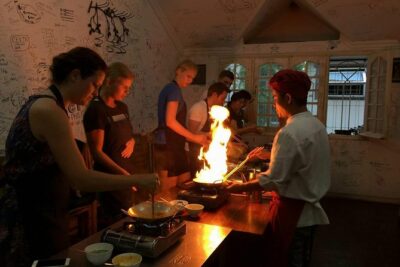
Chef Vu Cooking Class Plus Market Trip in Saigon Center (Pick up by Cyclo)
Read our review →
Hanoi Cooking Class: Pho/Bun Cha/Banh Xeo…+Free Egg/Salt Coffee
Read our review →Browse the lists this tour appears in