

Reviewed · WAR HISTORY TOURS
Hoa Lo Prison and Little Paris in Hanoi
Hanoi’s French Quarter gives you a different side of the city: broad streets, grand colonial buildings, quiet corners, and the striking contrast of Hoa Lo Prison. This 3.5-hour walk links architecture with Vietnam’s long struggle for independence, so you see more than pretty façades.
I like the small group of no more than 10 and the local guides, especially Van, Lisa, and Julia, who bring personal stories and everyday Hanoi advice. I also like that Hoa Lo Prison entry, coffee, water, and Old Quarter hotel pickup are included.
The main drawback is the walking. Hanoi can be hot, and the tour is not suitable for people with heart problems. Wear good shoes, carry sunscreen, and remember that hotel drop-off is not included.
Key points to know before booking
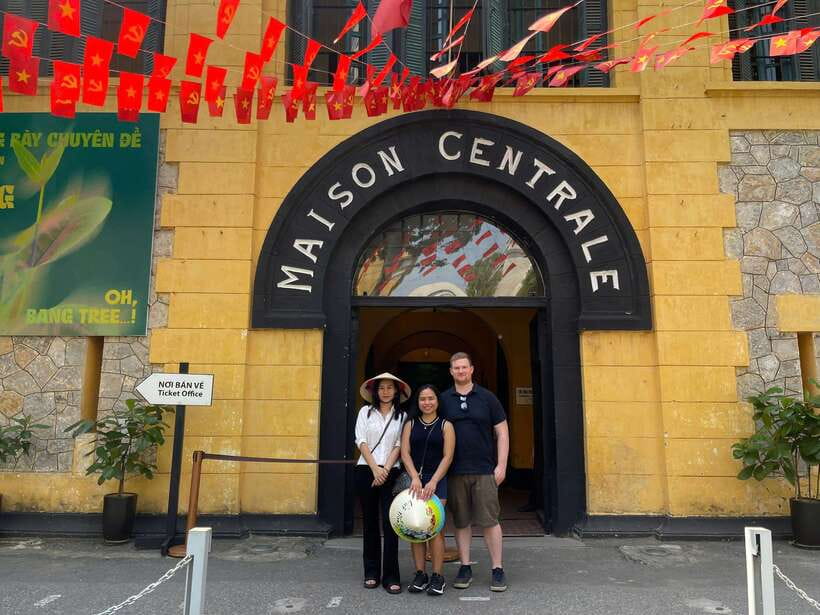
- Hoa Lo Prison gives the walk its emotional weight, adding Vietnam’s independence struggle to the French Quarter’s grand architecture.
- The route includes major landmarks such as the State Bank, Tonkin Palace, Hanoi Opera House, St. Joseph’s Cathedral, and the National Museum of History area.
- Guides Van, Lisa, Julia, and the wider local team are known for clear history, warm conversation, food suggestions, and stories about daily life.
- The group is capped at 10 people, which makes questions and conversation easier than on a large city tour.
- Vietnamese coffee is included, along with a bottle of water and Hoa Lo Prison admission.
- The $40 price is reasonable if you want both a guided city walk and a museum-style historical visit in one morning or afternoon.
Why the French Quarter works best with a local guide

The French Quarter is easy to walk through, but less easy to understand. You can admire the grand buildings on your own, yet the meaning of the area comes from the links between architecture, colonial rule, Vietnamese resistance, and modern Hanoi.
That is where this tour earns its keep. Your guide explains how Hanoi’s French-influenced buildings fit into the city’s story, then connects those sights to the struggle for independence and the later conflict known in Vietnam as the Vietnam War.
You also get a more personal layer. The guides are young locals, including Nam, Van, Lisa, and Julia. Their role is not limited to naming buildings. They also share local life, food ideas, and stories that you would not find by simply reading signs or following a map.
I would choose this walk early in a Hanoi stay. It helps you understand the city’s central districts before you start exploring on your own. It also gives you useful restaurant and coffee suggestions, especially if you ask Lisa or another guide what to eat after the tour.
More War History Tours in Hanoi
- Vietnam War: Uncovering Hanoi’s Untold Stories
★ 5.0 · 142 reviews - (Private) Hanoi War Sites Tour
★ 5.0 · 105 reviews - From Hanoi: Full-Day City Tour with Hoa Lo Prison |Optional Lunch
★ 5.0 · 54 reviews
Starting at the Ly Thai To Statue
You can begin at the Emperor Ly Thai To Monument Statue, or arrange pickup from a hotel or stay in Hanoi’s Old Quarter. If you choose hotel pickup, be ready in the lobby. The guide checks your name at reception.
The statue meeting point is practical for anyone already near Hoan Kiem Lake and the Old Quarter. It also avoids the need to arrange a taxi across town. Pickup is limited to the Old Quarter, so you should not expect transport from other parts of Hanoi.
This is a walking tour from the start. Bring a hat, sunscreen, a camera, and comfortable shoes. A bottle of water is included, but Hanoi’s heat can still make the route tiring. I would avoid carrying a heavy bag.
State Bank of Vietnam and Tonkin Palace
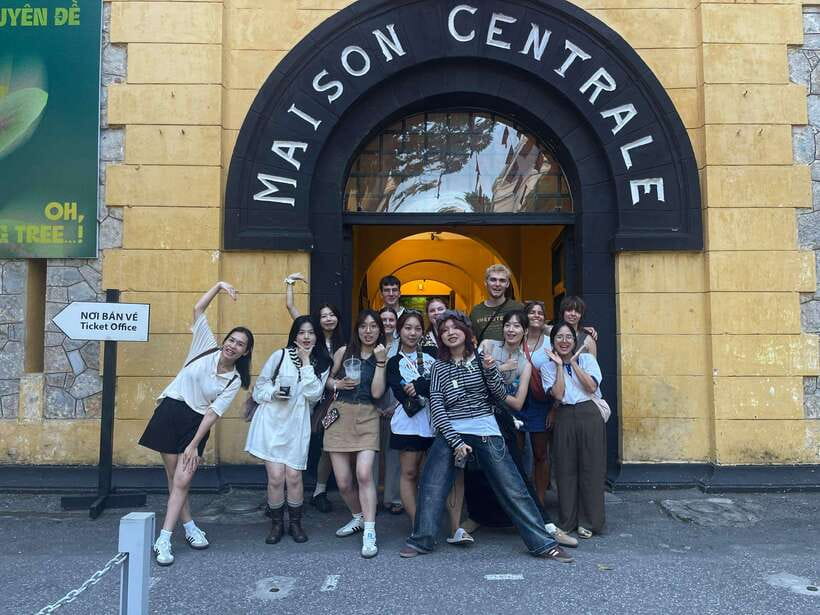
The first major sight is the State Bank of Vietnam. Here, your guide begins placing the French Quarter into a broader setting. The buildings and streets are not isolated monuments. They form part of a district shaped by French colonial planning and later Vietnamese government use.
From there, the walk continues to the Government Guest House, also known as Tonkin Palace. Its formal exterior makes clear why the French Quarter is often compared with a small Paris. This is one of the places where architecture and politics meet.
The value of having a guide here is simple: you can look at the structure while hearing why it matters. Without context, a grand government building can become just another photo stop. With the historical explanation, you begin to see how power was displayed through public architecture.
The pace includes sightseeing and walking rather than long indoor visits at every stop. If you prefer a tour packed with extended museum time, this may feel light in the opening section. If you like moving through a city and learning as you go, the format works well.
The secret stop and the city’s smaller details
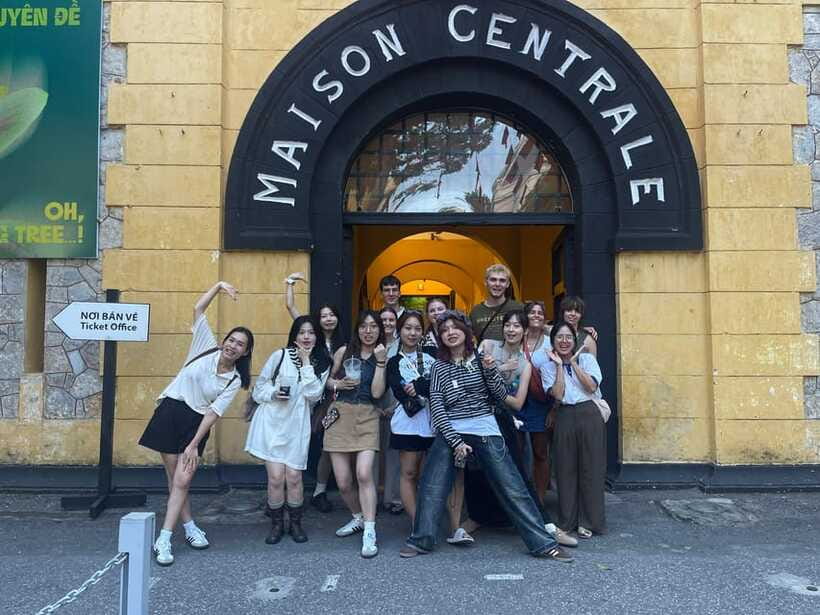
One part of the route is listed as a secret stop. Its exact location is not given in advance, which is part of the appeal. You should not book this expecting a fixed landmark with a published description. Instead, treat it as a flexible point in the walk where the guide can show you something you might pass without noticing.
This is also where the local character of the tour matters most. A large group usually follows a rigid route. A small group of up to 10 allows more room for questions and conversation, and the guide can respond to what interests you.
The supplied details do not identify the secret stop, so I would not make a booking decision based on a specific sight here. Think of it as an extra local perspective rather than the main reason to pay $40.
Same trip, a completely different kind of day:
- Hanoi Jeep Tour: Food, Culture and Fun by Vietnam Army Jeep
★ 5.0 · 15,222 reviews - Hanoi: Water Puppet Show Tickets
★ 4.6 · 7,029 reviews - Hanoi Motorbike Tour: Food, Culture and Fun by Vintage Motorbike
★ 5.0 · 6,699 reviews - Hanoi: Guided Food Tour with Train Street Visit
★ 4.9 · 6,239 reviews
Hanoi Opera House and Little Paris architecture
The Hanoi Opera House is one of the central architectural highlights. Its design helps explain the comparison between Hanoi’s French Quarter and Paris. The tour includes a guided visit and time to look around, rather than simply pointing it out from a passing vehicle.
This stop suits anyone interested in architecture, photography, or the way European styles were adapted in Indochina. You see how a building can reflect both artistic taste and political power. The tour’s larger point is not that Hanoi copies Paris exactly, but that the district carries a distinct French and Indochinese character.
The Opera House is also a useful contrast with the rest of Hanoi. The Old Quarter can feel crowded and tightly packed, while this part of the city has wider streets and more formal buildings. One of the strongest parts of the route is that you experience that change on foot.
St. Joseph’s Cathedral and a useful photo stop

St. Joseph’s Cathedral is another clear example of French influence in Hanoi. The stop includes a visit, guided explanation, and time for photographs.
This is a good place to pause and take in the way religious architecture sits within the modern city. Your guide can help you connect the building to the wider story of French presence in Hanoi, rather than treating it as a stand-alone landmark.
Bring your camera, but remember that flash photography is not allowed during the activity. The tour information also asks you not to smoke. Those rules matter most at formal or indoor sites, where a quiet, respectful approach is expected.
The cathedral stop is not a substitute for a full religious or architectural study. It is one piece of a walking route that links several major sights. That keeps the tour moving, but it also means you should not expect a long, specialist lecture at each building.
Hoa Lo Prison changes the tone
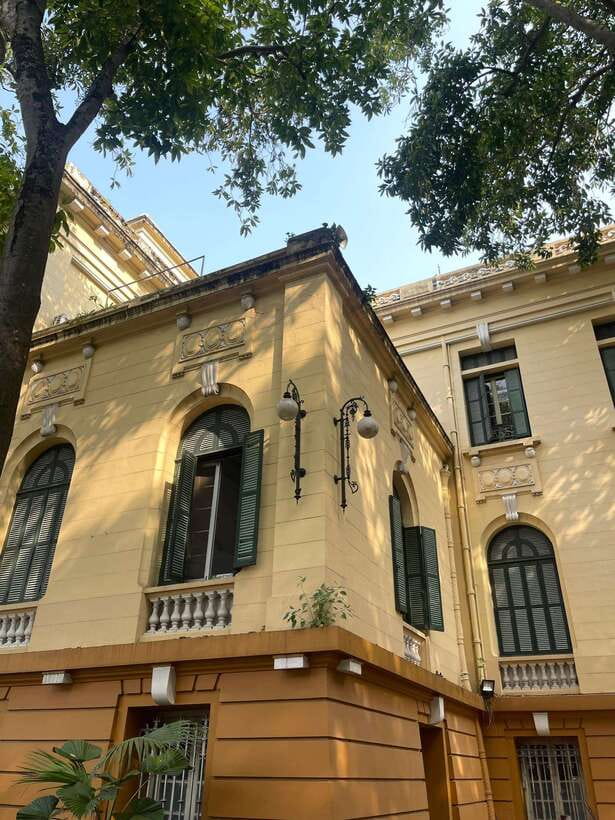
Hoa Lo Prison is the most important stop for many people. It shifts the experience from elegant colonial architecture to the history of imprisonment and resistance.
The prison helps you understand the struggle of Vietnamese people against French occupation. The tour also covers Vietnam’s resistance against the United States, referred to in the activity information as the Vietnam War. This historical section gives the earlier buildings more weight. You are no longer looking only at colonial style. You are considering who held power, who resisted it, and what independence meant to Vietnam.
Entry to Hoa Lo Prison is included in the $40 price. That matters because the prison is not an optional add-on at the end of the route. It is built into the experience and forms the main historical counterpoint to the French Quarter’s polished architecture.
Allow yourself some emotional space here. The subject is serious, and the visit may feel heavier than the opening walk. Your guide helps provide context, but you will also want time to read, look, and think. Flash photography is not permitted.
What Van, Lisa, Julia, and Nam add
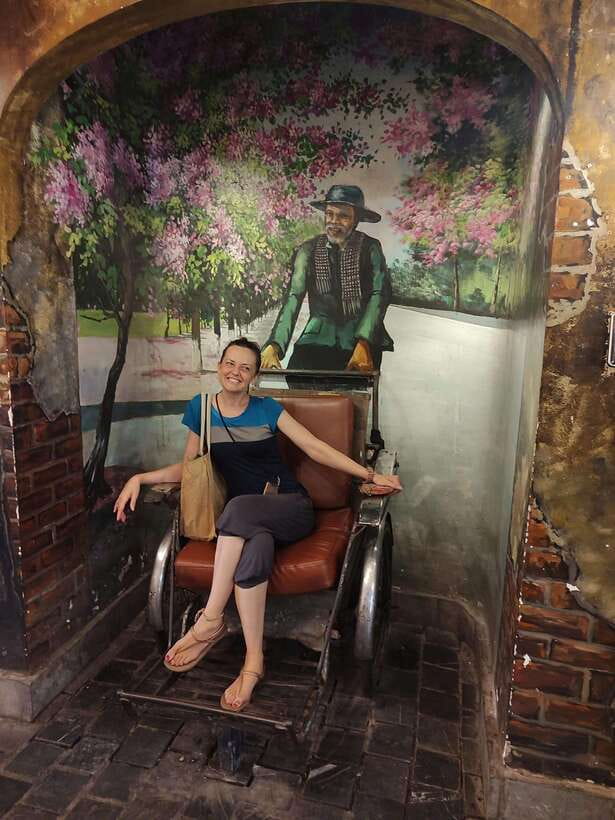
The guide can make or break a history walk, and this team receives especially strong praise for warmth and clear storytelling.
Julia is described as friendly, curious, and good at mixing historical facts with daily life and culture. That style suits you if you prefer a conversation rather than a one-way lecture. She also encourages an exchange, which can make the walk feel personal without losing its educational purpose.
Van is a strong choice for visitors who want a clear account of Hanoi, Vietnam, the French Quarter, and Hoa Lo Prison. Her route is also associated with local coffee and food suggestions. If this is your first visit, ask her what to try later in the day.
Lisa brings local knowledge and a lively personality. She is also a useful guide for anyone interested in food, since she can point you toward local places to eat. Her storytelling includes war and personal perspectives that add detail beyond the usual tourist summary.
Nam is part of the local team, along with the other guides. The available information gives fewer specific details about his guiding style, so your experience will depend on who leads your departure. The common thread is a young local team aiming for a friendly, down-to-earth walk.
Coffee, water, and the $40 question

At $40 per person, this tour is not the cheapest way to walk through Hanoi. You are paying for more than a route map, though. The fee includes a live English-speaking guide, Hoa Lo Prison admission, Vietnamese coffee, a bottle of water, and Old Quarter hotel pickup.
The value is strongest if you want three things in one booking: French Quarter architecture, local history, and a guided prison visit. Booking each part separately could require more planning, and you would lose the thread connecting them.
The value is weaker if you only want photographs of the Opera House and cathedral, or if you are happy to read about the sights independently. You are also paying for the small-group format. With no more than 10 participants, you get a better chance to ask questions than you would on a large budget walk.
Personal spending is not included. Other drinks, food beyond the included Vietnamese coffee, and hotel drop-off cost extra. The occasional coffee or ice cream stop mentioned in the experience details should not be treated as a guaranteed inclusion beyond the listed Vietnamese coffee.
Timing, comfort, and practical limits
The tour lasts 3.5 hours, with starting times depending on availability. That is long enough to cover several landmarks and Hoa Lo Prison, but short enough to fit into a larger Hanoi plan.
You should expect steady walking. Comfortable shoes are essential, and a hat and sunscreen are sensible in hot weather. The tour is wheelchair accessible, but you may still want to confirm the practical details of your specific route and pickup before booking.
The activity is not suitable for people with heart problems. Hanoi’s heat, traffic, and walking pace can be demanding, even when the distance itself is manageable. If you need frequent rests, ask about the pace before you commit.
The group speaks English, and the live guide is in English. Free cancellation is available up to 24 hours before the start for a full refund. You can also reserve now and pay later, which helps if your Hanoi schedule is still shifting.
Who should book this Hanoi walk
I would recommend this tour to you if you enjoy architecture but also want political and social context. It works especially well for first-time visitors who want a clear introduction to central Hanoi without spending a full day inside museums.
History lovers will get the most from the Hoa Lo Prison visit and the discussion of Vietnamese resistance. Architecture fans will appreciate the Opera House, cathedral, government buildings, and the French and Indochinese design influences.
Food-minded visitors should also pay attention. Lisa and Van are associated with useful local eating advice, and the coffee stop adds a small taste of Hanoi beyond the monuments.
You may want another type of activity if you dislike walking, need a slow pace, want a private vehicle, or prefer a tour focused only on food. This is a history and architecture walk first. The local recommendations are a welcome extra, not the main program.
Should you book the Hoa Lo Prison and Little Paris tour?
Book it if you want Hanoi explained through its buildings, its colonial past, and its fight for independence. The combination of the French Quarter and Hoa Lo Prison is the real strength. One gives you grand streets and formal architecture; the other shows the human cost behind the political story.
I especially like it as an early-trip activity. A friendly guide such as Van, Lisa, or Julia can help you get your bearings, explain what you are seeing, and suggest places to eat afterward.
Skip it if $40 feels high for a walking tour, if you want guaranteed private guiding, or if three and a half hours on foot sounds tiring. For most visitors who value context, a small group, and a serious historical stop, the price is fair.
FAQ
How long does the tour last?
The tour lasts 3.5 hours.
How much does the tour cost?
The listed price is $40 per person.
Where does the tour start?
You can start from one of two pickup options in the Old Quarter, including the Emperor Ly Thai To Monument Statue. Hotel pickup is offered from hotels and stays in Hanoi’s Old Quarter.
Is hotel pickup included?
Yes. Pickup is included from hotels and stays in Hanoi’s Old Quarter. Hotel drop-off is not included.
Which sights are included?
The route includes the State Bank of Vietnam, the Government Guest House, also called Tonkin Palace, a secret stop, the Hanoi Opera House, St. Joseph’s Cathedral, and Hoa Lo Prison.
Is entry to Hoa Lo Prison included?
Yes. The Hoa Lo Prison entry ticket is included in the tour price.
What language is the tour in?
The live tour guide speaks English.
How large is the group?
The tour is a small-group experience with no more than 10 participants.
What should I bring?
Bring comfortable shoes, a hat, sunscreen, and a camera. Smoking and flash photography are not allowed.
Just added around Hanoi
- Private Crowd Free Hanoi: Morning Highlights of the City Experience★ 4.5 · 124 reviews
- Hoa Lo Prison and Little Paris Tour in Hanoi (French Quarter)★ 5.0 · 20 reviews
- Hanoi’s Old Quarter Street Food Experience and Train Street★ 5.0 · 22 reviews
- Old Quarter Food Tour in Hanoi★ 5.0 · 104 reviews
- Retro Hop-on-hop-off Bonbon City Tour: Classic Package★ 4.0 · 32 reviews
- [Hi-end] Private Hanoi Street Food Tour With Real Foodie★ 5.0 · 154 reviews
- Hanoi Street Food Tour★ 5.0 · 27 reviews
- Hanoi Street Food Tour with egg coffee making★ 5.0 · 22 reviews
War History Tours, compared.

Cu Chi Tunnels Tour from HCM City – Morning or Afternoon
Read our review →
DMZ Tour with Vinh Moc Tunnels and Khe Sanh Base
Read our review →
Cu Chi Tunnels Half-Day History Tour with Guide
Read our review →


Cu Chi Tunnels and Mekong Delta Signature Tour
Read our review →
Cu Chi Luxury Group Tour – Tapioca and Cake Half Day
Read our review →
Adventure Cu Chi Tunnels: Vietnam War Underground Network AM/PM
Read our review →Browse the lists this tour appears in