
Reviewed · HISTORICAL TOURS
Hanoi: Make 6 Iconic Coffees in a Heritage Home with Locals
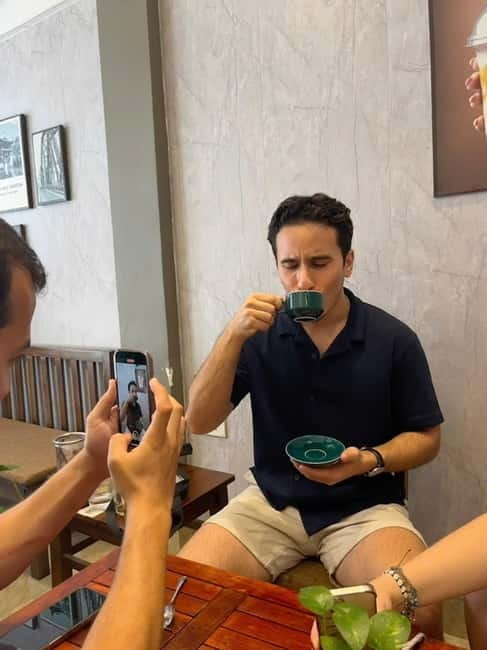
Hanoi’s coffee culture comes alive in a 100-year-old French colonial home, where you make six Vietnamese coffee styles instead of simply ordering one at a café. You work at an open bar, taste specialty beans, and learn why egg coffee, coconut coffee, and salty coffee each have their own balance.
I like the close, personal teaching and the chance to recreate the drinks at home. I also like the setting: family art, old household objects, a balcony, and warm local elders give the workshop a sense of daily Hanoi life. The main drawback is that six coffees in up to two hours can feel like a lot, especially if you prefer a slow cup or do not usually drink much caffeine.
Key points to know before booking
- Six coffee styles in one session: Make egg, coconut, salty, and other Vietnamese coffees by hand.
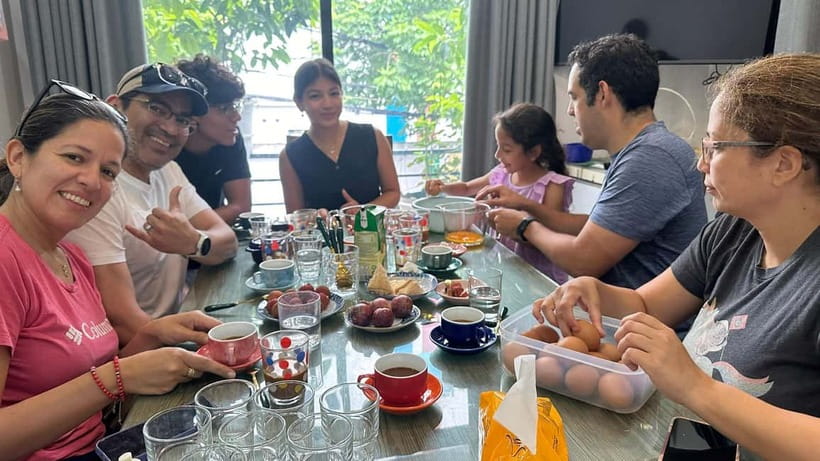
- A real family home: The workshop takes place in a century-old Old Quarter house filled with collected art and everyday objects.
- Personal teaching: Jade, Jennifer, Jenny, and Mint are among the hosts who guide the hands-on session in English or Vietnamese.
- Small and relaxed: The group is limited to 10, with an open bar and time to observe, ask questions, and adjust recipes.
- Useful take-home skill: You receive full recipes and practical methods you can repeat after returning home.
- Good for mixed-age groups: Air conditioning, clean restrooms, sterilized utensils, a pet-friendly garden space, and childcare availability make the setting flexible.
Entering a quiet home in Hanoi’s Old Quarter
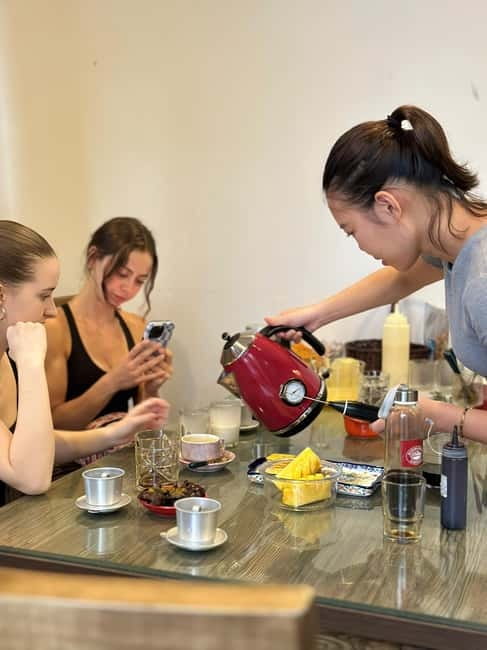
The meeting point is a century-old house tucked into the Old Quarter. That location matters. Hanoi’s central streets can be noisy and crowded, so stepping into a calm home changes the pace at once.
You are not entering a polished demonstration kitchen built only for tourists. The rooms contain traditional art, family objects, and pieces collected and preserved by the hosts’ parents over many years. The result is a place where coffee sits alongside ordinary home life.
I like that you are encouraged to look around. You might spend a few minutes studying an old object, taking in the artwork, or sitting on the balcony before the coffee work begins. These small pauses make the activity feel less like a formal class and more like being welcomed into someone’s home.
The space is intimate and private, but not cramped by design. An open bar remains ready throughout the workshop, so you can watch the host, return to a step, or ask for help without waiting for a new demonstration.
More Historical Tours in Hanoi
- Hanoi Heritage Premium Daily Tour
★ 5.0 · 914 reviews - Old Quarter Hanoi Street Foods and Heritage Road Tour by Walking
★ 5.0 · 117 reviews - Coffee, History, and Architecture of the French Quarter
★ 4.9 · 71 reviews
How the two-hour coffee session works
The experience lasts about one to two hours, with the full workshop generally taking roughly two hours. The group is capped at 10 people, which is important because every person makes the drinks rather than watching one person prepare them.
Your host explains each coffee from the beginning. You receive the ingredients and equipment, then work through the method step by step. No previous brewing skill is needed, and the instructor adjusts the pace so you can follow along.
The point is not to copy a rigid formula without thought. You learn the traditional balance, then make small adjustments to suit your taste. That might mean changing sweetness or texture, though the supplied details do not specify every adjustment available for each drink.
The hosts include Jade, Jennifer, Jenny, and Mint. English and Vietnamese are offered, and the teaching style described by visitors is clear, friendly, and unhurried. Mint is noted for being organized and starting from scratch, while Jennifer is praised for explaining both the techniques and the cultural background in fluent English.
Because the group is small, you can ask about a step as soon as it seems unclear. That is much more useful than standing at the back of a large cooking demonstration and trying to remember the method later.
The six coffees: egg, coconut, salty, and more

The workshop includes six iconic Vietnamese coffee styles. Egg coffee, coconut coffee, and salty coffee are specifically included, along with other Vietnamese preparations.
Egg coffee is likely to be the most memorable of the group. It combines coffee with a creamy egg mixture, and making it yourself helps you understand how the texture develops. You do not simply receive a sweet cup with a decorative topping. You take part in the process and learn how to keep the coffee from being overwhelmed by the creamy element.
Coconut coffee offers a different profile. The coconut component changes the body and sweetness, giving you a useful comparison with egg coffee. Salty coffee is another good lesson in balance. Salt may sound odd in a coffee drink, but the point is to understand how a small amount can shape sweetness and flavor rather than make the drink taste plainly salty.
The other three styles are presented as part of the wider Vietnamese coffee tradition. The exact line-up can vary by session, so if one particular drink matters to you, ask the host when you arrive.
You taste each cup as you go. That is useful because your palate can compare the drinks side by side. Rather than memorizing six recipes as isolated instructions, you begin to notice how coffee, sweetness, creaminess, coconut, and salt interact.
The experience is designed to engage all five senses. You smell the beans, handle ingredients, watch textures change, taste the finished drinks, and take in the household setting around you. That sensory approach helps the techniques stick.
Learning Hanoi coffee culture from local hosts

The strongest part of this activity is the link between recipe and place. Your instructors grew up with Hanoi’s coffee culture and share family methods shaped by regular home practice.
You hear stories about how the styles came to life, along with details about Vietnamese coffee traditions and daily habits. Jennifer is especially noted for explaining coffee, culture, history, and practical advice for enjoying Vietnam beyond the workshop.
I value this kind of context because a recipe alone only tells you what to do. A local explanation helps you understand why a drink is prepared in a certain way and why balance matters. It also gives you a better sense of coffee as part of ordinary Hanoi life, not just as a popular activity for visitors.
The hosts are not presented as distant instructors. Warm-hearted local elders are available to welcome your questions and curiosity. That can be especially meaningful for families or anyone who prefers personal contact over a large commercial class.
At the same time, you should know that the quality of your session will depend partly on which host leads it. Jade, Jennifer, Jenny, and Mint are all named as instructors connected with the experience, and each may have a slightly different pace or way of explaining things.
Same trip, a completely different kind of day:
- Hanoi Jeep Tour: Food, Culture and Fun by Vietnam Army Jeep
★ 5.0 · 15,222 reviews - Hanoi: Water Puppet Show Tickets
★ 4.6 · 7,029 reviews - Hanoi Motorbike Tour: Food, Culture and Fun by Vintage Motorbike
★ 5.0 · 6,699 reviews - Hanoi: Guided Food Tour with Train Street Visit
★ 4.9 · 6,239 reviews
Tasting specialty Vietnamese beans
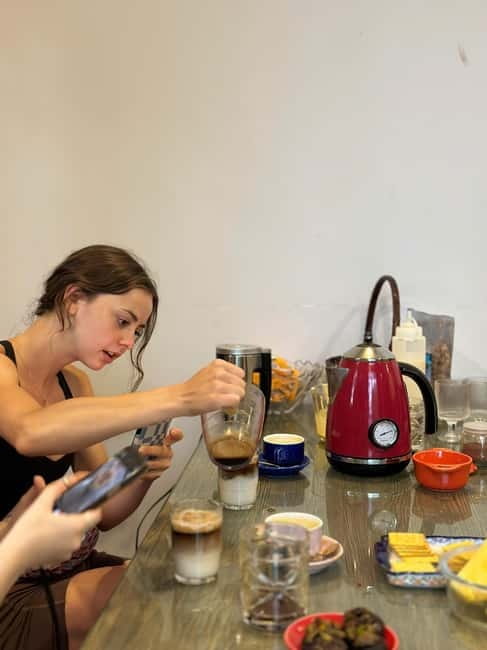
The coffee itself receives proper attention. You taste Vietnamese specialty beans during the session and share your impressions with the instructor.
That is an important part of the class. Many people leave Vietnam thinking only about sweetened coffee drinks, but the bean gives each recipe its base character. Tasting the coffee before it is mixed with egg, coconut, or other ingredients helps you notice what the added elements are doing.
You are also encouraged to learn through comparison. One cup may feel heavier, another sweeter, and another more aromatic or intense. The supplied information does not name a specific growing region or bean variety, so do not book this as a detailed coffee-farm or professional barista course.
Instead, think of it as a practical introduction to Vietnamese coffee taste and preparation. You will gain enough information to make better choices in local cafés and enough technique to try the drinks at home.
What you take home besides caffeine

The most useful souvenir is the set of full recipes for all six coffees. You also leave with a practical skill, not just a photograph of a finished cup.
The hosts explain the steps clearly and let you make the drinks yourself. That hands-on work matters. Watching a person whip, mix, pour, or balance ingredients can look simple, but repeating it later is harder unless you have handled the process.
The class also gives you a way to remember Hanoi through everyday flavor. A recipe card can bring back the Old Quarter more effectively than another mass-produced souvenir, particularly if you prepare egg coffee or salty coffee for friends at home.
Do not expect to leave with a bag of beans or a full professional coffee kit. Those items are not listed as included. What you receive is the method, the recipes, the tasting experience, and advice from the people leading the session.
Is $22 good value?
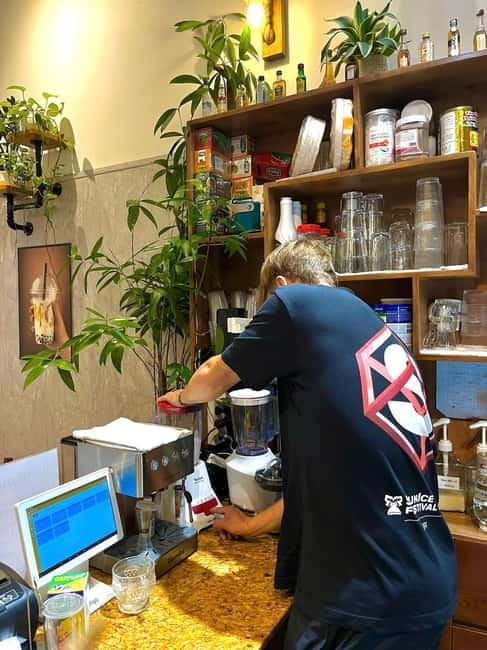
At $22 per person, I consider this a fair price for a small-group activity that includes six drinks, ingredients, equipment, instruction, and recipes. You are paying for more than six coffees. You are also paying for access to a private family setting and direct help from a local host.
The value is strongest if you plan to use the recipes later. Someone who only wants to drink Vietnamese coffee can spend far less at a café. Someone who wants to understand the drinks, make them independently, and ask questions receives much more here.
The small group improves the value. With no more than 10 participants, you have a better chance to get individual guidance and correct a technique before moving on. That would be harder in a large class.
The price may feel less worthwhile if you do not drink much coffee, dislike sweet drinks, or already have strong Vietnamese coffee-brewing skills. Six tastings can also be filling, so consider the workshop’s place in your day rather than scheduling it immediately before a large meal.
Practical details that affect your choice

The workshop is indoors and air-conditioned, which makes it a sensible option during hot, humid, or rainy Hanoi weather. Clean restrooms are available, and utensils are washed in a dishwasher and sterilized.
Wheelchair access is listed, though you may still want to confirm the exact route into the old house before booking if you need detailed mobility support. Childcare is available, and the home has a pet-friendly garden space, making this more flexible for families than many small food activities.
The session is offered in Vietnamese and English. No previous coffee experience is required, and all ingredients and equipment are provided.
You can cancel up to 24 hours ahead for a full refund, and the reserve-now, pay-later option allows you to hold a place without paying immediately. Starting times vary, so check availability for your preferred day.
The house is in the Old Quarter, but the exact street directions should be checked carefully before setting out. A peaceful home can be easy to miss among Hanoi’s narrow lanes and busy central streets.
Who will enjoy this most?
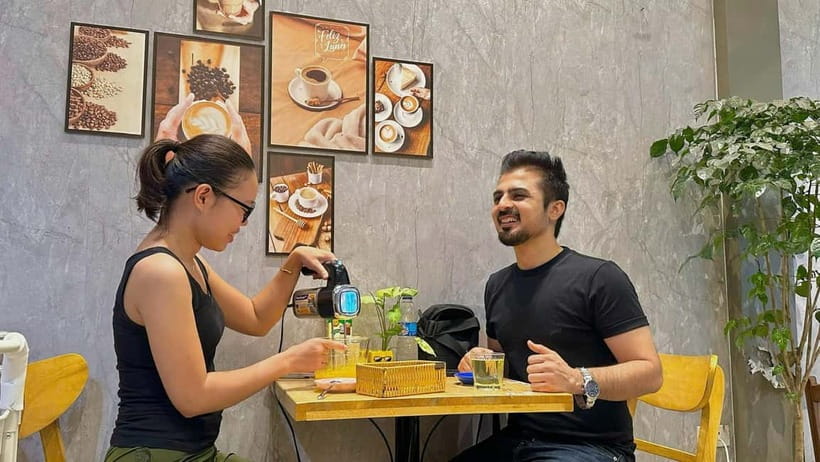
I would recommend this workshop to anyone who wants a calm, personal activity between Hanoi’s major sights. It suits couples, families, solo visitors, and small groups who enjoy food, local customs, and learning by doing.
It is particularly good for:
- People curious about egg coffee beyond simply ordering it
- Home cooks who want recipes they can repeat
- Families looking for an indoor activity
- Coffee drinkers who enjoy tasting and comparing
- Visitors who prefer a local home to a formal classroom
- Anyone who wants practical Hanoi advice from a friendly host
It is less suited to someone seeking a serious coffee qualification, a farm visit, or a detailed lesson in espresso equipment. It is also not ideal if you want a fast tasting with no hands-on work. The appeal lies in the relaxed pace and your participation.
Should you book this Hanoi coffee workshop?
Book it if you want to make six Vietnamese coffees, understand the balance behind them, and spend time in a real Old Quarter home. The setting, personal guidance, and detailed recipes give it more substance than a standard café stop.
The clearest reason to choose it is that you can recreate the experience later. Hosts such as Jade, Jennifer, Jenny, and Mint focus on clear instruction, local stories, and a friendly pace. Just allow enough time for six drinks, and remember that the session may be too much for anyone who rarely drinks coffee.
At $22, this is a strong choice for a small, hands-on introduction to Hanoi’s coffee culture. If egg coffee, coconut coffee, or salty coffee already has your attention, this is one of the better ways to understand what is in the cup and how to make it yourself.
FAQ
How many coffees will I make?
You will make six Vietnamese coffee styles by hand. Egg coffee, coconut coffee, and salty coffee are included, along with three other Vietnamese coffee preparations.
How long does the workshop last?
The activity lasts one to two hours, with the full workshop described as taking about two relaxed hours.
Is coffee-making experience required?
No. The host explains every step, and all ingredients and equipment are provided.
What languages are available?
Instruction is available in Vietnamese and English.
How many people can join the group?
The group is limited to 10 participants.
Can I cancel or pay later?
You can cancel up to 24 hours in advance for a full refund. A reserve-now, pay-later option is also available.
Just added around Hanoi
- Hoa Lo Prison and Little Paris Tour in Hanoi (French Quarter)★ 5.0 · 20 reviews
- Private Crowd Free Hanoi: Morning Highlights of the City Experience★ 4.5 · 124 reviews
- Hanoi’s Old Quarter Street Food Experience and Train Street★ 5.0 · 22 reviews
- Old Quarter Food Tour in Hanoi★ 5.0 · 104 reviews
- Retro Hop-on-hop-off Bonbon City Tour: Classic Package★ 4.0 · 32 reviews
- [Hi-end] Private Hanoi Street Food Tour With Real Foodie★ 5.0 · 154 reviews
- Hanoi Street Food Tour★ 5.0 · 27 reviews
- Hanoi Street Food Tour with egg coffee making★ 5.0 · 22 reviews
Historical Tours, compared.


Cu Chi Tunnels Half-Day History Tour with Guide
Read our review →
Heritage Binh Chuan 2 Days 1 Night discovery in Lan Ha Bay
Read our review →
Saigon Afternoon City Historical Scooter Tour |Opt: Ao Dai Riders
Read our review →
Vung Tau Essential: Beach, Christ Statue & Colonial Heritage
Read our review →
DMZ & Vinh Moc Tunnels – Private Historical Tour from Hue
Read our review →
Discover Trang An Natural World Heritage, Bich Dong Pagoda, Cycling Day Tour
Read our review →
Hue Culture & History Day Tour – Departing Hoi An or Da Nang
Read our review →Browse the lists this tour appears in