

Reviewed · HIKING & TREKKING
Sapa 3 Days 2 Nights Trekking Tour (1 Night In Ta Van Village, 1 Night In Hotel)
Sapa’s best moments come on foot, far below the town, where steep paths cut through rice terraces and small villages. This trip gives you three days of hiking without forcing you to arrange buses, rooms, meals, luggage transfers, or village access on your own.
I like the split between a proper hotel night and a rustic Ta Van bungalow. I also like the local guiding: Su, Cat, May, Dao, and other guides are praised for patience and care. The catch is simple: this is a real mountain trek, not a gentle village stroll. Expect steep steps, mud, fog, and persistent local sellers along the paths.
Key details before you book
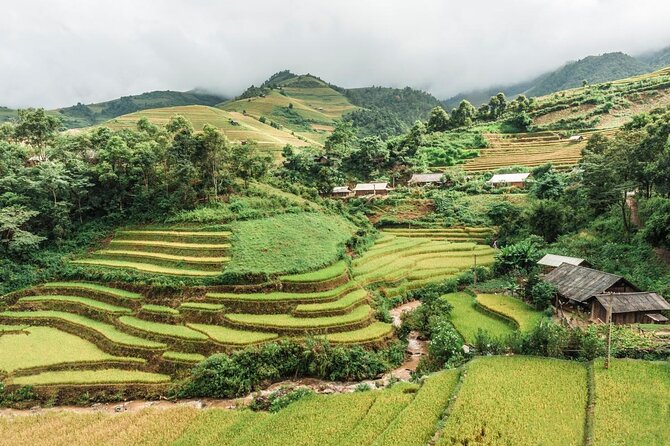
- Two different nights: Sleep in a hotel in Sapa, then spend a night in a bungalow in Ta Van Village.
- Long hiking days: The main trek covers about 12 kilometers and takes roughly four hours, with additional walking on the other days.
- Hanoi transport included: Air-conditioned bus service connects Hanoi and Sapa, with rest stops along the way.
- Local guides matter: Guides such as Su, Cat, May, Dao, Cat, and Khu have received especially warm praise for their help and local insight.
- Weather changes the experience: May through August may offer clearer conditions, while winter can bring fog, cold, and slippery trails.
- Good value at $139: The fee covers transport, accommodation, meals, entrance fees, guiding, and luggage support, though drinks and personal expenses cost extra.
What the $139 price really covers
At $139 per person, this is a useful package for someone who wants Sapa without managing every moving part. You get bus transport from Hanoi and back, two nights of accommodation, an English-speaking local guide, entrance fees, breakfasts, lunches, dinners, and water for the Hanoi to Sapa and return journeys.
That price matters because Sapa is not a simple day trip from Hanoi. The drive takes about six hours each way, and you need transport between the town, trailheads, villages, hotel, and homestay area. Here, the operator handles those connections and moves your larger luggage while you walk.
The accommodation is deliberately mixed. Your first night is at The View Sapa Hotel or a similar property, generally in a room shared by two or three people. Your second night is in a bungalow in Ta Van Village. The hotel gives you a more familiar base after the long bus ride, while the bungalow puts you closer to village life.
Do not expect luxury in Ta Van. The bungalow is described as comfortable and pleasant, with hot water available, but it is still a rural stay. Bring a sense of humor about insects, uneven conditions, and the sounds of the countryside. That tradeoff is part of the point.
Drinks, travel insurance, VAT, and personal purchases are not included. Carry Vietnamese dong. Card systems in Sapa may not work reliably, and the villages are easier with cash in your pocket.
More Trekking Tours in Sapa
- Sa Pa: Muong Hoa Valley Trek and Local Ethnic Villages
★ 4.6 · 864 reviews - From Hanoi: 2-Day Sapa Trekking Trip with Homestay & Meals
★ 4.8 · 704 reviews - Sapa: Eco Adventure Terrace Fields and Local Villages Trek
★ 4.9 · 636 reviews
The six-hour ride from Hanoi to Sapa
Pickup is scheduled around 6:00 to 6:20 in Hanoi’s Old Quarter, with the listed meeting point at 30 P. Ly Thai To. Depending on your pickup arrangement, you may first transfer to a larger sleeper bus.
The bus makes two comfort stops around Lao Cai before continuing uphill toward Sapa. The trip is long, so the sleeper-style seats can be a welcome feature. Some people find the bus comfortable, with Wi-Fi and useful rest stops. Others find the ride cramped or uncomfortable, and communication can be difficult when the driver does not speak English.
Your hotel name and address in Hoan Kiem should be sent to the operator in advance. Pickup details may arrive one or two days before departure, so do not panic if the first booking message does not contain every detail.
You arrive in Sapa around 1:00 p.m. The town sits high in the mountains, so temperatures can feel much cooler than in Hanoi. From here, the pace changes quickly. After lunch and hotel check-in, you begin walking rather than simply sightseeing from a bus window.
Cat Cat Village and the first afternoon

The first hike leads to Cat Cat Village, home to Black Hmong people near the bottom of a valley. The walk is about 3.5 kilometers and takes roughly two hours, but distance alone does not tell the whole story.
You may encounter long flights of steps, steep sections, shops, and crowds around the village entrance. Cat Cat is scenic, with waterfalls and traditional houses, but it is also one of the more developed and commercial stops on the route. Go expecting a popular attraction, not an untouched settlement.
This first afternoon works as a useful test of your legs. You get mountain views, village scenery, and a sample of the terrain before the longer trek on Day 2. If your knees complain here, pay attention. The next day is considerably more demanding.
The route can also include entertainment and photo stops near the waterfall. That adds interest, though it makes the visit feel more like a managed attraction than a quiet walk through village life.
You spend the night back in Sapa at the hotel. This is a sensible arrangement. After the morning bus journey and afternoon walk, a private room, hot shower, and regular bed are welcome.
The long route through Y Linh Ho and the rice terraces

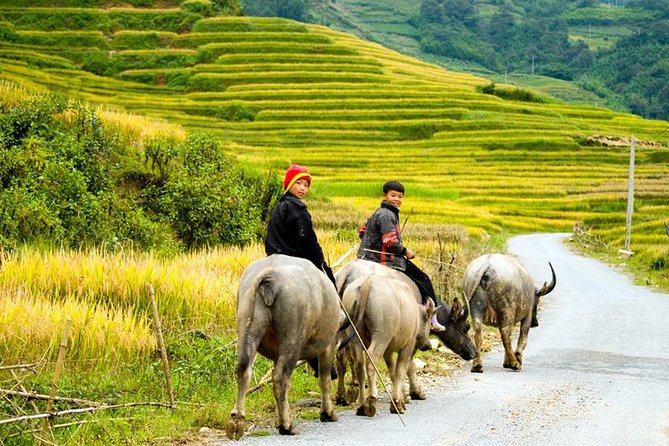
After breakfast, you check out and begin the main walking day. The route passes through rice terraces and toward Y Linh Ho, then continues toward Lao Chai and Ta Van. The total distance is about 12 kilometers, taking roughly four hours, with lunch along the way.
This is the day that makes the trip worthwhile. The path moves away from Sapa town into valleys and farming areas, where the views open across terraces and mountain slopes. You will see how much work is built into the fields, especially when the trail drops and climbs through narrow paths.
The route is not flat. Expect steep sections, slippery ground, and narrow trails. In wet weather, ordinary sneakers can become a liability. A walking stick is useful, and proper hiking shoes with good grip are far better than casual trainers.
Lunch is served with a local family and includes Vietnamese dishes. You can tell the operator in advance if you are vegetarian or have other food requirements. The meals are included, but the menu may be set apart from your choice of protein, so anyone with strong food preferences should ask questions before departure.
One point deserves a fair warning. The paths can attract local women who walk beside the group and offer assistance or handmade goods. Some hikers appreciate the help, especially on muddy slopes. Others find the sales pressure tiring, since the expectation to buy or tip can continue for much of the walk.
A polite, firm no is useful. You do not need to buy from everyone who approaches you. If you do want souvenirs, carry small amounts of cash and decide in advance how much you want to spend.
Same trip, a completely different kind of day:
- Sapa 2 Days 1 Night From Hanoi – Overnight in Ta Van Village
★ 5.0 · 2,669 reviews - Hanoi – Sapa 2 Days 1 Night Overnight At Homestay
★ 5.0 · 899 reviews - Sapa: Fansipan Cable, Cat Cat Village & Moana Instagram Tour
★ 5.0 · 777 reviews - 3-Day Trekking Adventure of Sapa from Hanoi – Stay Ta Van Village
★ 5.0 · 611 reviews
Ta Van Village and the bungalow night
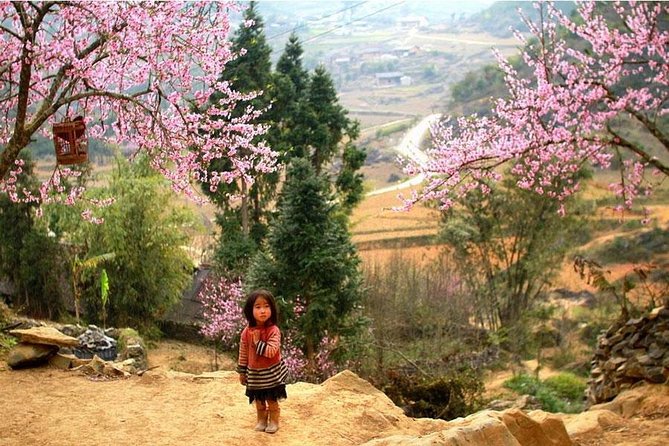
You reach Ta Van in the late afternoon and check into the bungalow. Your larger luggage can be transported ahead, so you do not need to carry everything over the mountain path. That makes a major difference on a long walking day.
Ta Van is home to Dzay people, and the evening gives you time to meet the family, watch the sunset, and take part in preparing local dishes if the schedule allows. Dinner is included, and the quieter pace is a nice contrast to Cat Cat’s busy paths.
This is the most culturally useful part of the trip, but keep your expectations grounded. You are staying in a tourist accommodation within a village, not entering a completely private household with no outside contact. The experience still offers a closer look at village life than a short photo stop from a coach.
The bungalow may be rustic. Hot water has been available, but rural facilities can vary. Bring warm layers, a small flashlight if you use one, and insect repellent. You might find insects in the room, which is normal for a village stay and not a sign that something has gone wrong.
Giang Ta Chai, waterfalls, and the final walk

The final morning begins with breakfast prepared by the family. You then walk toward rice paddies and Giang Ta Chai Village, with more chances to stop for photographs and take in the surrounding mountains.
The terrain remains uneven, and the weather still controls how much you see. In clear conditions, the terraces and valley views can be striking. In fog, the atmosphere becomes moody but the long-range views may disappear. December through March can be especially foggy, cold, and muddy.
After the morning hike, a vehicle takes you back toward Sapa around 1:00 or 1:30 p.m. You can rest in town and use a public bathroom at the hotel if you want a shower before the return journey. Meet the group again around 2:00 p.m., then board the bus for Hanoi at about 3:00 p.m.
The return drive includes two rest stops and usually reaches Hanoi around 9:00 p.m. The bus drops you at the original meeting point. You arrange your own onward ride to your hotel, so keep taxi money handy and do not assume door-to-door service at the end.
How difficult is the hiking?
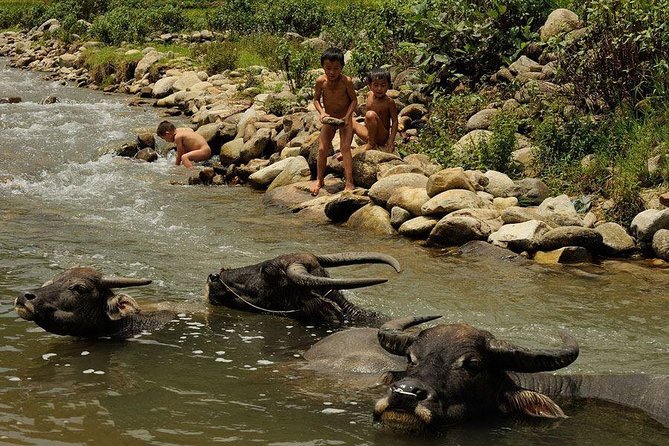
The tour is suited to moderately fit people, but that description deserves emphasis. The distance is only part of the challenge. Mountain paths rise and fall, steps can be endless, and wet ground can turn a manageable trail into a careful balancing act.
You should be comfortable walking for several hours and handling uneven surfaces. You do not need advanced mountaineering skills, but this is not a good choice if you dislike hills or have trouble walking downhill.
Pack:
- Trekking shoes or boots with strong grip
- Warm clothing, even outside winter
- A rain layer or light waterproof jacket
- Hat, scarf, and sun protection
- Insect repellent
- Any personal medicine you may need
- Vietnamese dong for drinks, taxis, purchases, or boot rental
If the trail is very muddy, local rubber boots may be available for about 30,000 to 50,000 dong per day. That can be money well spent. Several sections become slippery enough that dry shoes are less important than traction.
The guide may help you over rough sections, but do not expect the staff to remove the physical challenge. You need to judge your own pace and tell the guide when you need a break.
Weather can make or break the views
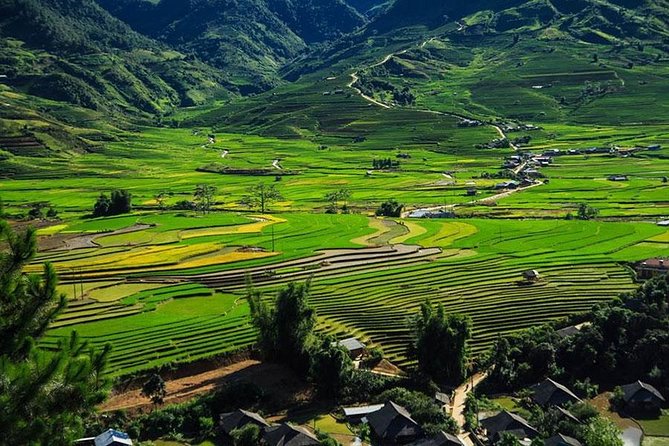
Sapa’s weather is unpredictable. Fog may hide the famous terraces, especially in December, January, February, and March. Cold weather is common from September through March, and wet conditions can make the paths difficult.
May through August is often suggested as a better period for clearer views, though conditions can still change. Rice terraces also look different through the year, so the best month depends on whether you care most about clear mountain views, green fields, or the experience of walking through working farmland.
Do not book this trip only for postcard views. The villages, local guide, food, and walking itself still have value if clouds roll in. But if panoramic scenery is your main reason for going, check the forecast close to departure and ask about alternatives if poor weather is expected.
The operator can change the schedule because of weather and operating conditions. If the tour is canceled for poor weather, you can accept another date or receive a full refund.
The guides make the difference
The strongest part of this trip is the local guide. Guides named Su, Cat, May, Dao, Khu, Mu, Zi, Chang, and Vue have been praised for being friendly, attentive, patient, and helpful on difficult paths.
That matters because the route is more than a marked walk. A good guide explains village life, helps with pace, answers questions, and keeps the group moving through confusing sections. Several guides have also helped with muddy trail conditions and adjusted the experience when fog or cold reduced the views.
Guide quality may vary, and English ability is not guaranteed to be equally strong every time. Most communication appears to work well, but one poor experience involved difficulty understanding the guide. If cultural explanation is especially important to you, tell the operator that when booking.
The listed maximum is 15 people, while the tour is also described as private. Those terms can mean different things in practice, especially when Hanoi transport is shared. Ask the operator whether your walking group will be private and how many people will join the guide.
Is Sapa becoming too commercial?
Yes, parts of the route are touristy. Cat Cat has shops, crowds, steps, and organized attractions. Local sellers may follow the group along the trail, offering help and handmade goods. This can feel uncomfortable when friendliness turns into a sales pitch.
Still, the walking route reaches farming villages and rice terraces that you would not see from Sapa town. The commercial side does not erase the value of the scenery or the local connections, but it does mean you should not expect complete solitude.
I would treat the selling as part of the route’s reality, not as a reason to reject the entire trip. Set your limits early, avoid making promises to buy later, and remember that a tip is your choice. If you want a quieter experience, ask about less-used trails or a smaller walking group.
Who should book this Sapa trek?
This trip suits you if you want a practical introduction to Sapa and prefer one package to separate train, bus, hotel, guide, and village arrangements. It works especially well for moderately fit people who want scenery and local contact but do not need high-end accommodation.
It is also a good match if you like variety. You get a long bus journey, a hotel, a bungalow, short and long hikes, village visits, family meals, waterfalls, and time in Sapa town.
You may want a different arrangement if you need a private room every night, dislike mud, want full control over food, or expect an untouched cultural experience. The return to Hanoi is late, and the bus quality may not suit everyone.
Cancellation is flexible only if you act early. Cancel at least six full days before departure for a full refund. Cancellations two to six days before departure receive 50 percent back, while cancellations less than two days before departure are not refunded.
Should you book it?
Book this tour if you want Sapa’s valleys and villages with the hard planning already done. At $139, the combination of transport, meals, two different types of accommodation, entrance fees, luggage support, and guiding is solid value.
Go prepared for steep trails, cold or wet weather, village sellers, and a long bus ride. Bring serious footwear, carry cash, and ask about group size and transfer details before you leave Hanoi. If you can accept those rough edges, this trip gives you a useful, active look at Sapa rather than a quick town visit.
FAQ
How long does the Sapa tour last?
The experience lasts three days and two nights, beginning in Hanoi and returning to Hanoi on the third evening.
Where does the tour start and finish?
The listed meeting point is 30 P. Ly Thai To in Hanoi’s Hoan Kiem area. The tour returns to the same meeting point, and you arrange your own ride to your hotel afterward.
What accommodation is included?
You spend one night in a hotel in Sapa, generally at The View Sapa Hotel or a similar property, and one night in a bungalow in Ta Van Village.
How far is the longest trek?
The main Day 2 trek is about 12 kilometers and takes around four hours. The other days also include walking, including about 3.5 kilometers to Cat Cat Village.
Are meals included?
Yes. The package includes two breakfasts, three lunches, and two dinners. Drinks are not included, and you should tell the operator in advance about vegetarian or other special food needs.
Is bus transport from Hanoi included?
Yes. Modern bus transport from Hanoi to Sapa and back is included, with two bottles of water per person for the return journey and comfort stops along the route.
What should I bring for the trek?
Bring trekking shoes, warm clothing, a scarf, hat, sunscreen, sunglasses, insect repellent, personal medicine, and Vietnamese dong. Rubber boots may be useful in muddy conditions.
Can the tour be canceled because of weather?
Yes. The schedule may change because of weather or operating conditions. If the operator cancels because of poor weather or because the minimum number of participants is not met, you can choose another date or receive a full refund.
More 3-Day Trips in Sapa
- Hanoi – Sapa 3 Day 2 Night Trekking With Hotel & Homestay
★ 5.0 · 389 reviews - From Sapa: 3-Day Ha Giang Loop with Safe Rider (max 8 pax)
★ 4.9 · 285 reviews - From Hanoi: Trek and Stay: 3-Day Sapa Highlands Adventure
★ 4.6 · 152 reviews - Hanoi – Sapa 3 Days – 2 Nights Trekking with With the locals
★ 5.0 · 95 reviews
Just added around Sapa
- Hanoi to Sapa Bus – Private Cabin Bus★ 5.0 · 53 reviews
- Hanoi – Sapa 2 Days 1 Night Overnight At Local Homestay★ 5.0 · 233 reviews
- 2-Night Sapa Tour with Fansipan Peak by Bus from Hanoi★ 4.5 · 23 reviews
- Hanoi – Sapa 3 Days – 2 Nights Trekking with With the locals★ 5.0 · 95 reviews
- Sapa – Ha Giang Loop Tour 5 days 4 nights★ 5.0 · 24 reviews
- 3-Night Sapa Trek and Homestay with Round Trip Transfer from Hanoi★ 4.5 · 37 reviews
- 3-Days in Sapa with Overnight at 4 Star Hotel & Bungalow★ 5.0 · 27 reviews
- 2 days Amazing trekking Sapa from Hanoi with various options★ 4.5 · 53 reviews
Hiking & Trekking, compared.

Halong Bay Full Day with Kayaking, Hiking viewpoint, Cave – Deluxe To Luxury
Read our review →
Sa Pa: Muong Hoa Valley Trek and Local Ethnic Villages
Read our review →

Eco Adventure Terrace Fields and Local Villages Trek
Read our review →
2-Day Sa Pa Ethnic Homestay Tour & Trek with Limousine Bus
Read our review →
1-Day Guided Trek to Lao Chai & Ta Van with Lunch
Read our review →
Browse the lists this tour appears in