
Reviewed · HIKING & TREKKING
From Hanoi: 2-Day Luxury Sapa Trekking Tour with Homestay
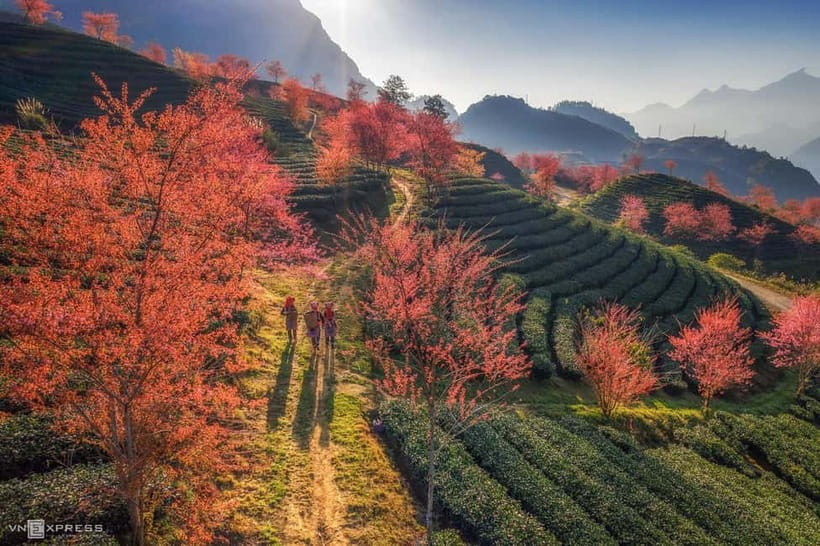
Sapa’s best scenery arrives on foot, and this two-day trip takes you from the town into the Muong Hoa Valley, past terraced rice fields and through Black H’mong and Red Dao villages. The overnight stay in Ta Van gives the route more breathing room than a quick day trip, while guides such as Zem, Sou, and Mao Co have been praised for keeping the walking friendly and well managed. The private homestay room is a useful comfort after a long day outside.
I like two things here: first, the route connects several villages rather than stopping at one viewpoint, and second, the price includes transport, meals, guiding, sightseeing tickets, and the homestay. The spring-roll lesson also adds a simple hands-on touch. The main caution is the moderate to high fitness level. The trails can be tiring, especially in sun or rain, and the published distances vary slightly.
Key points at a glance
- Night travel saves daytime: Leave Hanoi at 9:30 PM and reach Sapa around 4:00 AM by sleeper bus.
- Two major village routes: Walk through Y Linh Ho, Lao Chai, Ta Van, and Giang Ta Chai.
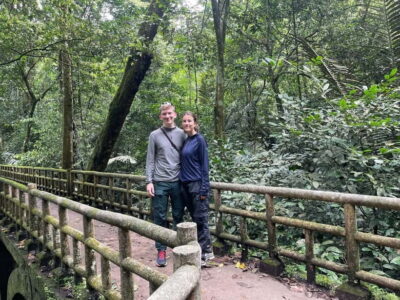
- A real valley walk: The route includes terraced rice fields, streams, a small tunnel or bridge, and long sections on foot.
- Comfort after trekking: Sleep in a private room at a Ta Van homestay, with dinner and breakfast included.
- Food is part of the experience: Eat local dishes and learn to make Vietnamese spring rolls.
- Good value at $110: Round-trip transport, guide, meals, homestay, and scheduled sightseeing tickets are covered.
What the $110 price really buys you

At $110 per person, this is a fairly full package rather than a cheap transfer with a short walk attached. You get the round-trip sleeper bus from Hanoi, an English-speaking guide, one night in Ta Van, meals, and scheduled sightseeing tickets.
That matters in Sapa, where arranging each part separately can make a simple two-day trip feel scattered. Here, your transport into the mountains, village walks, overnight stay, and return to Hanoi are tied together.
I would not call the accommodation luxury in the hotel sense. The comfort comes from the private room, the rural setting, and the fact that you do not have to leave Ta Van after a full day of walking. Drinks such as coffee and soft drinks are extra, and insurance is not included, so plan for those costs separately.
The value is strongest if you want an active trip with little planning. If you prefer a polished hotel, a private vehicle for the whole journey, or a slow sightseeing schedule, this may feel less suitable.
More Trekking Tours in Sapa
- Sa Pa: Muong Hoa Valley Trek and Local Ethnic Villages
★ 4.6 · 864 reviews - From Hanoi: 2-Day Sapa Trekking Trip with Homestay & Meals
★ 4.8 · 704 reviews - Sapa 3 Days 2 Nights Trekking Tour (1 Night In Ta Van Village, 1 Night In Hotel)
★ 5.0 · 699 reviews
The overnight ride from Hanoi to Sapa

The trip begins at 9:30 PM, with pickup at Hanoi Capsule Station or a hotel in Hanoi Old Quarter. The sleeper bus reaches Sapa at about 4:00 AM, then you have until 6:00 AM to rest before the morning program begins.
This timing is practical but not luxurious. You save a hotel night and avoid using daylight for the journey, but sleeping on a bus is not the same as sleeping in a bed. Bring water, keep your passport or ID close, and use the early morning rest period wisely.
The return is more comfortable in one important way: the trip uses a VIP cabin bus from Sapa to Hanoi. Departure is scheduled for 3:00 to 3:30 PM, with arrival around 10:00 PM in Hanoi Old Quarter.
Because the tour returns to Hanoi at night, it works well for a short Vietnam itinerary. You can leave Hanoi late, spend two days around Sapa, and be back in the capital without adding another hotel booking.
Day one: Y Linh Ho and Lao Chai
At around 6:00 AM, your guide meets you at the hotel in Sapa. You can freshen up and eat breakfast before the walk begins around 8:00 or 8:30 AM.
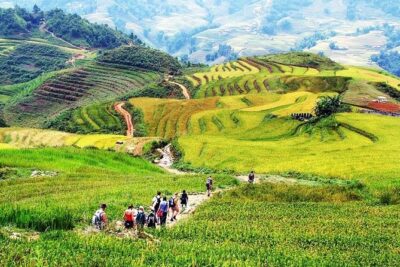
The first route heads southeast toward Y Linh Ho, a Black H’mong village surrounded by green hills and rice terraces. The walk is not simply a viewpoint visit. You move through the valley, seeing how homes and farmland fit into the slopes.
From Y Linh Ho, the route continues about 3 kilometers toward Lao Chai. A small tunnel or bridge connects the route into the Muong Hoa Valley, adding a little variety to what would otherwise be a long series of uphill and downhill paths.
The scenery is the main reward here. Terraced fields change character with the season, and the valley gives you a better sense of scale than a roadside stop. You also have time to notice daily village life, rather than seeing the area only through a bus window.
The first day has been described at different points as about 9 kilometers, 10 kilometers, or a route made up of 6 kilometers to Y Linh Ho plus another 3 kilometers to Lao Chai. The safest approach is to prepare for a substantial day on foot. The overall trip information gives a total of about 15 kilometers, while the second day is listed as an 8-kilometer walk in the schedule and about 5 kilometers in one account.
That mismatch does not change the practical advice: wear proper hiking shoes, carry water, and do not treat this as a gentle village stroll.
Lunch and an afternoon in Ta Van

Lunch comes around 12:30 PM in Ta Van village, followed by check-in and rest at the homestay. Ta Van is a good place for the overnight stop because you are already inside the walking area rather than returning to Sapa town.
The afternoon is flexible. You can explore Ta Van on your own, or ask the guide to lead you toward more terraced fields and quiet streams. This open time is valuable after the morning walk. You can slow down, take photographs, and let the setting do some of the work instead of rushing from one scheduled stop to another.
At 4:00 PM, you return to the homestay to rest. You can also join a cooking class focused on Vietnamese spring rolls. It is a modest activity, but a useful one. You are not just eating local food at dinner; you get to handle one familiar part of Vietnamese cooking yourself.
Dinner is served around 6:30 PM and features local dishes. The private room is a clear plus, particularly for anyone who wants quiet after a long trek. At the same time, a homestay is still a homestay. Do not book this expecting the services or facilities of a city hotel.
One point to consider is the level of interaction. The guide’s role can be strong, especially when explaining village customs and managing the route, but the amount of conversation with the host family may depend on the day and the people involved. If meeting local residents is your top reason for booking, keep your expectations open rather than assuming a long cultural exchange.
More Homestays in Sapa:
- Hanoi – Sapa 2 Days 1 Night Overnight At Homestay
★ 5.0 · 899 reviews - Number one top rated ethical cultural trekking and homestay by Ethos
★ 5.0 · 456 reviews - 2-Day Sa Pa Ethnic Homestay Tour & Trek with Limousine Bus
★ 4.8 · 440 reviews - Hanoi – Sapa 3 Day 2 Night Trekking With Hotel & Homestay
★ 5.0 · 389 reviews
Day two: the Red Dao villages of Giang Ta Chai

Breakfast is served at 7:00 AM. At 8:00 AM, you set out toward Giang Ta Chai, a Red Dao village, on a route of about 8 kilometers according to the schedule.
The walk passes through two Red Dao communities. This gives the second day a different cultural focus from the Black H’mong villages visited on day one. Your guide can explain local traditions and customs as you go, which is one of the most useful parts of having a guide on this route.
Giang Ta Chai is known for its mountain setting and for the chance to see Red Dao culture in its home area. The walk itself is as important as the destination. You spend time moving through the countryside, crossing the kind of terrain that makes Sapa memorable, rather than arriving at a village by road and leaving a few minutes later.
Lunch is scheduled at noon at a local restaurant, with time to rest afterward. The return to Sapa town is by car at about 2:00 PM, giving you a needed break before the bus ride south.
This day is still active, even though the afternoon transfer is motorized. If you found day one difficult, the second morning may feel long. The trip is not suitable for pregnant women, wheelchair users, or anyone who does not feel able to manage a moderate to high level of walking.
What the guides add to the route

The guide can make or break a trekking tour, and named guides Zem, Sou, and Mao Co have each been praised for different strengths.
Zem is noted for checking that everyone was doing well, explaining village traditions, and leading the spring-roll activity. Sou is described as helpful and encouraging during the physical effort and heat. Mao Co is especially noted for being considerate.
Those details point to what you should want from a guide here: steady pacing, clear direction, and context for what you are seeing. The paths through the valley are not just scenic trails. They lead through working communities, and a good guide helps you understand the difference between the Black H’mong and Red Dao villages.
The guide also gives you someone to turn to when the route becomes tiring. The walking is described as medium rather than advanced by one participant, but the official fitness advice is more cautious. I would plan for the harder interpretation, especially if you are not used to several hours of walking on uneven ground.
Food, comfort, and the meaning of homestay

Meals are included, covering breakfast, lunch, and dinner during the organized part of the trip. The food is local, and the cooking class gives you a small window into how one Vietnamese dish is made.
The food has received strong praise, but tastes and meal quality can vary. You should still bring snacks if you tend to get hungry between meals, particularly because the walking days are long. Coffee and soft drinks are not included.
The private room is one of the better comfort features. After the first day, you have a place to rest without sharing a dormitory space. Still, this is a rural homestay in Ta Van, not a luxury resort. The appeal is location and local setting, with basic comfort after trekking.
The homestay experience may also be less social than you expect. One account wanted more contact with the host family and more interaction with the guide. That is useful to know before booking. You will see village life directly, but the depth of personal exchange is not guaranteed.
How hard is the walking?
The tour requires about 15 kilometers of hiking overall, and the information describes the effort as moderate to high. The route includes rice-field paths, village roads, valley trails, and terrain that can feel harder under strong sun or wet weather.
The most important gear is simple:
- Comfortable hiking shoes with a good grip
- Water
- Sunscreen and a hat
- Rain gear
- Biodegradable insect repellent
- A valid passport or ID card
Do not bring only casual sneakers if you have proper hiking shoes available. You may find the route manageable, but footwear becomes important when the ground is uneven or damp.
The weather can change the feel of the trip. Sun makes the open rice terraces hot, while rain can make paths slippery. Pack rain gear even if the forecast looks fine. A small daypack is more practical than a large suitcase, which should not be part of your walking load.
Who should book this Sapa trip?

I would choose this tour if you want to see several villages, walk through the Muong Hoa Valley, and have transport arranged from Hanoi. It is especially useful for first-time visitors who want a clear route and an English-speaking guide without organizing buses, meals, and accommodation separately.
It also suits people who like an active schedule but do not want an advanced mountain expedition. The route is long enough to feel like a real trek, yet the return from Giang Ta Chai to Sapa is by car.
You may want another option if you need guaranteed low-impact access, dislike overnight buses, or want a quiet luxury hotel. The trip is not suitable for wheelchair users or pregnant women, and the age guidance excludes people over 95 years.
Cancellation is allowed up to 24 hours before departure for a full refund, and you can reserve now and pay later. That gives you some flexibility, but you should still check your own transport plans around the late return to Hanoi.
Should you book it?

Book this tour if the main draw is walking through Sapa’s villages and rice terraces, with the practical details handled for you. The guide quality, village variety, spring-roll class, private homestay room, and all-in price make it a strong choice for an active two-day visit.
Skip it if you want a polished hotel stay or a very gentle schedule. The sleeper bus, early start, long walks, and variable homestay interaction require some tolerance for basic travel.
For most reasonably fit visitors, $110 is fair value. You get more than a scenic ride: you spend time on foot in Y Linh Ho, Lao Chai, Ta Van, and Giang Ta Chai, then return to Hanoi without having to piece the trip together yourself.
FAQ
How long is the Sapa trekking tour?
The experience lasts two days, with overnight bus travel from Hanoi before day one and a VIP cabin bus back to Hanoi after day two. The total walking distance is described as about 15 kilometers, though individual route sections are listed differently.
What villages does the trek visit?
The route includes Y Linh Ho, Lao Chai, Ta Van, and Giang Ta Chai. Y Linh Ho and Lao Chai are associated with Black H’mong communities, while Giang Ta Chai is a Red Dao village.
Where do I sleep?
You spend one night in a private room at a homestay in Ta Van village.
Is food included?
Yes. Meals included in the organized schedule include breakfast, lunch, and dinner. Coffee and soft drinks are not included.
What transport is used between Hanoi and Sapa?
You travel from Hanoi to Sapa by sleeper bus and return by VIP cabin bus. The outbound bus leaves around 9:30 PM, and the return bus leaves Sapa around 3:00 to 3:30 PM.
What fitness level is needed?
The tour requires a moderate to high level of fitness and includes about 15 kilometers of walking overall. Comfortable hiking shoes, water, sunscreen, and rain gear are recommended.
Is the tour suitable for wheelchair users or pregnant women?
No. The activity is not suitable for pregnant women or wheelchair users. It is also not suitable for people over 95 years old.
Can I cancel the booking?
You can cancel up to 24 hours in advance for a full refund. The experience also allows you to reserve and pay later.
More 2-Day Trips in Sapa
- Sapa 2 Days 1 Night From Hanoi – Overnight in Ta Van Village
★ 5.0 · 2,669 reviews - Sapa 2 Days 1 Night From Hanoi – Overnight in Hotel
★ 5.0 · 440 reviews - From Hanoi: 2-Day Sapa Limo Bus Tour & Fansipan Peak Visit
★ 4.6 · 277 reviews - From Hanoi: 2-Day Sapa Trek Tour – Luxury Limousine Transfer
★ 4.1 · 249 reviews
Just added around Sapa
- Hanoi to Sapa Bus – Private Cabin Bus★ 5.0 · 53 reviews
- Hanoi – Sapa 2 Days 1 Night Overnight At Local Homestay★ 5.0 · 233 reviews
- 2-Night Sapa Tour with Fansipan Peak by Bus from Hanoi★ 4.5 · 23 reviews
- Hanoi – Sapa 3 Days – 2 Nights Trekking with With the locals★ 5.0 · 95 reviews
- Sapa – Ha Giang Loop Tour 5 days 4 nights★ 5.0 · 24 reviews
- 3-Night Sapa Trek and Homestay with Round Trip Transfer from Hanoi★ 4.5 · 37 reviews
- 3-Days in Sapa with Overnight at 4 Star Hotel & Bungalow★ 5.0 · 27 reviews
- 2 days Amazing trekking Sapa from Hanoi with various options★ 4.5 · 53 reviews
Hiking & Trekking, compared.

Halong Bay Full Day with Kayaking, Hiking viewpoint, Cave – Deluxe To Luxury
Read our review →
Sa Pa: Muong Hoa Valley Trek and Local Ethnic Villages
Read our review →
Sapa 3 Days 2 Nights Trekking Tour (1 Night In Ta Van Village, 1 Night In Hotel)
Read our review →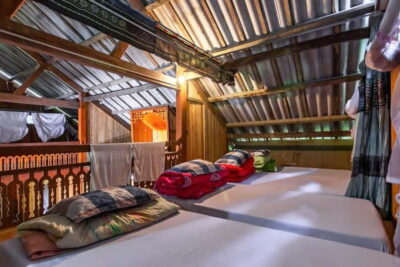
2-Day Sa Pa Ethnic Homestay Tour & Trek with Limousine Bus
Read our review →
1-Day Guided Trek to Lao Chai & Ta Van with Lunch
Read our review →
Browse the lists this tour appears in