
Reviewed · SAPA TOURS
From Hanoi: 2-Day Sapa, Fansipan, and Muong Hoa Valley Tour
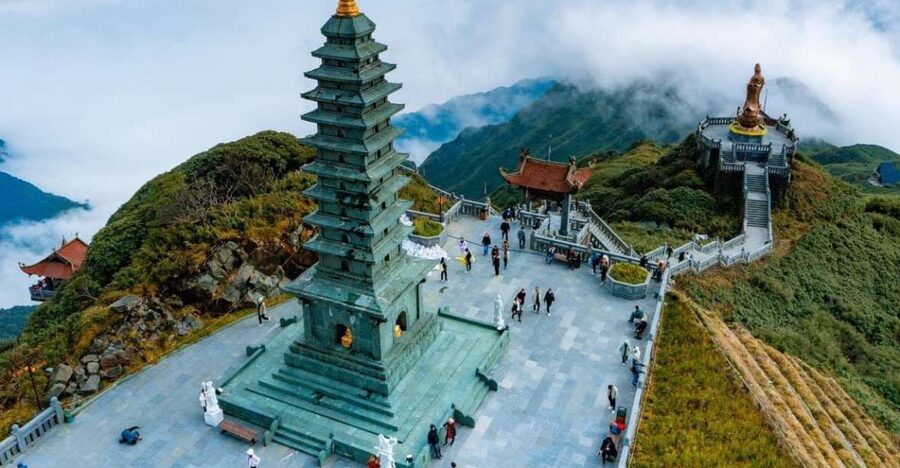
Fansipan is the star here. You ride a cable car high above northern Vietnam, then climb roughly 600 steps to the summit of the country’s highest mountain. On a clear day, the views are superb. On a cloudy day, you may get mist, pagodas, and a memorable sense of being above the world. The cable car makes the summit possible without a long mountain climb, but the final steps still require steady legs.
I like the way this tour pairs Fansipan with a proper Muong Hoa Valley walk rather than treating Sapa as a quick photo stop. I also like the small group size, which can make it easier to ask questions about rice farming, clothing, village life, and local customs. The main drawback is the tight schedule: after a long bus ride from Hanoi, you have only one night in Sapa, and the return journey begins at 2:30 pm on day two.
Key points to know before booking

- Fansipan by cable car: Ride for about 25 minutes to the upper station, then continue past pagodas and up around 600 steps to the summit.
- A real valley trek: Walk through rice terraces and villages, with a lighter or harder route based on your fitness.
- Local village lunch: Eat at a home in Ta Van, a Dzay village, with time to wander or swim in the Muong Hoa stream.
- Strong local guiding: Guides including Sue and Chia have been praised for explaining farming, natural dyeing, village life, and local history.
- Fast pace: The Hanoi to Sapa bus takes about six hours each way, and the itinerary leaves little spare time.
- Bring trail shoes: Mud, slippery rice-field paths, and uneven ground are possible, especially after rain.
The long road from Hanoi to Sapa

Your day begins around 6:30 am from Hanoi’s Old Quarter or your Old Quarter hotel. The limousine bus follows the Hanoi to Lao Cai highway, taking roughly six hours to reach Sapa. This is efficient, but it is also the least romantic part of the trip. You are giving up a night train and committing to a full morning on the road.
The bus ride offers changing views as the city gives way to northern hills and mountain scenery. Still, comfort can vary. One account describes an especially cramped middle seat and a rough, uncomfortable ride. Another points out that more toilet stops would have helped. If you are tall or prone to motion sickness, ask about your seat when possible, carry water, and keep medication close.
Arrival is scheduled for about 12:30 pm. Your local guide meets you, takes you to the hotel, and gives you time for check-in, a hot shower, and a short rest. That pause matters. You have already spent much of the morning in transit, and Fansipan is not a gentle stroll.
The accommodation is a deluxe double, twin, or triple room in a three-star hotel. Quality can vary, so keep your expectations at the three-star level rather than treating the room as a major part of the trip. One stay was described as comfortable, friendly, and good at breakfast. Another had an old bathroom and a leaking toilet. The hotel is useful as a base, but the mountain and valley are the reason to book.
More 2-Day Trips in Sapa:
- Sapa 2 Days 1 Night From Hanoi – Overnight in Ta Van Village
★ 5.0 · 2,669 reviews - Hanoi – Sapa 2 Days 1 Night Overnight At Homestay
★ 5.0 · 899 reviews - From Hanoi: 2-Day Sapa Trekking Trip with Homestay & Meals
★ 4.8 · 704 reviews
Fansipan after lunch: cable car, pagodas, and 600 steps
Around 2:00 pm, you transfer to the Fansipan cable car station. The cable car ride takes about 25 minutes and carries you to roughly 2,800 meters. This is the tour’s easiest way to reach a very high mountain viewpoint. You do not need a multi-day ascent, but you should still expect thinner air, steep stairs, and possible fog.
The upper station area includes pagodas and other spiritual sites. Take time here instead of rushing straight to the top. The combination of mountain air, religious buildings, and open views gives Fansipan more character than a simple cable car lookout.
From the upper station, you continue on foot. The final climb is about 600 steps. That figure sounds modest until you are at high altitude, possibly in cold or damp weather, and moving uphill after a full day of travel. Go slowly. The guides can help people who struggle with the terrain, and you should not feel pressured to race upward.
At the summit, you reach the marker for Fansipan, known as the Roof of Indochina and the highest peak in Vietnam. Clear weather can reveal broad mountain views and layers of distant ridges. Clouds may close in quickly, though. One fortunate visit began in fog, then opened to clear skies, turning the summit into the day’s major reward.
You should treat weather as part of the deal, not a minor detail. The climb can be delayed or cancelled in bad conditions. Fansipan is also unsuitable for people with acrophobia, heart problems, or high blood pressure. The cable car removes the need for a long ascent, but it does not remove height, stairs, or mountain weather.
The total Fansipan outing can take around four hours, including transport, the cable car, time at the summit, and the return ride. You return to Sapa for the night. The included room gives you a place to wash, sleep, and prepare for the next morning, but the schedule does not leave much room for independent sightseeing.
Muong Hoa Valley on foot

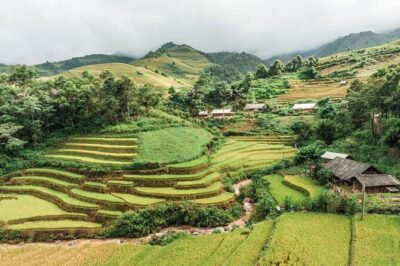
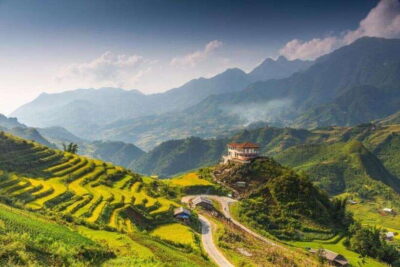
After breakfast, day two shifts from engineering and altitude to village paths and rice terraces. You trek through Muong Hoa Valley toward Lao Chai, associated with the Hmong, and Ta Van, home to the Dzay people. The route passes cultivated slopes, homes, schools, and local communities.
The walk is one of the best reasons to choose this package. Fansipan gives you a dramatic high point, but Muong Hoa shows how people live and work in the mountain valleys. Your guide can explain rice harvesting, clothing production, and natural dyeing, as well as everyday village life.
The route can be adjusted to a lighter or harder trek. That flexibility is useful, but it does not turn the walk into an easy outing. Paths may be muddy, narrow, steep, or slippery. One group faced wet conditions after an early shower and found the three-plus-hour walk tiring. A five-hour version is also possible depending on the route and pace.
Wear hiking or trail shoes with a strong grip. Tennis shoes may be fine on dry pavement, but they are a poor choice for muddy terraces. Pack clothes that can get dirty, insect repellent, sunscreen, and any personal medication. Comfortable clothing is more important than looking polished here.
The guide is especially important on this section. Sue has been praised for explaining rice farming, clothing, and village customs while taking care of walkers who struggled with the ground. Chia has also been singled out for helping people move safely across slippery paddy paths, sometimes with assistance from a local helper. The small group, limited to 10 people, gives the guide a better chance to keep an eye on everyone.
You will likely spend time visiting homes and a local school. Keep an open mind and follow your guide’s lead about photography and interaction. The value is not just in seeing traditional buildings. It is in understanding how farming, clothing, food, and community life fit together in the valley.
Lunch in Ta Van and the return to Sapa

Lunch is served at a local home in Ta Van. This is a simple but useful part of the day because it breaks up the walk and puts you in a lived-in village setting rather than a restaurant designed only for tour groups.
You may have time afterward to wander around or swim in the Muong Hoa stream. The wording here matters: swimming is presented as an option, not a guaranteed activity or a supervised stop. Bring sensible expectations and do not count on it if weather, water conditions, or the schedule do not suit.
A van takes you back to Sapa town. You then have some free time to walk around before the 2:30 pm transfer to Hanoi. This window is short. It is enough to get your bearings, buy a snack, or take a brief look at town, but not enough for a relaxed afternoon of shopping and sightseeing.
You are due back at your Hanoi hotel around 7:30 pm. The return bus makes the tour convenient for anyone who wants to finish in Hanoi, but it also makes day two a long one. You trek in the morning, return to town, board the bus, and spend much of the evening on the road.
A few more Sapa trips worth comparing
- Sa Pa: Muong Hoa Valley Trek and Local Ethnic Villages
★ 4.6 · 864 reviews - Sapa: Fansipan Cable, Cat Cat Village & Moana Instagram Tour
★ 5.0 · 777 reviews - Sapa 3 Days 2 Nights Trekking Tour (1 Night In Ta Van Village, 1 Night In Hotel)
★ 5.0 · 699 reviews - Sapa: Eco Adventure Terrace Fields and Local Villages Trek
★ 4.9 · 636 reviews
What the $169 price really covers

At $169 per person, the package offers solid value if you want transport and the major Sapa sights handled in two days. The price includes return bus travel between Hanoi and Sapa, a three-star room, breakfast, lunch, the Fansipan cable car return ticket, village transport, sightseeing fees, and an English-speaking Sapa guide.
Fansipan tickets alone can make the package more attractive, since the cable car is the key expense of the mountain visit. You also avoid arranging separate transfers between the bus, hotel, cable car station, and valley route. For a short trip, that saves time and reduces the chance of missing a connection.
The value is less clear if you want a slow Sapa stay. You spend about 12 hours on buses across two days, and your time in town is limited. A longer stay would give you more breathing room, but this package is designed for people who have only two days and want the main sights.
Government tax of 10 percent is not included. Travel insurance, soft drinks, and the Fansipan monorail and funicular are also extra. The cable car return ticket is included, but the additional mountain transport options are not. Ask about these costs before you board so the final bill does not surprise you.
The listed price also excludes a $15 per-person surcharge for a French-speaking guide. A Lunar New Year surcharge of $30 per person applies from January 26 to February 2, 2025. These charges are due at the meeting point.
The human side of the tour

The strongest part of this experience is the local guide. Sue has led both the Fansipan visit and the Muong Hoa trek, explaining mountain sights on day one and farming, clothing, and village life on day two. Her calm help with tired walkers is particularly useful because the valley route can become awkward underfoot.
Chia has also been praised for combining practical care with a cheerful manner. That matters more than a long speech at a viewpoint. In Sapa, a good guide helps you cross wet terraces, keeps the group moving, and explains what you are seeing without turning the walk into a lecture.
An optional motorbike outing has also been available through a guide. This is separate from the core package, so treat it as an extra rather than part of the advertised plan. It can include touring the valley and lunch at the guide’s home, with one account describing freshly prepared salmon and sturgeon. Ask directly about cost, safety, and availability if this interests you.
The group limit of 10 is a useful middle ground. You are not traveling alone, but the group is small enough for questions and individual attention. On one day, a solo participant effectively had a private guide. On another, eight people shared the valley walk. Group size can change, so do not assume you will have the same arrangement.
Who should book this Sapa trip?

I would choose this tour if you have only two days from Hanoi and want the biggest Sapa sights with minimal planning. It suits reasonably fit visitors who can manage several hours of walking, uneven ground, stairs, and a long bus journey.
It is also a good match if you care about local culture, not just mountain photos. The visits to Lao Chai and Ta Van, the village meal, and the explanations about farming and natural dyes give the trip more substance than a simple Fansipan ticket.
I would think twice if you have heart problems, high blood pressure, serious motion sickness, or a fear of heights. It is not suitable for wheelchair users, and it is not designed for a slow, easy pace. People over 95 are also listed as unsuitable for the activity.
Bring your passport or ID card, hiking shoes, sunscreen, insect repellent, comfortable clothes, and personal medication. Food and drinks are not allowed in the stated activity rules, and alcohol, drugs, littering, explosive substances, and nudity are prohibited.
Should you book it?

Book this tour if you want Fansipan and Muong Hoa Valley in one compact trip, and you accept that the schedule will feel full. The best parts are the cable car access to Vietnam’s highest peak, the village trek, and guides such as Sue and Chia who can turn difficult ground into a manageable day.
Skip it if you want long evenings in Sapa, a gentle walking program, or more control over transport. The bus rides are long, the return is rushed, and hotel quality can vary. For a first Sapa visit with limited time, though, the $169 package covers the major costs and gives you a practical introduction to the mountains and their communities.
Cancellation is free up to 24 hours before departure, and you can reserve now and pay later. That flexibility is useful, especially because Fansipan conditions can change quickly.
FAQ

How long does the tour last?
The experience lasts two days. Departure from Hanoi is around 6:30 am on day one, and arrival back at a Hanoi hotel is scheduled for about 7:30 pm on day two.
Is the Fansipan cable car included?
Yes. A return Fansipan cable car ticket is included. Monorail and funicular tickets are not included.
How difficult is the Muong Hoa Valley trek?
You can choose a lighter or harder trek based on your fitness level, but the walk can still be tiring. Expect uneven and potentially muddy ground, with routes lasting several hours.
Which villages does the tour visit?
The trek visits Lao Chai village of the Hmong people and Ta Van village of the Dzay people. It can also include local homes and schools.
What meals are included?
The package includes one breakfast and one lunch. Lunch is served at a local home in Ta Van.
What happens if the weather is bad at Fansipan?
The Fansipan trek may be delayed or cancelled in bad weather. The activity requires good health and is not suitable for people with acrophobia, heart problems, or high blood pressure.
Just added around Sapa
- Hanoi to Sapa Bus – Private Cabin Bus★ 5.0 · 53 reviews
- Hanoi – Sapa 2 Days 1 Night Overnight At Local Homestay★ 5.0 · 233 reviews
- 2-Night Sapa Tour with Fansipan Peak by Bus from Hanoi★ 4.5 · 23 reviews
- Hanoi – Sapa 3 Days – 2 Nights Trekking with With the locals★ 5.0 · 95 reviews
- Sapa – Ha Giang Loop Tour 5 days 4 nights★ 5.0 · 24 reviews
- 3-Night Sapa Trek and Homestay with Round Trip Transfer from Hanoi★ 4.5 · 37 reviews
- 3-Days in Sapa with Overnight at 4 Star Hotel & Bungalow★ 5.0 · 27 reviews
- 2 days Amazing trekking Sapa from Hanoi with various options★ 4.5 · 53 reviews
Sapa Tours, compared.
Sapa 2 Days 1 Night From Hanoi – Overnight in Ta Van Village
Read our review →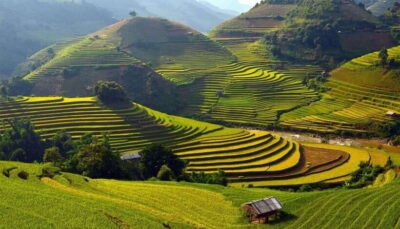
Sa Pa: Muong Hoa Valley Trek and Local Ethnic Villages
Read our review →
Fansipan Cable, Cat Cat Village & Moana Instagram Tour
Read our review →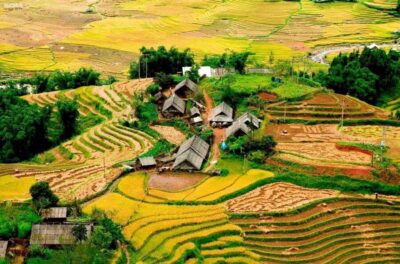
Eco Adventure Terrace Fields and Local Villages Trek
Read our review →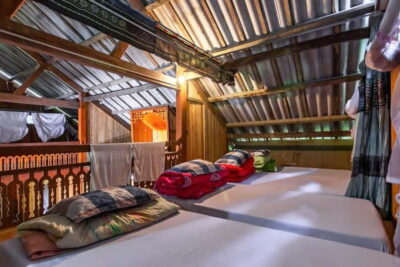
2-Day Sa Pa Ethnic Homestay Tour & Trek with Limousine Bus
Read our review →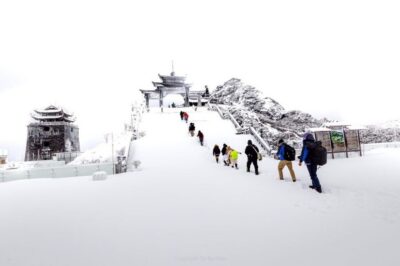
1-Day Guided Trek to Lao Chai & Ta Van with Lunch
Read our review →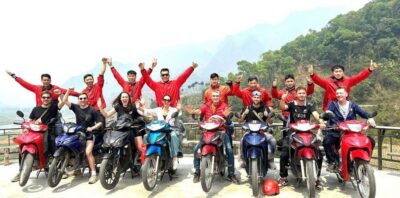
3-Day Ha Giang Loop with Safe Rider (max 8 pax)
Read our review →Browse the lists this tour appears in