
Reviewed · COOKING CLASSES
Hanoi Maya Kitchen: Traditional Cooking Class & Market Tour
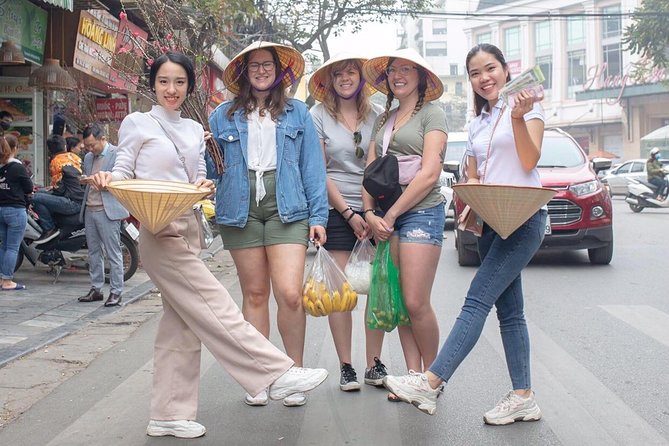
The most appealing part of this Hanoi cooking class happens before you reach the stove: you visit a nearby local market and help choose the ingredients. I like that the market stop gives you a quick look at everyday Hanoi, and I like that you cook a full meal rather than simply watch a demonstration. Instructors including Iris, Ruby, and Aurora have led classes here, with step-by-step help and the occasional song.
The main drawback is that the meeting details list both 38 Bat Su Street and the Crossing Vietnam Tour office at 47 Hang Bong Street, so I would confirm the exact starting point before setting out. Also, this is a four-hour class with plenty of food, not a quick tasting, so skip a large breakfast.
Key points to know before booking
- Market shopping comes first: Visit a nearby local market to see fresh ingredients and learn about Vietnamese substitutions.
- You make five menu items: Prepare fried spring rolls, papaya salad, pho rolls, mixed pho, and egg coffee.
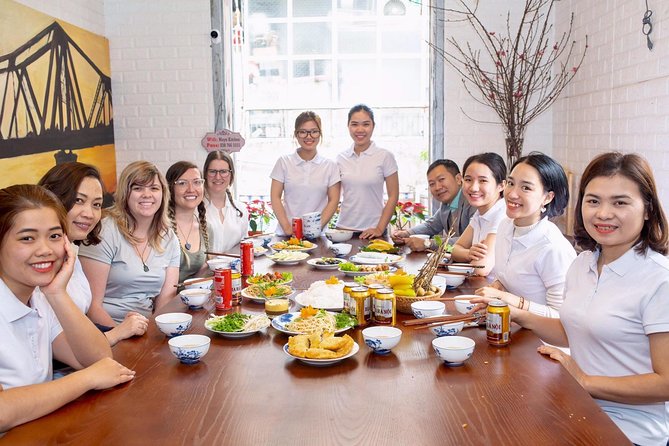
- The food becomes your lunch or dinner: Sit down afterward to eat the dishes you made, with seasonal fruit for dessert.
- Instructors give hands-on help: Iris, Ruby, and Aurora are among the instructors associated with the class.
- The $30 price covers a lot: Food, one drink, local wine tasting, English instruction, and recipes are included.
- Plan around the four-hour length: The class suits people who want a real activity, not just a short food stop.
Starting with a Hanoi market visit
This experience begins near Hanoi’s Old Quarter, with a walk to a nearby local market identified as Yen Thai Market in the detailed plan and Hang Da Market in the stop information. The supplied meeting details also name 38 Bat Su Street as the start, while the office is listed at 47 Hang Bong Street. Since these addresses differ, check your confirmation carefully before you go.
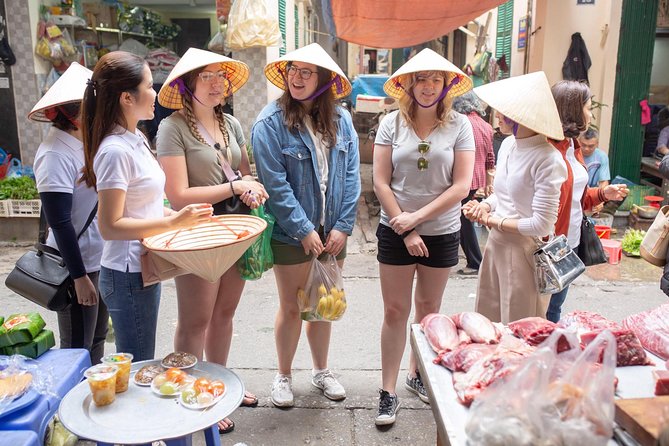
The market visit is not just a shopping errand. Your instructor helps you look at the ingredients used in Vietnamese cooking and explains possible substitutes. That matters if you plan to cook at home later, since some items may be hard to find outside Vietnam.
You can expect a local market rather than a polished food hall. The value is in seeing how ingredients are selected and understanding what goes into familiar dishes before you try to make them. You get a better sense of Vietnamese cooking when you have handled the raw materials first.
The market stop also gives the class a useful rhythm. You begin with Hanoi’s daily food culture, then move into the kitchen with a clearer idea of what you are preparing. It is a small but worthwhile contrast to a class held entirely indoors.
More Cooking Classes in Hanoi
- Hanoi Cooking Class: Culture, Local Market & Meaning CSR Impact
★ 5.0 · 5,147 reviews - 5 Traditional Dishes Hanoi Cooking Class with Market Trip
★ 5.0 · 4,890 reviews - Vietnamese Food Cooking Class in Hanoi with Market Experience
★ 5.0 · 778 reviews
Rolling spring rolls by hand
The first cooking task is Nem Ran, or fried spring rolls. The instructor demonstrates how to fill and roll them, then guides you through the process yourself.
This is one of the more hands-on parts of the class. The rolls need to be even and neatly shaped, so you use your hands rather than simply following a written recipe. That makes the dish a good introduction to the class: the technique is simple to understand, but it still takes a little care.
Fried spring rolls are connected with Vietnamese holidays and family gatherings, so this dish gives you more than a snack to prepare. You are learning something commonly served at shared meals. The class keeps the process practical, with the instructor showing each stage before you try it.
I would pay close attention here and take mental notes about the folding technique. The recipe is included, and this is the kind of dish you may realistically try again at home. It is also a useful choice for families and small groups because everyone can take part in shaping the rolls.
Balancing sweet and sour in papaya salad
Next comes Nom Du Du, the Vietnamese papaya salad. Its main flavor contrast is sweet and sour, which gives the dish a lighter balance beside the fried spring rolls.
This part of the class helps explain why a Vietnamese meal often feels varied rather than heavy. You make one crisp, fresh dish and one fried dish, then later add two noodle-based preparations. The menu is designed around contrast in texture and flavor.
You should expect guidance rather than a formal culinary lecture. The instructor works through the steps with you, and the focus is on making the dish successfully. If you enjoy adjusting flavors, this may be one of the most interesting recipes because sweet and sour seasoning can be tuned to taste.
The menu names papaya salad twice in the description, but it is one dish, not two separate courses. That is worth noting when you look at the five-item menu: there are four savory dishes and egg coffee, followed by seasonal fruit.
Making pho rolls and mixed pho

The class also includes Pho Cuon, or pho rolls, and Pho Tron, or mixed pho. These dishes show two different ways to use pho noodles beyond the familiar soup bowl.
Pho rolls let you work with soft rice noodles in a rolled form. Mixed pho gives you a different preparation, with the noodles combined with the other ingredients rather than served as soup. Together, they make the menu feel broader than a standard noodle lesson.
The precise ingredients and cooking order may vary with the market supplies, but the advertised menu is clear about the four dishes you will prepare. You can ask the English-speaking instructor about substitutions as you work, which is especially useful if you want to repeat the recipes at home.
Do not expect a restaurant kitchen apprenticeship. This is a social, practical class for visitors, with step-by-step instruction and a shared meal at the end. The maximum group size is 15, so the experience may feel more like a small group workshop than a private lesson. If you need one-on-one attention throughout, a larger group could be a consideration.
More Market Tours in Hanoi
- Hanoi: 5 Local Dishes Cooking Class with Meal & Market Visit
★ 5.0 · 420 reviews - Hanoi Cooking Class and Market Tour in Ancient House
★ 5.0 · 379 reviews - Rose Kitchen Hanoi: Market, Cooking & Culture Tour + Free PickUp
★ 5.0 · 342 reviews - Hanoi: Old Quarter Market Tour and Cooking Class with Meal
★ 4.8 · 192 reviews
The egg coffee finale

Vietnamese egg coffee, or Ca Phe Trung, is the menu’s most distinctive drink. You make it as part of the class rather than ordering it separately.
Egg coffee is a useful addition because it introduces a Hanoi specialty that many visitors may not encounter in a normal cooking lesson. It also breaks up the savory dishes with something sweet and coffee-based.
The available details do not specify the exact method or equipment used, so you should expect an instructor-led preparation rather than assume a particular technique. The key point is that egg coffee is included in the hands-on menu, along with one additional drink such as water, tea, or coffee.
After the cooking, you sit down to eat what you have made. Seasonal fruit is provided for dessert, and the package also includes a local wine tasting. This is a generous finish for a $30 activity, especially if you treat the meal as part of the tour rather than an extra tasting.
A full meal for $30
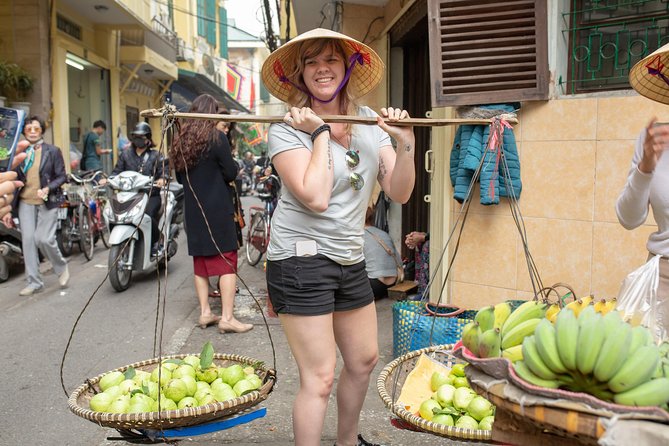
At $30 per person, the class offers good value if you want food, instruction, and a cultural stop in one booking. The price includes the market visit, ingredient buying, an English-speaking instructor, all menu items, seasonal fruit, one drink, local wine tasting, and a cooking recipe.
The strongest value comes from the amount of food. You prepare four savory dishes, egg coffee, and fruit, then eat the results. If you arrive hungry, you may be pleased, but the class information and direct comments from the experience both suggest that the portions can be more than enough. I would avoid a heavy breakfast or lunch beforehand.
The price does not include hotel pickup or drop-off. You need to reach the meeting point yourself, so add walking or local transport time when planning your day. The activity ends back at the meeting point.
For comparison, this is not the cheapest possible way to eat in Hanoi. Street food can cost far less. But street food will not give you a market explanation, guided preparation, a recipe to take home, and a structured meal. If you want to learn as well as eat, the price is reasonable.
Instructors who make the class personal

The instructor can shape the experience as much as the menu. The class has been led by Iris, Ruby, and Aurora, and the available comments give each a slightly different flavor.
Iris is associated with the market ingredient selection and careful step-by-step kitchen guidance. Ruby is praised for clear teaching, good food, and sharing suggestions for local places to eat. Aurora has added stories about Vietnam and even some singing during the class.
Those details suggest a relaxed class rather than a silent cooking demonstration. Still, instructor assignments can change, so do not book on the assumption that one particular teacher will lead your session unless the operator confirms it.
The English-speaking instruction is important here. You need to understand how to roll the spring rolls, balance the papaya salad, and handle each noodle dish. The class is more useful when you can ask about ingredients and substitutions as you go.
What the four hours feel like
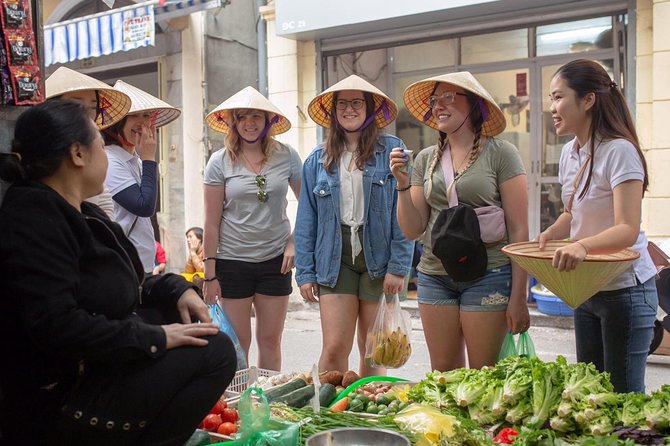
Four hours gives the activity enough time to include both the market and the cooking. You are not rushed through a single recipe, but you also spend a large part of the day on one organized activity.
The sequence is straightforward:
- Meet at the Old Quarter starting point.
- Walk to the nearby market and help select ingredients.
- Return to the kitchen for instruction and preparation.
- Make the spring rolls, papaya salad, pho rolls, mixed pho, and egg coffee.
- Eat the meal together with fruit, a drink, and local wine tasting.
The exact timing at each stage is not provided, so allow the full four hours. The activity is best placed on a day when you are not racing to another reservation.
A small group of up to 15 people keeps the class manageable, though it is not guaranteed to feel intimate. The format works well for couples, families, and friends who want to cook together. It may suit children if they enjoy hands-on food preparation, but the supplied information does not set a minimum age or describe special child arrangements.
Practical details before you go
The ticket is mobile, and confirmation is sent at booking. Service animals are allowed, and the meeting area is near public transportation.
You must arrange your own way to the start. Since the information names both 38 Bat Su Street and 47 Hang Bong Street, I would use the address shown on your final confirmation and contact the provider if anything is unclear. This is a small detail, but arriving at the wrong Old Quarter street could cut into the market visit.
Bring an appetite, but not an overfull stomach. The cooking class ends with the dishes you prepare, and the meal can be substantial enough that you may want to carry leftovers. One direct account describes special containers being used when there was too much food to finish, though you should not assume leftovers or containers are guaranteed every time.
You can cancel for a full refund if you do so at least 24 hours before the local start time. Cancellations or changes made inside that window are not refunded or accepted.
Who should book this cooking class?
I would choose this class if you want to understand Vietnamese food by preparing it yourself. The market visit makes it more useful than a kitchen-only lesson, while the full meal gives you a clear payoff after the work.
It is a good match for:
- First-time visitors who want a simple introduction to Vietnamese ingredients
- Couples and families who enjoy doing an activity together
- Anyone curious about egg coffee and Hanoi-style noodle dishes
- People who want recipes they can try at home
- Diners who prefer a filling cultural activity to a short tasting
I would think twice if you dislike group classes, have very limited time, or want a highly technical cooking course. The maximum group size is 15, and the class is built around shared instruction and a shared meal.
Should you book Hanoi Maya Kitchen?
Yes, if you want a practical four-hour introduction to Hanoi food and do not mind spending part of your day cooking. The best features are the market visit, the hands-on spring-roll lesson, the unusual egg coffee, and the amount included for $30.
The main points to confirm are the exact meeting address and the instructor assigned to your date. Once those are clear, this is a well-priced choice for a meal you help create, a recipe you can take home, and a closer look at the ingredients behind familiar Vietnamese dishes.
FAQ
How long does the Hanoi Maya Kitchen experience last?
The activity lasts approximately four hours, including the market visit, cooking class, and meal.
Where does the activity start?
The start is listed as 38 P. Bat Su, Hang Bo, Hoan Kiem, Hanoi. The information also identifies the Crossing Vietnam Tour office at 47 Hang Bong Street, so confirm the exact meeting address before departure.
Is hotel pickup included?
No. Pickup and drop-off are not included. You need to make your own way to the meeting point.
What dishes will I prepare?
You will prepare papaya salad, fried spring rolls, pho rolls, mixed pho, and Vietnamese egg coffee. Seasonal fruit is served for dessert.
Is food and drink included?
Yes. The menu food, seasonal fruit, one drink such as water, tea, or coffee, and a local wine tasting are included.
Is the class taught in English?
Yes. An English-speaking instructor leads the cooking class.
What is the cancellation policy?
You can cancel at least 24 hours before the local start time for a full refund. Cancellations or changes made less than 24 hours before the start are not accepted and are not refunded.
Just added around Hanoi
- Private Crowd Free Hanoi: Morning Highlights of the City Experience★ 4.5 · 124 reviews
- Hoa Lo Prison and Little Paris Tour in Hanoi (French Quarter)★ 5.0 · 20 reviews
- Hanoi’s Old Quarter Street Food Experience and Train Street★ 5.0 · 22 reviews
- Old Quarter Food Tour in Hanoi★ 5.0 · 104 reviews
- Retro Hop-on-hop-off Bonbon City Tour: Classic Package★ 4.0 · 32 reviews
- [Hi-end] Private Hanoi Street Food Tour With Real Foodie★ 5.0 · 154 reviews
- Hanoi Street Food Tour★ 5.0 · 27 reviews
- Hanoi Street Food Tour with egg coffee making★ 5.0 · 22 reviews
Cooking Classes, compared.

Hanoi Cooking Class: Culture, Local Market & Meaning CSR Impact
Read our review →
Cooking Class Hoi An:Local Market, Basket Boat, Fishing & Cooking
Read our review →
Mekong Delta Boat,Khotcake cooking Coconut Village,SmallGroup
Read our review →
Mekong Delta 4 Islands, TukTuk, Boat, Try Khot Cake Local Cooking
Read our review →
Chef Vu Cooking Class Plus Market Trip in Saigon Center (Pick up by Cyclo)
Read our review →
Hanoi Cooking Class: Pho/Bun Cha/Banh Xeo…+Free Egg/Salt Coffee
Read our review →Browse the lists this tour appears in