
Reviewed · CRAFT VILLAGE TOURS
Discover Traditional Silk Process in Hoi An Silk Village
Silk making becomes much more interesting when you see the whole chain, from mulberry gardens and live silkworms to cocoons, thread, looms, and finished cloth. This short visit at Hoi An Silk Village connects an everyday shopping item to old farming and weaving traditions from Quang Nam.
I like the clear, hands-on sequence and the chance to see workers unwind thread directly from cocoons. I also like the cultural link to Champa and Dai Viet weaving, which gives the fabric more meaning than a quick stop in a shop. The main drawback is time: 50 minutes passes quickly, and the final exhibition can feel more sales-focused than the working areas.
Key points to know before you go
- Watch silk thread come from cocoons: The unraveling house shows the central step in turning a cocoon into usable thread.
- See the process from the beginning: Mulberry gardens and a silkworm-breeding house explain how the worms are fed and raised.
- Meet the craft through English: Guides including Thu and Tsu have been praised for clear, patient explanations.
- Learn to spot pure silk: The exhibition explains differences between genuine and imitation fabric before you shop.
- Expect a compact visit: The tour lasts 50 minutes, making it useful for a short gap in your Hoi An schedule.
- Allow room for shopping decisions: Silk shirts, fabrics, and other goods are available, but print choices may feel limited or busy.
Why this short silk tour is worth your time
Hoi An has plenty of shops selling scarves, shirts, and tailor-made clothing. It is harder to know what you are buying. This visit gives you a practical introduction before you spend money, showing how silk is cultivated, extracted, spun, woven, and presented for sale.
At $11 per person, the experience is priced as a modest cultural stop rather than a full-day excursion. There is no hotel transport or meal, but the entrance fee, English-speaking guide, and bottled water are included. If you are already in Hoi An, the cost is reasonable for a focused lesson with real demonstrations.
I would not treat this as a large museum or an all-afternoon craft workshop. It is a quick, guided walk through several working areas. Its value comes from seeing the stages in order and being able to ask questions while the process is happening.
The tour has an overall rating of 4.4 from 60 reviews, with especially strong praise for the guides, the silk-making explanation, and the quality of the fabrics. That matches the format: this is best for someone who wants a useful introduction, not an elaborate production show.
More Craft Village Tours in Hoi An
- Thanh Ha Village: Pottery Workshop with Locals
★ 4.4 · 223 reviews - Hoi An: Thanh Ha Village Tour with Pottery Making and Gift
★ 4.8 · 78 reviews - Cooking Class Hoi An – Organic Garden – Farming Tour-Handicrafts
★ 5.0 · 56 reviews
Starting at the Quang Nam traditional house
The visit begins with a welcome drink, followed by an introduction to a traditional house connected with Quang Nam sericulture. Here, you hear how mulberry growing and silk production developed as a craft in the region.
This opening matters because silk is not simply a finished textile. It depends on land, plants, insects, careful timing, and skilled handwork. The explanation gives you a better sense of why a silk garment represents many separate tasks.
The village preserves handmade weaving methods linked with the Champa and Dai Viet eras. That cultural connection adds depth to what could otherwise be a simple factory demonstration. You are not only looking at fabric. You are seeing a local craft shaped by centuries of farming and textile work.
The English guide is important here. An unclear introduction would make the rest of the visit feel like a series of machines and displays. Guides such as Thu and Tsu have been praised for speaking clearly and answering questions patiently. If you have an interest in clothing, farming, or regional history, this is a good place to ask about the relationship between the mulberry tree, the silkworm, and the finished thread.
Mulberry gardens and the silkworm-breeding house

Next, you visit the ancient mulberry gardens and the silkworm-breeding house. This is one of the most useful parts for anyone who has only encountered silk as a smooth scarf or expensive shirt.
The mulberry tree provides the food for the silkworms. The visit explains how the worms are fed and raised, bringing the farming side of silk production into view. You may find this section especially interesting if you are traveling with children, since it connects a familiar natural material to a living creature and a working farm system.
The breeding house is not a polished showroom in the same way as the exhibition area. That is part of its appeal, but it also means you should expect a working environment rather than a theatrical presentation. Space inside some buildings can be limited, so a smaller group makes it easier to see and hear.
One important point is handled frankly: extracting silk from the cocoon kills the silkworm. The process is traditional, and seeing it may be uncomfortable for some people. I appreciate that this is part of the actual explanation rather than something hidden behind the finished product. If animal welfare is a serious concern for you, keep this detail in mind before booking.
The unraveling house and the moment silk becomes thread

The unraveling house shows how silk thread is removed from the cocoon. This is the moment when the tour becomes especially tangible. Instead of simply hearing that silk comes from silkworms, you see workers handle the cocoons and draw out the fibers for weaving.
The work requires care because the cocoon is not a single short strand in the way you might imagine. Several fibers are brought together to create thread with enough strength and consistency for fabric. The demonstration helps explain why handmade silk production takes patience and why genuine silk can cost more than a synthetic substitute.
This was a favorite part of the visit for one guest who found the extraction process both fascinating and difficult because the silkworm dies. That reaction is worth considering. The tour does not present silk as an abstract luxury. It shows the biological cost and manual labor behind the material.
You will not spend hours practicing this craft yourself. The format is observation and explanation, with time for questions. Still, it offers more substance than a display of finished garments. I would pay close attention here, since this is the step most difficult to understand from a shop window.
Same trip, a completely different kind of day:
- Hoi An: Basket Boat Ride in the Coconut Forest
★ 4.9 · 4,956 reviews - Hoi An: Vietnamese Coffee Culture and Coffee Making Class
★ 4.9 · 4,006 reviews - Hoi An: Vietnamese Foldable Lantern Making Class
★ 4.9 · 3,742 reviews - Cooking Class Hoi An:Local Market, Basket Boat, Fishing & Cooking
★ 5.0 · 3,660 reviews
Vietnamese weaving and the Champa textile tradition
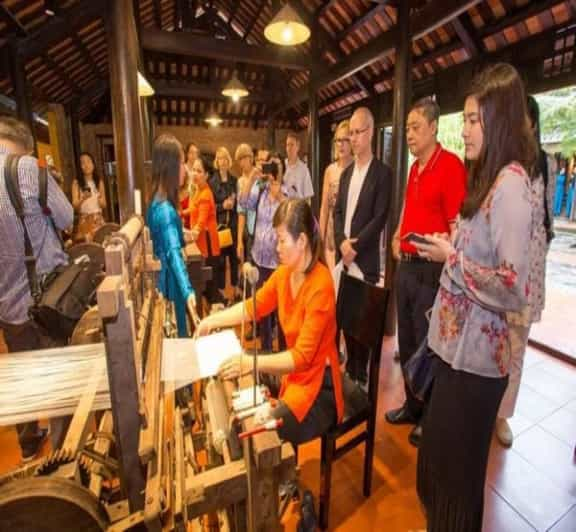
After the cocoon work, the tour moves to the Vietnamese traditional silk weaving house. Workers demonstrate how the thread becomes cloth, giving you a chance to watch the looms and the handwork involved.
The visit also introduces Champa handicrafts and traditional textiles. This is a valuable part of the experience because Central Vietnam has several overlapping cultural traditions, and textile work provides a direct way to see them. Patterns, techniques, and methods carry information about the communities that made them.
The weaving house is likely to appeal to anyone who enjoys seeing skilled work done slowly and by hand. You can watch how fine thread is managed and how repeated movements create an even fabric. The process also makes clear why a handmade textile cannot be judged only by its color or final price.
Space may be tight in the older buildings, especially when school groups are present. One visit was delayed because a group of schoolchildren arrived, although staff kept the participants informed. I would leave a little flexibility around the booking if you have a train, cooking class, or timed reservation immediately afterward.
The exhibition: useful shopping advice, with a few limits

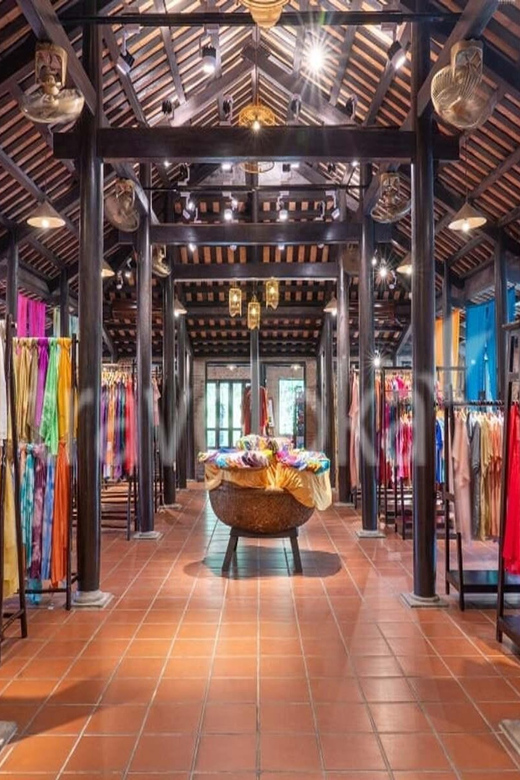
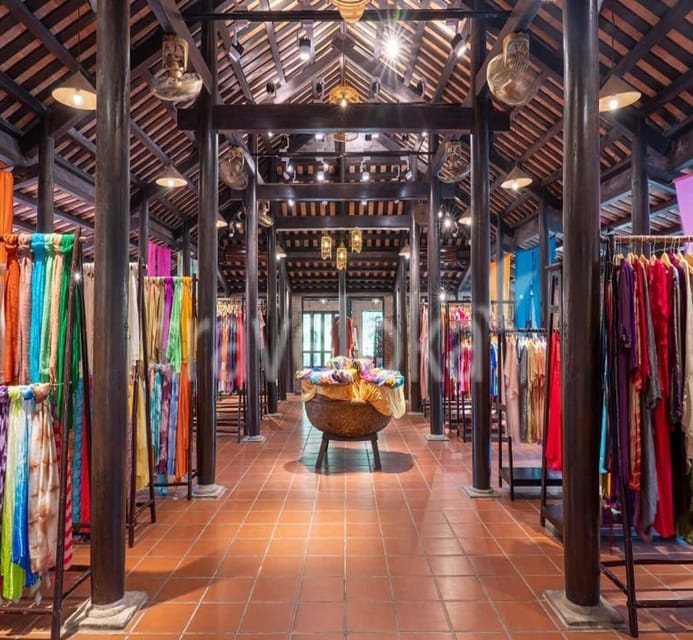
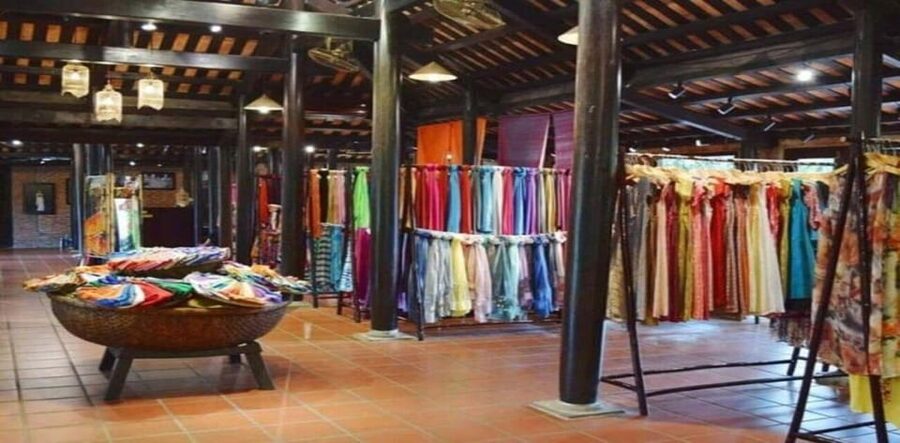
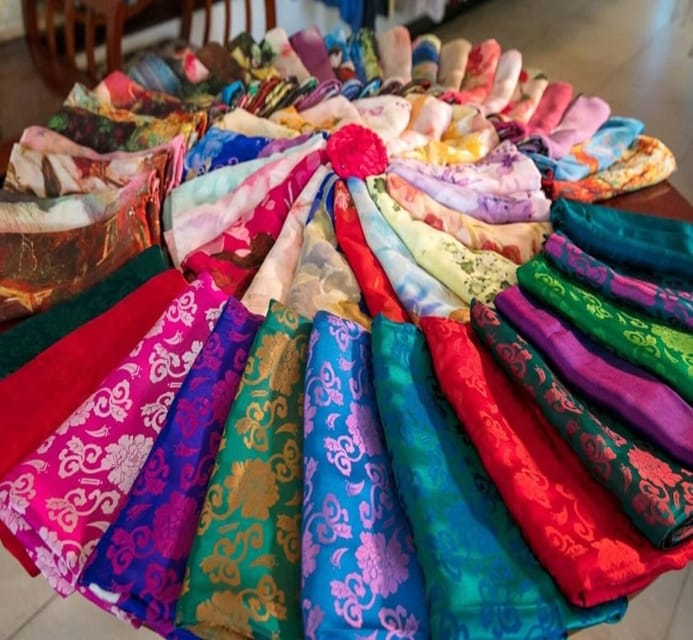
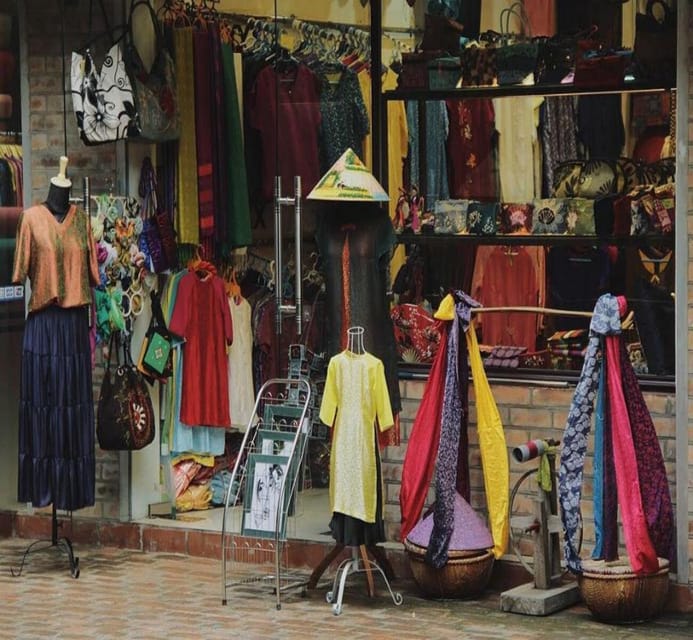
The final stop is the Hoi An Silk Village exhibition. Here you learn to distinguish pure silk from imitation material, then see a selection of silk products available for purchase or tailoring.
This is where the tour can save you from making a poor shopping choice. You get a basic framework for asking what a fabric is made from and for looking more carefully at the difference between genuine silk and synthetic cloth. The lesson is particularly useful if you plan to buy a shirt, scarf, fabric length, or gift.
The selection includes silk shirts and fabrics. One guest bought a shirt after initially not planning to shop and felt the quality justified the price. That does not mean every item will suit your taste or budget, but it does show how the production explanation can change the way you assess the goods.
The range of prints is a possible weak point. Some colors and combinations may look busy, and the choice may feel narrower than expected. If you want a very specific print or a restrained modern style, do not assume the exhibition will have it. You can still use the visit to learn what to look for, then compare products elsewhere in Hoi An.
A cafe is also on site, which is useful if you want a quiet drink after the walk. The exhibition is not just a retail stop, but shopping is clearly part of the final stage. I would decide in advance how much time and money you want to give to purchases, then browse without feeling pressured to buy.
What the 50-minute format means
Fifty minutes is enough to cover the full chain, but it leaves little room for lingering. The tour works best as a compact addition to a day in Hoi An, especially if you want a cultural activity between meals, shopping, and visits around town.
You will move through several spaces in a set order. The advantage is efficiency. You see the garden, breeding house, unraveling area, weaving house, and exhibition without committing half a day.
The tradeoff is that each stop receives only a short explanation. If you want a detailed textile course or extended time with the weavers, this will feel brief. If you want to understand the process and see the key demonstrations, the pace is sensible.
Group size can affect the visit. Some buildings have limited room, and a smaller group makes it easier to watch the work. A five-person group was comfortable on one occasion, while school groups have caused delays at times. The live guide format also means the quality of the experience depends partly on the guide assigned that day.
Planning your visit in Hoi An

The meeting point is at 28 Nguyen Tat Thanh, Hoi An, in Quang Nam. You need to give your name at reception as booking confirmation. Hotel pickup and drop-off are not included, so plan your own way to the meeting point.
Wear comfortable shoes and comfortable clothing. You are moving between garden, breeding, weaving, and exhibition spaces, so practical clothes make more sense than dressing for a formal attraction.
Large bags and luggage are not allowed. Leave suitcases and bulky belongings elsewhere rather than arriving with them and hoping for storage. The experience is not suitable for wheelchair users or people with mobility impairments, so check the physical requirements carefully before booking.
English is the tour language. The guide is live rather than an audio recording, which gives you the chance to ask about the process as you see it. Guides Thu and Tsu have received particular praise for patient, easy-to-understand explanations, though the specific guide depends on the schedule.
The booking terms are flexible. You can reserve now and pay later, and cancellation is free up to 24 hours before the start time for a full refund. Check the available starting times before you commit, since the duration is fixed but the departure times can vary.
Who will enjoy this experience most
I would recommend the silk village to you if you enjoy seeing how useful objects are made. It is a good fit for anyone interested in textiles, traditional crafts, farming, local culture, or practical shopping advice.
It also suits a short Hoi An itinerary. You do not need to sacrifice a full day, and the 50-minute visit can fill a small gap without adding transport outside the city.
Families may appreciate the clear sequence from plant to insect to thread to cloth, although the fact that the silkworm dies during extraction should be explained to younger children in advance. Anyone who dislikes animal-based production may prefer to skip the unraveling demonstration.
The tour is less suitable for you if you want a quiet, self-guided museum visit, a large collection of historic objects, or a long hands-on workshop. It is also not a good choice if you have limited mobility or are carrying luggage.
Should you book the Hoi An Silk Village tour?
Book it if you want a short, affordable look at a real craft process before shopping for silk in Hoi An. The strongest reasons are the complete sequence, the clear English guidance, and the chance to see cocoon unwinding and hand weaving rather than only finished products.
Go with realistic expectations. This is a 50-minute introduction, not a full textile course, and the exhibition may not have the print selection you want. Still, at $11, it offers useful context, a cultural connection to Champa and Dai Viet traditions, and practical help in judging pure silk.
If you are already near the meeting point and have room in your schedule, I would book it. If your main goal is buying a very specific design, treat the shop as one option rather than the reason for the entire visit.
FAQ
How long does the Hoi An Silk Village tour last?
The tour lasts 50 minutes.
What does the tour include?
The price includes an English-speaking guide, entrance fee, and a bottle of water.
Does the tour include hotel pickup and drop-off?
No. Hotel pickup and drop-off are not included. You need to reach the meeting point at 28 Nguyen Tat Thanh, Hoi An, Quang Nam.
What language is the tour conducted in?
The live tour is conducted in English.
Can I buy silk products after the tour?
Yes. The Hoi An Silk Village exhibition has silk products available for shopping and tailoring, including fabrics and silk shirts.
Is the tour suitable for wheelchair users?
No. The experience is not suitable for wheelchair users or people with mobility impairments.
Can I cancel my booking?
Yes. You can cancel up to 24 hours in advance for a full refund. You can also reserve now and pay later.
Just added around Hoi An
- Private car from Danang to Hoi An★ 5.0 · 20 reviews
- Da Nang to Hoi An ancient town by private transfer★ 5.0 · 36 reviews
- Cu Lao Cham Island Tour from Da Nang/ Hoi An★ 4.0 · 24 reviews
- Da Nang Airport Arrival Private transfer to Hoi An★ 5.0 · 46 reviews
- Hoi An Night Market with Hoi an walking Tour , Colourful Lanterns, Boat Ride★ 5.0 · 142 reviews
- Marble Mountain-AM Phu Cave & Hoi AN -Colourful Lantern Boat Ride★ 5.0 · 27 reviews
- Private Transfer from Danang to Hoi An by Private Car★ 5.0 · 37 reviews
- Guided Tour to Marble Mountain &HoiAn City-BoatRide-Night Market★ 5.0 · 23 reviews
Craft Village Tours, compared.
Cai Be Mekong Delta Tour: Cooking Class, Cycling & Craft Villages
Read our review →
Incense Village, Hat Making & Lacquer Artisan Small Group Hanoi
Read our review →
Countryside Tour with Silk Village & Elephant Falls
Read our review →

Incense Village Private Tour from Hanoi to Ninh Binh Old Capital
Read our review →
Incense + Hat Villages/ Temple of Literature, Hoa Lo Prison
Read our review →
Incense Village, Hat, Lacquer Tour & City Highlights
Read our review →Browse the lists this tour appears in