
Reviewed · FLOATING MARKET TOURS
Mekong Delta 2 Days: Floating Markets & Cultural Exploration
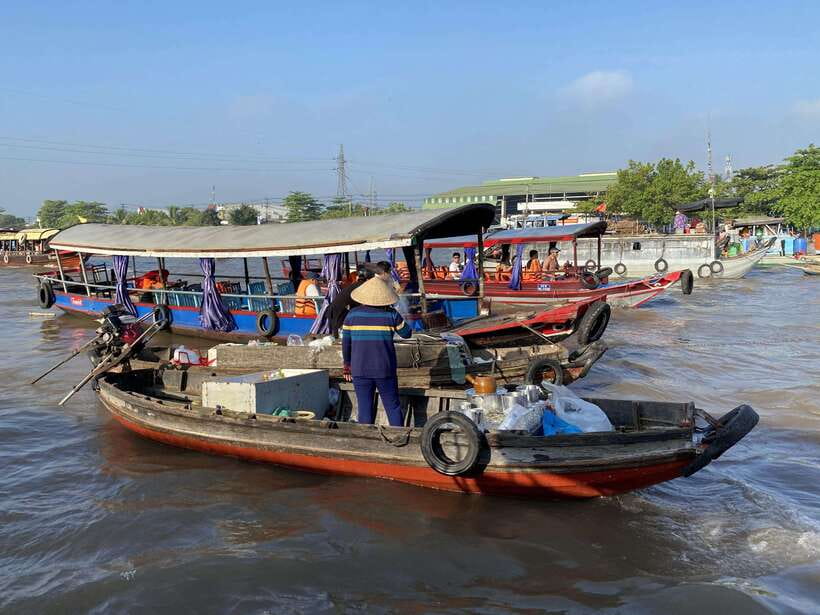
The best part of this two-day Mekong Delta trip is its variety. You move from Cai Be’s narrow canals and fruit gardens to a family kitchen, a village bicycle path, a hotel in Can Tho, and an early boat ride through Cai Rang Floating Market. It gives you more than a quick river photo stop.
I like the hands-on Vietnamese lunch, where you help prepare local dishes in a garden setting. I also like the mix of transport: larger boats, a small sampan, bicycles, walking, and the road transfer between towns. A possible drawback is the long return to Ho Chi Minh City on Day 2, with traffic making the arrival time uncertain.
Key points at a glance
- Cai Be by boat: See old trading routes, fruit orchards, canals, and family workshops.
- Cooking and cycling: Prepare lunch in a local garden, then pedal through village paths and orchards.
- Ba Kiệt’s ancient house: Get a closer look at village life and traditional domestic architecture.
- Can Tho overnight: Break up the journey with a night in the Mekong Delta’s main city.
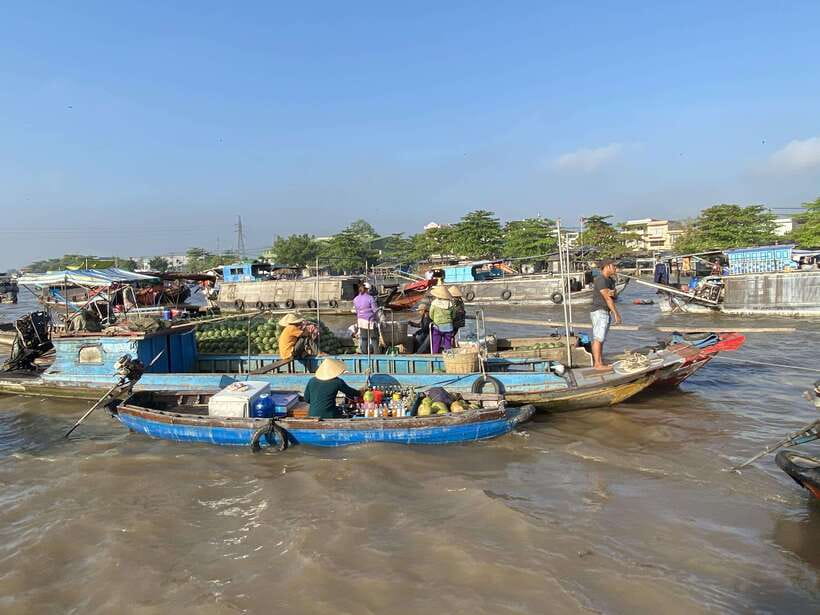
- Cai Rang at market time: Take a boat to the region’s largest floating market, then visit a noodle factory.
- Good value at $112: Transport, guide, boats, entrance fees, two lunches, breakfast, and shared hotel lodging are included.
Why two days works better than a rushed delta visit
The Mekong Delta is spread across waterways, fruit-growing islands, villages, and regional cities. A short day trip from Ho Chi Minh City can show you a canal and a boat, but it often leaves little time for the slower parts of delta life. This itinerary gives you one night in Can Tho and a second morning on the water.
I like that the experience does not rely on a single attraction. You see how the river shaped trade, how orchards support families, how food is made, and how religious communities add to the region’s culture. The stops are varied enough to keep the two days moving.
The pace is active, though not built around strenuous exercise. You will board boats, paddle through smaller canals, walk through a noodle workshop and pagoda, and cycle on village paths. The tour is not suitable for wheelchair users, pregnant women, people with limited mobility, or people with heart problems, so consider the mix of steps, boat transfers, and cycling before booking.
More Floating Market Tours in Mekong Delta:
- Can Tho: Floating Market & Mekong’s Legacy( About 6 Pax)
★ 5.0 · 1,438 reviews - From HCM: Mekong Delta & Cai Rang Floating Market 2-Day Tour
★ 4.5 · 1,183 reviews - Cai Rang Floating Market & Mekong Delta 2-Day Tour from HCM City
★ 5.0 · 942 reviews
Day 1: Cai Be canals, orchards, and village kitchens
The trip begins at 7:30 AM from 112 Tran Hung Dao Street in District 1, Ho Chi Minh City. You need to make your own way there unless you choose the pickup option. If you arrange pickup, it is available from selected parts of central District 1, including Ben Thanh Ward, Cau Ong Lanh Ward, and part of Saigon Ward.
The morning road transfer takes you toward Cai Be. Exact driving time is not provided, and traffic can affect the schedule. That matters because this is a full day, not a leisurely late-start outing. Wear comfortable shoes, carry sunglasses and a sun hat, and keep your passport or ID card with you.
Cai Be and the old river trade
Once in Cai Be, you board a boat and visit the remaining site of a former wholesale floating market on the Tien River. This is not presented as a full market spectacle frozen in time. Instead, it helps explain how delta trade has changed as roads, trucks, and modern farming methods have become more important.
That change is part of the point. The river still shapes local life, but it no longer controls every sale. You get a useful glimpse of the older trading system while also seeing how the modern delta has adapted.
Cai Be is also known for orchards, and the trip gives you a chance to see why this part of southern Vietnam is such an important fruit-growing area. The experience is strongest when you pay attention to the small details: garden paths, canal traffic, family work, and the way homes and businesses sit close to the water.
Family workshops and Southern music
The village walk includes a stop at a small family business making coconut sweets and crispy rice popcorn. These visits are modest rather than grand. That is their value. You can see how familiar foods are produced on a household scale, and you have a chance to taste fresh fruit along the way.
Southern Vietnamese folk music is also part of the visit. It is tied to daily life in the Mekong Delta, and hearing it in a local setting gives the cultural side of the tour more weight than a standard sightseeing loop. Do not expect a full concert or a formal performance schedule. Think of it as one piece of village life woven into the day.
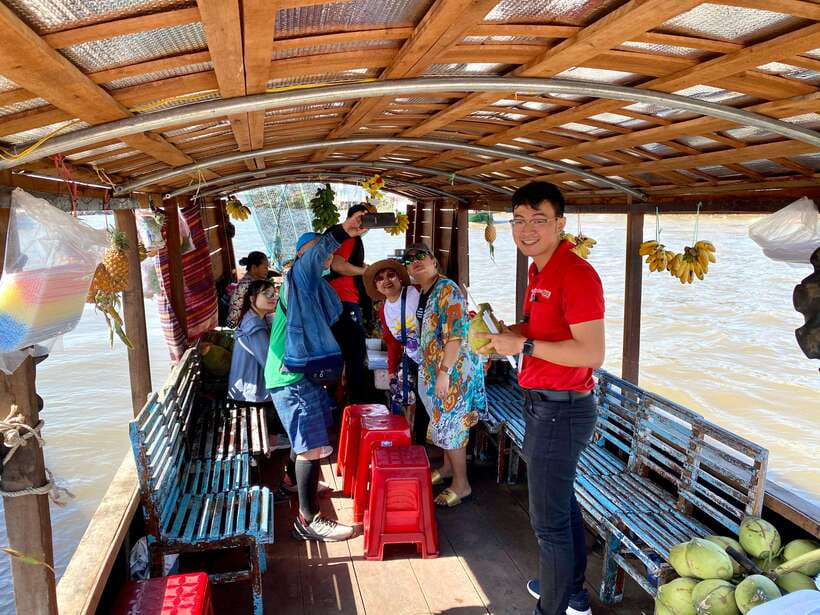
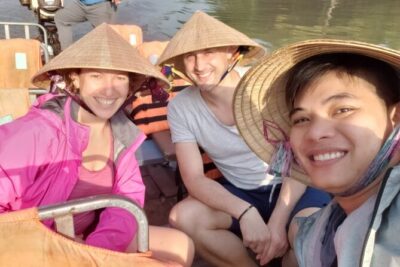
The move from larger boat to small sampan is one of the more appealing changes of pace. Paddling through narrow canals lets you look closely at the banks and gardens. The canals are quiet compared with the main river, though the exact amount of boat traffic can vary.
More 2-Day Trips in Mekong Delta:
- Mekong Delta & Cai Rang Floating Market 2-Day Tour from HCMC
★ 5.0 · 813 reviews - Mekong Delta 2-Day Tour: Floating Markets, Biking, Amazing Tour
★ 4.5 · 492 reviews - Mekong Delta Homestay 2-Day at Family Tiny Garden – Small Group
★ 5.0 · 410 reviews - Small-group 2-Day Mekong Delta: Floating market, Cooking Class…
★ 5.0 · 194 reviews
Tan Phong Island by bicycle and foot
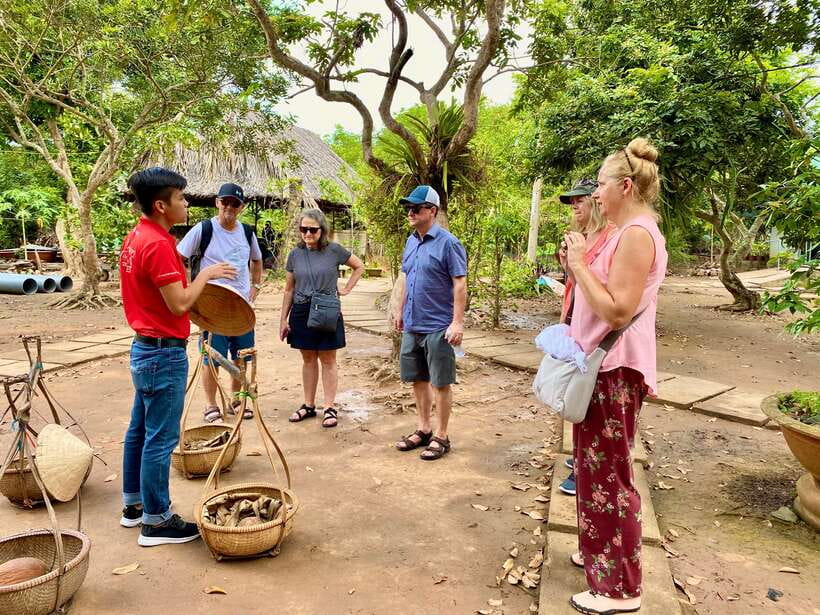
After reaching Tan Phong Island, you spend time among orchards and village paths. The bicycle ride is a practical way to see more than you could on foot, but it is not described as a long cycling route or a challenge for experienced riders. You are there to get between local sights and notice the surroundings.
You also meet island residents and learn about daily life in the delta. This is where the itinerary moves beyond river scenery. The combination of cycling, walking, and conversation makes the island feel like a lived-in place rather than a backdrop for photographs.
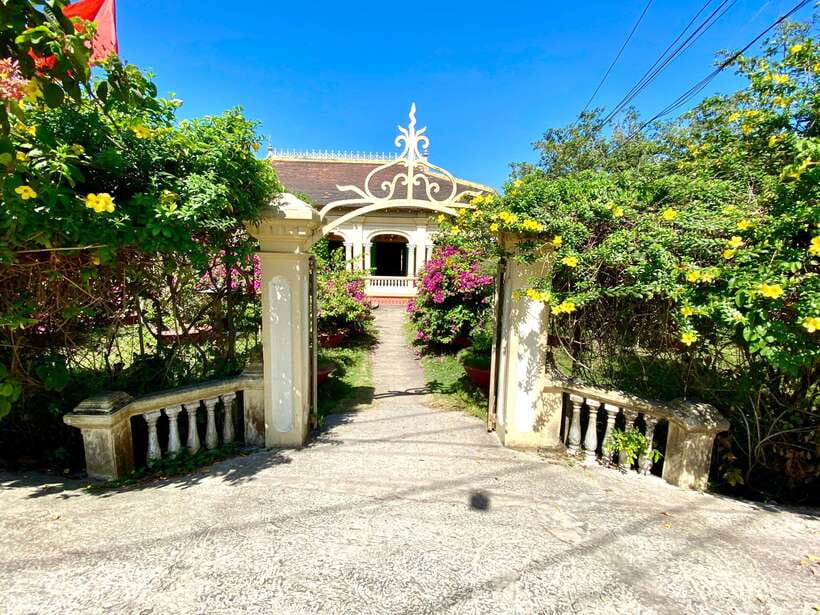
One of the day’s notable stops is Ba Kiệt’s ancient house. The visit offers a look at an older home and a chance to connect architecture with village life. Details about the house’s age, construction, and furnishings are not specified, so your guide will shape how much historical context you receive.
Cooking lunch in a garden
Lunch is not simply placed in front of you. You help prepare Vietnamese specialties in a local garden, then eat the meal there. I consider this one of the strongest elements of the trip because food becomes a way to take part in local life rather than just consume it.
The meal is included, along with a second lunch on Day 2 and breakfast at the hotel. One honest caution comes from the food experience itself: one published rating found the food mediocre. Expectations should stay sensible. This is a cultural cooking activity, not a restaurant tour, and the quality may depend on the day and the dishes prepared.
After the island visit, you take a boat back to Cai Be and meet the bus for the transfer to Can Tho. The change from water to road makes the first day feel full. It also means you should keep your belongings compact and easy to carry.
Can Tho overnight: a useful pause in the middle
Can Tho is the main urban center of the Mekong Delta, and spending the night here makes the second morning much more manageable. Instead of making a pre-dawn round trip from Ho Chi Minh City, you begin near the waterways that lead to Cai Rang.
The pickup option includes a 3-star hotel in Can Tho and round-trip transport from eligible parts of central District 1. The accommodation is in a twin or double shared room. One practical detail is worth checking carefully when you book: information about the room arrangement and hotel facilities has not always been presented clearly, and one booking experience found the actual accommodation differed from the expectation of shared lodging.
The hotel is a functional overnight base, not the main reason to book the trip. Still, a comfortable night matters here. Day 1 includes boats, cycling, walking, cooking, and a road transfer. A proper stop in Can Tho gives you a better chance to enjoy the early market visit instead of treating it as the tail end of an exhausting day.
Day 2: Cai Rang Floating Market and the Bassac River
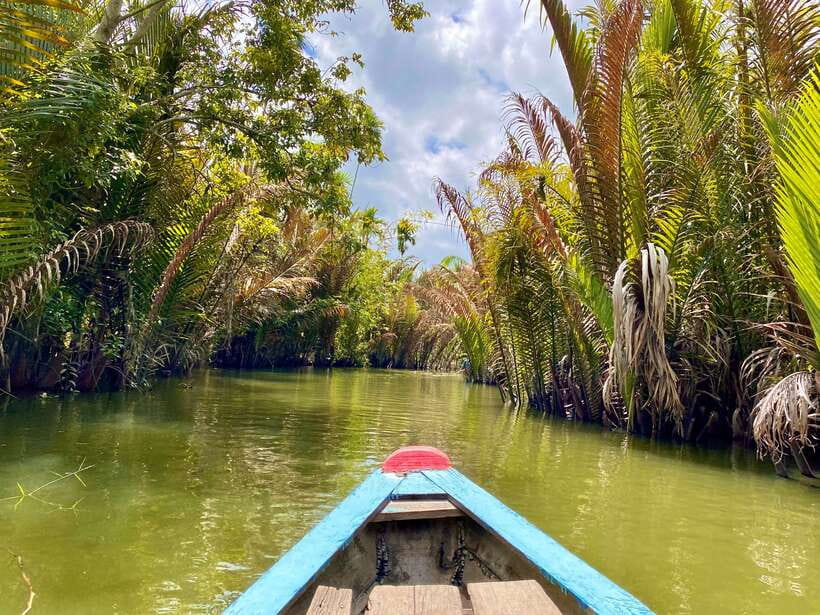
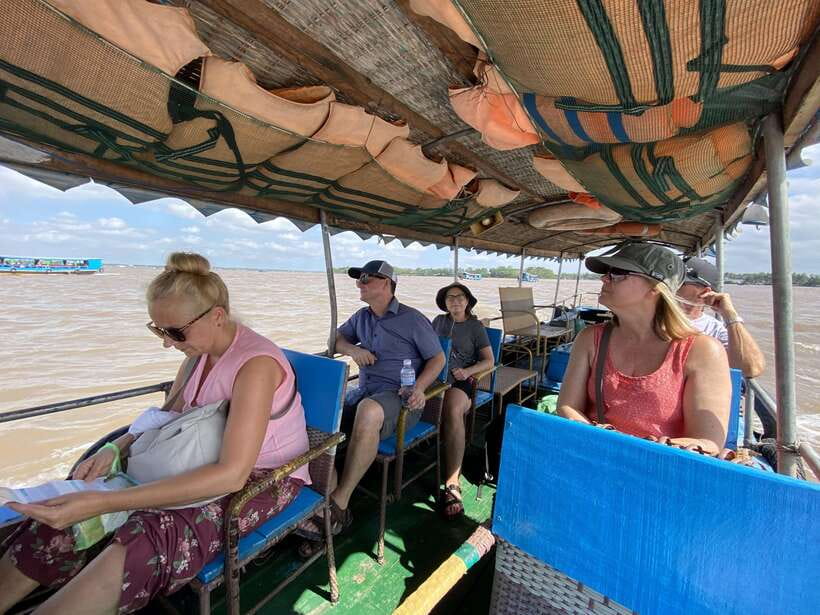
After breakfast, you take another boat through tributaries of the Bassac River. This morning ride leads to Cai Rang Floating Market, described as the largest floating market in the region.
Go with realistic expectations. A floating market is a working trading place, and its scale and activity can change with the day, season, and time of arrival. One rating noted disappointment at seeing only a few boats. That does not make the stop pointless, but it is a good reminder that no market can be guaranteed to look exactly like a travel photograph.
The boat ride remains important because it shows how waterways function as routes through the delta. At Cai Rang, you will see the market from the water rather than from a viewing platform. The early start is part of the experience, since the market is tied to morning trade.
From noodles to Khmer architecture
After Cai Rang, you take a walking tour of a local noodle factory. This adds a useful food-production stop to the previous day’s coconut sweets and crispy rice popcorn. You get to see another example of how everyday ingredients become local products.
The next cultural stop is Munir Ansay Pagoda, a Khmer temple known for its distinctive structure. The Mekong Delta is home to Khmer communities as well as Vietnamese communities, and this visit gives you a wider view of the region’s religious and cultural life.
Dress with care for the pagoda. Your shoulders and knees must be covered. A light shirt that covers the shoulders and longer trousers or a longer skirt will save you from having to improvise at the entrance.
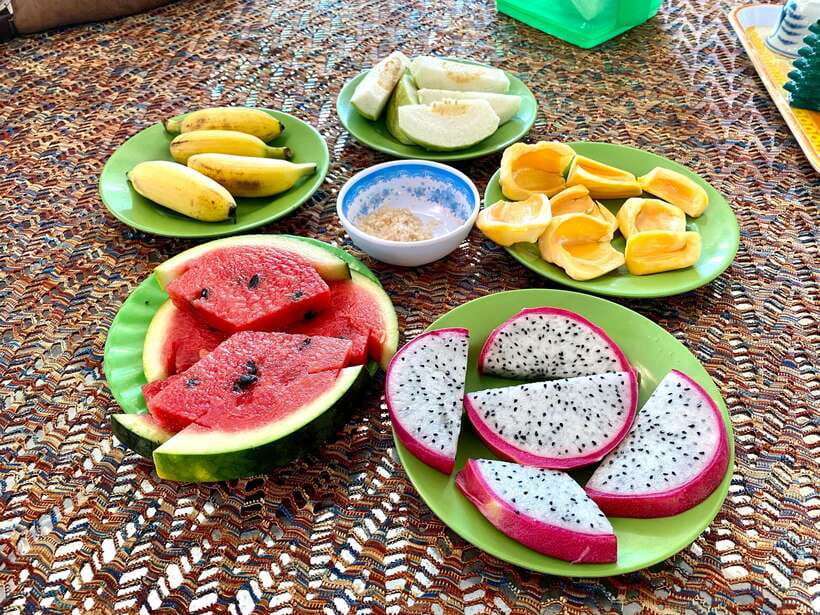
The final boat visit takes you to a fruit plantation, where you can sample seasonal fruit. As with any agricultural stop, the selection depends on what is growing at the time. The itinerary promises seasonal fruit, not a fixed menu, so flexibility is sensible.
Food, guides, and the human side of the trip
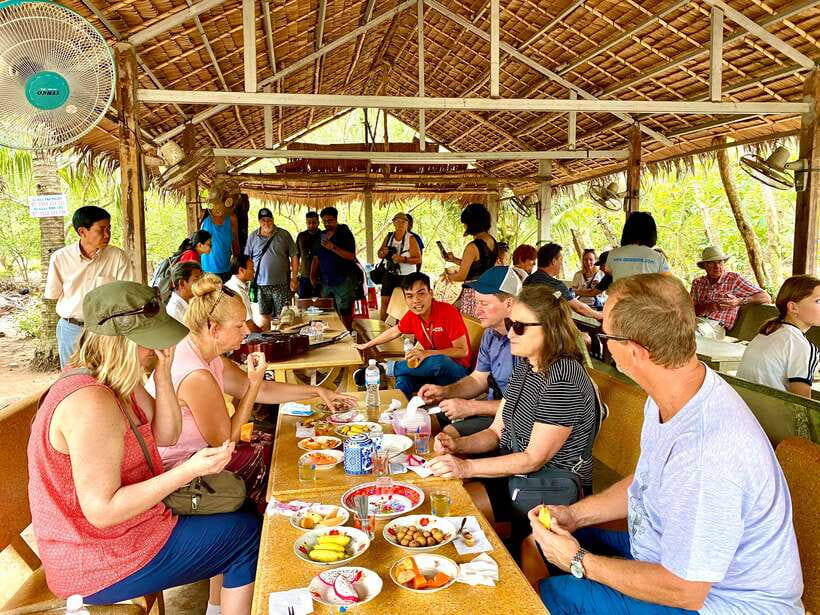
The guide can make a large difference on an experience with several short stops. English is the tour language. Guides named Lilly, Peter, and Yudi have received especially strong praise for being friendly, helpful, and well-prepared. The guide assigned to your departure may be different, so treat those names as useful examples rather than a guarantee.
You will have several opportunities to ask questions: during the boat rides, at the ancient house, in the villages, at the noodle factory, and at the pagoda. The best value comes when you ask how trade, farming, food, and religion connect across the delta.
I especially like the way this trip gives you repeated contact with local work. You see sweets being made, help prepare lunch, visit a noodle factory, and pass through orchards. None of these stops needs to be treated as a grand attraction. Together, they create a more grounded picture of the region.
What the $112 price includes
At $112 per person, the price is fair if you want a structured two-day visit with transport and lodging already arranged. Included are transportation and sightseeing, the Mekong boat trips, an English-speaking guide, entrance fees, one breakfast, two lunches, and a twin or double shared room in Can Tho.
The value is strongest for someone who would otherwise need to arrange separate buses, boats, a hotel, and local visits. You also avoid having to work out how to reach Cai Be and Cai Rang on your own.
Personal expenses, travel insurance, and tips are not included. Bring money for anything extra you choose to buy, and plan a tip separately if the guide and boat crew provide good service. The trip allows cancellation up to 24 hours before departure for a full refund, and you can reserve now and pay later, which helps if your Vietnam route is still changing.
Who should book this Mekong Delta trip?

I would choose this experience if you want a broad first look at the delta without giving up your own planning days in Ho Chi Minh City. It suits people who enjoy moving between different forms of transport and who want culture, food, waterways, and village scenery in the same package.
It is also a good fit if you prefer a guide to explain what you are seeing. The former floating market site, Ba Kiệt’s house, Khmer pagoda, and food workshops are more rewarding when someone supplies context.
You may prefer a different plan if you want long, quiet stretches with no scheduled stops, a high-end hotel, or a guaranteed large-scale floating market scene. The itinerary is active and organized, and the return to Ho Chi Minh City can be delayed by traffic.
Should you book it?
Book this two-day trip if you want the Mekong Delta in several forms: canals, orchards, village work, cooking, cycling, a Can Tho overnight, and an early floating market. The strongest reasons are the range of activities and the chance to see ordinary food and family work alongside the headline sights.
Think twice if mobility is limited, if you dislike early starts and boat transfers, or if your main goal is only to photograph a packed floating market. For most first-time visitors with two days available, the $112 package offers a practical and varied introduction, with enough local contact to make the delta feel like a place where people live and work, not just a day-trip stop.
FAQ
Where does the tour begin?
The meeting point is 112 Tran Hung Dao Street, Ben Thanh Ward, District 1, Ho Chi Minh City. The meeting time is 7:30 AM, and you should arrive at least 10 minutes early.
Is hotel pickup available?
Pickup is optional and is available from selected areas in central District 1. These include Ben Thanh Ward, Cau Ong Lanh Ward, and part of Saigon Ward. Pickup and drop-off are not provided from Nguyen Binh Khiem Street, Nguyen Huu Canh Street, or Tan Dinh Ward.
What accommodation is included?
The tour includes one night in a twin or double shared room at a 3-star hotel in Can Tho when the accommodation option is selected.
Which meals are included?
The package includes one breakfast and two lunches. Day 1 lunch includes a Vietnamese cooking activity in a local garden.
Is the tour conducted in English?
Yes. The live tour guide language is English.
What should I bring?
Bring your passport or ID card, comfortable shoes, sunglasses, and a sun hat.
What should I wear to Munir Ansay Pagoda?
Your shoulders and knees must be covered when visiting the pagoda.
Is the tour suitable for wheelchair users or people with limited mobility?
No. The tour is not suitable for wheelchair users, people with limited mobility, pregnant women, or people with heart problems.
Just added around Mekong Delta
- Can Tho: Floating Market & Mekong’s Legacy (About 6 Pax)★ 5.0 · 235 reviews
- The hidden Fabulous Floating Market and Small Canal★ 5.0 · 253 reviews
- Rural Can Tho Biking Trail★ 5.0 · 31 reviews
- Cai Rang Floating Market Biking Cooking Class in Can Tho Rural★ 5.0 · 172 reviews
- Private ecotour in Can Tho: floating market-nature reserved★ 5.0 · 23 reviews
- Full-Day Experience in Mekong Cycling and Authentic Home Cooking★ 5.0 · 89 reviews
- Bicycle Tour Through Peaceful Villages★ 5.0 · 64 reviews
- Premium Can Tho Small Canal Tour in Mekong Delta★ 5.0 · 20 reviews
Floating Market Tours, compared.
Floating Market & Mekong’s Legacy( About 6 Pax)
Read our review →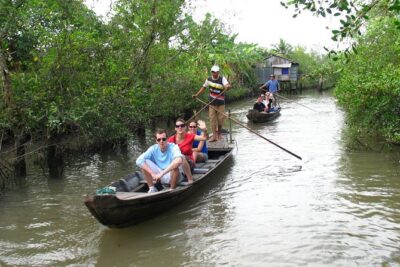
Small-group Mekong Floating Market Day Trip from Ho Chi Minh City
Read our review →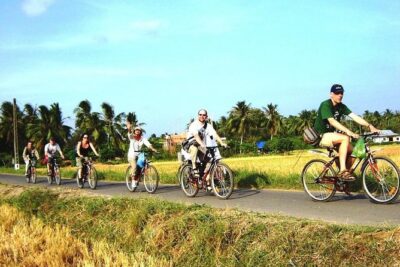
Mekong Delta 2-Day Tour: Floating Markets, Biking, Amazing Tour
Read our review →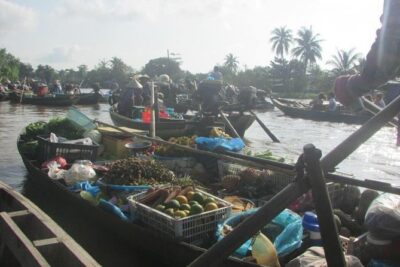
Cai Rang Floating Market Biking Cooking Class in Can Tho Rural
Read our review →
Nature Reserve and Largest, Authentic Floating Market Experiences
Read our review →
Floating Market, Canal, Cacao Farm & Mekong’ Life
Read our review →
Cai Rang floating market, see sunrise, CaCao orchard, small canal
Read our review →
Floating Market, Cacao & Canals with French Guide
Read our review →Browse the lists this tour appears in