
Reviewed · WALKING TOURS
Hue Imperial Ancient City Walking Tour
Hue’s Imperial City is not a place to simply wander through with a camera. The walls, gates, courtyards, and half-restored palaces make far more sense when someone explains who used each space and why it mattered. This small-group walking tour gives you that missing context, with guides such as Linh Nguyen bringing in stories about the Nguyen emperors, French Indochina, war, and present-day Vietnam.
I especially like the friendly, story-led guiding and the time allowed for photographs and independent exploring. I also like the price: at $2 per person, it offers remarkable value before you add the customary tip. The main consideration is that the experience is tip-based, and the exact tour length appears to vary, so bring cash and allow about two and a half to three hours.
Key points to know before you book
- Meridian Gate sets the scene: Begin at the Imperial City’s main entrance and learn how the royal complex was organized.
- Linh Nguyen is the main guide name to look for: He is known for clear English, visual aids, humor, and detailed explanations of the Nguyen Dynasty.
- You see the royal core: Thai Hoa Palace, Dien Tho Palace, and the Forbidden City give the walk a strong historical focus.
- Small groups make questions easier: The advertised maximum is 10 people, with no bookings accepted for groups larger than 6.
- Bring cash beyond the $2 booking price: A tip is expected by many participants, and entry costs may need to be paid separately.
- Plan for heat and walking: Sunscreen, water, and comfortable shoes matter inside the open courtyards and broad palace grounds.
Why Hue’s Imperial City needs a guide
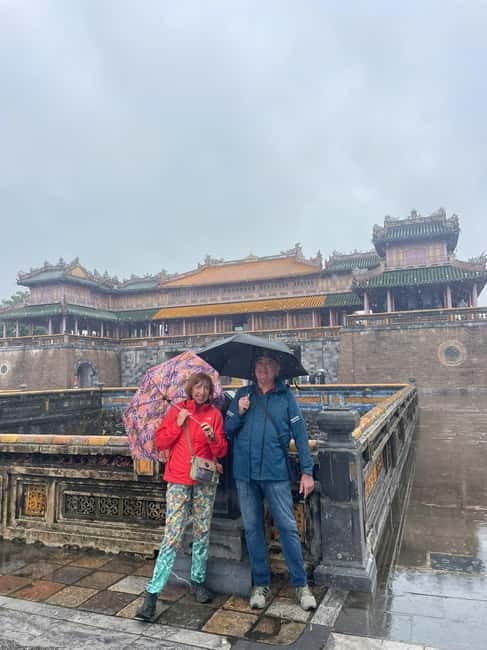
The Hue Imperial City was the political and ceremonial center of the Nguyen Dynasty, which ruled Vietnam from 1802 until 1945. Its gates and palace grounds are visually impressive, but the site can feel like a sequence of beautiful buildings without a guide to explain the rules, ranks, rituals, and family relationships behind them.
That is the real value of this tour. You are not only shown a gate or hall. You are told how the emperor’s world worked, where formal ceremonies took place, how the royal household was arranged, and how ordinary people related to the court.
I like that the subject goes beyond palace architecture. The guiding also covers French colonial rule, the struggle for independence, the war years, and the damage and changes experienced by the Imperial City. That wider frame helps you see Hue as a living part of Vietnam rather than a preserved royal set.
The best guides also connect national events to everyday life. Linh has been praised for discussing Vietnamese customs, family expectations, food, and the experience of being a Vietnamese man today. Those personal observations can make a formal historical site feel much closer to the present.
More Walking Tours in Hue
- Hue Imperial City Walking Tour: Citadel & Forbidden City
★ 4.8 · 245 reviews - Eat like a local with a local – Walking Tour
★ 4.9 · 57 reviews - Hue Imperial City and Forbidden City Walking Private Tour
★ 4.9 · 42 reviews
Meeting at the ticket booth and entering Meridian Gate
The meeting point is in front of the Imperial City ticket booth. The scheduled starting times are 9:00 AM and 3:00 PM, though you should wait for confirmation through WhatsApp or a Vietnamese phone number before setting out.
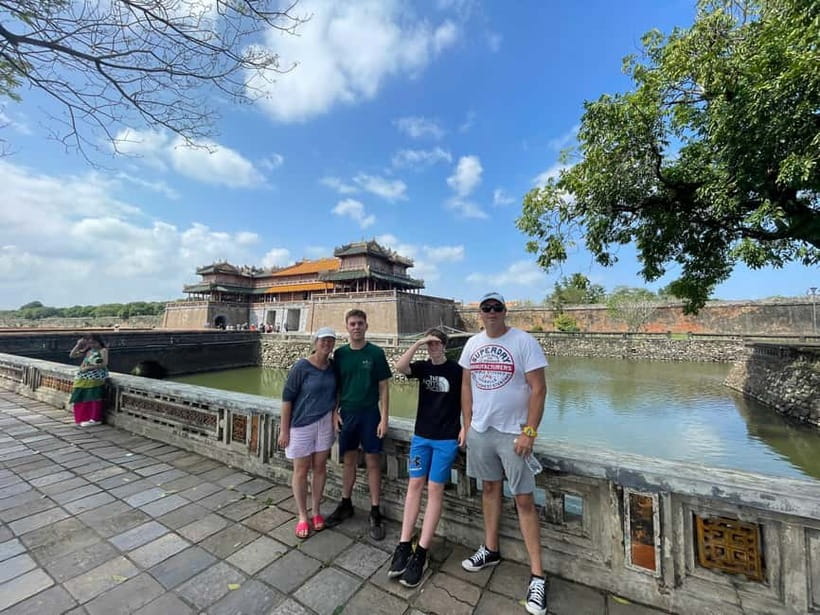
Meridian Gate, called Ngọ Môn in Vietnamese, is the natural opening for the tour. It is the main ceremonial entrance and gives you an immediate sense of the separation between the outer citadel and the emperor’s inner world.
Here, the guide can explain how the Imperial City was designed and how movement through its gates reflected rank and purpose. That kind of detail is easy to miss when you are walking alone. The gate is also a good place to hear the basic timeline, beginning with the founding of the Nguyen Dynasty in 1802.
The meeting area should be easy to find, but arrive with enough time to locate the booth and deal with admission. The tour price is listed as $2 per person, while the entry ticket is not listed among the included items. Several tour accounts advise bringing cash for both admission and the tip, so do not arrive with only a card and a phone.
Thai Hoa Palace and the machinery of ceremony
Thai Hoa Palace is the ceremonial main hall, and it is one of the most important stops on the route. This is where the formal side of royal life comes into focus: imperial authority, court rituals, official gatherings, and the careful presentation of power.
The palace is not simply a pretty hall. Its size, position, decoration, and relationship to the surrounding courtyards all carried meaning. A good explanation helps you notice how architecture controlled movement and attention.
This is also a useful stop for learning about the emperors themselves. The Nguyen Dynasty had several rulers, and the tour puts their reigns into a clear sequence rather than leaving you with a blur of names. Linh has received especially strong praise for explaining the emperors from 1802 onward and for making the story easier to follow.
You may spend less time here than you expect because there is so much ground inside the complex. The upside is that the guide keeps the overall visit moving. The downside is that visitors who want detailed architectural study or long photography sessions may need to return alone after the guided portion.
Dien Tho Palace and the women of the royal family
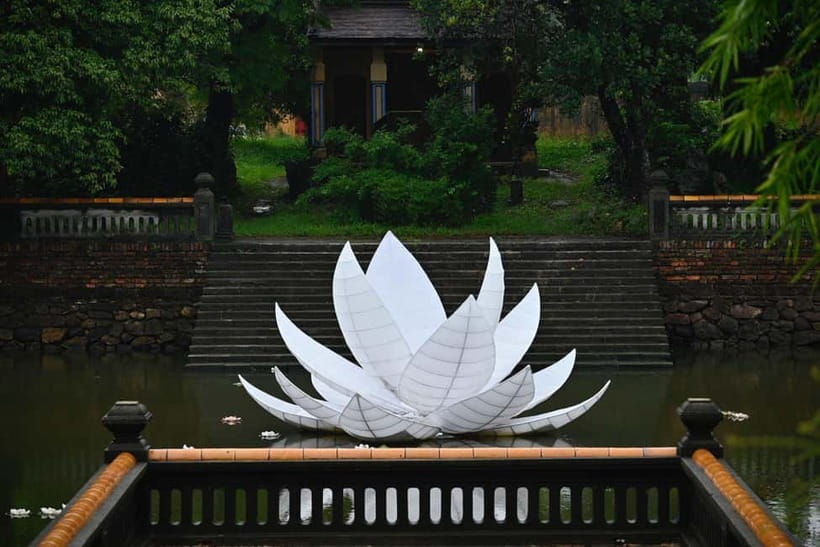
Dien Tho Palace was associated with the queen mother. It offers a different view of the court from the formal world of Thai Hoa Palace and the emperor’s public duties.
This stop is valuable because royal history can otherwise become too focused on emperors, battles, and official ceremonies. Dien Tho Palace helps you consider the women of the imperial family, the structure of the household, and the customs that shaped life behind the public court.
The tour’s focus on daily life is one of its strongest features. You will hear about traditions and family roles, not just dates and building names. That makes the complex easier to understand as a place where people lived, worked, waited, hosted, prayed, and followed strict social rules.
The condition of the buildings varies across the Imperial City. Some spaces feel grand and complete, while others show loss, repair, or the effects of war. That unevenness is part of what you are seeing. The guide’s job is to explain the difference between what was built, what survived, and what has changed.
More Walking Tours in Hue Vietnam:
- Hue Imperial city walking tour and optional royal tombs
★ 4.7 · 19 reviews - Private Street Food Evening Walking Tour in Ho Chi Minh City
★ 5.0 · 3,175 reviews - [Hot] Hanoi Old Quarter Walking Street Food – Small Group Tour
★ 5.0 · 2,163 reviews - Super Niche Walking Street Food Tour in Ho Chi Minh City
★ 5.0 · 1,636 reviews
The Forbidden City and the emperor’s private world
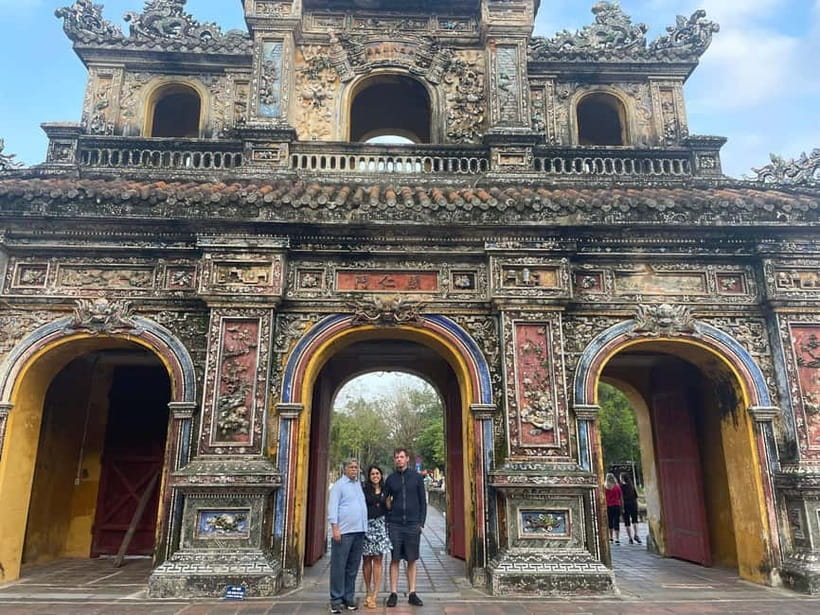
The Forbidden City was the emperor’s private area within the larger Imperial City. It is one of the most anticipated parts of the visit, but it is best understood as part of a system rather than an isolated attraction.
A guide can explain how access changed as you moved inward, from public and ceremonial spaces toward the royal household. The arrangement tells you something about privacy, authority, and the distance between the emperor and the wider population.
This section also carries the marks of Vietnam’s modern past. War damaged many structures, and some areas are restored while others remain more fragmentary. Photographs shown by guides such as Linh can help you compare earlier views with what you see now. That visual aid is useful because the surviving walls and foundations do not always reveal the original appearance on their own.
You should not expect every palace room to be intact or open in the way a fully restored European palace might be. The experience is partly about reading the remains and understanding the site’s history. If you want to photograph every courtyard without interruption, use the free time during the tour or return afterward.
A guide-led walk with room to explore
The experience is designed as a small group, with up to 10 participants. It does not accept bookings for groups larger than 6, including children, even if a larger party books separately. That rule keeps the walk from becoming a private crowd and makes it easier to hear the guide in courtyards and open spaces.
The guides generally use English and are expected to answer questions along the route. Linh is the guide most often associated with the experience, while Thanh and other guides may also lead departures. The strongest elements are clear English, humor, visual material, and a willingness to speak about both the site and wider Vietnamese culture.
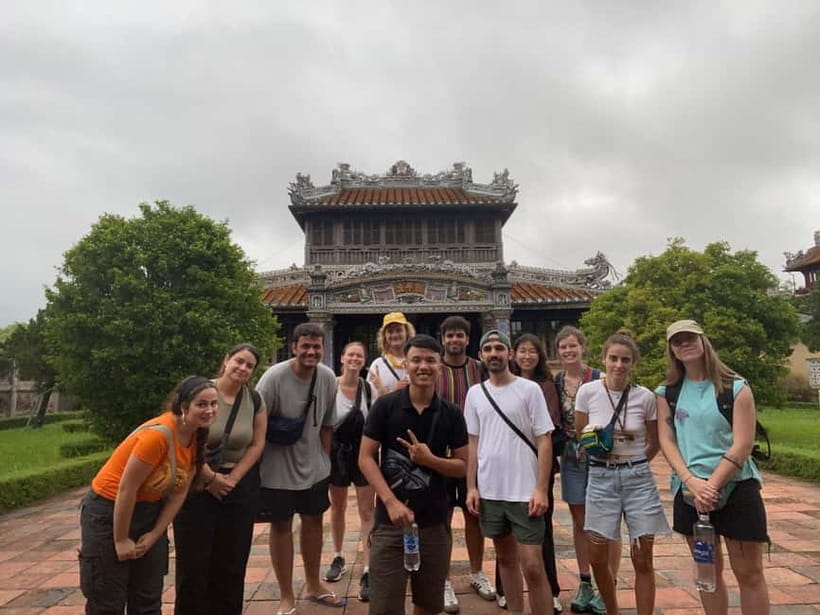
You are not marched from one stop to the next without pause. Time is provided for photographs, rest, and some independent exploration. That balance matters inside a large complex. A purely lecture-based walk can become tiring, while a completely free visit can leave you unsure what you are looking at.
One small issue to keep in mind is organization during breaks. You may not always know which areas are being covered later and which are free to explore immediately. Ask the guide before wandering off, especially if you want to see a particular gate or palace.
How long does the walk really take?
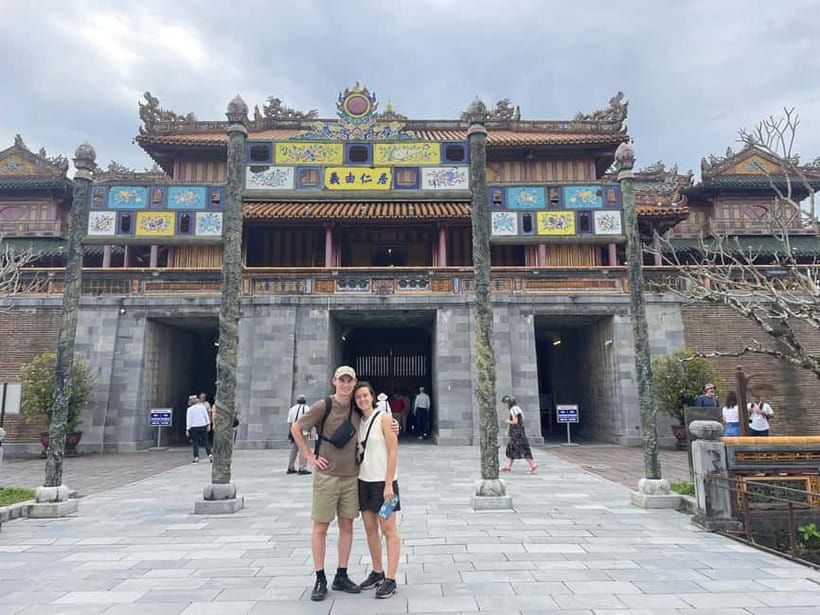
The advertised duration is 150 minutes, or two and a half hours. The itinerary wording also refers to a 3.25-hour guided visit, and some tour accounts describe walks lasting close to three hours.
For planning, I would allow at least two and a half hours, with extra time afterward if you want to revisit areas or take photographs. The longer pace may be welcome because the Imperial City is large and the subject matter is dense.
Morning and afternoon departures give you some flexibility. The 9:00 AM start can be useful if you want to avoid the strongest midday heat, while the 3:00 PM departure may suit a slower morning. The site is exposed in places, so carry water and sunscreen regardless of the start time.
Comfortable walking shoes are essential. This is not a short photo stop. You will cross courtyards and move between several historic areas, with periods of standing while the guide explains the setting.
The $2 price and the tip question
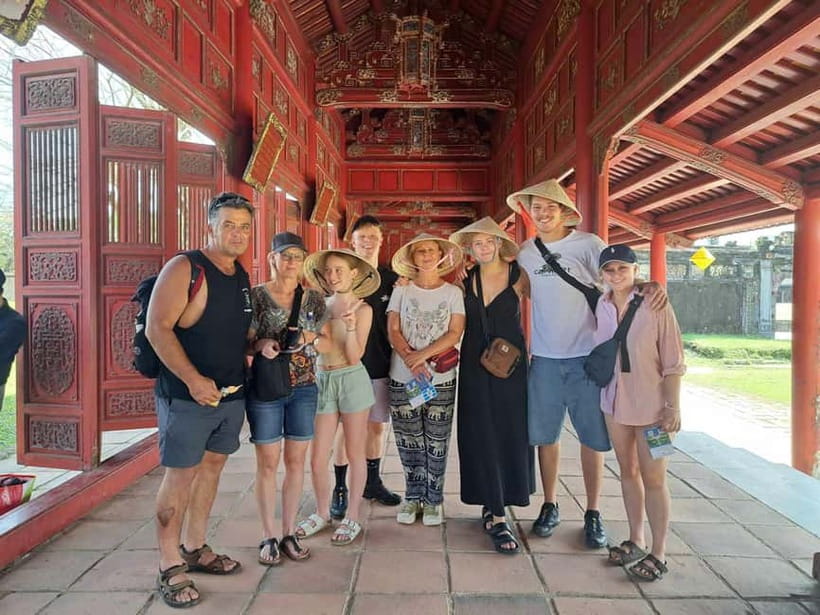
At $2 per person, the booking price is unusually low for a guided visit of this length. The value is strongest if you want historical explanation but do not need a private guide or a polished luxury operation.
The important detail is that the tour is tip-based. The booking price does not tell the whole cost of the experience, since a cash tip is expected by many participants and the entrance fee may be separate. The exact tip remains your choice, but bring enough Vietnamese currency to avoid scrambling at the end.
This is not a reason to dismiss the tour. It is simply a reason to understand the payment model before you arrive. The guide’s time, language skills, preparation, and visual material are the main parts of what you are paying for through the tip.
Free cancellation up to 24 hours in advance and reserve-now-pay-later booking also make it fairly easy to fit into a changing Hue schedule. The tour has wheelchair access listed, though the site’s historic courtyards and changing surfaces may still be worth discussing with the provider in advance.
Who will enjoy this Imperial City walk?
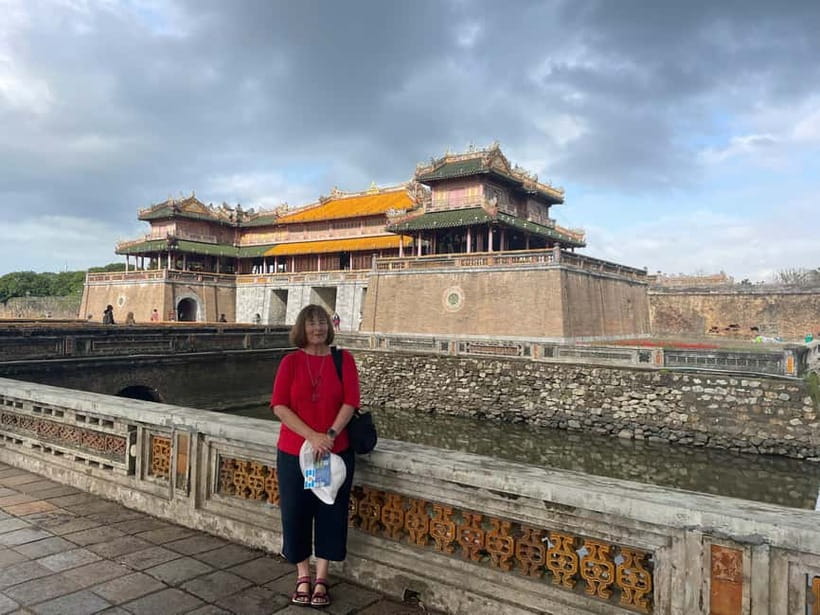
I would choose this tour if you are visiting Hue for the first time and want the basic structure of the city explained before exploring on your own. It also suits returning visitors who have seen the buildings but want more context.
It is a particularly good match for:
- People interested in the Nguyen Dynasty and imperial ceremony
- Visitors who want wider Vietnamese history, including French rule and wartime change
- Solo visitors and couples who like meeting a small international group
- Families who prefer a guide to keep children engaged
- Anyone looking for a very low-cost alternative to a private tour
- Food-minded visitors who appreciate local suggestions after the walk
It may be less suitable if you want a silent, unhurried photography session or a specialist architecture lecture. The guide uses storytelling and conversation, and the group pace means you will share attention with other people.
Practical advice for a smoother visit
Give the provider a valid WhatsApp number or Vietnamese phone number. Pre-tour messages are used to confirm the time and meeting details, and clear communication makes the start much easier.
Bring:
- Water
- Sunscreen
- Comfortable walking shoes
- Cash for the entrance fee if required
- Cash for the tip
- A phone or camera for photographs
Alcohol and drugs are not allowed. Tips are at your discretion, but you should understand that this is a donation-style or tip-based experience rather than a fully prepaid private tour.
Ask about the route and free time at the beginning. One useful question is which buildings will be explained later and which areas you can visit during a break. That small clarification can prevent confusion inside the large complex.
Should you book the Hue Imperial Ancient City Walking Tour?
Yes, if you want the Imperial City to make sense and you are comfortable with a tip-based format. The $2 price is excellent value, especially when the guide adds wider stories about Vietnam, the Nguyen emperors, French colonial rule, war, customs, and modern life.
The strongest reason to book is the guiding. Linh Nguyen is repeatedly singled out for his English, humor, visual aids, and ability to turn a long sequence of palaces into a connected story. Thanh and other guides may lead some departures, so the exact guide is not guaranteed.
Book it if you want history with personality, a small group, and time to continue exploring afterward. Skip it only if you prefer to move entirely at your own pace or do not want to budget for a tip and possible admission costs. For most first-time visitors to Hue, this is a smart way to begin at the Imperial City.
FAQ
Where does the Hue Imperial Ancient City Walking Tour start?
The meeting point is in front of the Hue Imperial City ticket booth.
What time does the tour start?
The listed starting times are 9:00 AM and 3:00 PM. The provider will contact you to confirm the designated time.
How long does the tour last?
The advertised duration is 150 minutes. Other tour details refer to a 3.25-hour guided visit, so allow roughly two and a half to three hours.
What sites are included?
The route focuses on Hue Imperial City, including Meridian Gate, Thai Hoa Palace, Dien Tho Palace, and the Forbidden City.
Is the tour conducted in English?
Yes. The activity includes a live English-speaking guide.
Who guides the tour?
Linh Nguyen is the named experience provider and frequently leads the tour. Thanh and other local guides may also conduct some departures.
How many people can join?
The small-group tour is limited to 10 participants. Bookings are not accepted for groups larger than 6 people, including children.
Is the entrance ticket included?
The listed inclusions are the walking tour and local guide. The entrance ticket is not listed as included, so bring cash and confirm the current admission arrangement before starting.
Should I bring cash for a tip?
Yes. The tour is tip-based, and cash is recommended for the guide at the end. The amount is entirely your choice.
What should I bring?
Bring sunscreen, water, and comfortable walking shoes. A valid WhatsApp or Vietnamese phone number is also needed for tour communication.
Just added around Hue Vietnam
- Phong Nha National Park: Paradise Cave Half-Day Tour★ 5.0 · 23 reviews
- Official Hue: Dragon Boat, Imperial Citadel, & Market tour★ 4.7 · 32 reviews
- Hue to Hoi An/Da Nang: Private Scenic Motorbike Tour★ 4.9 · 63 reviews
- Hue Royal Tombs Tour: Visit Best Pagodas & Mausoleums★ 4.9 · 19 reviews
- Hue to Hoi An by bus: Hai Van Pass, Lang Co, Marble mountain★ 4.6 · 27 reviews
- Hue: Private Transfer to/from Hoi An via Sightseeing Stops★ 4.9 · 111 reviews
- Hue Private Tour with Local Guide – Customize Your Itinerary★ 4.8 · 28 reviews
- Hue Imperial City Walking Tour: Citadel & Forbidden City★ 4.8 · 245 reviews
Walking Tours, compared.

Private Street Food Evening Walking Tour in Ho Chi Minh City
Read our review →
[Hot] Hanoi Old Quarter Walking Street Food – Small Group Tour
Read our review →
Ha Noi Walking Food Tour, Non Vegetarian,Vegan, vegetarian Option
Read our review →
Tasting 8 Different Street Foods + Local Drink at Evening Time by Walking
Read our review →
Imperial City Walk, Motorbike Tour & Private Car Options
Read our review →
Evening Walking Food Tour, folk game and lantern boat
Read our review →

Half-Day Guided Street Food Walking Tour at Hue
Read our review →Browse the lists this tour appears in