Reviewed · HANOI TOURS
Hanoi: Master the Art of 4-6 Signature Vietnameses Coffees
Vietnamese coffee is not just strong coffee poured over ice. In this small Hanoi workshop, you make up to six local styles, from plain black coffee and sweet brown coffee to egg, coconut, and salted versions. You work with a phin filter, whisk fresh ingredients, and taste each cup as you go.
I like two things here: the hands-on format, and the fact that the recipes come with practical substitutes for home kitchens. Guides including Jade, Eddie, Daisy, and Tyler are praised for clear teaching and useful Old Quarter recommendations. The main caution is simple: six coffees can give you a serious caffeine kick, so a morning booking makes more sense than an evening one.
Key points at a glance
- Six distinct Vietnamese coffees: Make black, brown, egg, silver, coconut, and salted coffee, with each cup showing a different side of Hanoi’s coffee culture.
- A real local home: You work with ceramic tools, fresh eggs, milk, and coconut in a lived-in space rather than a polished demonstration kitchen.
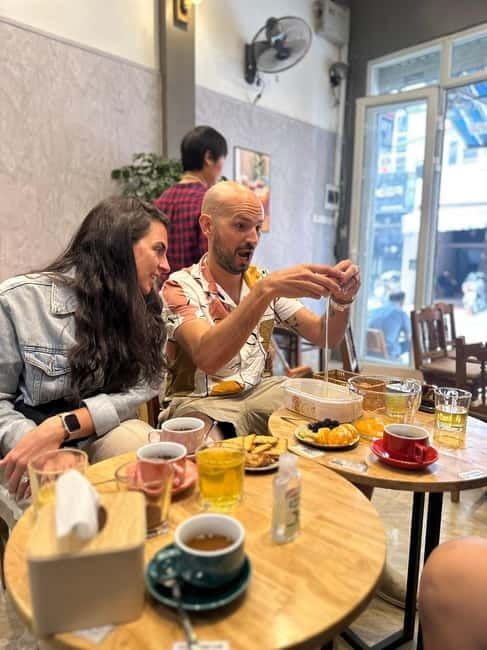
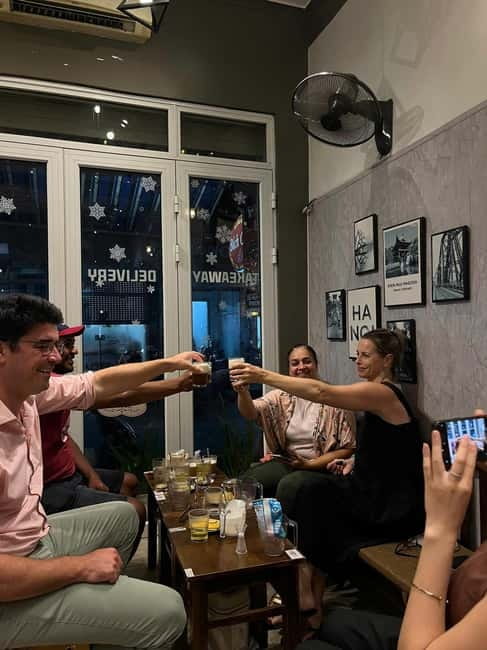
- Small groups of up to 10: The format leaves room to ask questions, adjust sweetness, and get help with each brewing step.
- Useful teaching from local guides: Jade, Eddie, Daisy, Tyler, and other Vietnamese instructors explain both technique and the story behind each drink.
- Recipes you can repeat at home: You grind, brew, whisk, taste, and learn simpler equipment options instead of watching a one-way show.
- Strong value at $22: The price covers six drinks, instruction, recipes, tea, and local suggestions in a one to two hour session.
Entering a lived-in Hanoi home
The meeting point is a cozy local café in a quiet corner of the Old Quarter, close to the Hanoi Opera House and the French Quarter. That location makes the workshop easy to pair with a morning walk, an afternoon around Hoàn Kiếm Lake, or a meal in the old city.
From there, the experience takes place in a local home where people actually live. You hear ordinary city life outside, work with pottery from local ceramic villages, and see coffee prepared with daily ingredients. I like this setting because it gives the class a human scale. You are not simply seated in front of a barista while someone performs a recipe.
The space has air conditioning, clean restrooms, a dishwasher, and sterilized utensils. There is also a pet-friendly garden space, and childcare is available. Those touches matter if you are traveling with a family or need a break from Hanoi’s heat and traffic.
The room is not presented as a formal culinary school, and that is part of its appeal. You should expect a friendly home setting with conversation, movement, and the sounds of everyday life. If you want a sleek coffee laboratory or a quiet tasting room, this may feel more casual than expected.
A few more Hanoi trips worth comparing
- Hanoi Jeep Tour: Food, Culture and Fun by Vietnam Army Jeep
★ 5.0 · 15,222 reviews - Hanoi: Water Puppet Show Tickets
★ 4.6 · 7,029 reviews - Hanoi Motorbike Tour: Food, Culture and Fun by Vintage Motorbike
★ 5.0 · 6,699 reviews
Six cups, six ways to understand Vietnamese coffee
The workshop covers four to six coffees, depending on the session. The full list includes black, brown, egg, white or silver, coconut, and salted coffee. The precise order can vary, but the idea is to move from basic brewing toward drinks that use dairy, foam, coconut, or seasoning.
Black coffee
The plain black cup gives you the clearest look at the Vietnamese beans and the phin filter. You grind the coffee, set up the filter, and watch the brew pass slowly into the cup. This is where you learn how strength, bitterness, and water control affect the result.
The beans come from Vietnam’s Central Highlands, with seasonal harvests changing the coffee over time. The workshop uses specialty Vietnamese coffee selected through tastings across the country. You are not just adding sugar and milk to hide a poor brew. You begin by tasting the coffee on its own.
If you normally avoid black coffee, pay attention here. The goal is not to force you to like a bitter cup. The guide shows you how locals adjust the strength and balance the bitterness, which can make black coffee more approachable.
Brown coffee
Brown coffee, usually made with sweetened condensed milk, shows why Vietnamese coffee is so appealing to people who find black coffee too forceful. The sweetness softens the bitter edge while keeping the coffee flavor present.
This part is useful at home because the guide explains ratios and adjustments. You can make the drink sweeter, stronger, or lighter without losing its basic character. The lesson is less about memorizing one fixed measurement and more about learning how to taste and correct the cup.
Same trip, a completely different kind of day:
- Hanoi: Guided Food Tour with Train Street Visit
★ 4.9 · 6,239 reviews - Hanoi Cooking Class: Culture, Local Market & Meaning CSR Impact
★ 5.0 · 5,147 reviews - 5 Traditional Dishes Hanoi Cooking Class with Market Trip
★ 5.0 · 4,890 reviews - Small Group Hanoi Street Food Tour with a Real Foodie
★ 5.0 · 4,682 reviews
Egg coffee
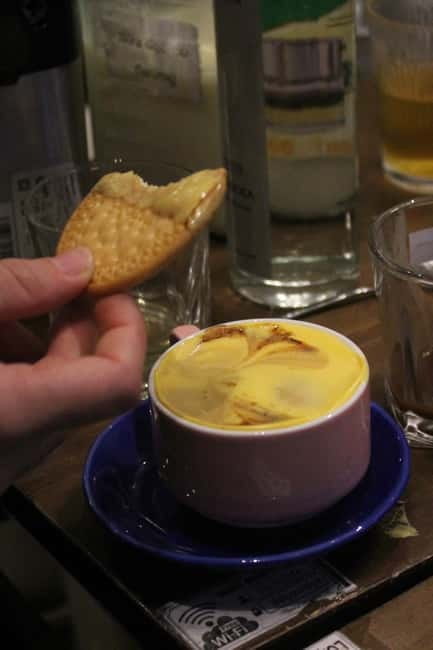
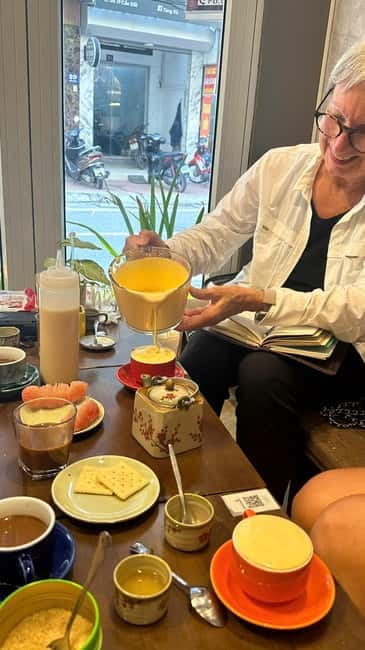
Egg coffee is one of Hanoi’s best-known coffee creations, and the workshop spends time on the method behind its smooth foam. You work with fresh eggs and learn how to whisk them into a creamy topping before combining them with coffee.
The technique matters. Egg coffee can be rich and dessert-like, but a poorly mixed topping may feel heavy. The guide explains the process clearly and connects the drink to Hanoi’s café culture and changing tastes.
Jade is especially praised for explaining the background of egg coffee while keeping the class easy to follow. If this is the drink you most want to understand, mention it when you arrive and ask questions during the whisking stage.
White or silver coffee
The white, sometimes called silver, style adds another variation to the basic coffee structure. It gives you a chance to compare how milk changes the body and flavor without the thicker texture of egg or coconut coffee.
This comparison is one of the most useful parts of the workshop. You can taste the effect of each ingredient instead of treating Vietnamese coffee as one single recipe. By the end, you understand why small changes in sweetness, dairy, foam, or ice create such different drinks.
Coconut coffee
Coconut coffee was a favorite for several people who booked the class, and it is easy to see why. Coconut adds a smooth, lightly sweet texture that works well with strong coffee.
Fresh coconut is prepared daily, not poured from a pre-made artificial mix. The guide explains what to use and offers home-friendly alternatives if you cannot find the exact ingredients where you live.
This is also a good cup for people who want something less traditional in flavor but still tied to Vietnamese café culture. It tastes closer to a cold dessert drink than the black or brown versions, yet the coffee remains central.
Salted coffee
Salted coffee may sound odd until you understand what a small amount of salt does. It can reduce the sharp edge of bitterness and make the drink taste fuller. The workshop gives you a practical lesson in balance, not a dare to drink something unusual.
I like that the class treats ingredients as tools. Salt, condensed milk, egg, and coconut are not added simply for novelty. Each one changes the coffee in a noticeable way, and you learn to decide how much is enough.
The real lesson is tasting and adjusting
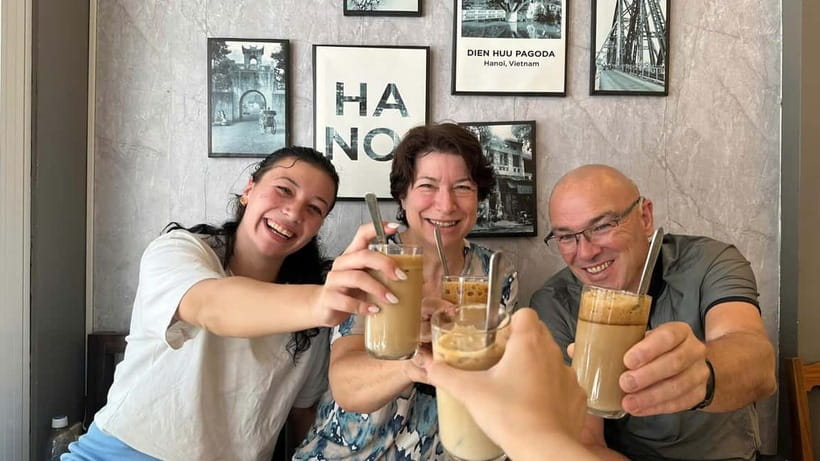
A basic coffee demonstration can show you what to pour into a cup. This class goes further by asking you to taste and make decisions. You grind, brew, whisk, sample, and adjust throughout the session.
That makes the workshop useful after you leave Hanoi. You learn how locals control bitterness, strength, and sweetness without expensive equipment. The instructors also explain easy substitutes, so you do not need to recreate a professional café at home.
The full recipes are provided afterward, including more than the basic steps. You can refer back to the ratios and methods when you have a phin filter and Vietnamese coffee of your own. One participant even bought a filter after the class to continue brewing at home.
The teaching is in Vietnamese and English. Guides are described as patient, friendly, and clear, with Eddie receiving particular praise for explaining each step in detail. Jade is often singled out for her warmth and local suggestions, while Daisy and Tyler are also praised for making the process comfortable and easy to follow.
Names and instructors can change by time slot, so do not book around one particular guide. The shared strength of the experience is the teaching approach: explain the method, let you try it, then help you correct it.
Coffee culture told through ordinary stories
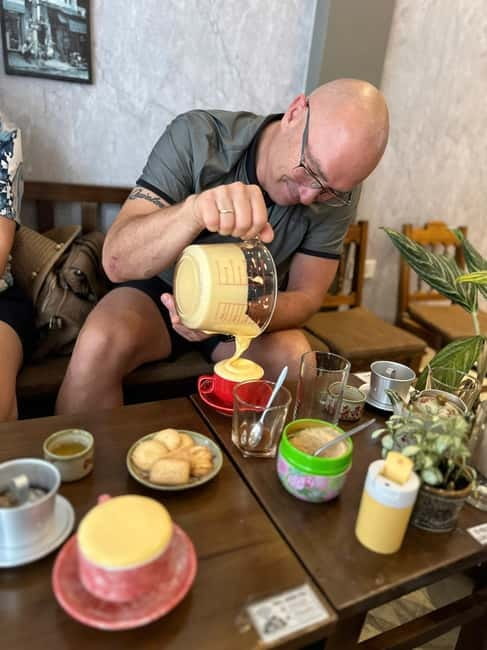
The stories connect each drink to Hanoi life. You hear about mornings in the city, old cafés, family habits, street coffee, and the way tastes have changed. You also learn how Vietnamese coffee developed around local beans and strong brewing methods.
The Central Highlands supply the beans used in the workshop, and the coffee changes with seasonal harvests. That detail gives useful context to the cup in front of you. Vietnamese coffee is not one fixed flavor forever. Beans, harvests, roasting, and preparation all affect the result.
The workshop also explains why coffee is such a social part of daily life. A cup can be a quick morning habit, a reason to sit and talk, or a sweet pause in a crowded day. You are learning recipes, but you are also learning how coffee fits into Hanoi’s rhythm.
Guides may share a map or personal suggestions for cafés, restaurants, markets, and bars around the Old Quarter. That can be especially useful at the beginning of a stay, when you want to find places beyond the obvious tourist stops. If you take the class near the start of your visit, keep a note of these recommendations and use them to plan the next few days.
How long it takes and how the group size feels
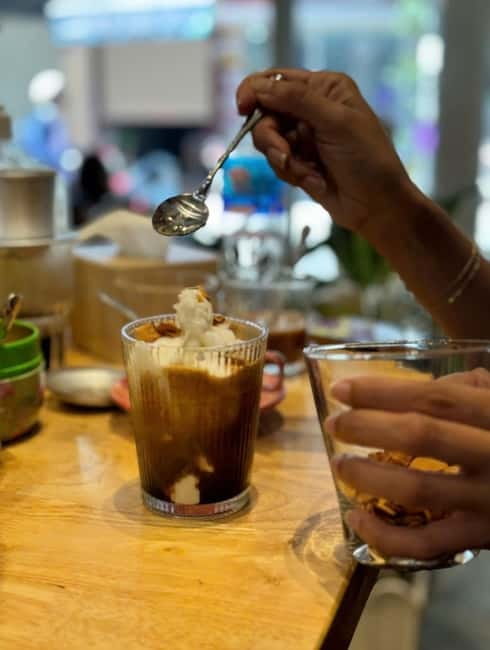
The advertised duration is one to two hours. A one-hour session can give you a brisk introduction, while a longer session allows more time for tasting, questions, and careful preparation of all six drinks.
Groups are limited to 10 people. That is small enough for individual help but large enough to create easy conversation between people from different countries. Solo visitors can find this a relaxed way to meet others without committing to a full-day group tour.
Some time slots may be much smaller. One couple had a private-feeling session, and one solo participant received an individual class. You should not assume every booking will be private, but the limited group size gives you a reasonable chance to receive direct attention.
The activity is wheelchair accessible. Babies under one year are not suitable, and the stated upper age limit is 95. These restrictions are specific, so families should check the details before booking if they are bringing a very young child or an older relative.
Is six coffees too much?
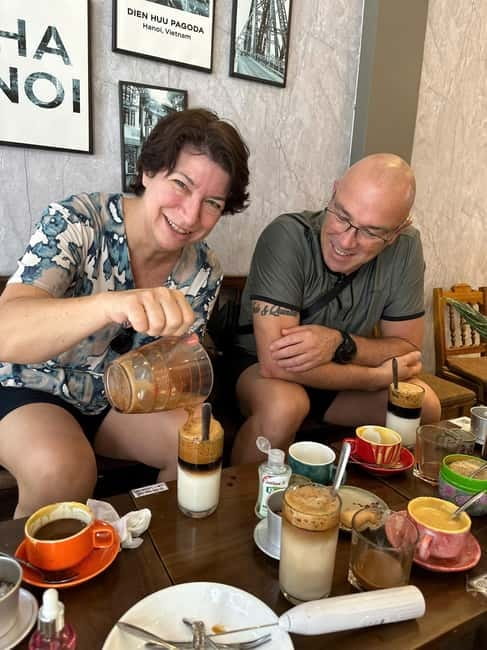
For many people, the caffeine is the only real drawback. Even small tasting portions add up when you make six drinks, especially if you normally drink little coffee.
I would book this in the morning or early afternoon. One participant specifically suggested a morning session because of the amount of coffee, and another described leaving with a noticeable caffeine boost. You can ask the guide about tasting sizes, but the class is designed around making and drinking the drinks, not simply smelling them.
Tea is included, which gives you another drink option, though the central focus remains coffee. If you are sensitive to caffeine, plan a slower rest of the day and avoid adding several more café stops immediately afterward.
What the $22 price includes
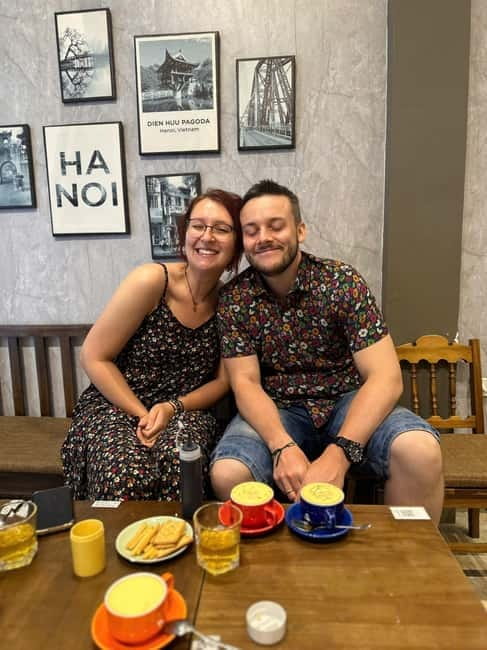
At $22 per person, the value is good if you want more than a single café drink. You receive instruction, coffee and tea, fresh ingredients, full recipes, and the chance to prepare multiple Vietnamese styles yourself.
You also get the value of the setting and local guidance. A café crawl could cost a similar amount once you buy several drinks, but it would not teach you how to repeat the recipes. A standard cooking class may teach one dish, while this workshop gives you six related drinks in roughly two hours.
The price is less compelling if you only want to taste egg coffee or coconut coffee once. You can order those in Hanoi without taking a class. Book this for the method, the comparisons, and the chance to bring a small piece of Vietnamese café culture home.
Free cancellation is available up to 24 hours before the start for a full refund, and you can reserve now and pay later. Check available start times when choosing a slot, especially if you want a morning class.
Who will get the most from this workshop?
I would recommend it first to coffee drinkers who have already tried Vietnamese coffee and want to understand how it is made. It is also a good choice if you want a cultural activity that fits into a busy Hanoi itinerary without taking half a day.
It suits solo visitors, couples, families with older children, and anyone who likes practical souvenirs. A phin filter and a recipe sheet are more useful than another decorative item in your luggage, provided you have room for coffee supplies at home.
You do not need advanced cooking skills. The steps are explained in English, the group is limited, and the guide helps you through the hands-on parts. You should bring curiosity and an appetite for strong, sweet, creamy drinks.
I would skip it if you dislike coffee, cannot tolerate caffeine, or prefer sightseeing that keeps you outdoors. The home setting is comfortable, but this is still a seated food activity built around repeated tasting.
Should you book this Hanoi coffee class?
Yes, if you want to understand why Vietnamese coffee tastes the way it does rather than simply ordering another cup. The combination of six styles, fresh ingredients, local stories, practical recipes, and a small group gives the $22 fee real value.
Book an early time slot if possible, especially if you are caffeine-sensitive. Ask questions, taste the black coffee carefully, and compare each variation instead of rushing to your favorite. I would also schedule it near the start of your Hanoi stay so the local café and restaurant suggestions can guide the rest of your visit.
Skip it only if coffee is not part of your holiday plans. For everyone else, this is a compact, friendly way to learn a daily Hanoi habit and take the skill home.
FAQ
Where does the Vietnamese coffee workshop take place?
The meeting point is a cozy local café in a peaceful corner of Hanoi’s Old Quarter, near the Hanoi Opera House and the French Quarter. The activity takes place in a local home.
How long does the experience last?
The stated duration is one to two hours. Available starting times depend on the date you select.
How many coffees will I make?
You will make four to six Vietnamese coffees. The styles include black, brown, egg, white or silver, coconut, and salted coffee.
Is the activity hands-on?
Yes. You grind, brew, whisk, taste, and adjust the drinks rather than only watching an instructor demonstrate them.
What language is the workshop offered in?
The instructors teach in Vietnamese and English.
How many people are in each group?
The activity is limited to 10 participants. Some sessions may have fewer people depending on bookings.
Are recipes included?
Yes. Full recipes and additional guidance are provided so you can make the drinks at home.
Is the coffee workshop wheelchair accessible?
Yes, the activity is listed as wheelchair accessible.
Can I cancel or pay later?
You can cancel up to 24 hours in advance for a full refund. You can also reserve your place and pay later, keeping your travel plans flexible.
Just added around Hanoi
- Private Crowd Free Hanoi: Morning Highlights of the City Experience★ 4.5 · 124 reviews
- Hoa Lo Prison and Little Paris Tour in Hanoi (French Quarter)★ 5.0 · 20 reviews
- Hanoi’s Old Quarter Street Food Experience and Train Street★ 5.0 · 22 reviews
- Old Quarter Food Tour in Hanoi★ 5.0 · 104 reviews
- Retro Hop-on-hop-off Bonbon City Tour: Classic Package★ 4.0 · 32 reviews
- [Hi-end] Private Hanoi Street Food Tour With Real Foodie★ 5.0 · 154 reviews
- Hanoi Street Food Tour★ 5.0 · 27 reviews
- Hanoi Street Food Tour with egg coffee making★ 5.0 · 22 reviews
Hanoi Tours, compared.

Hanoi Jeep Tour: Food, Culture and Fun by Vietnam Army Jeep
Read our review →


Hanoi Cooking Class: Culture, Local Market & Meaning CSR Impact
Read our review →
Small Group Hanoi Street Food Tour with a Real Foodie
Read our review →
Hanoi Coffee Experience: 6 Brews, 9 Recipes & 3 Liquor Tastings
Read our review →
CozyBay Cruise-The Best Small Group 2D/1N inHalong-All inclusive
Read our review →