
Reviewed · TRAIN STREET TOURS
Hanoi: All-in-One Walking Tour Through a Train Street
Hanoi’s story makes the most sense when you walk from one era to the next. This tour links the Ly Thai To statue, Ngoc Son Temple, an old communal house, Long Bien Bridge, Dong Xuan Market, and Train Street into one brisk route through the city. You move from ancient Vietnamese traditions to French-era engineering and Hanoi’s modern street life.
I like the way the tour mixes famous sights with ordinary local corners, rather than keeping you inside a parade of postcard stops. I also like the practical help: your guide can explain how to cross Hanoi’s streets, suggest food and drink, and steer you toward egg, salt, or coconut coffee. The main drawback is the pace. Three and a half hours covers a lot of ground, so this suits you better if you want a strong first look than a slow study of each site.
Key points to know before you book
- Train Street is the finale: Spend about 30 minutes near one of Hanoi’s most unusual modern landmarks.
- The route crosses several eras: See the Ly Thai To monument, Ngoc Son Temple, Long Bien Bridge, and old houses in one outing.
- Private guiding adds flexibility: Guides such as Minh, Nathan, Tee, and Khoi have adjusted routes, walking speed, and transport when needed.
- Coffee is part of the local lesson: Egg, salt, or coconut coffee can give you an easy introduction to Hanoi’s café culture.
- Hotel pickup is included: Wait in your hotel lobby, then begin at the starting point for your selected option.
- Plan for real walking: Comfortable shoes matter, and the tour is not suitable for pregnant women, people with mobility impairments, or children under 120 centimeters.
Why this walking tour works as a first look at Hanoi
Hanoi can feel confusing at first. Streets twist through the Old Quarter, motorbikes come from every direction, and a historic temple may sit beside a café, shop, or narrow home. A private guide gives you a way to read the city instead of simply passing through it.
This tour is built around contrast. You begin with the city’s older political and spiritual traditions, then move through the trading streets and market life of the Old Quarter. Long Bien Bridge brings in the French period and the city’s industrial past. Train Street supplies the modern, highly photographed ending.
The route is not just a checklist of places. It gives you a rough timeline for Hanoi: Thang Long, the thousand-year-old capital; the city shaped by trade and colonial construction; and the present-day capital where daily life continues beside major tourist sights.
The guide’s role matters a great deal. Past guides have included Nathan, Minh, Tee, Khoi, Sarah, Mark, James, Nam, and Mr. Son. The strongest part of the experience is the personal explanation. You can ask about customs, food, street life, or the meaning of a building instead of trying to decode everything from a sign.
Several people who took the tour early in their stay found it useful for getting their bearings. One guide even helped a guest learn how to cross Hanoi’s streets with more confidence. That may sound like a small detail, but it can change your whole visit.
More Walking Tours in Hanoi
- [Hot] Hanoi Old Quarter Walking Street Food – Small Group Tour
★ 5.0 · 2,163 reviews - Private Walking Tour of Hanoi City
★ 5.0 · 1,251 reviews - Hanoi: Small-Group Street Food Walking Tour
★ 4.8 · 1,165 reviews
Ly Thai To Monument and Ngoc Son Temple
The route often starts at the Emperor Ly Thai To monument, with about 15 minutes for a visit and explanation. Ly Thai To is tied to Thang Long, the former name of Hanoi, so this opening gives the tour its long view. You are not starting with a random statue. You are starting with the story of why Hanoi became an important seat of power.
From there, you continue to Ngoc Son Temple for roughly 30 minutes. The temple sits on an island in Hoan Kiem Lake, one of central Hanoi’s best-known settings. Your guide can explain the cultural meaning of the site and point out details that are easy to miss when you are focused on taking photographs.
This stop is a good example of the tour’s strength. You get enough time to see the temple and hear its background, but not so much time that the morning or afternoon stalls. If you want a long, quiet temple visit, this will feel short. If you want context before exploring Hanoi on your own, the timing works well.
Photography is not allowed inside certain sites, so follow your guide’s instructions. You can still take photographs at designated points, but this is a place to pay attention rather than treat every room as a photo set.
Đình Kim Ngân and the old streets around Thanh Hà
The next part takes you toward Đình Kim Ngân, a communal house, for around 30 minutes. Communal houses are important to local community life and religious tradition. This stop helps explain Hanoi beyond imperial monuments and major tourist sites. It is a chance to see how shared cultural spaces fit into the old neighborhoods.
You then reach Thanh Hà Street for about 15 minutes. The short stop gives you time to look at the street setting and hear more about the Old Quarter. Depending on the guide and route, the tour may also include an old house such as Ma May Ancient House or another small heritage site.
This is where a private tour can feel more useful than a fixed group walk. The route can change because of an event, weather, or timing. A guide has adjusted the plan in the past while still fitting in an old house, the market, Train Street, and a café. You get a framework, but not a rigid march from one address to the next.
Expect narrow streets, uneven pavement, traffic, and plenty of interruptions. This is not a polished museum district. That is the point, but it also means you need to watch your step and stay close to your guide.
Long Bien Bridge and Hanoi’s changing city
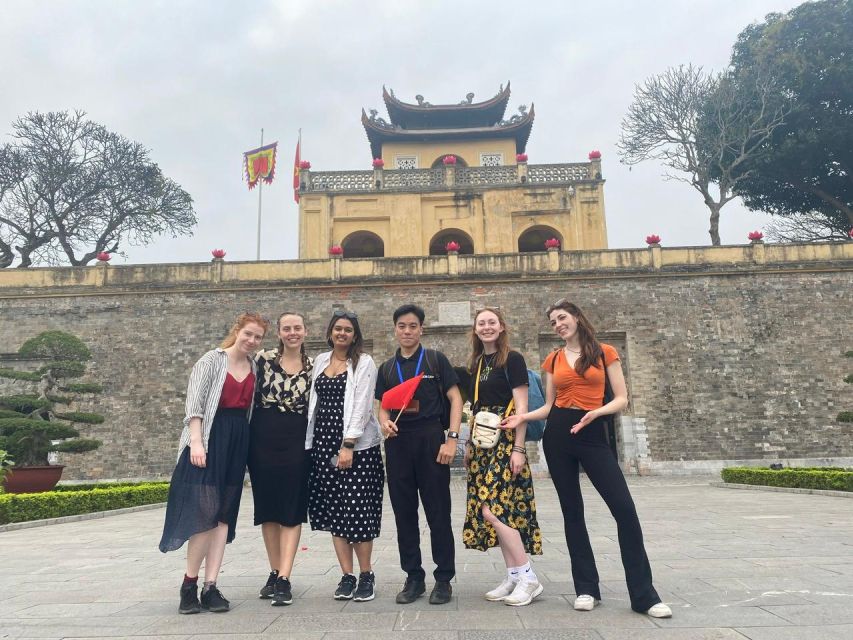
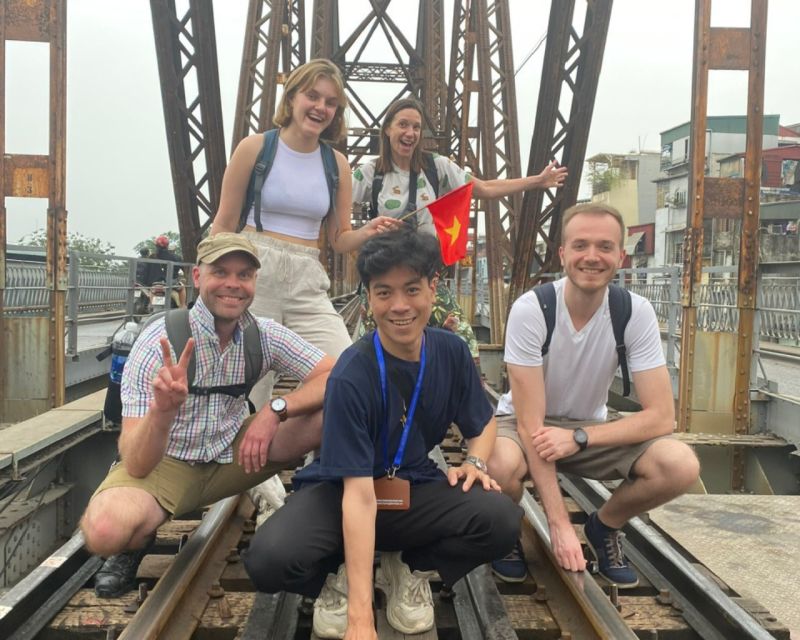
Long Bien Bridge receives about 30 minutes. The bridge is one of Hanoi’s key pieces of older infrastructure and reflects the city’s French colonial period. It also gives you a different view of Hanoi from the crowded lanes around the Old Quarter.
Your guide can explain why the bridge matters and how it fits into the city’s development. The stop works best when you look beyond the bridge itself. Notice the difference between the old structure, the surrounding streets, and the newer Hanoi that has grown around it.
This may be one of the more exposed portions of the walk. Sun, rain, and traffic can affect your comfort, so bring suitable clothing and wear shoes you can use for several hours. A guide has kept the pace comfortable for older participants, but the total outing still involves a substantial amount of walking.
The tour description also allows taxis when useful. One private outing used short cab rides to stay on schedule for coffee and Train Street. That is worth remembering if you want the walking experience but do not want every section to be on foot.
More Train Street Tours in Hanoi:
- Hanoi: Guided Food Tour with Train Street Visit
★ 4.9 · 6,239 reviews - Hanoi: Street Food Tour with Train Street & Hidden Alleyways
★ 5.0 · 2,831 reviews - Hanoi: Guided Street Food Tour with Train Street Experience
★ 4.9 · 2,479 reviews - Hanoi City Tour Highlight, Train Street Combine visit Countryside
★ 5.0 · 925 reviews
Dong Xuan Market for a look at daily trade
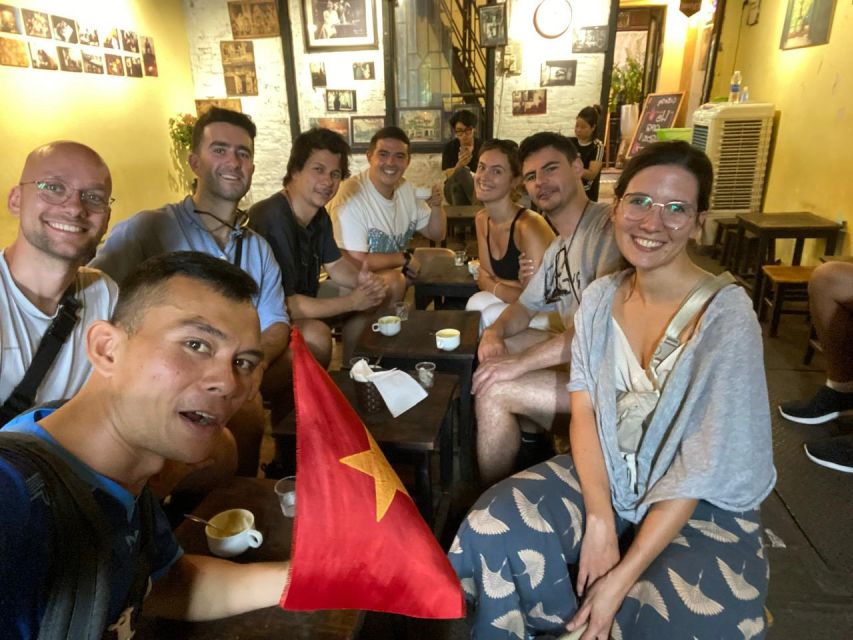
Dong Xuan Market is scheduled for about 30 minutes. It is a useful counterpoint to the temples and monuments because it shows Hanoi as a working city. You can expect a busy indoor market setting with goods, food, and local trade, though the exact route through the market depends on timing and the guide.
This is a good place to ask practical questions. Your guide can help explain what you are seeing and offer suggestions about what to eat or drink later. The market is less about ticking off a major landmark and more about understanding how the Old Quarter functions.
Do not expect a quiet stroll. Markets can feel crowded, and you may need to keep your belongings secure and stay aware of other people. The short visit is enough for a first taste, but you may want to return alone if you enjoy browsing and shopping.
Coffee and food advice that you can use later
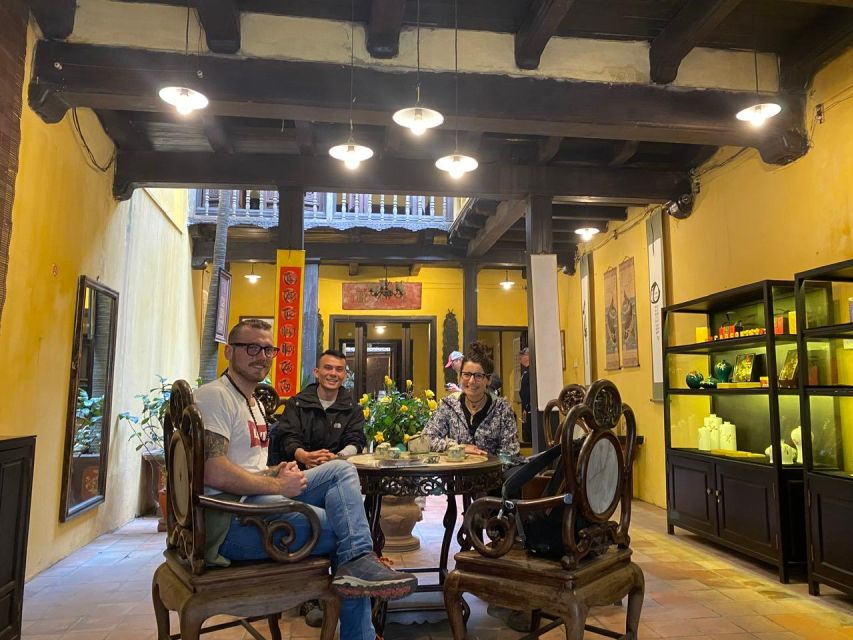
Egg coffee is one of the tour’s best small details. You may instead choose salt coffee or coconut coffee, depending on the selected experience and what you prefer. The drink stop is not included in the $34 price, so bring some extra cash for anything you order.
Egg coffee is especially useful as a cultural introduction because it is tied to Hanoi’s café traditions, not simply a generic drink stop. One guide has taken guests to a café associated with the beginnings of the egg coffee tradition. The experience can also include Vietnamese doughnuts or other local snacks, though food is not guaranteed and is not included.
The guide’s recommendations may be just as valuable as the drink itself. You can ask where to eat, what to order, and which local habits to follow. That advice can save you from spending the rest of your stay in restaurants chosen only for their location near a hotel.
Keep in mind that the coffee stop may take time from another part of the route. On a private tour, this is usually a fair trade. You can tell the guide if food and drink matter more to you than an extra photo stop.
Train Street: the dramatic final stop
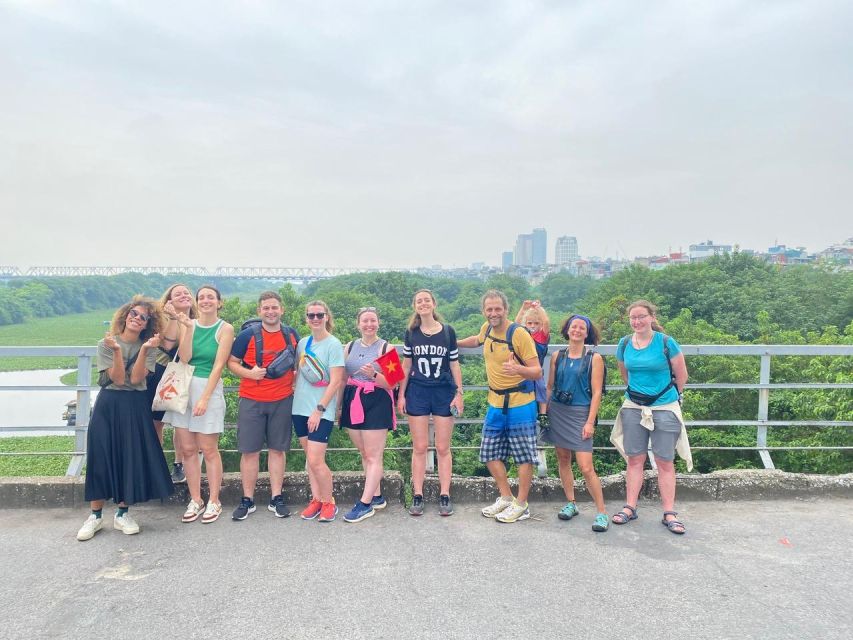
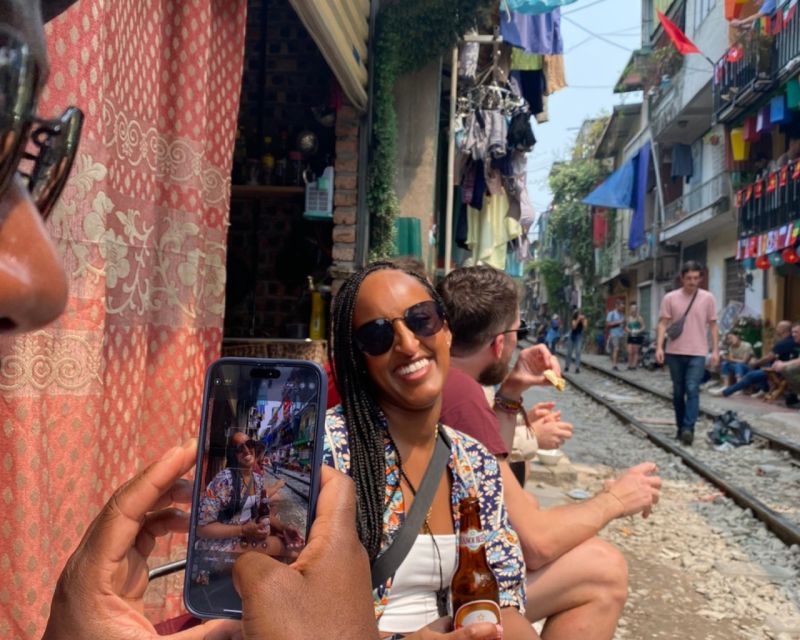
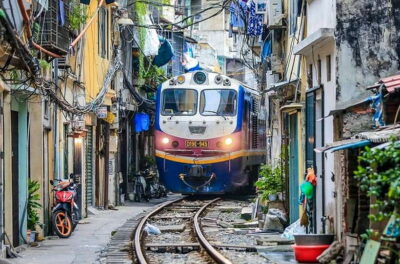
The tour ends with about 30 minutes at Hanoi Train Street. This is the modern, unusual part of the route, and it gives the experience its title. The railway passes through a narrow residential area, creating a striking contrast between everyday homes and active train infrastructure.
Your guide can help you understand how to visit the area safely and respectfully. Follow instructions closely, remain in the permitted area, and do not treat the tracks as a playground. Train schedules and access conditions can change, so seeing a train pass is not something I would treat as guaranteed.
Several outings have timed the coffee stop and route to allow guests to see a train go by. That shows the benefit of a private group, but it still cannot remove the uncertainty of local conditions. If the train does not arrive during your visit, the narrow street and unusual setting are still worth seeing, but the photo opportunity may not match your expectations.
The 30-minute stop is enough for a look and photographs from approved areas. It is not enough for a long café visit, extended neighborhood wandering, and a full train-watching session all at once.
What $34 gets you, and where the value lies
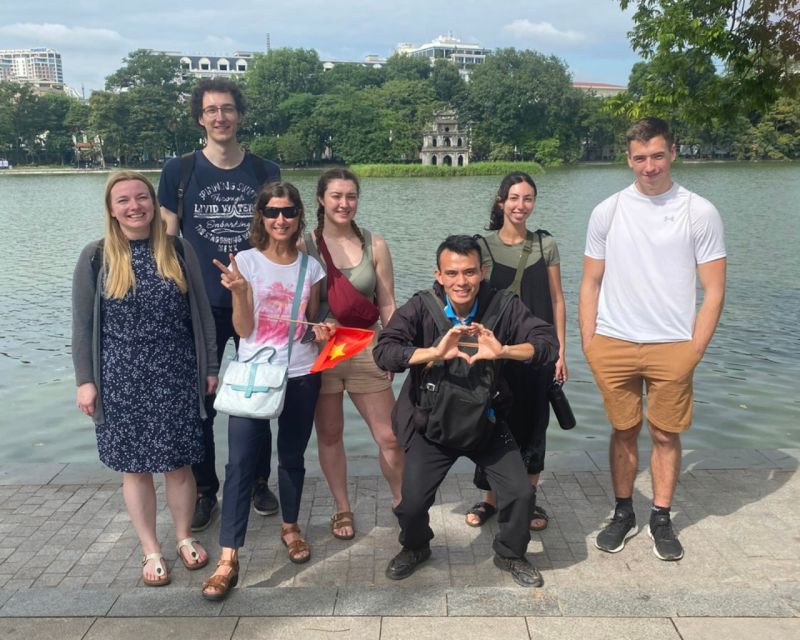
At $34 per person, this tour offers good value if you want a guide, hotel pickup and drop-off, entrance tickets, and a private group. The price is not simply paying for a walk between landmarks. You are also paying for translation, local context, route planning, street-crossing help, and the ability to adjust the day.
The value rises if this is your first day in Hanoi. You can learn the basic layout of the Old Quarter, collect food suggestions, and get a feel for local customs before exploring alone. It also makes sense if you are traveling solo and want company without joining a large group.
The price is less attractive if you already know central Hanoi well or prefer to linger at each site. You will pay separately for coffee, food, and any taxi rides used during the outing. The tour covers many places in 210 minutes, so you are buying breadth rather than long visits.
Free cancellation up to 24 hours before the start and reserve-now, pay-later booking add useful flexibility. The activity is in English and pickup is included, but you should wait in your hotel lobby as instructed.
Pace, walking, and who should book
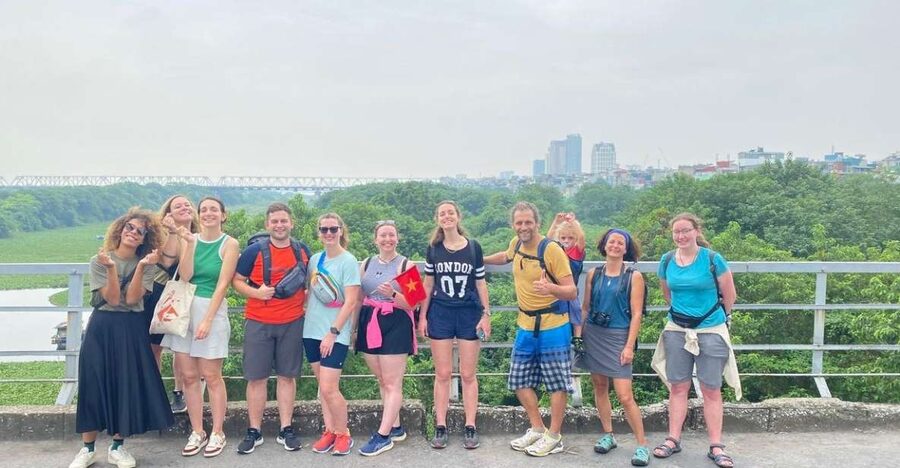
You need comfortable shoes. The tour includes streets, markets, bridges, temple areas, and Train Street, with a total duration of three and a half hours. Hanoi’s pavement and traffic can make the walk feel more tiring than the clock suggests.
The experience is not suitable for pregnant women, people with mobility impairments, or anyone under 120 centimeters tall. The supplied information also describes the walking conditions as unsuitable for some visitors, so be honest about your comfort before booking.
A private group gives you room to ask questions and request a slower pace. Guides have adapted plans for weather, city events, illness, and group needs. One guest had to stop early after feeling unwell, and the guide offered help arranging a taxi back to the accommodation. That kind of care is a real advantage of a private guide.
English ability varies naturally by guide, but the named guides have led the experience in English. Guests have particularly valued clear explanations, friendly conversation, local tips, and help with street navigation. The strongest guide for you will be the one who matches your interests, so tell the operator if you care most about food, history, photography, or daily life.
Should you book this Hanoi walking tour?
Book it if you want a well-rounded introduction to central Hanoi and prefer a private guide who can explain what you are seeing. It is especially useful on your first day, when the city’s streets, traffic, coffee customs, and Old Quarter layout can feel like a lot to take in.
Choose it for the mix of temples, a communal house, market life, Long Bien Bridge, local coffee, and Train Street. The route gives you more than a single theme, and the guide’s flexibility can make the difference between a rushed outing and a useful introduction.
Skip it if you want a slow temple tour, a dedicated food walk, or a full museum visit. You will cover many stops quickly, and the coffee, food, and possible taxi costs come separately. For most first-time visitors who want practical context and a broad look at Hanoi, $34 is a sensible way to start.
FAQ
How long does the Hanoi walking tour last?
The tour lasts 210 minutes, or three and a half hours.
What places are included?
The route includes the Ly Thai To monument, Ngoc Son Temple, Đình Kim Ngân communal house, Thanh Hà Street, Long Bien Bridge, Dong Xuan Market, and Hanoi Train Street. It may also include old houses and other local stops.
Is hotel pickup included?
Yes. Hotel pickup and drop-off are included. You should wait in your hotel lobby.
Is the tour private?
Yes. The activity is offered for a private group.
What language does the guide speak?
The live tour guide speaks English.
Are food and drinks included in the price?
No. Food and drinks are not included. Egg coffee, salt coffee, coconut coffee, and local snacks may be recommended or included as stops, but you pay separately for anything you order.
What should I bring?
Bring comfortable shoes. You should also follow the guide’s instructions about photography, since photography is not allowed inside certain places.
Can I cancel the booking?
Yes. You can cancel up to 24 hours in advance for a full refund. The activity also offers reserve-now, pay-later booking.
Just added around Hanoi
- Private Crowd Free Hanoi: Morning Highlights of the City Experience★ 4.5 · 124 reviews
- Hoa Lo Prison and Little Paris Tour in Hanoi (French Quarter)★ 5.0 · 20 reviews
- Hanoi’s Old Quarter Street Food Experience and Train Street★ 5.0 · 22 reviews
- Old Quarter Food Tour in Hanoi★ 5.0 · 104 reviews
- Retro Hop-on-hop-off Bonbon City Tour: Classic Package★ 4.0 · 32 reviews
- [Hi-end] Private Hanoi Street Food Tour With Real Foodie★ 5.0 · 154 reviews
- Hanoi Street Food Tour★ 5.0 · 27 reviews
- Hanoi Street Food Tour with egg coffee making★ 5.0 · 22 reviews
Train Street Tours, compared.

Hanoi Jeep City Highlight, Backstreet, Train Street, Countryside
Read our review →
Hanoi All-In-One Tour: Highlights & Train Street & Culture & Fun
Read our review →
Instagram Incense Quang Phu Cau Village Tour with Train Street
Read our review →
Vespa City Tour &Train Street Female With Ao Dai Riders 4,5 Hours
Read our review →
Hanoi City Half Day Private Tour: Hidden Corners & Train Street
Read our review →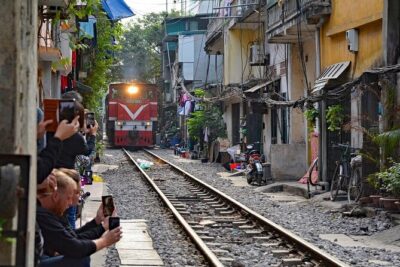
Hanoi Street Food Adventure: Train Street & Local Delights
Read our review →
Hanoi Jeep Night Street Foodie Tour, Train Street and Egg Coffee
Read our review →Browse the lists this tour appears in