Reviewed · HANOI TOURS
Discover Vietnam – Cambodia – Thailand in 22 Days
Angkor Wat at sunrise, a night on Halong Bay, village life near the Mekong, royal tombs in Hue, and quiet beach time in Phuket: this 22-day journey packs three countries into one carefully arranged trip. You get the big sights, but also meals, markets, cycling, family-run lodging, and time to wander on your own.
I like the door-to-door transfers and the three included regional flights, which remove much of the usual Southeast Asian transport puzzle. I also like the mix of grand monuments and smaller encounters, from cooking and cycling near Ben Tre to market visits in Hanoi and Hoi An.
The drawback is simple: this is a busy trip. Several days involve long drives, flights, or back-to-back sights, and the non-refundable booking rule means you should check your dates, passports, visas, and insurance before paying.
Key points to know before booking
- Three countries in 22 days: Follow a clear route from northern Vietnam to central and southern Vietnam, then Cambodia and southern Thailand.
- Halong Bay cruise included: Spend a night among limestone islands, with sunrise, breakfast, Tai Chi, seafood, and a cave visit.
- Small maximum group: The tour is limited to 15 people, with private cars used for many transfers and excursions.
- Major flights are arranged: Hanoi to Hue, Da Nang to Ho Chi Minh City, and Siem Reap to Phuket include 20 kilograms of checked luggage per person.
- Local stays add texture: Sleep near the Mekong River at Mekong Home, a family house with bungalows in a tropical garden.
- Strong trip support: English-speaking guides, a 24-hour hotline, airport pickups, and contacts such as Thang, Linh, and Jennifer help keep the moving parts in order.
Why this route works for a first Southeast Asia trip
The clever idea here is coverage. You start in Hanoi, move south through Vietnam, cross into Cambodia, then finish on a Thai beach. That gives you food, war history, imperial sites, ancient temples, village life, and leisure time without asking you to plan each leg yourself.
At $2,481 per person, the price is not just paying for sightseeing. It includes 21 breakfasts, eight lunches, two dinners, three internal flights with checked baggage, the Ho Chi Minh City to Phnom Penh bus, sightseeing tickets, guides, transfers, taxes, and support. International airfare, insurance, visas, drinks, tips, and personal spending remain yours.
I see the value most clearly in the transport. A route this long can become a pile of separate bookings. Here, airport pickups, hotel transfers, domestic flights, and the Cambodia crossing are arranged together. You still need to watch the details, but you are not left to solve every connection alone.
The pace is the trade-off. This is not a slow village holiday. You move between cities often, and some sightseeing days run from morning into late afternoon. The 15-person limit helps, but you should still be comfortable with packing, unpacking, coach rides, and early starts.
A few more Hanoi trips worth comparing
- Hanoi Jeep Tour: Food, Culture and Fun by Vietnam Army Jeep
★ 5.0 · 15,222 reviews - Hanoi: Water Puppet Show Tickets
★ 4.6 · 7,029 reviews - Hanoi Motorbike Tour: Food, Culture and Fun by Vintage Motorbike
★ 5.0 · 6,699 reviews
Hanoi opens with food, villages, and old capital streets
Your arrival is at Noi Bai International Airport, where a private driver meets you with a sign bearing your name. That first transfer matters after a long international flight. You go directly to accommodation in the heart of Hanoi instead of trying to negotiate airport transport while tired.
The second day leaves the city for Ba Vi, about 1.5 hours away. The program takes you into picturesque villages and introduces you to Mr. Duo, giving you a look at countryside life rather than only the polished center of Hanoi. The visit lasts about seven hours, so it is a full outing, not a quick photo stop.
This is one of the tour’s better choices. Hanoi’s Old Quarter is exciting, but a village visit gives you a needed change of pace and a closer look at daily life. Just remember that the drive takes time, and the countryside day will feel active rather than idle.
Halong Bay brings one night on the water
On day three, you leave Hanoi by air-conditioned bus, crossing the Red River Delta and its rice paddies on the way to the pier. The transfer takes about four hours, followed by a six-hour cruise program and an overnight on the boat.
Halong Bay supplies the visual centerpiece: limestone islands, karst grottoes, seafood lunch, and broad views from the sundeck. The next morning begins with sunrise, breakfast, and a Tai Chi class before a cave visit. You return to Hanoi afterward and spend another night there.
I like the overnight format because it gives the bay more room to breathe than a rushed day trip. Still, the schedule is tightly managed. If you prefer complete control over meal times and stops, a group cruise may feel structured. The boat is also dependent on weather, and poor conditions can lead to a changed date or a refund rather than the planned sailing.
Hoa Lu and Tam Coc add a scenic day outside Hanoi
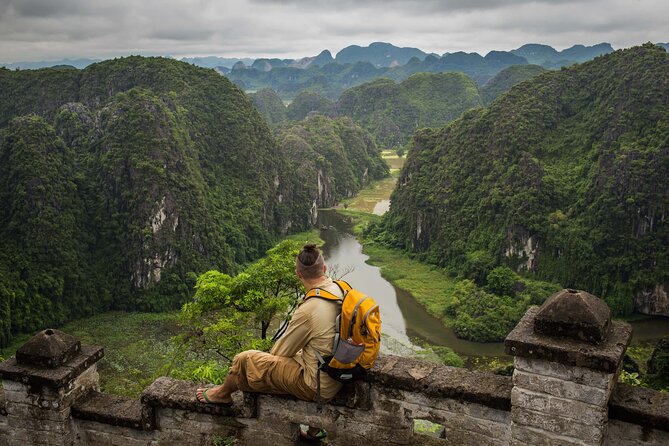
Day five takes you to Hoa Lu, the historic capital, after a 2.5-hour coach ride from Hanoi. You visit the ancient temples connected with the Le and Dinh dynasties, then stop for lunch before heading to Tam Coc.
At Tam Coc, a small boat follows the base of the limestone formations and passes through caves. An hour of cycling on quiet roads finishes the day before you return to Hanoi around 6 p.m.
This is a long day, but the pairing makes sense. Hoa Lu gives the cultural and political setting, while Tam Coc supplies the river scenery and outdoor time. Admission is included, and the guide helps connect the temples to the wider story of Vietnam.
Same trip, a completely different kind of day:
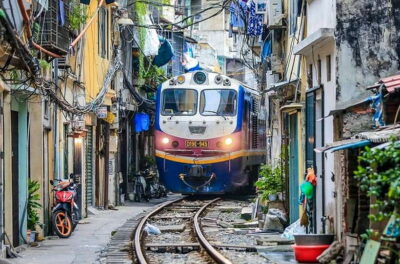
- Hanoi: Guided Food Tour with Train Street Visit
★ 4.9 · 6,239 reviews - Hanoi Cooking Class: Culture, Local Market & Meaning CSR Impact
★ 5.0 · 5,147 reviews - 5 Traditional Dishes Hanoi Cooking Class with Market Trip
★ 5.0 · 4,890 reviews - Small Group Hanoi Street Food Tour with a Real Foodie
★ 5.0 · 4,682 reviews
Hue turns imperial history into a full day

A flight takes you from Hanoi to Hue on day six, with 20 kilograms of checked luggage included. The rest of the day is for arrival and check-in, so you get a small pause before the heavy sightseeing begins.
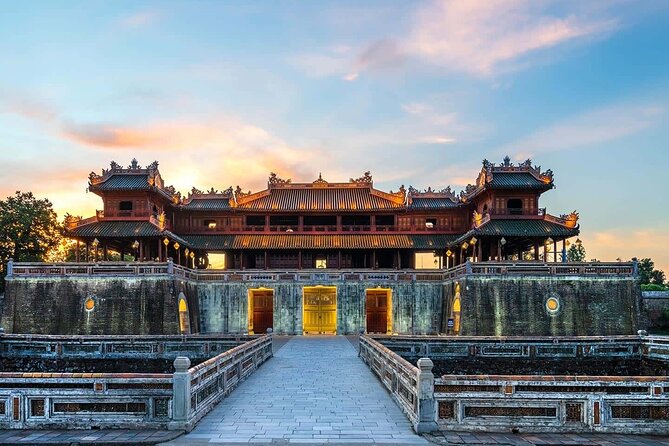
The next morning starts on the Perfume River aboard a dragon boat to Thien Mu Pagoda. From there, you visit the Imperial City, once home to Vietnam’s Nguyen dynasty. The courtyards, halls, gardens, and antiques make this more than a simple monument stop.
The afternoon continues at Dong Ba Market, where you can see food and goods being bought and sold. Then come two royal tombs: Khai Dinh, known for its blend of Western and Vietnamese design, and Minh Mang, praised in the program for its balance with the surrounding setting. A complimentary herbal foot bath provides a welcome break.
This is one of the most demanding sightseeing days. The reward is variety, but you will be walking and changing locations for hours. If you care about architecture, court life, and Vietnam’s imperial past, Hue is a major strength of the trip.
Hoi An slows the rhythm
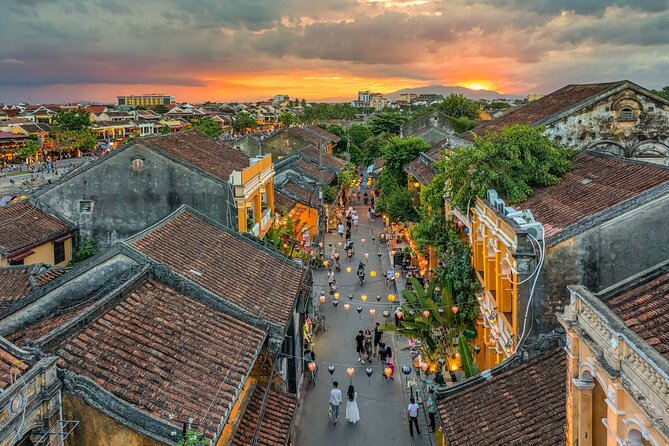
A road transfer takes you to Hoi An on day eight. The following morning begins by boat at the central market, where an English-speaking guide explains noodles, fish, spices, herbs, rice, and grains. It is a practical introduction to the food culture of the region.
Day ten is free. That is important because Hoi An is best enjoyed with some room around the schedule. You can explore Japanese merchant houses, pagodas, temples, and old warehouses, or simply take the day at an easier pace.
This pause helps balance the packed first half. I would use it for walking, browsing, eating, and any personal interests not covered by the guided program. The tour does not specify particular hotels in the supplied details, so confirm the exact accommodation category before booking, especially if you are comparing the standard and 4-star options.
The Mekong Delta offers the most personal local stay
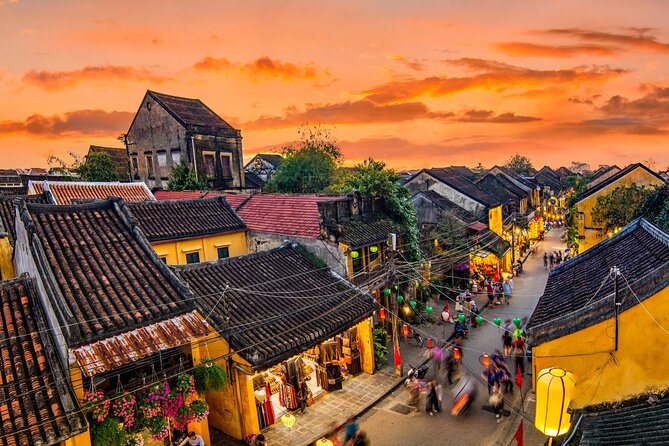
A flight from Da Nang to Ho Chi Minh City follows on day eleven, again with 20 kilograms of checked luggage. The next day, you leave the city for Ben Tre and the Mekong Delta.
The stay at Mekong Home is a highlight in concept and setting. It is a family house with several bungalows, a tropical garden, and a position beside the Mekong River. The program gives you time away from large hotels and puts you closer to the rhythm of a small river community.
Day thirteen includes a two to 2.5-hour cycling trip to Oc Island on a concrete track lined with fruit and coconut trees. You pass a local market and see ingredients used in everyday cooking. After the cycling and local activities, you return to Ho Chi Minh City.
The cycling distance and heat are worth considering. You do not need an extreme adventure background, but you should be comfortable riding for a couple of hours. The cycling is included for a reason: the Delta makes more sense when you move slowly enough to notice gardens, paths, markets, and waterways.
Ho Chi Minh City and the Cu Chi Tunnels provide hard history
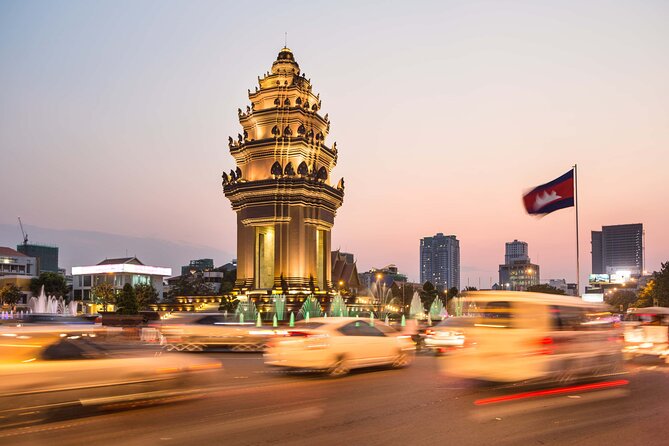
Ho Chi Minh City itself receives limited scheduled sightseeing time. That may suit you if you want a smooth route through Vietnam rather than a city-focused program. You have an overnight before visiting the Cu Chi Tunnels on day fourteen.
The tunnels form a large underground system associated with the Vietnam War. The visit takes about six hours, including the 1.5-hour drive each way. It is a substantial outing, not a quick museum visit, and it gives physical context to a period that can otherwise feel abstract.
The subject matter can be intense. The day is valuable for anyone who wants historical context, but it is not light entertainment. Afterward, you cross by bus to Phnom Penh, with the journey taking about six hours.
Phnom Penh balances royal ceremony with Cambodia’s recent past
The bus crossing from Ho Chi Minh City to Phnom Penh saves you another airport transfer and shows how the two countries connect by land. Once in Phnom Penh, the afternoon covers the Royal Palace, Silver Pagoda, and Wat Phnom.
The Royal Palace remains a royal residence, while the Silver Pagoda holds notable cultural objects, including a 90-kilogram gold Buddha set with 2,086 diamonds. Wat Phnom, built in 1373 on an artificial hill, adds an older religious site to the afternoon.
Day sixteen shifts tone sharply. Tuol Sleng, also known as S-21 prison, was used by Pol Pot’s security forces. The visit to Choeung Ek, commonly known as the Killing Fields, addresses the mass violence of the Khmer Rouge period.
These sites deserve patience and respect. The schedule includes about two hours at each major memorial site, followed by three hours at the Russian Market. The market provides a change of pace, with clothing, carvings, silk, jewelry, and other goods, but the day’s emotional weight should not be underestimated.
Siem Reap delivers the temple climax
A six-hour bus ride takes you from Phnom Penh to Siem Reap. The afternoon visit to Wat Thmey includes a glass-walled stupa containing the bones of Khmer Rouge victims, followed by Wat Memorial Mountain.
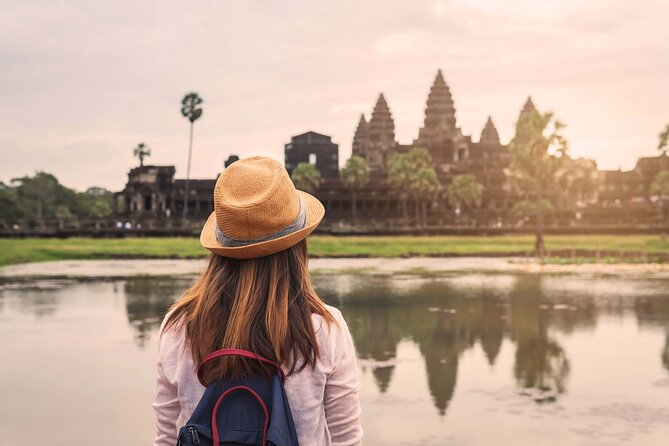
The next day is devoted to the Angkor complex. You begin with Angkor Thom and its South Gate, then Bayon Temple, whose stone towers carry the famous carved faces associated with King Jayavarman VII. Ta Prohm follows, with trees and jungle growth woven through the temple remains.
Angkor Wat receives its own visit later in the day. Its huge scale, moat, and outer wall make it more than a single temple stop. The timing includes an evening visit, so check the exact schedule and expected sunset conditions before you go.
Three temple stops in one day can be tiring. Comfortable shoes, water, and a willingness to keep moving will help. The advantage is clear: you see the sites most people hope to see, with transport and admission handled.
Phuket gives the route a soft landing
On day nineteen, you fly from Siem Reap to Phuket with 20 kilograms of checked luggage included. A private transfer takes you to your hotel, and the remaining three days are intentionally light.
Days twenty and twenty-one are free for Phuket beaches. Kata Beach is suggested as an easy option, with soft sand, palm shade, water sports, and a relaxed feel. You can use the free time for the beach, local markets, or your own plans, but no extra Phuket excursions are included in the supplied program.
That open ending is smart after so many historical sites and transfers. It also means you should not expect a guided island tour or a packed list of activities in Thailand. The final day includes breakfast, hotel checkout, time for local markets and souvenirs, and transfer to Phuket International Airport.
Plan your international departure carefully. The tour ends at Phuket airport, and the final transfer is included, but your flight is not.
Guides, group size, and practical support
The group maximum is 15 people, a useful limit for market visits, boats, and city walks. Many excursions use private cars or air-conditioned vehicles, while the Hanoi to Halong Bay section uses an air-conditioned bus.
English-speaking guides are included. Staff members named in the supplied information include Thang, Linh, and Jennifer. Thang is repeatedly singled out for being available and helpful, while Linh and Jennifer are praised for careful trip planning and personal support, including help with special arrangements and solo travel.
You also receive a 24-hour hotline. That does not remove every possible delay, but it gives you a direct support channel when flights, transfers, or border arrangements need attention.
Breakfast is included on 21 days, with eight lunches and two dinners. Drinks, tips, travel insurance, international flights, visas, and personal purchases are extra. Room check-in is normally at 2 p.m., and checkout is at noon. Airport transfers between midnight and 5 a.m. may carry a surcharge.
The tour requires passport details at booking. You are responsible for checking visa rules before crossing borders, though a visa invitation letter can be provided for arrival procedures. This is a non-refundable booking, so buy insurance and confirm your documents before committing.
Who should book this 22-day trip?
I would choose this tour if you want to see the main sights of Vietnam and Cambodia, add a Thai beach finish, and avoid building the route yourself. It suits first-time visitors who value organized transfers, internal flights, English-speaking guides, and a blend of guided days with a few free periods.
It is less suitable if you want long stays in each city, spontaneous changes, or a quiet pace. The route is full, and some days involve long drives or several major sights. The $2,481 price is fair for the number of countries, flights, meals, tickets, and transfers included, but you should budget separately for insurance, visas, drinks, tips, and international airfare.
Should you book it?
Book it if your ideal Southeast Asia trip includes Halong Bay, Hue, Hoi An, the Mekong Delta, Cu Chi, Phnom Penh, Angkor Wat, and Phuket in one continuous route. The strongest features are the transport planning, the small group cap, the local Mekong stay, and the help available from staff such as Thang, Linh, and Jennifer.
Skip it if you need flexibility or dislike frequent hotel changes. Before paying, confirm your visa requirements, international flight timing, accommodation category, and comfort with a busy schedule. For the right kind of explorer, this is an efficient and thoughtfully arranged first look at mainland Southeast Asia, with enough local texture to keep it from feeling like a simple checklist tour.
FAQ
Where does the tour start and finish?
The tour starts at Noi Bai International Airport in Hanoi and finishes with a transfer to Phuket International Airport in Thailand.
How long does the experience last?
The trip lasts approximately 22 days, from arrival in Hanoi through departure from Phuket.
What flights are included?
The package includes flights from Hanoi to Hue, Da Nang to Ho Chi Minh City, and Siem Reap to Phuket. Each listed flight includes 20 kilograms of checked luggage per person.
How large is the group?
The tour has a maximum of 15 participants.
Are meals included?
Breakfast is included on 21 days. The package also includes eight lunches and two dinners.
Is travel insurance included?
No. Travel insurance is not included in the tour price.
Are visas included?
No. Visa requirements and costs are the responsibility of the traveler. The operator can provide a visa invitation letter for obtaining a visa at the airport upon arrival.
Just added around Hanoi
- Private Crowd Free Hanoi: Morning Highlights of the City Experience★ 4.5 · 124 reviews
- Hoa Lo Prison and Little Paris Tour in Hanoi (French Quarter)★ 5.0 · 20 reviews
- Old Quarter Food Tour in Hanoi★ 5.0 · 104 reviews
- Hanoi’s Old Quarter Street Food Experience and Train Street★ 5.0 · 22 reviews
- Retro Hop-on-hop-off Bonbon City Tour: Classic Package★ 4.0 · 32 reviews
- [Hi-end] Private Hanoi Street Food Tour With Real Foodie★ 5.0 · 154 reviews
- Hanoi Street Food Tour★ 5.0 · 27 reviews
- Hanoi Street Food Tour with egg coffee making★ 5.0 · 22 reviews
Hanoi Tours, compared.
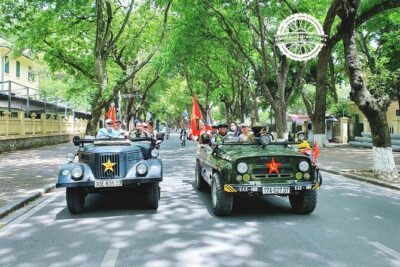
Hanoi Jeep Tour: Food, Culture and Fun by Vietnam Army Jeep
Read our review →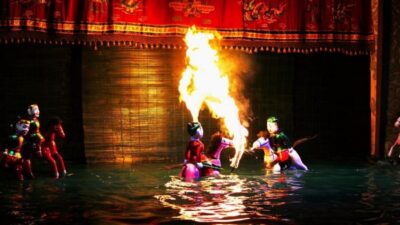

Hanoi Cooking Class: Culture, Local Market & Meaning CSR Impact
Read our review →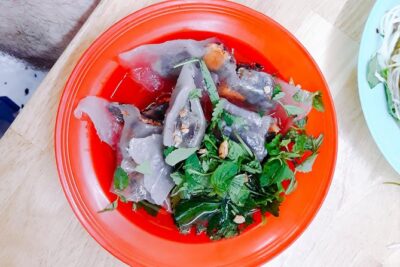
Small Group Hanoi Street Food Tour with a Real Foodie
Read our review →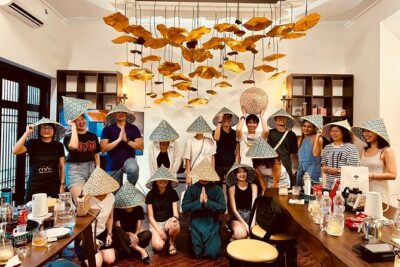
Hanoi Coffee Experience: 6 Brews, 9 Recipes & 3 Liquor Tastings
Read our review →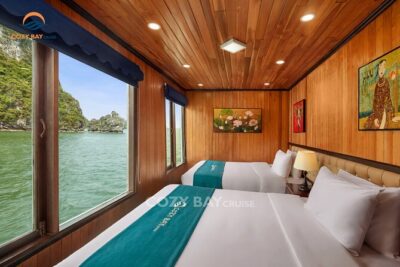
CozyBay Cruise-The Best Small Group 2D/1N inHalong-All inclusive
Read our review →