
Reviewed · HIKING & TREKKING
3 Day 2 Night Trek
Sapa’s best scenery appears when you leave the town behind. This three-day trek follows rice terraces, streams, bamboo forest, and mountain paths to villages where H’mong, Dzay, Red Dzao, and Tay families live. Giang and her family are part of the guiding team, and the route is designed to keep away from the busiest tourist paths.
I like the two nights in local homes, especially because you can choose between a homestay with Wi-Fi and hot showers or a more basic house with a local family. I also like the route’s steady move through several villages, rather than stopping at one viewpoint and calling it a mountain experience. The main consideration is physical effort: the trek covers about 12 kilometers on the first day, and you should have a moderate level of fitness.
Key points to know before booking
- Three days of walking: The route passes through Y Linh Ho, Lao Chai, Ta Van, Giang Ta Chai, Su Pan, Ban Ho, and Nam Toong.
- Two local homestay nights: Expect family meals, mountain evenings, and the option of hot showers and Wi-Fi or a simpler local house.
- Several ethnic communities: You spend time around H’mong, Dzay, Red Dzao, and Tay villages, each with its own customs and clothing.
- Private group format: Only your group participates, with one or more English-speaking local guides.
- Meals are included: Two breakfasts, three lunches, and two dinners are provided during the trek.
- A real walking holiday: Paths through terraces, streams, valleys, and bamboo forest require sensible shoes and steady legs.
Why this Sapa trek feels different from a town visit
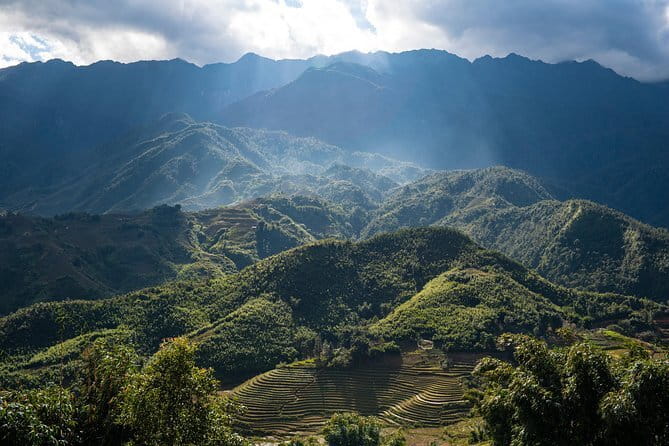
Sapa is easy to see from a hotel, a café, or a short outing to a viewpoint. This trip asks you to spend three days moving through the countryside instead. That changes the experience. You see how villages connect to fields, streams, and mountain paths, and you have time to sit with host families rather than simply take a photograph and leave.
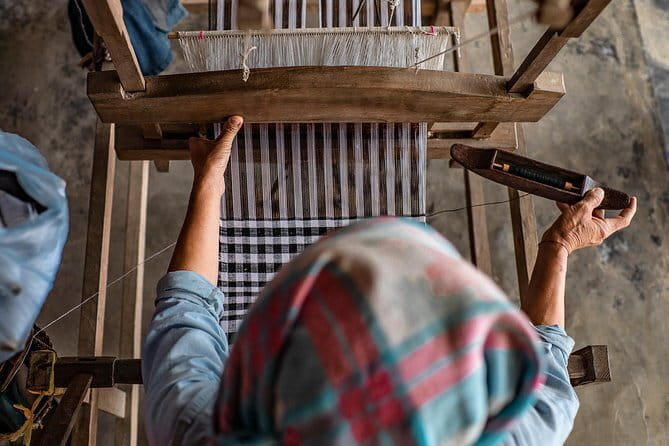
The route also brings you through several communities. You may see the traditional clothing of H’mong, Dzao, Tay, Dzay, and Xa Pho people, then learn more about daily life as the trek continues. The value is not just scenic. You get a closer look at local crafts, farming, cooking, and the way homes are used as places for family life and hospitality.
The private format matters here. Your group sets the pace with the guide, rather than being tied to a large party. That can make a long day easier to manage, though the trip still follows a demanding route and should not be treated as a gentle sightseeing walk.
More Trekking Tours in Hanoi:
- Cuc Phuong National Park Private Day Tour: Trekking & Primates
★ 5.0 · 30 reviews - Halong Bay Full Day with Kayaking, Hiking viewpoint, Cave – Deluxe To Luxury
★ 5.0 · 884 reviews - Sa Pa: Muong Hoa Valley Trek and Local Ethnic Villages
★ 4.6 · 864 reviews
Day 1: Y Linh Ho, Lao Chai, and Ta Van
The trek starts at 9:00 a.m. from 690 Duong Dien Bien Phu in Sapa. From there, you head toward Y Linh Ho and walk through rice terraces beside the Muong Hoa Stream. The route then continues to Lao Chai, a Black H’mong village with broad views toward the Hoang Lien Son mountains.
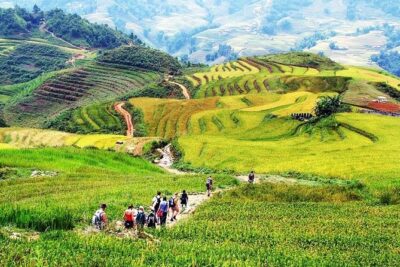
This is the day with the clearest sense of scale. The terraces spread across the valley, while the stream and mountain slopes give the walk a changing rhythm. You are not simply climbing to one lookout. The scenery keeps shifting as you pass fields, paths, village homes, and open sections of valley.
The published walking distance is about 12 kilometers, taking around three and a half hours. That timing should help you judge the effort, but mountain paths rarely feel identical from one day to the next. Wet ground, uneven steps, or a warm afternoon can make the walk feel longer. Bring shoes with a firm grip and do not assume that casual trainers will be ideal.
Lunch is served at a restaurant or with a local family. The second option gives the day a more personal feel, but the exact lunch setting can vary. After eating, you continue toward Ta Van, where Dzay people live, arriving in the late afternoon.
Ta Van is a good place to slow down. You check into your homestay or local house, meet the family, and have time to watch the sunset over the mountains. Dinner may be taken with the family or enjoyed quietly at the homestay. The evening is intentionally simple, with the chance to sit near an open fire, share rice wine, and talk with your hosts.
The accommodation choice deserves attention. A homestay may offer Wi-Fi and hot showers, while an authentic local house gives you a more basic setting and closer contact with family life. Neither choice is a hotel substitute. You are choosing how much comfort and simplicity you want for the night.
Day 2: Bamboo forest, Giang Ta Chai, and Ban Ho
After breakfast prepared by your host family, you begin the longest-feeling day of the trip, even though no official distance is given for it. The path leads through rice fields and bamboo forest before reaching viewpoints over Ta Van and Giang Ta Chai.
Giang Ta Chai is home to Red Dzao people. The stop gives you another view of mountain life and adds a different community to the trip. The bamboo forest also breaks up the open terrace views, so the morning does not feel like a repeat of Day 1.
You then continue toward Su Pan, where lunch is served at the home of a H’mong or Dzao family. Eating in a home rather than only at a restaurant is one of the strongest parts of the program. It gives you a reason to pause, and it makes the cultural side of the trip feel connected to ordinary life.
After lunch, you walk through more terraces and along the valley toward Ban Ho. The route is described as peaceful, with few other tourists expected in this section. That does not mean you will have the mountains entirely to yourself, but it does suggest a quieter stretch than the more accessible paths close to Sapa.
Ban Ho is home to Tay people and is your second overnight stop. You can spend time with the family, help with farming or cooking local food, or simply have dinner and rest. The choice is useful because a three-day trek should leave room for your energy level. If your legs are tired, sitting down with the family is not a failure. It is part of the experience.
This is also the point where the trip’s balance becomes clear. You get a full day of walking and scenery, but the overnight stay is not designed as entertainment laid on for tourists. The appeal is the ordinary rhythm of a family home, with meals, conversation, and a chance to see how people live in the valley.
Day 3: Sunrise at Ban Ho and the walk to Nam Toong
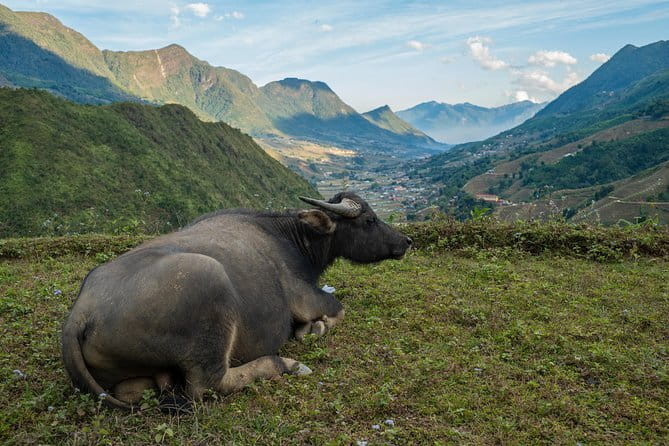
The final day starts with sunrise and breakfast prepared by your host family. You then trek through Nam Toong village, where Tay and Red Dzao people live. Lunch is served at a restaurant or local house before you return to Sapa.
Nam Toong is a fitting final village because it gives you one more chance to meet local people and see daily life before heading back to town. The last section is not presented as a rushed transfer. You have time to spend with people and learn about their way of life, then make your return to Sapa after lunch.
The tour ends back at the meeting point. Since the stated start and end point is in Sapa, you need to arrange your own way of reaching Sapa from Hanoi unless a separate transfer has been organized. Giang has helped past customers with suggestions for getting from Hanoi to Sapa, including a taxi from a bus office and luggage storage, but you should confirm any such help before you travel.
More 3-Day Trips in Hanoi:
- Orchid Cruises 3days/2nights For 5 Star All Included
★ 5.0 · 531 reviews - Amanda Cruise – Ha Long, Lan Ha Bay – All Inclusive 2D1N & 3D2N
★ 5.0 · 4,358 reviews - Hanoi: 3-Day Ninh Binh, Ha Long, & Lan Ha Bay 5-Star Cruise
★ 4.8 · 1,401 reviews - Mon Chéri Cruises 5 star: Amazing 3 days exploring Halong & Cat Ba island
★ 5.0 · 1,280 reviews
Homestays, meals, and the human side of the route
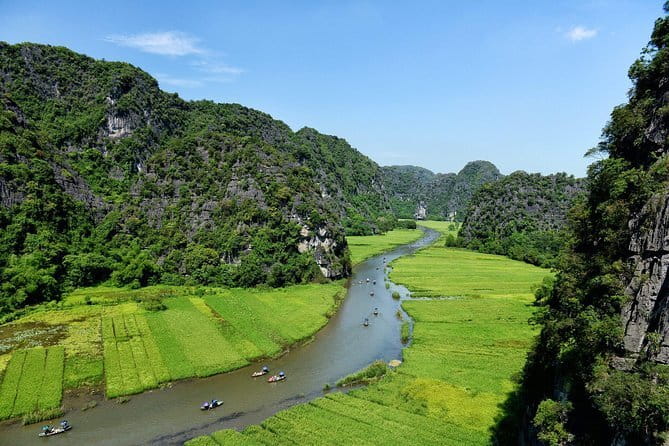
The two overnight stays are the heart of the trip. You are not moving from one standard hotel to another. You are spending the night with local families, eating their food, and seeing the countryside after the day walkers have gone.
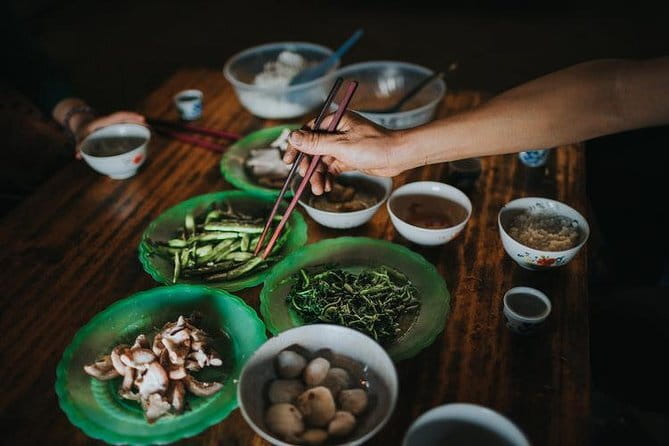
You receive two breakfasts, three lunches, and two dinners. Breakfast is prepared by the host family, and lunch may be served at a restaurant or in a local home. Dinner can be shared with the family or taken quietly at the homestay.
The program also mentions rice wine, local food, open fires, farming, cooking, and conversation. These details matter because cultural contact works best when it happens during normal activities. A meal or a cooking task often tells you more than a short staged demonstration.
You should still bring the right expectations. A homestay is not a guaranteed private room with hotel-style service. The option with Wi-Fi and hot showers offers more comfort, while the local house is more basic. If you need a particular sleeping arrangement or facility, ask before booking.
Guide quality and the private group advantage
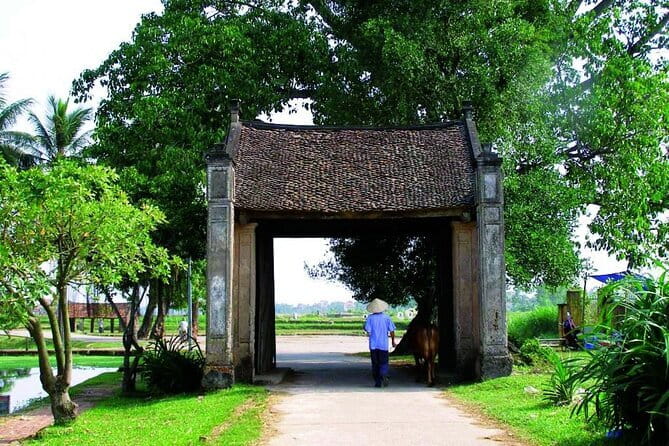
The tour uses English-speaking local guides with knowledge of Sapa, its surrounding villages, local history, culture, and ethnic communities. Giang is named as a guide connected with the experience, and her niece Zo and Ma have also guided sections of the trek.
That family connection is valuable because the experience is not built only around scenery. A local guide can explain who lives in each village, how the route connects the communities, and what you are seeing along the way. Giang has also helped with practical arrival details, which is useful if Sapa is one stop in a longer Vietnam trip.
Your group is private, so only your party takes part. This gives you more control over walking speed and rest stops than a large group tour. It may also make conversations with the guide and host families easier. The tradeoff is that the price is per person and the group size is not specified, so you should confirm how many people will be in your private party.
Is $180 good value for three days?

At $180 per person, the price is reasonable if you want a guided, food-included trek with two nights in local homes. You are paying for three days of guiding, six included meals, two nights of accommodation, and access to a route that links several villages rather than one short outing from Sapa.
The private format improves the value for couples, families, or small groups who want a more personal pace. Group discounts are available, which can make the cost more attractive if you are booking with friends.
The price does not remove every planning task. Travel insurance is not included, and you should arrange comprehensive cover before setting out. The meeting point is in Sapa, so transport from Hanoi is not listed as part of the package. Pickup is offered, but confirm exactly where it applies and whether any transfer costs extra.
I would compare this price with the cost of booking separate guides, meals, and homestays, not only with the price of a one-day walk. The main value is the time spent in the villages and the personal guiding, not luxury accommodation.
Who should book this trek?
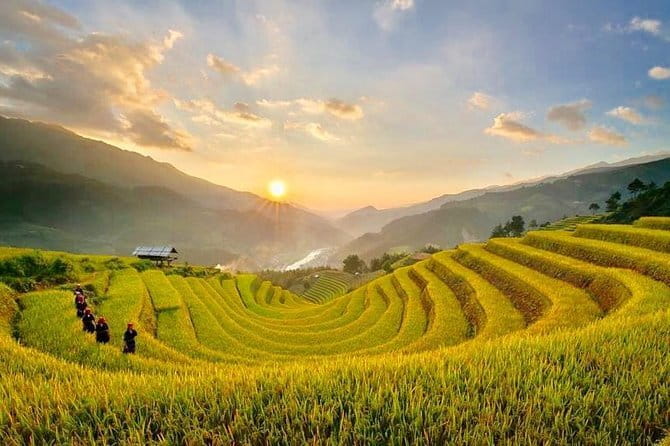
I would recommend it to you if you want active days, local homes, mountain scenery, and a slower connection with the communities around Sapa. It suits people who enjoy walking from place to place and who are comfortable with basic accommodation for two nights.
It is also a good choice if you want a private trip instead of a large shared group. The route covers several ethnic communities, so it gives you more cultural variety than a short walk to one nearby village.
You should think twice if you want a polished hotel stay, very light walking, or a fixed schedule with little flexibility. The first day alone covers about 12 kilometers, and the route includes terraces, streams, forests, and valley paths. You should also consult a medical professional before booking if you have a medical condition.
The activity allows service animals and is near public transportation. Those facts may help with planning, but they do not change the physical nature of the trek.
Booking, weather, and cancellation details
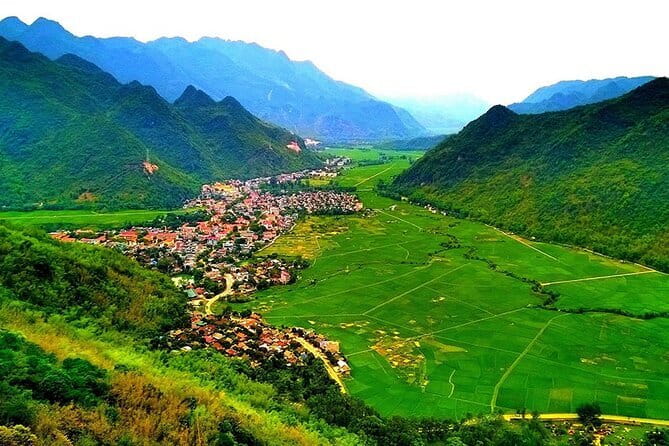
Confirmation is provided when you book, and the activity currently averages about 65 days of advance booking. That suggests you should not leave it until the last minute if your Sapa dates are fixed.
You can cancel up to 24 hours before the 9:00 a.m. start for a full refund. Changes made within 24 hours are not accepted, and cancellations inside that period are not refunded. The trip requires good weather, so poor conditions may lead to a different date or a full refund.
Should you book the 3 Day 2 Night Trek?
Book this trek if you want to trade Sapa’s town comforts for rice terraces, village paths, family meals, and two nights close to local life. The strongest reasons are the private guiding, the variety of communities, and the chance to spend real time in Ta Van and Ban Ho instead of rushing through them.
I would choose it for the cultural contact and route length, not for luxury. Ask about the exact homestay setup, your group size, pickup details, and the best way to reach Sapa from Hanoi before paying. If those basics suit you and you can handle the walking, $180 buys a substantial three-day experience with useful local support.
FAQ
How long is the trek?
The experience lasts approximately three days and two nights. Day 1 includes about 12 kilometers of trekking and takes around three and a half hours.
Where does the tour start and finish?
It starts at 690 Duong Dien Phu, TT. Sa Pa, Sa Pa, Lao Cai, Vietnam, at 9:00 a.m. The activity ends back at the meeting point.
What meals are included?
The tour includes two breakfasts, three lunches, and two dinners. Breakfast is prepared by the host family, while lunch may be at a restaurant or in a local home.
Where do I sleep?
You spend two nights in homestays or local houses. One option includes Wi-Fi and hot showers, while an authentic local house provides a more basic stay with a local family.
Is this a private tour?
Yes. Only your group participates, and you are accompanied by one or more English-speaking local guides.
Can I cancel for a full refund?
Yes, if you cancel at least 24 hours before the experience start time. Poor weather may result in a different date or a full refund.
Just added around Hanoi
- Private Crowd Free Hanoi: Morning Highlights of the City Experience★ 4.5 · 124 reviews
- Hoa Lo Prison and Little Paris Tour in Hanoi (French Quarter)★ 5.0 · 20 reviews
- Old Quarter Food Tour in Hanoi★ 5.0 · 104 reviews
- Hanoi’s Old Quarter Street Food Experience and Train Street★ 5.0 · 22 reviews
- Retro Hop-on-hop-off Bonbon City Tour: Classic Package★ 4.0 · 32 reviews
- [Hi-end] Private Hanoi Street Food Tour With Real Foodie★ 5.0 · 154 reviews
- Hanoi Street Food Tour★ 5.0 · 27 reviews
- Hanoi Street Food Tour with egg coffee making★ 5.0 · 22 reviews
Hiking & Trekking, compared.

Halong Bay Full Day with Kayaking, Hiking viewpoint, Cave – Deluxe To Luxury
Read our review →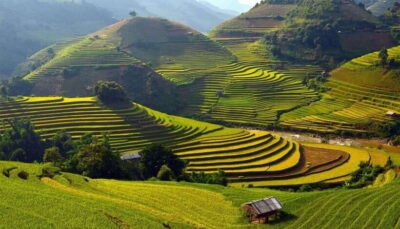
Sa Pa: Muong Hoa Valley Trek and Local Ethnic Villages
Read our review →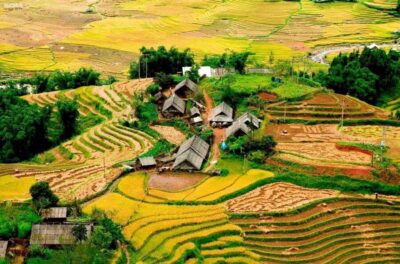
Sapa 3 Days 2 Nights Trekking Tour (1 Night In Ta Van Village, 1 Night In Hotel)
Read our review →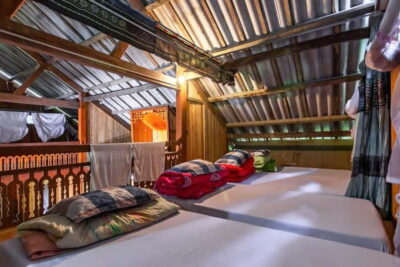
2-Day Sa Pa Ethnic Homestay Tour & Trek with Limousine Bus
Read our review →
1-Day Guided Trek to Lao Chai & Ta Van with Lunch
Read our review →
Browse the lists this tour appears in